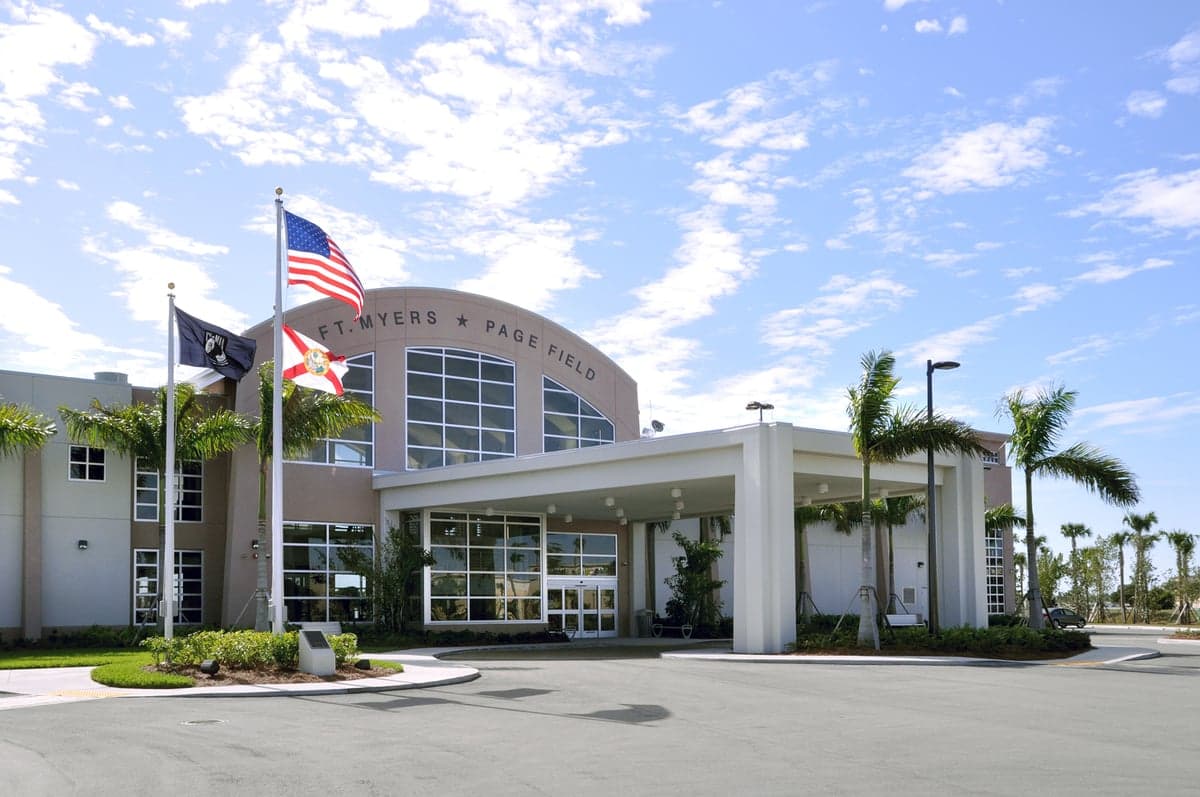
Photo: Wikipedia
Find The Best Places To Live in Lee County
PRO TIP! You can paste a Zillow or Redfin link to get info on that property.
Best Places to Live in Lee County

Cities & Towns in Lee County
Cities in Lee County
What It's Like Living in Lee County, FL
Lee County is a place where the Gulf Coast lifestyle meets suburban practicality, stretching from the shell-strewn shores of Sanibel to the canal-lined neighborhoods of Cape Coral and the historic streets of downtown Fort Myers. With a population pushing 800,000, it’s big enough to have everything you need but still feels like a collection of distinct communities rather than one sprawling city. The median age of 49.3 tells you this is a magnet for retirees, but you’ll also find plenty of young families and working professionals drawn by the relatively affordable home values—median home price around $326,300—and the absence of a state income tax.
The Daily Rhythm: From Cape Coral Canals to Fort Myers River District
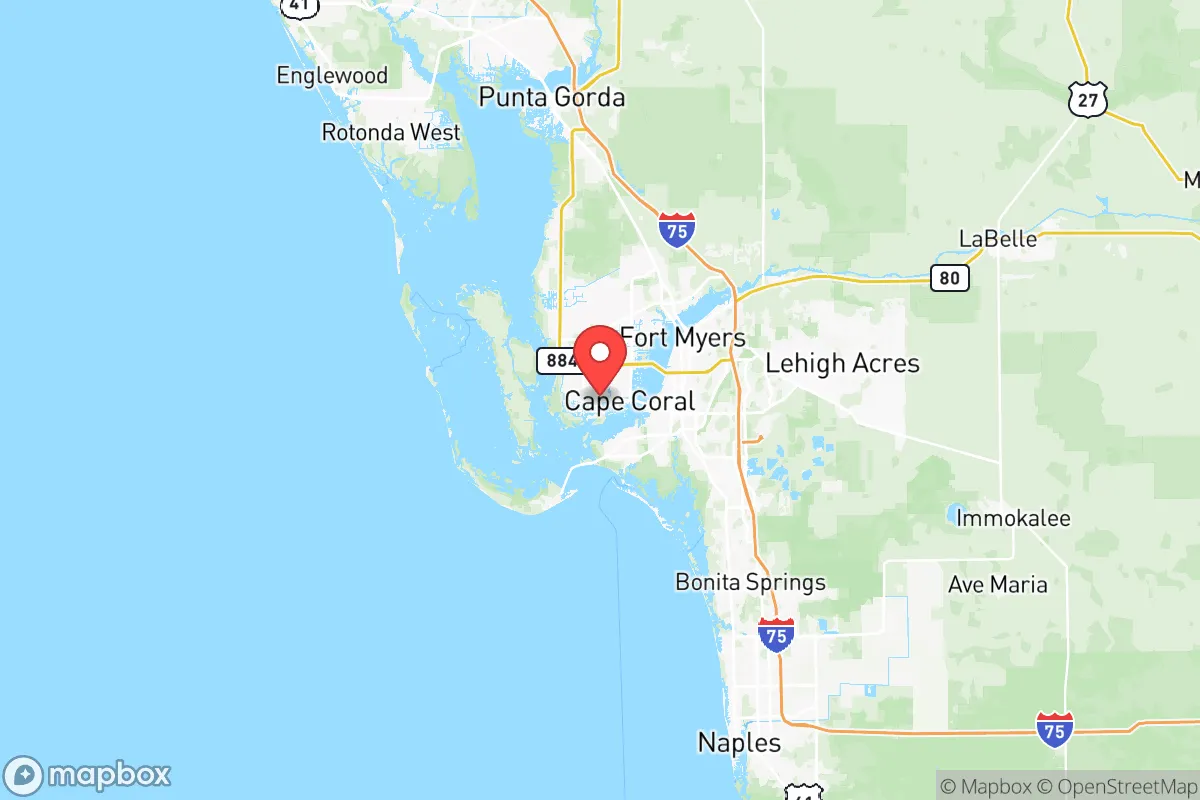
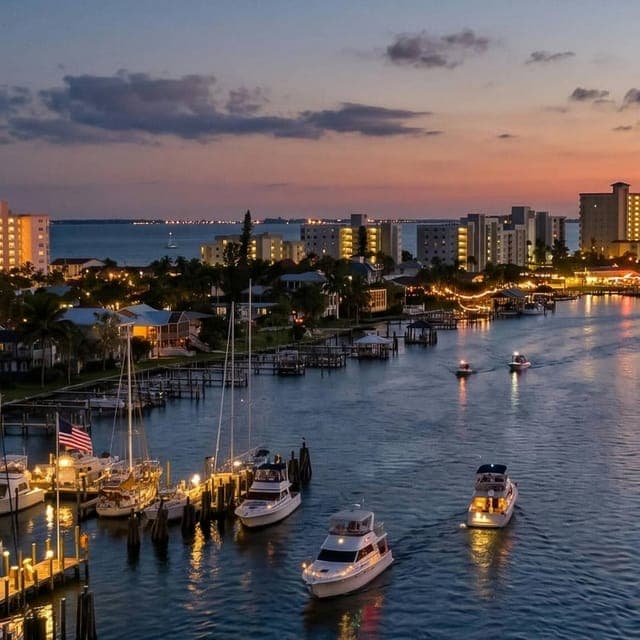
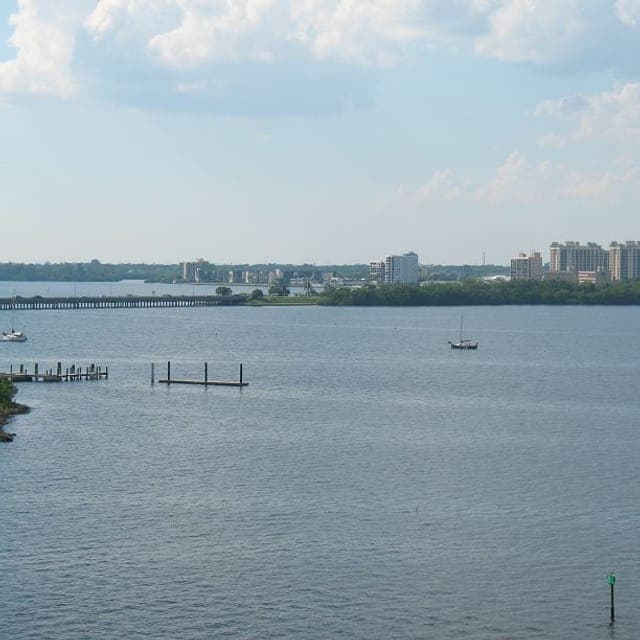
Daily life in Lee County varies a lot depending on which town you call home. In Cape Coral, the world’s largest network of navigable canals shapes everything—people boat to dinner, fish from their backyards, and spend weekends on the water. It’s a family-oriented city with strip malls, chain restaurants, and a growing number of local breweries like Big Blue Brewing. The commute from Cape Coral to Fort Myers across the Midpoint Bridge can be a slog during rush hour, but the average drive time countywide is a manageable 28 minutes—not bad for a metro area this size.
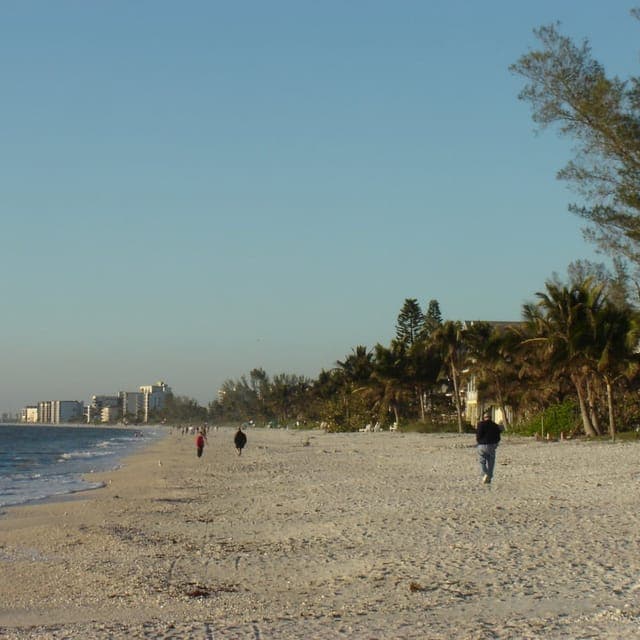
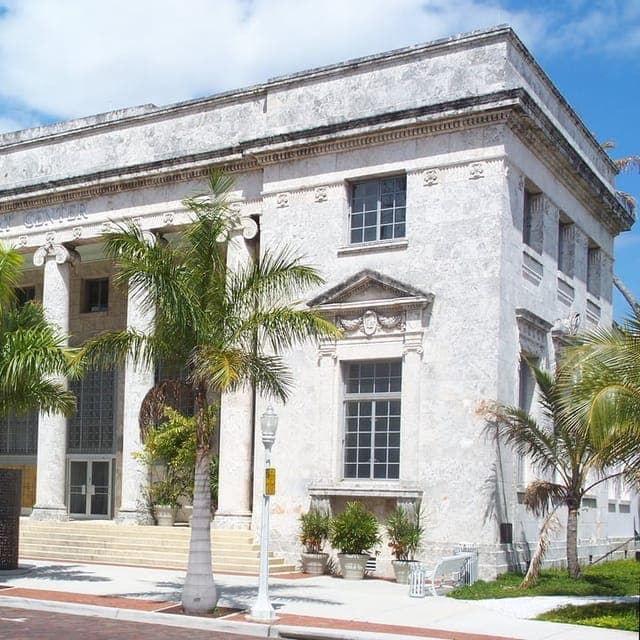
In Fort Myers, the historic River District offers a walkable downtown with brick streets, art galleries, and spots like Ford’s Garage and The Standard. That’s where you’ll find a younger crowd and more nightlife. Further south, Bonita Springs and Estero feel like their own small cities, anchored by the Coconut Point shopping center and Florida Gulf Coast University. Lehigh Acres, inland and more affordable, is where many service workers and younger families buy their first homes—it’s less scenic but growing fast. And then there’s Sanibel, a barrier island with a strict no-high-rises rule, where life slows to a beach-and-bike pace, though hurricane damage in recent years has reshaped parts of the island.
Schools are a big part of the community fabric, especially in suburbs like Estero and Bonita Springs, where parents are involved and high school football games draw big crowds. The Lee County School District is one of the largest in Florida, with a mix of traditional public, charter, and magnet options. Private schools like Bishop Verot High School in Fort Myers also have strong followings.
Sports, Festivals, and Weekend Plans
Lee County punches above its weight when it comes to sports and entertainment. Florida Gulf Coast University’s Eagles basketball team—remember the “Dunk City” run in 2013?—still packs the Alico Arena, and the atmosphere is electric. Spring training brings the Boston Red Sox and Minnesota Twins to JetBlue Park and Hammond Stadium respectively, turning February and March into a baseball lover’s paradise. Minor league baseball is alive and well with the Fort Myers Mighty Mussels, a low-A affiliate of the Twins, playing at Hammond Stadium during the summer.
High school football is a genuine big deal—Fort Myers High School and Dunbar High School have passionate followings, and Friday nights in the fall are community events. For outdoor recreation, the Six Mile Cypress Slough Preserve offers boardwalk trails through wetlands, and the Caloosahatchee River is a hub for boating and fishing. Sanibel’s beaches are world-famous for shelling, though access requires a toll bridge. Festivals fill the calendar: the Edison Festival of Light in Fort Myers (a month-long celebration honoring Thomas Edison’s winter estate), the Bonita Springs National Art Festival, and Cape Coral’s Oktoberfest are annual highlights.
What Locals Love and What Drives Them Crazy
Longtime residents will tell you the biggest upside is the weather—mild winters, abundant sunshine, and the ability to be outdoors year-round. The cost of living, while above the national average (index of 129), is still a bargain compared to Naples or Sarasota. No state income tax is a real draw for retirees and remote workers. And the variety of communities means you can pick your pace: quiet beach town, suburban family hub, or urban-ish downtown.
But there are real frustrations. Traffic on I-75 and the bridges between Cape Coral and Fort Myers can test your patience, especially during snowbird season (January through April). The summer heat and humidity are oppressive from June through September—air conditioning is non-negotiable. Hurricane season is a fact of life; residents know the drill with shutters, supplies, and evacuation zones. And while the violent crime rate of 166.8 per 100,000 is below the national average, property crime can be an issue in certain pockets, particularly in parts of Lehigh Acres and north Fort Myers.
Another quirk: the seasonal population swing. The county swells with “snowbirds” in winter, making restaurants and beaches crowded, then empties out in summer, when many locals feel they have the place to themselves. Some love the energy; others wish the traffic would ease up.
Who Fits In Best Here
Lee County tends to attract people who value a slower pace, outdoor living, and a conservative-leaning political climate—the county has voted Republican in recent presidential elections. It’s a good fit for families who want good schools without the ultra-high cost of coastal California or the Northeast, and for retirees who want warm winters and golf courses. Singles will find more social scenes in Fort Myers and Cape Coral, especially near the university or downtown. The median household income of $73,099 supports a comfortable middle-class lifestyle, though the service economy means wages can lag behind housing costs in some areas.
If you’re someone who hates humidity, needs a vibrant nightlife every night, or can’t stand the idea of hurricane prep, this might not be your spot. But if you want a place where you can own a boat, watch spring training, and still afford a home with a yard, Lee County is hard to beat.

* Values derived from national, state, county, city and local statistics and may differ in a specific area. Last updated: 2026-05-14T21:35:40.000Z
Narrative content on this page is AI-generated and may contain mistakes. Verify any details that matter before acting on them.
ReloMaps may earn a commission from affiliate links at no extra cost to you.

