Photo: Wikipedia
Find The Best Places To Live
in Cape Coral
PRO TIP! You can paste a Zillow or Redfin link to get info on that property.
What It's Like Living in Cape Coral, FL
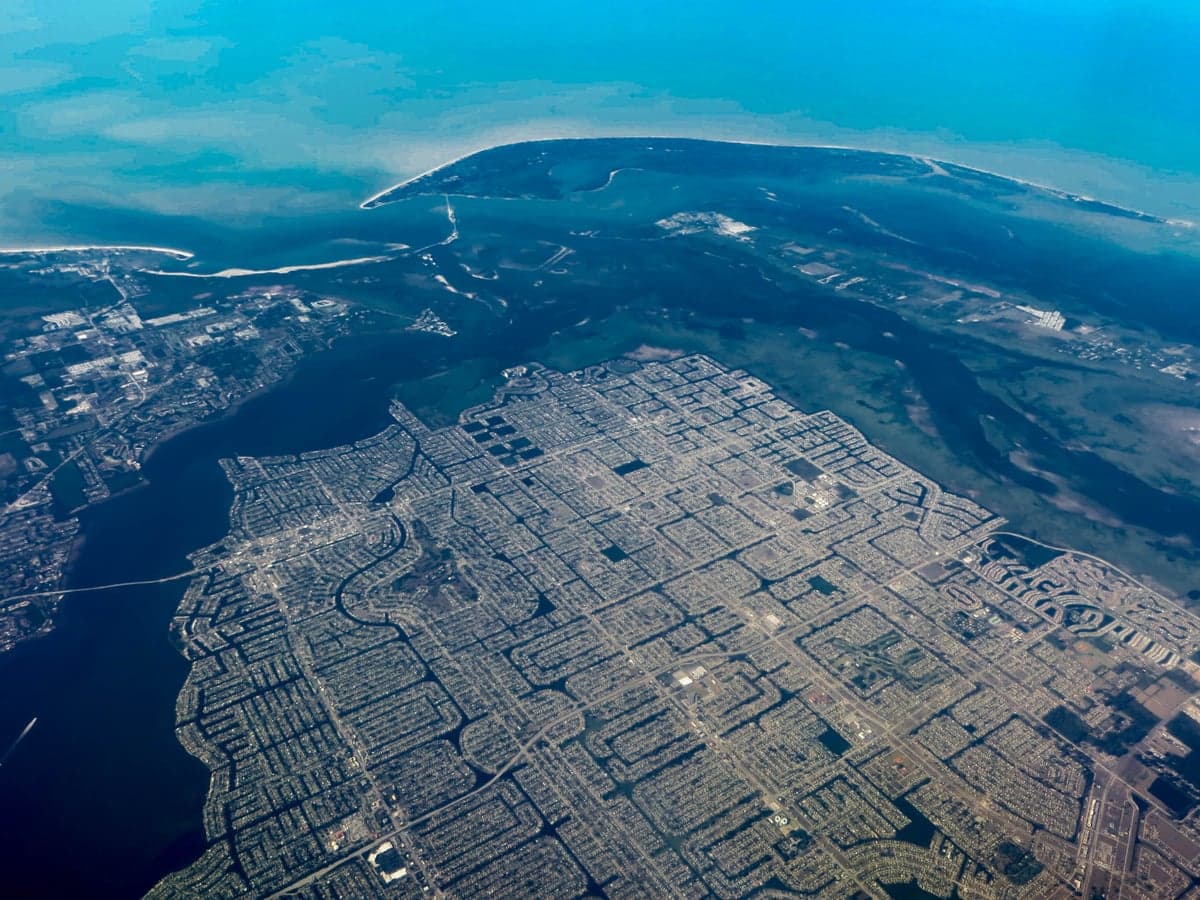
Cape Coral is a sprawling, canal-laced city in Southwest Florida that feels less like a tourist destination and more like a place where people actually settle down—often after retiring from somewhere up north, but increasingly for families seeking space and a slower pace. With over 400 miles of navigable waterways, it’s often called a “waterfront wonderland,” but the reality is more suburban grid than tropical paradise: wide, straight roads, ranch-style homes, and a rhythm dictated by the weather and the work commute to nearby Fort Myers. It’s a place where the median age hovers around 48.7, and the median income sits at $76,062—a solid middle-class profile that attracts both empty-nesters and younger families looking for affordable waterfront living compared to Naples or Sarasota.
The Daily Rhythm: Boats, Commutes, and Seasonal Swings
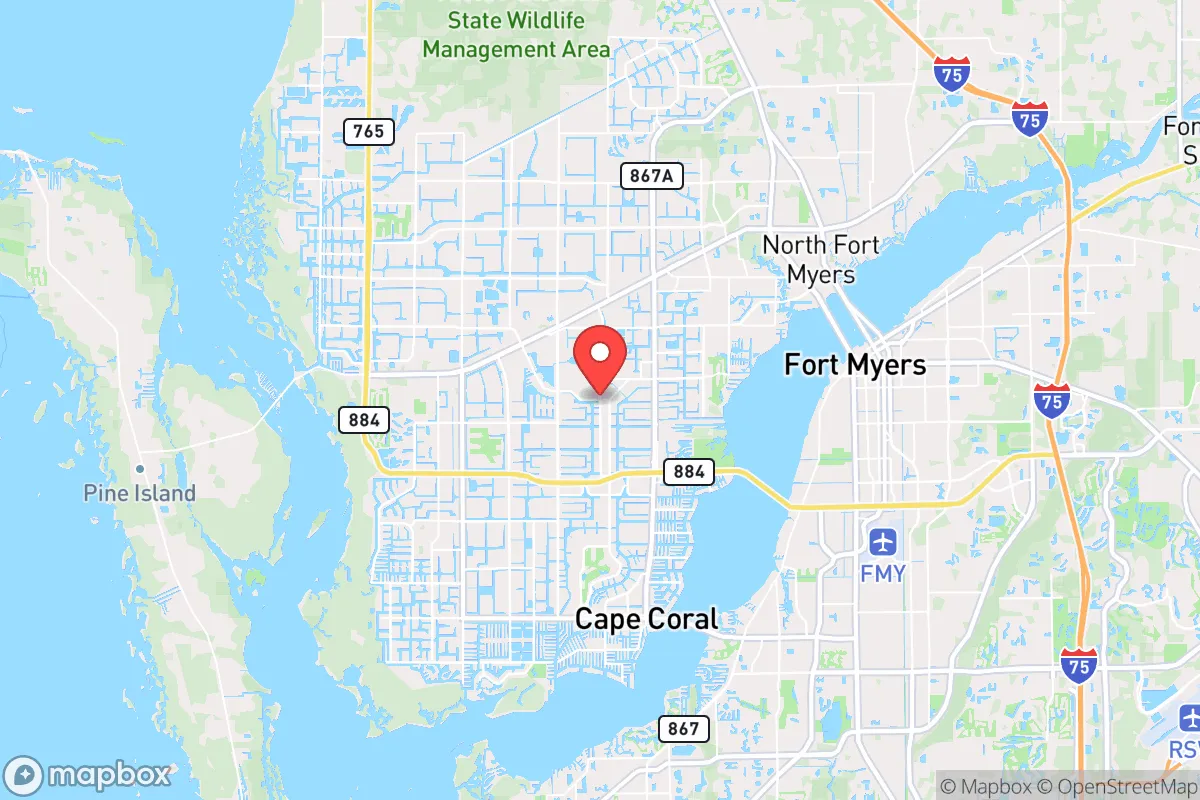
Life in Cape Coral revolves around the water, but not in the way you might imagine. Most residents don’t live on the Gulf—they live on man-made canals that lead to the Caloosahatchee River, which eventually reaches the Gulf. On weekends, you’ll see neighbors washing their boats in driveways or heading out to the Four Freedoms Park boat ramp for a day on the water. Weekday mornings, the biggest local complaint is the commute: the average drive time is about 29 minutes, which sounds manageable until you factor in the Cape Coral Bridge or Midpoint Bridge backups during snowbird season (November through April). The city’s population of 206,387 swells significantly in winter, and traffic on Del Prado Boulevard and Pine Island Road can feel like a parking lot. Locals learn to plan errands around 9 AM and 2 PM to avoid the worst of it.
Dining out is a casual affair. Nevermind Awesome Bar & Eatery is a favorite for craft beer and burgers, while Fathoms Restaurant & Bar offers waterfront dining on the canal. For groceries, Publix is king, but Winn-Dixie has a loyal following. The cost of living index is 138—38% above the national average—driven largely by housing and insurance. A median home value of $339,200 is still a bargain compared to coastal Florida cities, but flood insurance and windstorm coverage can add hundreds to monthly costs.
Sports, Festivals, and What People Actually Do for Fun
Sports culture here is low-key but present. High school football is a genuine community event—Ida S. Baker High School and Mariner High School games draw solid crowds on Friday nights. There’s no major pro team in Cape Coral itself, but residents are split between Tampa Bay Buccaneers and Miami Dolphins fans, with a strong contingent of snowbirds who still root for their hometown teams. The Boston Red Sox hold spring training in nearby Fort Myers, which brings a seasonal buzz. For live music, The Ranch Concert Hall & Saloon in Fort Myers is the go-to for country acts, while Dixie Roadhouse in Cape Coral offers line dancing and a younger crowd on weekends.
Festivals are a big deal. The Cape Coral Arts & Music Festival in January draws thousands to the downtown area, and the Oktoberfest at the German American Social Club is a local institution. The Rotary Park Environmental Center hosts nature walks and kayak tours through the mangroves. For a quieter day, Sun Splash Family Waterpark is a summer staple for families, and Jaycee Park on the Caloosahatchee offers sunset views that rival any beach—without the parking hassle.
Who Fits In—and Who Doesn’t
Cape Coral is best suited for people who value space, water access, and a slower pace over urban energy. The median age of 48.7 reflects a large retiree population, but the city is also drawing younger families priced out of Fort Myers and Naples. Only 25.7% of adults hold a bachelor’s degree or higher, which tracks with the blue-collar and service-industry roots of the local economy. Major employers include Lee Health (the hospital system), Lee County School District, and retail along Pine Island Road. If you’re a single professional in your 20s or 30s looking for nightlife and walkability, this isn’t it—you’ll be driving to Fort Myers or Naples for that. But if you want a house with a dock, a boat in the driveway, and neighbors who wave from their golf carts, Cape Coral delivers.
Honest Pros and Cons
- Pro: Waterfront living at a fraction of the cost of coastal cities. Many canal-front homes are under $500K, and you can be on the Gulf in 20 minutes by boat.
- Con: The summer heat and humidity (May through October) are oppressive. Air conditioning runs nonstop, and outdoor activities are limited to early morning or dusk.
- Pro: Low violent crime rate—166.8 per 100,000, well below the national average. Property crime is more common, especially in seasonal months when homes sit empty.
- Con: The city’s layout is a grid of identical-looking streets, making navigation confusing for newcomers. Many roads lack sidewalks, and biking is risky on major arteries.
- Pro: Strong sense of community among full-time residents. Snowbirds are tolerated but often seen as a seasonal inconvenience—locals know the best times to shop and drive.
- Con: Limited job opportunities outside healthcare, education, and retail. Commuting to Fort Myers or Naples is the norm for white-collar work.
The cultural quirk that defines Cape Coral is its canal system—residents take pride in their “waterfront lifestyle” even if they only use the boat once a month. It’s a place where the local identity is tied to the water, but the reality is more about suburban comfort than nautical adventure. If you’re okay with driving everywhere, planning around tourist season, and embracing a slower rhythm, Cape Coral offers a solid, affordable slice of Florida life that’s neither flashy nor boring—just dependable.

Similar small cities to Cape Coral
* Values derived from national, state, county, city and local statistics and may differ in a specific area. Last updated: 2026-04-19T06:54:43.000Z
Narrative content on this page is AI-generated and may contain mistakes. Verify any details that matter before acting on them.
ReloMaps may earn a commission from affiliate links at no extra cost to you.

