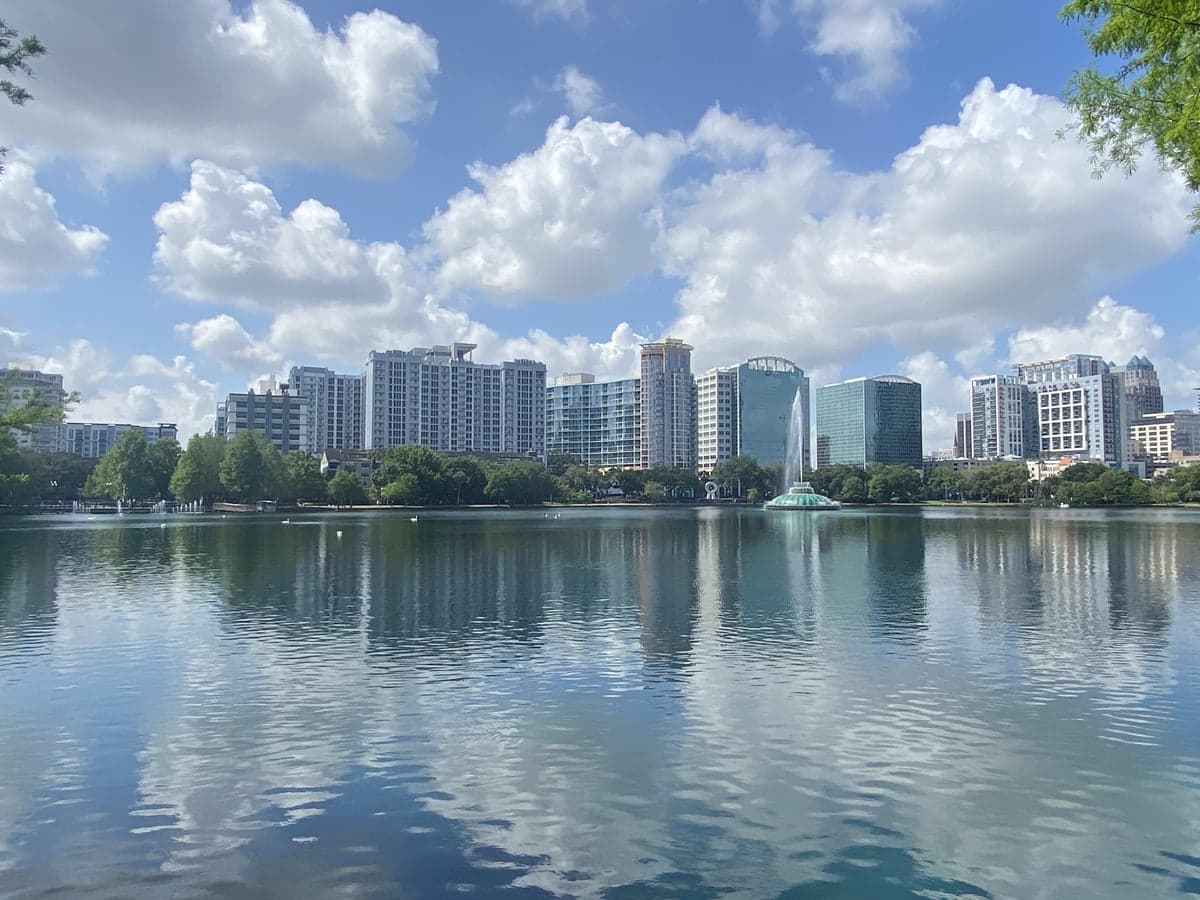
Photo: Wikipedia
Quality of Life in Orange County
A livable area that tracks near national norms for affordability, walkability, and neighborhood health.
What does Quality of Life tell us?
Quality of Life measures an area by evaluating factors like cost of living, nearby amenities, country club access, airport proximity, socioeconomic signals and neighborhood character. For large states, this is a general average — quality of life can vary dramatically between metro areas, suburbs, and rural communities within the same state.
What does this tell us?
Quality of Life measures an area by evaluating factors like cost of living, nearby amenities, country club access, airport proximity, socioeconomic signals and neighborhood character. For large states, this is a general average — quality of life can vary dramatically between metro areas, suburbs, and rural communities within the same state.
Cost of Living
37% above national average
75%
The Real Cost of Living in Orange County for 2026
| Tier | Individual | Family (4) |
|---|---|---|
| Survival | $27k | $50k |
| Comfortable | $70k | $102k |
| Luxury | $139k+ | $216k+ |
| Elite (Top 5%) | $180k+ | $279k+ |
Quality-of-Life Analysis
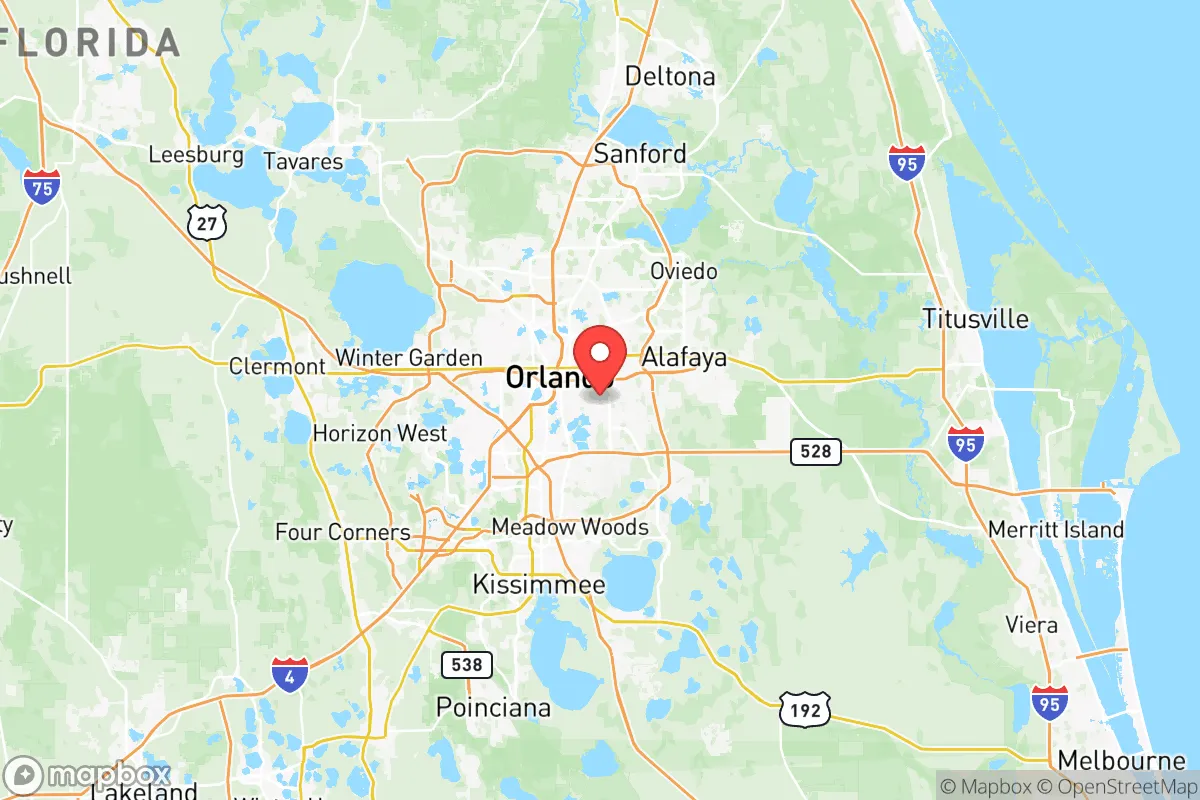
Orange County, Florida, offers a quality-of-life spectrum that ranges from the high-density urban core of Orlando to semi-rural communities like Christmas and unincorporated areas near the Econlockhatchee River. The county draws a diverse mix of residents: young professionals and international transplants gravitate to the walkable, amenity-rich neighborhoods near downtown Orlando, while families and long-time Floridians often settle in the quieter, more affordable towns along the county’s eastern and southern fringes. With a cost of living index of 137 (37% above the national average) and a median home value of $358,300, the county presents a clear trade-off between urban convenience and suburban or rural space.
Largest town(s) & population centers
Orlando is the county’s dominant population center, with a dense urban core that includes neighborhoods like Thornton Park, College Park, and the Milk District. Daily life in these areas is defined by walkability, a robust food scene, and proximity to major employers such as Orlando Health, AdventHealth, and the University of Central Florida. The city’s median rent of $1,675 reflects the premium for living near downtown, where one-bedroom apartments in newer developments often exceed $1,800. Outside the urban core, suburban master-planned communities like Lake Nona and Baldwin Park offer a more structured lifestyle with HOA-managed parks, schools, and retail centers. Lake Nona, in particular, has become a hub for the medical and tech sectors, anchored by the Lake Nona Medical City complex. The average commute across the county is 28.4 minutes, but residents in these population centers often face shorter trips if they work within the Orlando metro area.
Smaller towns & rural pockets
East of Orlando, the unincorporated community of Christmas (population roughly 1,200) retains a distinctly rural character, with large lots, horse properties, and access to the 70,000-acre Tosohatchee Wildlife Management Area. Nearby Bithlo, once a rural crossroads, has seen modest growth but still lacks the density and infrastructure of Orlando’s suburbs. To the south, the town of Windermere (population about 3,000) offers a small-town feel with upscale lakefront homes and a historic downtown, while the unincorporated area of Gotha preserves a quieter, semi-rural atmosphere with older citrus groves and estate-sized lots. These communities typically have lower crime rates and more land per home, but they also require longer drives to reach grocery stores, medical facilities, and employment centers. The median home value in these rural pockets often falls below the county average, with some properties in Christmas and Bithlo priced under $300,000.
Cost & lifestyle range
The cost of living in Orange County varies dramatically by location. At the high end, neighborhoods like Isleworth and Bay Hill in southwest Orlando feature median home values exceeding $1 million, with gated communities, golf courses, and private lake access. At the lower end, areas such as Pine Hills and parts of east Orange County (including the Azalea Park neighborhood) offer median home values closer to $250,000, though these areas often have higher crime rates and older housing stock. The median rent of $1,675 is achievable in suburban complexes near the 417 and 408 toll roads, but studio apartments in downtown Orlando frequently command $1,400–$1,600. For families seeking a middle ground, the town of Ocoee (population roughly 50,000) provides a suburban lifestyle with a median home value around $350,000, good schools, and access to West Orange Trail. The lifestyle range is thus defined by a trade-off: urban residents pay more for walkability and shorter commutes, while rural and suburban residents gain space and lower housing costs at the expense of longer drives and fewer immediate amenities.
Orange County suits a wide range of residents, but it is best matched to those who can navigate its cost gradient. Professionals and families who prioritize proximity to Orlando’s job centers and cultural amenities will find the urban core and its inner suburbs most practical, while those seeking land, quiet, and lower housing costs should look to the eastern and southern rural pockets. The county’s 28.4-minute average commute is manageable for most, but residents in outlying areas should budget for toll-road expenses and longer drives to schools and shopping. Overall, Orange County rewards flexibility: the same county that hosts a world-class theme park industry also contains working farms and wildlife preserves, making it one of Florida’s most internally diverse counties for quality of life.

Crime in Orange County
Generally safer than 73% of comparable U.S. locations.
Violent CrimeViolent Crime Analysis
Property CrimeProperty Crime Analysis
Crime Analysis
Orange County, Florida, presents a mixed safety profile typical of a large, tourism-driven metropolitan area. The county’s violent crime rate of 166.8 incidents per 100,000 residents is notably lower than the national average, while its property crime rate of 735.6 per 100,000 sits slightly above the national figure. This disparity means that while the risk of a violent encounter is relatively low, residents face a heightened chance of theft, burglary, and vehicle break-ins, particularly in areas with high transient populations and dense commercial corridors.
Crime in context
Compared to Florida’s statewide violent crime rate of roughly 380 per 100,000, Orange County’s 166.8 figure is significantly better, placing it among the safer large counties in the state for violent offenses. However, the property crime rate of 735.6 per 100,000 is higher than the Florida average of approximately 650 per 100,000. This pattern is common in counties with a heavy tourism economy, where opportunistic property crime is a persistent challenge. The data suggests that Orange County is not a high-violence area by national or state standards, but residents must remain vigilant about securing homes and vehicles, especially in areas near major attractions and transportation hubs.
What residents experience
Daily life for most Orange County residents involves a moderate awareness of property crime, with car break-ins and package thefts being the most frequently reported issues in neighborhood social media groups. Violent crime is largely concentrated in specific, often economically distressed pockets rather than being a widespread threat. For example, Orlando’s downtown core and parts of Pine Hills have historically reported higher rates of aggravated assault and robbery, while suburban communities like Windermere, Winter Park, and Dr. Phillips consistently record very low violent crime numbers. The presence of a progressive state attorney’s office in the Ninth Judicial Circuit, which covers Orange and Osceola counties, has drawn criticism for policies that emphasize diversion and reduced sentencing for certain property and drug offenses. Critics argue that this approach, while intended to reduce incarceration, can lead to repeat offenders cycling through the system more quickly, directly impacting public safety by keeping more criminals on the street and undermining deterrence. Residents in areas like Maitland and Ocoee often report a sense of security that contrasts sharply with the experiences of those living closer to the I-4 corridor and the tourist district near International Drive, where property crime is a near-daily reality for businesses and visitors.
Neighborhood-level variation
The safety landscape of Orange County is not uniform. The most significant divide is between the older, denser urban neighborhoods and the newer, master-planned suburbs. Lake Nona and Horizon West are frequently cited as among the safest areas, with crime rates well below the county average, driven by higher property values, active homeowners’ associations, and dedicated community policing. In contrast, neighborhoods in east Orange County near the University of Central Florida experience elevated property crime tied to student populations and rental turnover. The county’s reliance on tourism means that areas like the Florida Mall corridor and the Orange County Convention Center vicinity see a disproportionate share of theft and fraud. For anyone considering a move, the choice of specific city or neighborhood within Orange County is the single most important factor in determining actual personal safety risk, far more than the countywide averages suggest.
* Values derived from national, state, county, city and local statistics and may differ in a specific area. Last updated: 2026-05-08T23:18:01.000Z
Narrative content on this page is AI-generated and may contain mistakes. Verify any details that matter before acting on them.
ReloMaps may earn a commission from affiliate links at no extra cost to you.

