Photo: Wikipedia
Find The Best Places To Live
in Winter Park
PRO TIP! You can paste a Zillow or Redfin link to get info on that property.
What It's Like Living in Winter Park, FL
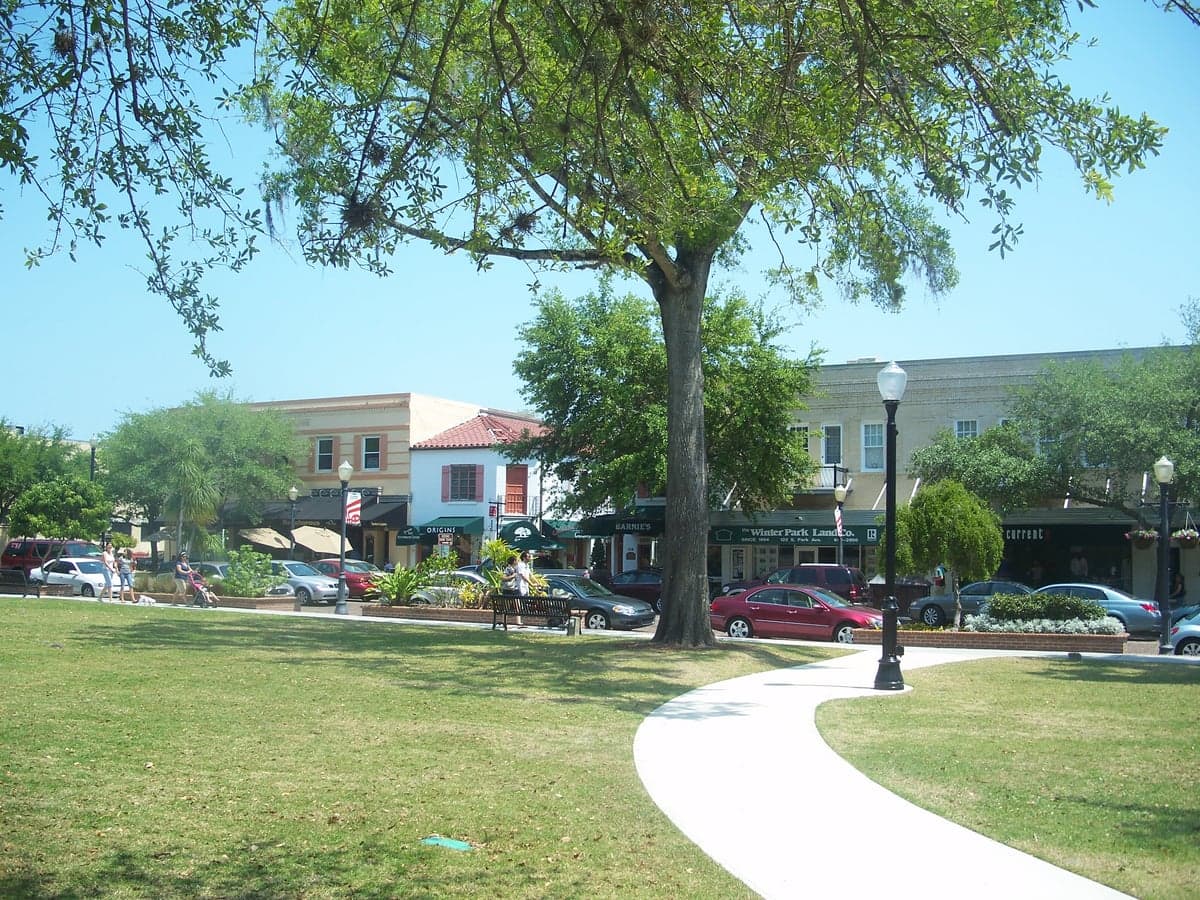
Winter Park, Florida, has a reputation that precedes it, and for good reason. It’s the kind of place where the town’s identity is built around brick-lined streets, a chain of shimmering lakes, and a pace of life that feels deliberately slower than the Orlando sprawl just a few miles south. Living here means trading the theme park chaos for a more settled, affluent rhythm—one that revolves around Saturday morning farmers markets, paddleboarding on Lake Virginia, and a deep, almost protective pride in the town’s historic character.
The Daily Rhythm: A Town Built for Strolling, Not Speeding
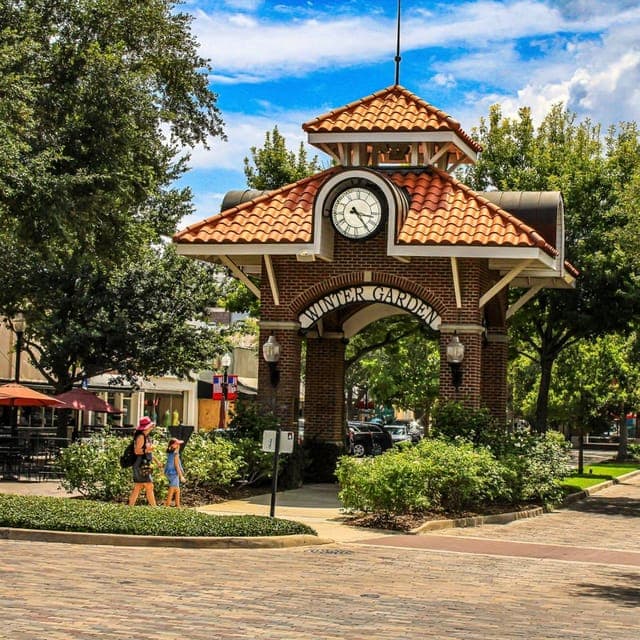
Daily life in Winter Park is defined by its walkable core, Park Avenue. This isn’t a strip mall corridor; it’s a genuine downtown where you’ll find locals grabbing coffee at Barnie’s Coffee & Tea, browsing the independent bookshop, or catching a film at the Enzian Theater, a beloved arthouse cinema that also runs the Florida Film Festival. The average commute of roughly 24 minutes is a realistic trade-off for proximity to Orlando’s jobs—many residents work in healthcare, education at Rollins College, or professional services downtown. The median age of 44.2 reflects a community that’s largely past the party phase; you see more families with strollers and empty-nesters walking dogs than college crowds. Weekends often involve a boat ride on one of the city’s six interconnected lakes, a round of golf at the Winter Park Country Club, or a slow afternoon at the Morse Museum, which houses the world’s most comprehensive collection of Tiffany glass.
Who Fits In: The Affluent, Educated, and Intentionally Local
Winter Park isn’t trying to be for everyone, and that’s part of its character. With a median household income of $98,076 and a cost of living index of 181—nearly double the national average—it’s a place that demands financial comfort. The population of just under 30,000 is highly educated, with 63.6% holding a bachelor’s degree or higher. The kind of person who thrives here values place over square footage: they’d rather have a 1920s bungalow near Park Avenue than a new McMansion in a subdivision. It’s a community of professionals, academics from Rollins College, and retirees who want culture without the snow. Single professionals often find the social scene revolves around civic clubs, charity galas, and the wine bars on Park Avenue rather than nightclubs. Parents are drawn to the public schools, which are among the highest-rated in Central Florida and function as community anchors—PTA meetings and youth soccer games are genuine social hubs.
Sports, Festivals, and the Things That Fill a Calendar
Sports culture here is more collegiate and high school than pro. Rollins College Tars games—especially soccer and basketball—draw a loyal local crowd, and Winter Park High School’s football games on Friday nights are a genuine community event, with tailgating and packed bleachers. For pro sports, residents drive 20 minutes to Orlando City SC (MLS) or the Magic (NBA) games, but that’s a day trip, not a neighborhood fixture. The real energy comes from festivals: the Winter Park Sidewalk Art Festival each March turns Park Avenue into an open-air gallery drawing over 350,000 visitors, and the Bach Festival Society at Rollins has been running for over 80 years. For outdoor life, the Winter Park Chain of Lakes is the centerpiece—kayaking, paddleboarding, and the scenic Scenic Boat Tour are the default weekend activities. The biggest frustration for locals is the traffic on I-4 and US 17-92, which can turn a 15-minute trip to Orlando into a 45-minute slog during rush hour. The violent crime rate of 166.8 per 100,000 is below the national average, but property crime—especially car break-ins near the train station—is a recurring annoyance residents will warn you about.
Pros, Cons, and the Quirks That Define It
- What residents love: The walkable downtown, the lake access, the top-tier schools, and the sense that the town has resisted becoming a generic Orlando suburb. The median home value of $676,800 is steep, but owners see it as an investment in a place that holds its value.
- What frustrates them: The cost of living is the top complaint—renting a one-bedroom apartment near Park Avenue can easily run $2,000+. The SunRail train is a plus for commuting to Orlando, but it’s limited in schedule. Some longtime residents grumble that the town has become too polished, losing a bit of its old Florida funk.
- Cultural quirks: The town has a famously strict sign ordinance—no billboards, no neon, no corporate chain storefronts that clash with the historic aesthetic. Locals take this very seriously. There’s also a quiet but persistent rivalry with nearby Winter Garden and Maitland over who has the better downtown.
Seasonal rhythms are mild: summers are hot and humid (think 90°F with afternoon thunderstorms), but the lake breezes help. Winters are the golden season—crisp 60s and 70s, perfect for outdoor dining. The town empties out a bit during July and August as families flee to the coast, but it’s never dead. For a single professional or parent who values culture, education, and a slower pace, Winter Park offers a rare blend of small-town charm and urban access—if you can afford the price of admission.

Similar towns to Winter Park
* Values derived from national, state, county, city and local statistics and may differ in a specific area. Last updated: 2026-05-13T16:24:03.000Z
Narrative content on this page is AI-generated and may contain mistakes. Verify any details that matter before acting on them.
ReloMaps may earn a commission from affiliate links at no extra cost to you.

