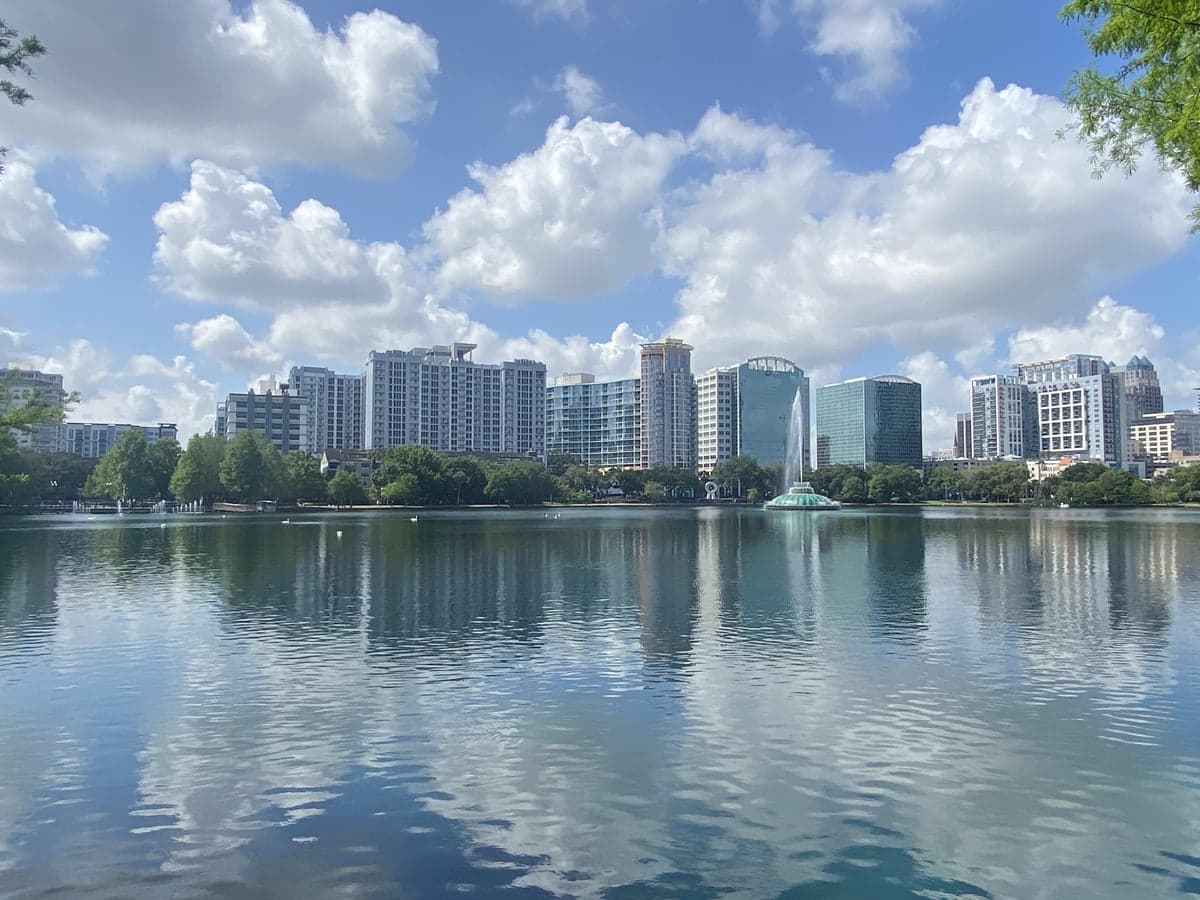
Photo: Wikipedia
Find The Best Places To Live in Orange County
PRO TIP! You can paste a Zillow or Redfin link to get info on that property.
Best Places to Live in Orange County
Cities & Towns in Orange County
Cities in Orange County
What It's Like Living in Orange County, FL
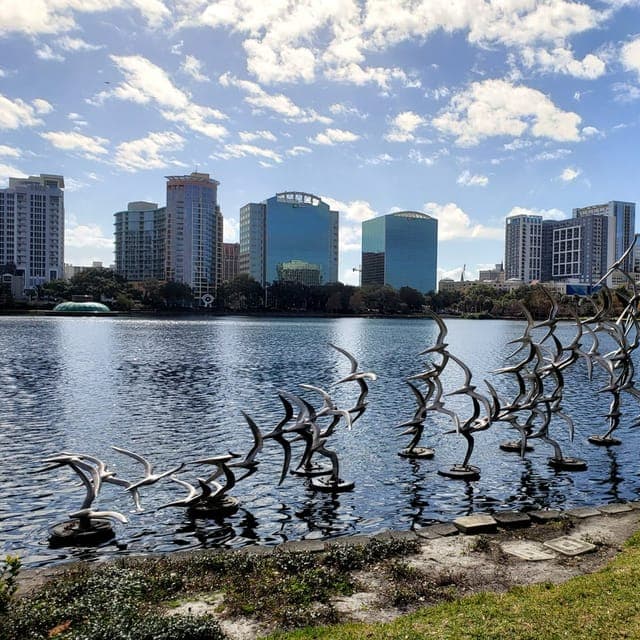
Living in Orange County, Florida, means trading the sleepy, slow-paced Florida of postcards for a fast-growing, constantly-in-motion region where theme parks, suburban sprawl, and rural pockets all coexist under one county government. It’s the core of Central Florida’s economic engine, anchored by Orlando but stretching out to places like Apopka, Winter Garden, Ocoee, and the more rural communities near Christmas and Bithlo. The vibe here is less “retirement paradise” and more “young family starter pack” or “single professional on the climb,” with a median age of 36.4 and a median household income of $77,011 that reflects a workforce heavy on hospitality, healthcare, and tech-adjacent roles.
The Daily Rhythm: Commutes, Schools, and the Theme Park Shadow
For most residents, daily life in Orange County revolves around the commute. The average drive time clocks in at just over 28 minutes, which feels about right for someone living in Avalon Park and working near the airport, or for a family in Windermere heading to a job in downtown Orlando. Traffic on I-4 is a genuine frustration—longtime locals in Winter Park will tell you it’s gotten worse every year since the 1990s—but the trade-off is access to some of the best public schools in the region, particularly in the Dr. Phillips and Lake Nona areas. Schools here are a major community anchor; Friday-night football at Boone High or Olympia High draws real crowds, and the rivalry between Edgewater and Jones High is a point of local pride that predates the theme parks entirely.
What people actually do on a weekend varies wildly by neighborhood. In College Park, you’ll find young professionals brunching at the Stubborn Mule and biking along the Cady Way Trail. In Apopka, families hit the farmers market at the Apopka Amphitheater or spend Saturday at Kelly Park’s Rock Springs Run, tubing down the cold, clear water. In the more rural stretch near Christmas, residents might spend the day at the Orlando Wetlands Park or grabbing a plate at the Christmas Café, a local institution that feels a world away from the Magic Kingdom turnstiles. The theme parks are always there—Universal and Disney are the 800-pound gorillas—but many locals treat them like out-of-town guests: you visit when family comes, not every weekend.
Sports, Entertainment, and the Real Local Hangouts
Sports culture in Orange County is surprisingly layered. The Orlando Magic are the big pro draw, but the real grassroots energy comes from UCF Knights football, which packs the Bounce House on game days and has turned tailgating in the parking lots near the campus into a weekend ritual. High school sports are a bigger deal here than in many parts of the country—Apopka High’s football program is a state powerhouse, and the stands at a game against Dr. Phillips can feel like a community-wide event. For entertainment beyond sports, the Dr. Phillips Center for the Performing Arts in downtown Orlando draws Broadway tours and concerts, while smaller venues like the Plaza Live and the Social in the Milk District host indie bands and local acts. The food scene is genuinely underrated: you can get excellent Vietnamese on Mills Avenue, Cuban sandwiches in the Curry Ford corridor, and a proper steakhouse dinner at Christner’s in Windermere.
What frustrates some longtime residents is the sense that the county’s identity is too tied to tourism. The cost of living index sits at 137, well above the national average, and median home values have climbed to $358,300—a number that feels steep for a region where wages in hospitality and retail haven’t kept pace. The violent crime rate of 166.8 per 100,000 is moderate for a metro area its size, but property crime in tourist-heavy corridors near International Drive can be a headache. Still, the people who thrive here tend to be those who embrace the trade-off: you put up with the traffic and the summer humidity (June through September is brutal, with daily thunderstorms that roll in like clockwork at 3 PM) in exchange for a place where you can own a home, find a job, and raise a family without the sticker shock of Miami or Tampa.
Who Fits In, and Who Doesn’t
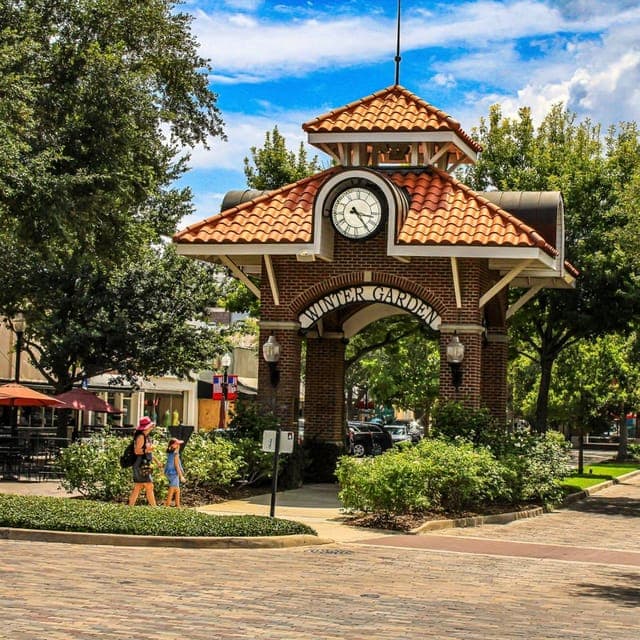
Orange County works best for people who are comfortable with growth and change. If you’re a single professional in your twenties or thirties, the neighborhoods around Thornton Park and the Milk District offer a walkable, bar-hopping social scene that feels more urban than the rest of the county. If you’re a parent, the suburbs of Winter Garden and Lake Nona are built around new schools, parks, and planned communities where kids can bike to the pool. The conservative-leaning audience this site serves will find plenty of like-minded neighbors in the western parts of the county—Ocoee and Winter Garden lean more traditionally conservative than the urban core—and the local political climate is a genuine mix, with the county itself swinging blue in recent elections but the outlying areas holding red.
The quirks of living here are part of the charm. There’s a tradition of “Florida Man” stories that locals just shrug at. The weather dictates everything: from November through April, it’s paradise—low humidity, sunny, perfect for outdoor festivals like the Winter Park Sidewalk Art Festival or the Apopka Blueberry Festival. Then summer hits, and you learn to live with air conditioning and the sound of afternoon thunder. The biggest pro, honestly, is the sheer variety of life within one county: you can live on a lake in Windermere, own acreage near Christmas, or rent a downtown apartment in Orlando, and still say you live in Orange County. The biggest con is that the infrastructure hasn’t caught up to the population, and that commute time is likely to get longer before it gets better.

* Values derived from national, state, county, city and local statistics and may differ in a specific area. Last updated: 2026-05-08T23:18:01.000Z
Narrative content on this page is AI-generated and may contain mistakes. Verify any details that matter before acting on them.
ReloMaps may earn a commission from affiliate links at no extra cost to you.

