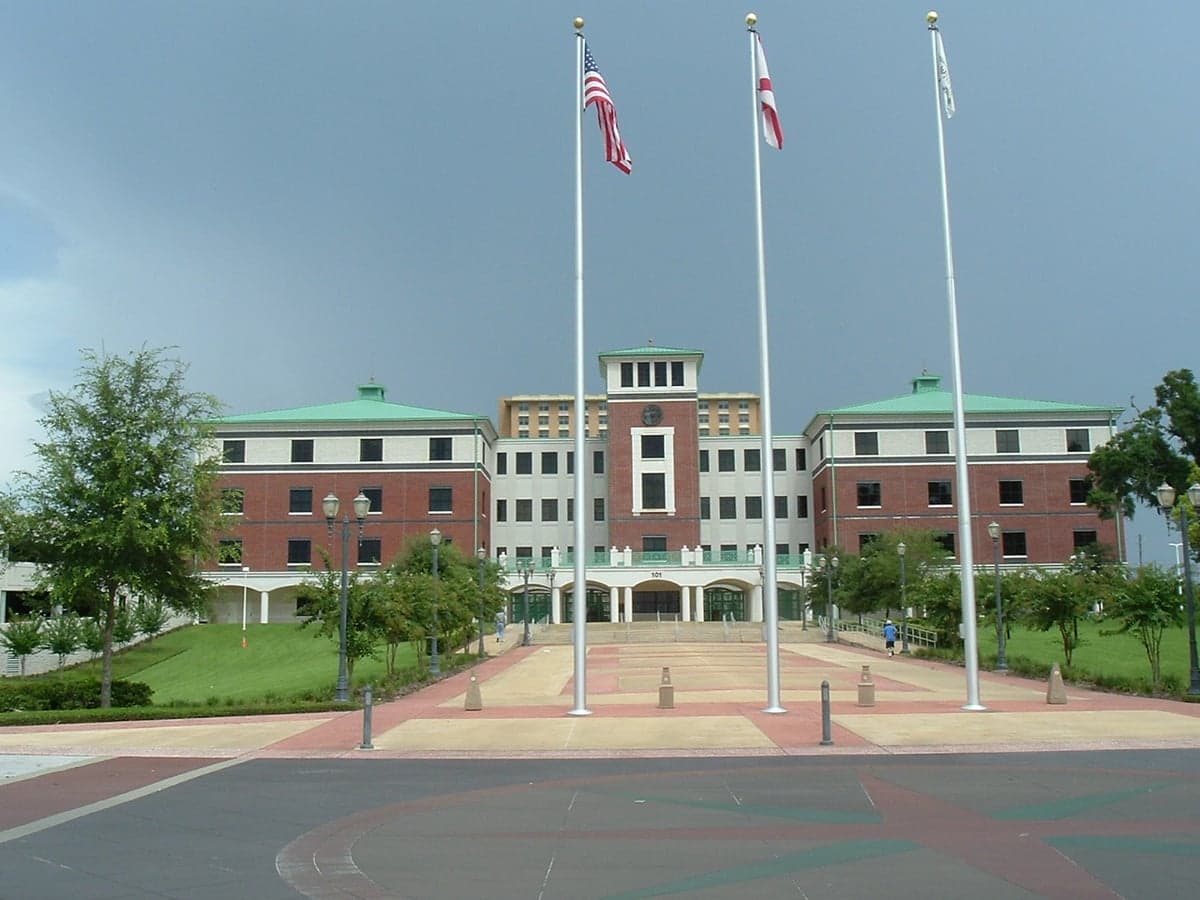
Photo: Wikipedia
Find The Best Places To Live in Volusia County
PRO TIP! You can paste a Zillow or Redfin link to get info on that property.
Best Places to Live in Volusia County
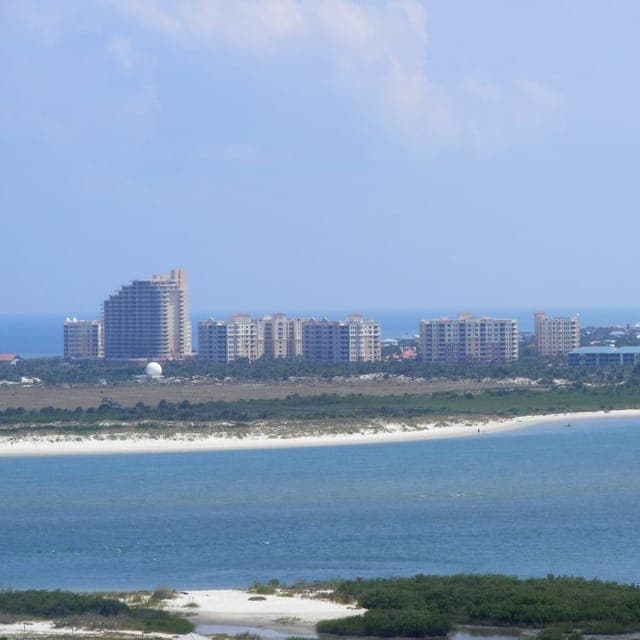
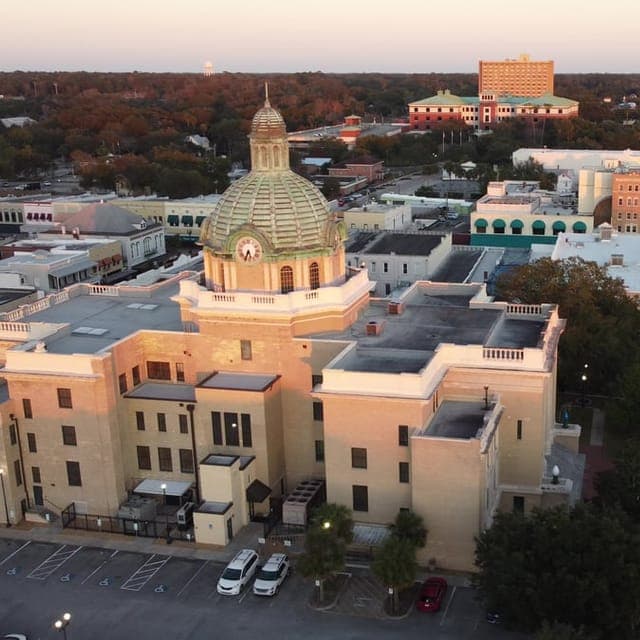
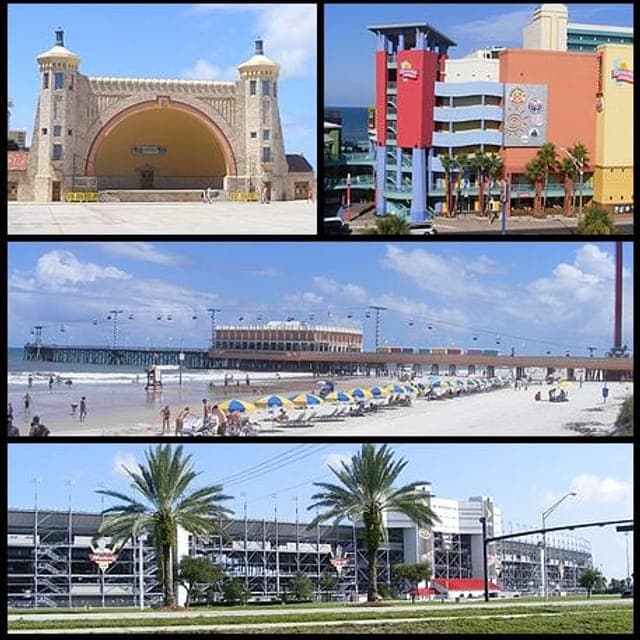
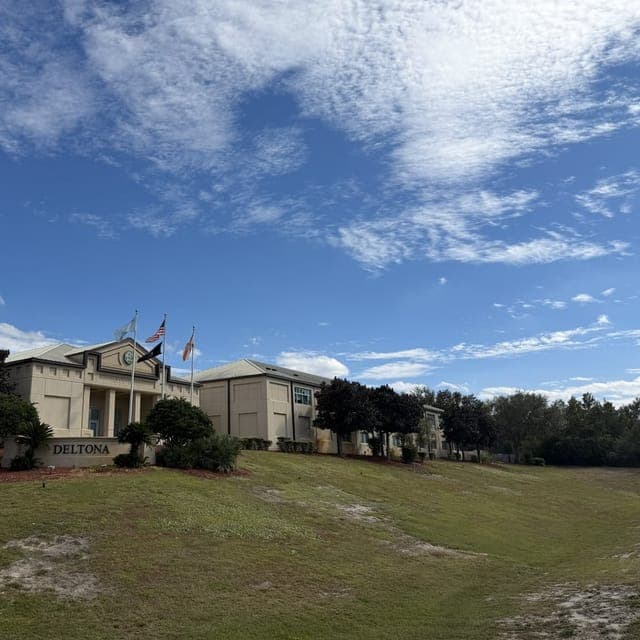
Cities & Towns in Volusia County
Cities in Volusia County
What It's Like Living in Volusia County, FL
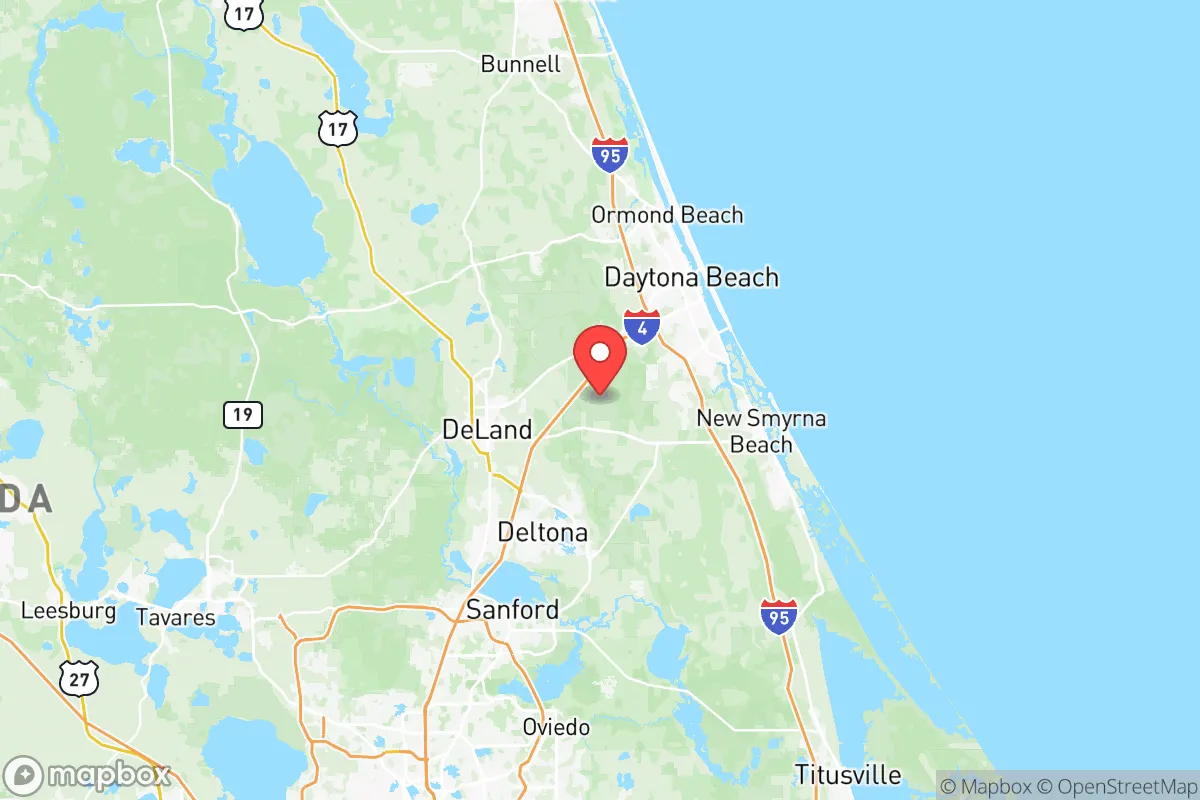
Living in Volusia County means straddling two distinct worlds: the Atlantic coast’s tourist-driven energy and the St. Johns River’s slow, swampy quiet. You get Daytona Beach’s biker rallies and spring break chaos, but also the oak-shaded streets of DeLand and the rural cattle pastures of Pierson. It’s a place where a retiree in New Smyrna Beach, a family in Port Orange, and a college student at Embry-Riddle in Daytona Beach all call the same county home, but experience it completely differently.
Daily Rhythm: Beach Town Meets Small-Town Pace
Most mornings here start with a decision: take the beachside route or the inland highway. In Daytona Beach, the day kicks off with surfers at the pier and the rumble of Harley-Davidsons on International Speedway Boulevard. In Port Orange, it’s more about dropping kids at Spruce Creek Elementary and grabbing coffee at a strip-mall café. The county’s median age of 46.6 skews older, but that number hides the family-heavy pockets of Ormond Beach and the college-town energy of DeLand, home to Stetson University. Commutes average about 27 minutes, which feels reasonable until you’re stuck behind a snowbird on A1A during peak season. The cost of living index sits at 110 (slightly above the national average), with a median home value of $278,000 — still attainable for a young family, but climbing fast in beach-adjacent neighborhoods.
Sports & Community: More Than Just a Race Track
Let’s get the obvious out of the way: Daytona International Speedway is the county’s heartbeat. The Daytona 500 in February is a quasi-holiday, and locals either embrace the noise or plan vacations to escape it. But high school football is the real religion here. Friday nights at Mainland High School in Daytona Beach or DeLand High School draw crowds that rival small college games. The Daytona Tortugas (minor-league baseball) offer cheap summer nights at Jackie Robinson Ballpark, and the Embry-Riddle Eagles bring a surprising level of college sports energy to a town better known for motorcycles. For the outdoorsy type, the Tomoka State Park in Ormond Beach and the Canaveral National Seashore near New Smyrna Beach are where locals actually go to escape the tourist crowds — kayaking through mangrove tunnels beats fighting for beach parking any day.
What’s There to Do: Festivals, Food, and the Quirks of County Life
Volusia County doesn’t do subtle. Bike Week in March turns Daytona Beach into a leather-and-chrome city of 500,000 visitors. New Smyrna Beach hosts the Images: A Festival of the Arts, which is more your canvas-and-chardonnay crowd. DeLand has its Fall Festival of the Arts on Woodland Boulevard, where the town shuts down for a weekend of craft booths and live music. Food is a mixed bag: you’ll find excellent Cuban sandwiches at Don Vito’s in New Smyrna, fresh-off-the-boat seafood at Down the Hatch in Ponce Inlet, and surprisingly good barbecue at 4 Rivers Smokehouse in Port Orange. The cultural quirk? Volusia County is deeply suspicious of chain restaurants — locals will drive 30 minutes for a hole-in-the-wall oyster bar before they’ll hit a Red Lobster. The Ponce de Leon Inlet Lighthouse is a genuine landmark, and the Marine Science Center in Ponce Inlet is where families go when they’re tired of sand.
Pros and Cons of Living Here: The Honest Trade-Offs
Longtime residents love the lack of state income tax and the fact that you can own a home on a median income of $66,581 without being house-poor. They love that New Smyrna Beach feels like a small fishing village even as it grows, and that DeLand retains its historic downtown charm. What frustrates them? The violent crime rate of 206.6 per 100,000 — higher than the national average, concentrated mostly in Daytona Beach’s core. Traffic on I-4 between Daytona and Deltona is a genuine headache, especially during snowbird season (October through April). The hurricane season from June to November is a real concern — Hurricane Ian in 2022 flooded parts of Edgewater and New Smyrna Beach, and locals take storm prep seriously. Schools are a mixed bag: Spruce Creek High School in Port Orange is consistently strong, while rural schools in Pierson struggle with funding. The 27.2% college-educated rate reflects the county’s blue-collar and service-industry backbone — you’ll find plenty of welders and hotel managers alongside the remote workers and retirees.

* Values derived from national, state, county, city and local statistics and may differ in a specific area. Last updated: 2026-05-28T05:44:06.000Z
Narrative content on this page is AI-generated and may contain mistakes. Verify any details that matter before acting on them.
ReloMaps may earn a commission from affiliate links at no extra cost to you.

