Photo: Wikipedia
Find The Best Places To Live
in Daytona Beach
PRO TIP! You can paste a Zillow or Redfin link to get info on that property.
What It's Like Living in Daytona Beach, FL
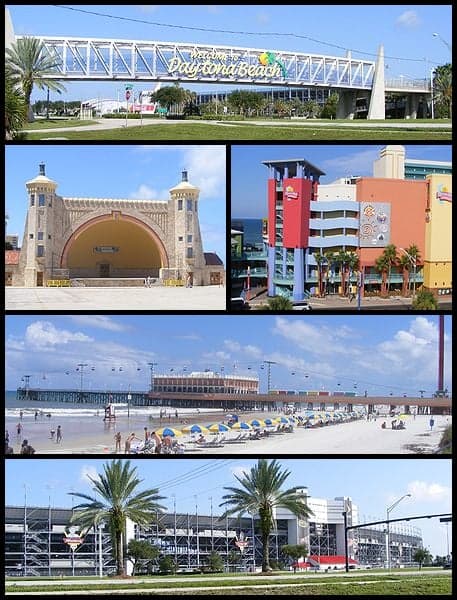
Daytona Beach has a split personality that somehow works. By day, it’s a working-class beach town where the smell of salt air mixes with the rumble of Harleys and the distant roar of engines from the Speedway. By night, it’s a quieter, older community where families grab ice cream on the boardwalk and locals know exactly which seafood spot won’t be overrun by tourists. With about 76,000 residents, it’s big enough to have a real downtown and a hospital, but small enough that you still wave at neighbors you recognize at the Publix.
The Daily Rhythm: Beach, Speedway, and the In-Between
Most people here don’t live the postcard life. The average commute is just 21 minutes, which means you can live a mile from the ocean and still get to work without fighting interstate traffic. The median income sits around $50,130, so this isn’t a place of wealth—it’s a place of tradespeople, hospitality workers, nurses, and remote workers who traded a higher salary for a shorter drive to the sand. You’ll find folks grabbing breakfast at Our Deck Down Under before heading to a shift at Halifax Health or Embry-Riddle, then hitting the beach for a sunset walk. Weekends often mean fishing off the pier, a Daytona Tortugas minor league baseball game, or a slow afternoon at Daytona Taproom on Beach Street, where the crowd skews local and the conversation is about the weather, the tourists, or the next race.
The weather shapes everything. Summers are hot, humid, and punctuated by afternoon thunderstorms that clear the beach by 3 p.m. Winters are mild enough that you can wear shorts in January, but the “cold” months (December–February) bring a noticeable drop in crowds and a rise in locals-only restaurant specials. Hurricane season (June–November) is a real concern—most longtime residents have a plan, a generator, and a story about a storm that flooded their street. The schools are a mixed bag; Volusia County public schools get average ratings, and many parents who can afford it look into private options or the charter schools near the university area.
Sports & Community: More Than Just a Race Track
Yes, the Daytona International Speedway is the 800-pound gorilla. It draws 100,000+ people for the Daytona 500 in February and the Coke Zero Sugar 400 in August, and those race weeks completely transform the city—traffic jams, packed restaurants, and a carnival atmosphere. But locals also rally behind Embry-Riddle Aeronautical University sports (the Eagles have a passionate following in soccer and baseball) and the Daytona Tortugas, a Cincinnati Reds affiliate that plays at Jackie Robinson Ballpark—a historic field where Robinson himself once played. High school football is a big deal here, especially at Mainland High and Seabreeze High, where Friday night games draw hundreds of parents, alumni, and neighbors. If you’re not into racing or baseball, you might feel a bit left out during Speedweeks, but the community is small enough that you’ll find your niche—whether it’s the Halifax River Yacht Club crowd or the surfers at Ponce Inlet.
What’s There to Do: Festivals, Food, and the Outdoors
Daytona Beach punches above its weight for entertainment. The Daytona Beach Bandshell hosts free concerts on the beach all summer, and the Bike Week and Biketoberfest rallies bring hundreds of thousands of motorcycle enthusiasts twice a year—love it or hate it, it’s a defining local event. For quieter weekends, there’s Tomoka State Park for kayaking through mangrove tunnels, the Marine Science Center in Ponce Inlet, and the Museum of Arts and Sciences with its impressive Cuban art collection. Food-wise, locals swear by The Garlic for Italian, Hog Heaven for barbecue, and Ocean Deck for beachfront drinks and live reggae. The boardwalk area can feel touristy and a little worn, but it’s still a rite of passage for families with kids—mini golf, arcades, and the giant Skycoaster.
Pros and Cons of Living Here
What locals love: The beach is free and never feels crowded outside of spring break. The cost of living is right at the national average (index of 99), and home values are still reasonable—median home price is $244,300, which is affordable compared to coastal Florida cities like Miami or Tampa. The community is genuinely friendly; people look out for each other, and there’s a strong sense of local pride, especially around the Speedway and the university. The weather is warm enough for outdoor activities year-round, and the lack of state income tax is a real draw for remote workers and retirees.
What frustrates them: The violent crime rate (166.8 per 100,000) is below the national average, but property crime—especially theft from cars and beachside break-ins—is a persistent annoyance. The tourist season can be overwhelming; traffic on A1A and International Speedway Boulevard grinds to a halt during race weeks and spring break. The job market is heavily tilted toward hospitality and retail, so professionals in tech, finance, or healthcare often commute to Orlando (about an hour west) or work remotely. The median age is 39.8, which means it’s not a young party town, but it’s also not a retirement haven—it’s a middle-aged, middle-income community that values stability over flash.
The cultural quirk: Daytona Beach has a proud, slightly gritty identity. It’s not trying to be a luxury resort—it’s a place where you can buy a beer at a dive bar, watch the sunset over the Halifax River, and still afford to live a block from the ocean. The people who thrive here are the ones who don’t need constant novelty, who appreciate a slow pace, and who don’t mind sharing their town with half a million bikers twice a year.

Similar small cities to Daytona Beach
* Values derived from national, state, county, city and local statistics and may differ in a specific area. Last updated: 2026-04-24T12:29:37.000Z
Narrative content on this page is AI-generated and may contain mistakes. Verify any details that matter before acting on them.
ReloMaps may earn a commission from affiliate links at no extra cost to you.

