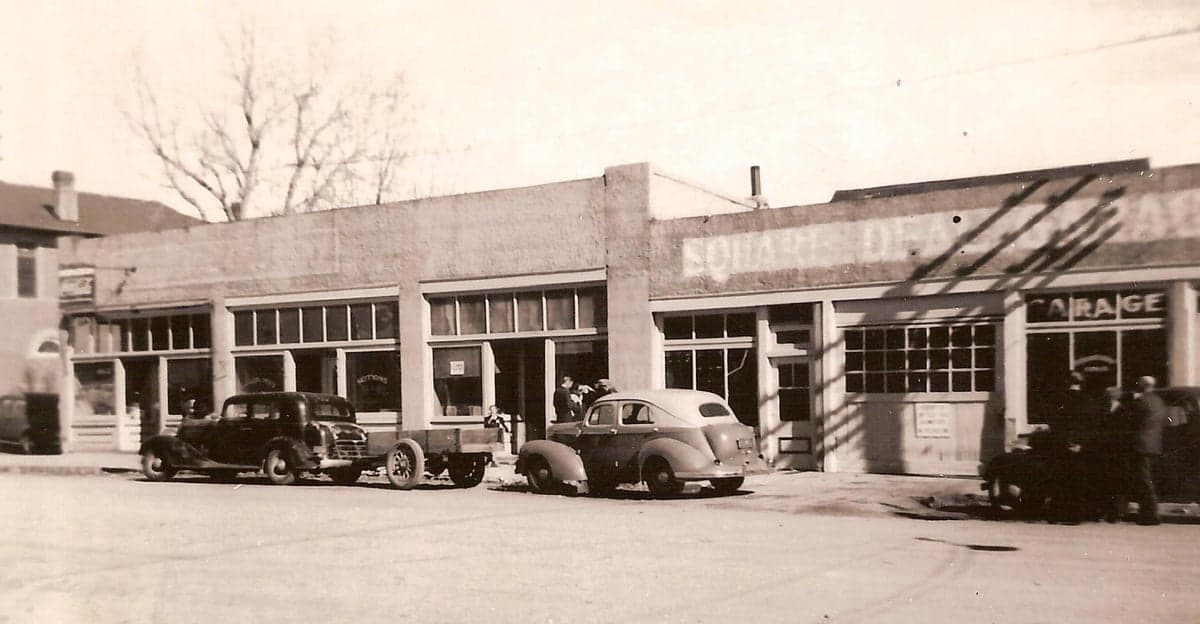
Photo: Wikipedia
Strategic Assessment of Fountain, CO
Multiple tactical vulnerabilities. Population density, target proximity, or disaster risk are likely compounding. A retreat property and exit planning is required.
What does the Strategic Assessment tell us?
Our Strategic Assessment grades tactical survivability of an area. Major population centers, military targets, fallout zones, natural disasters, and border exposure all drive risk — lower exposure means a more defensible position in a crisis.
This is heavily inspired by Joel Skousen's Strategic Relocation book. Highly recommended you checkout the book ($)What does this tell us?
Our Strategic Assessment grades tactical survivability of an area. Major population centers, military targets, fallout zones, natural disasters, and border exposure all drive risk — lower exposure means a more defensible position in a crisis.
This is heavily inspired by Joel Skousen's Strategic Relocation book. Highly recommended you checkout the book ($)Strategic Pillars

Key Distances
Regional Safe Places
Below is our recommended "safe zones" in Colorado and the surrounding area based on our strategic heuristics. For most people, it's unrealistic to live in a “safe zone” full-time due to work, family or other personal reasons. They tend to be more rural. However, many of these areas are perfect for second homes and retreat properties that double as a vacation home or even a short-term rental.
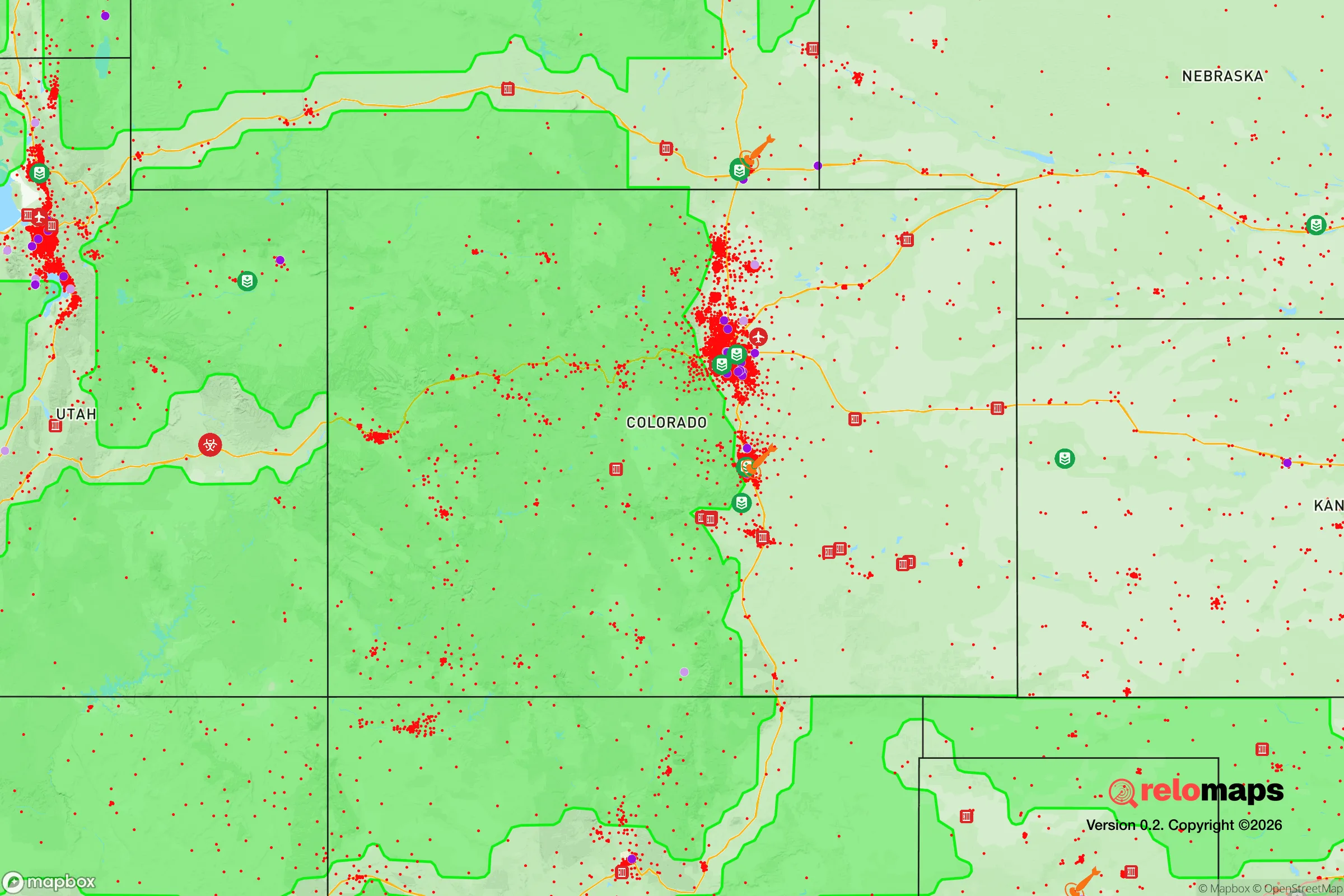
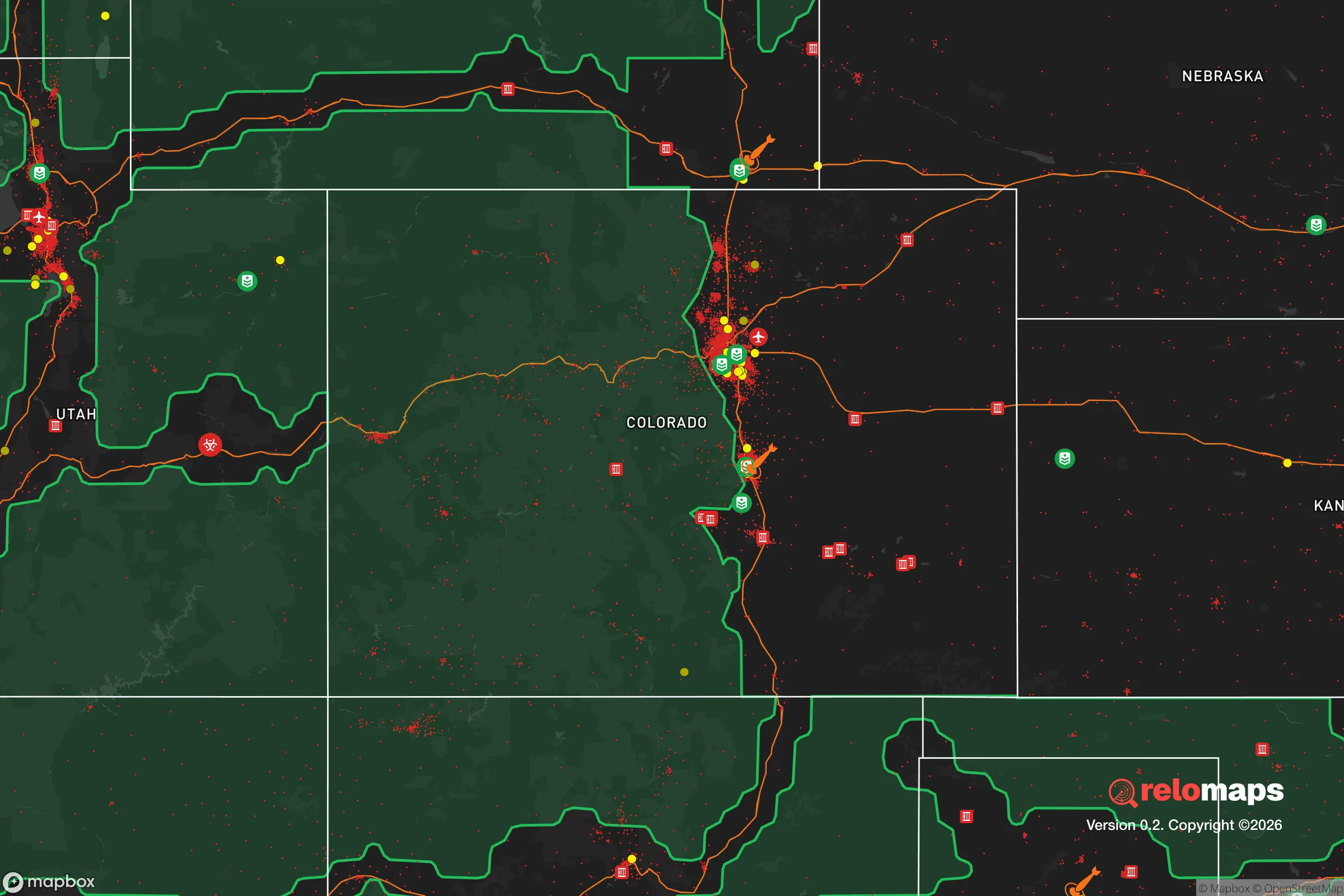


Important Note: For informational purposes only. This does not mean nothing bad ever happens in the green zones. Please use common sense. This is based on public data and modeled with AI. We tried to take a conservative approach but mistakes happen. We update this regularly as new information becomes available.
Solar Generator Recommendations
Backup power matters more here than in safer locations. We've picked three solar generators across budgets and capacity tiers — start with the budget unit if you only need a few essentials, or step up if you want to run a fridge and HVAC for days at a time.

Jackery Portable Power Station Explorer 300
Budget OptionPower on the Go: Weighing only 11 lbs, it's convenient to set up and store with book-sized foldable solar panels

BLUETTI Portable Power Station AC180
Designed for both indoor and outdoor scenarios, AC180 is highly capable as it has a robost capacity and continuous output power.

EF ECOFLOW DELTA Pro Ultra Power Station
Upgraded PickEcoFlow DELTA Pro Ultra is a whole-home energy system designed to grow with your family. Integrated with the Smart Home Panel 2, it scales to meet your evolving energy needs — keeping your home powered, intelligent, and secure through every stage of life.
We earn a commission, at no additional cost to you.
Strategic Assessment Analysis
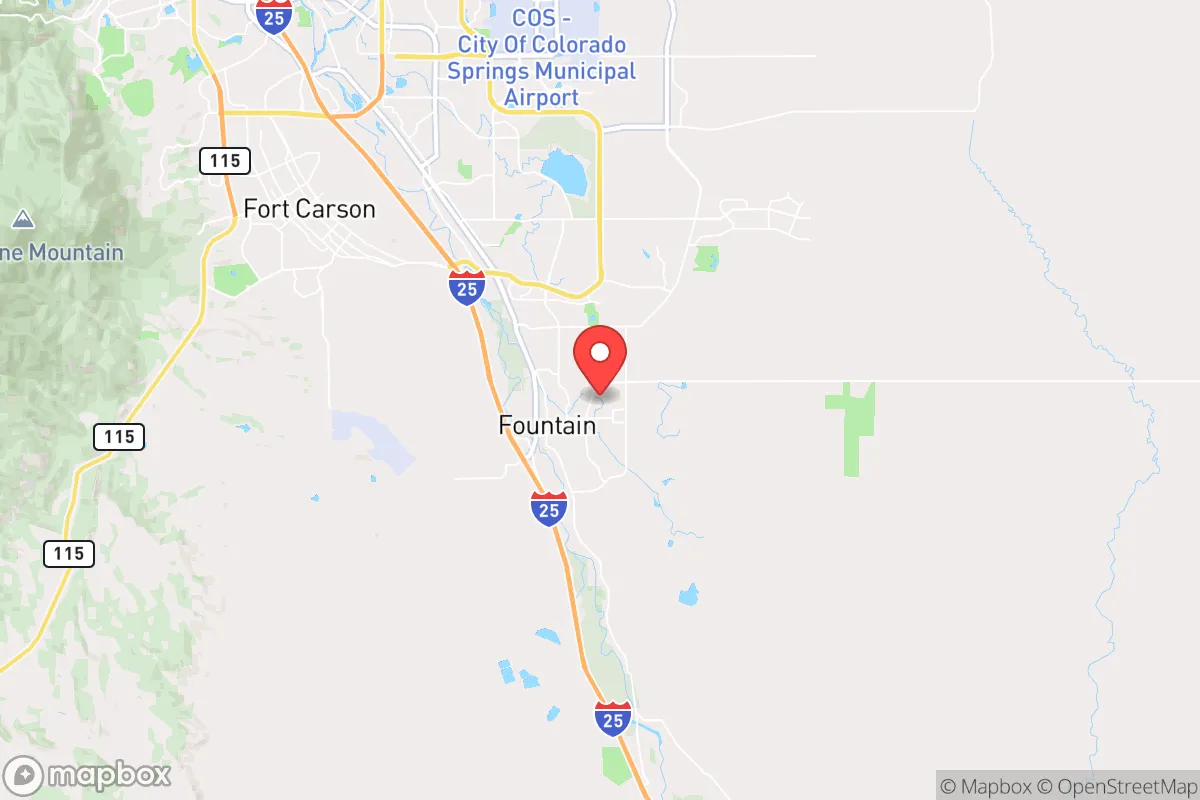
Fountain, Colorado, sits at a strategic intersection of resilience and exposure, offering a mix of geographic advantages and proximity risks that demand careful consideration for anyone serious about long-term preparedness. Located roughly 20 miles south of Colorado Springs and 100 miles south of Denver, this community of around 35,000 occupies a corridor that is both a potential chokepoint and a buffer zone. For a conservative-leaning relocator with a survivalist mindset, Fountain’s position near the Front Range urban corridor provides access to resources while forcing a hard look at what happens when those corridors become liabilities during civic unrest or a major disaster.
Geographic position and natural advantages for long-term survival
Fountain’s location along the I-25 corridor is a double-edged sword, but its natural setting offers genuine defensive and resource advantages. The city sits at the base of the Rocky Mountains, with the Front Range rising to the west and the high plains stretching east. This terrain provides natural barriers—the mountains limit approach from the west, and the open plains to the east offer long sightlines for anyone watching for threats. The Arkansas River watershed is within reasonable distance, and the area’s semi-arid climate means fewer flood risks than wetter regions, though water availability is a constant concern. The elevation—around 5,500 feet—reduces the risk of airborne contaminants settling as heavily as in lower basins, a factor worth noting for fallout scenarios. The nearby Pikes Peak region also offers potential retreat options into higher, more defensible terrain if Fountain itself becomes untenable. For a prepper, the ability to move west into the mountains or east onto the plains gives strategic flexibility that denser urban centers lack.
Risks, exposures, and proximity to fallout-relevant landmarks
The most significant vulnerability for Fountain is its proximity to high-value targets along the Front Range. Colorado Springs, just 20 miles north, hosts Peterson Space Force Base, Schriever Space Force Base, and the U.S. Air Force Academy—all potential primary or secondary targets in a conflict involving strategic assets. Cheyenne Mountain, the hardened NORAD facility, is roughly 30 miles northwest. In a mass casualty event or nuclear exchange, Fountain sits within the blast and fallout radius of these installations, depending on yield and wind patterns. The I-25 corridor itself is a likely chokepoint for evacuation or military movement, meaning Fountain could become a bottleneck for both fleeing civilians and incoming security forces. Additionally, the city is near the Fountain Creek watershed, which could carry contaminated runoff from upstream targets. The Denver metro area, 100 miles north, is a major population and logistics hub that would likely see secondary effects—riots, supply chain collapse, or refugee flows—that would ripple south. For a survivalist, the calculus is clear: Fountain offers some buffer from the worst of urban chaos, but not enough to be considered remote or safe from direct fallout risks.
Practical resilience for a relocator: food, water, energy, and defensibility
For someone moving to Fountain with a prepper mindset, the practicalities of daily survival require honest assessment. Water is the most critical concern. Fountain relies on a combination of groundwater and surface water from the Arkansas River basin, but the region is in a long-term drought cycle. Municipal supplies are vulnerable to contamination or disruption; a well on private property is a significant advantage, but drilling depths can exceed 300 feet in some areas, and water rights are complex. Food production is feasible but not easy. The growing season is short—roughly 120 days—and the soil is alkaline and rocky. Raised beds, greenhouses, and drought-tolerant crops like amaranth or millet are practical. Local agriculture exists but is not abundant; the nearest reliable food sources are in the Arkansas Valley to the east, which could be cut off. Energy resilience is mixed. Solar potential is excellent—over 300 sunny days per year—but grid reliability in the area is average, with occasional outages from winter storms or summer wildfires. Defensibility is moderate. Fountain’s layout is suburban, with cul-de-sacs and open spaces that can be monitored, but it lacks the natural chokepoints of a mountain town. A rural property on the outskirts, with a clear view of approach routes, offers better security. The local gun culture is strong, and El Paso County has a reputation for Second Amendment support, which matters for both self-defense and community resilience. Medical infrastructure is a weak point. The nearest major hospital is in Colorado Springs; Fountain has a small clinic and urgent care, but trauma care or prolonged treatment would require travel north—exactly the direction that could be compromised.
The overall strategic picture for Fountain is one of calculated trade-offs. It is not a remote survival redoubt, nor is it a high-risk urban core. For a conservative relocator who values community, access to the mountains, and a buffer from the worst of Front Range chaos, it offers a viable middle ground—provided you are honest about its vulnerabilities. The key is to treat Fountain as a base camp, not a final retreat. Have a plan for moving west into the mountains if the corridor becomes contested. Stockpile water and filtration, invest in off-grid energy, and build relationships with neighbors who share your mindset. The area’s growth—Fountain has seen steady population increases—means it will attract more attention over time, both from developers and from those fleeing Denver. If you can secure a property with a well, good solar exposure, and defensible access, Fountain can work as a long-term position. But do not mistake its suburban comfort for true isolation. In a crisis, the I-25 corridor will become a liability, and your survival will depend on how well you’ve prepared to either hold ground or move quickly into the high country.

* Values derived from national, state, county, city and local statistics and may differ in a specific area. Last updated: 2026-04-25T07:48:17.000Z
Narrative content on this page is AI-generated and may contain mistakes. Verify any details that matter before acting on them.
ReloMaps may earn a commission from affiliate links at no extra cost to you.

