
Photo: Wikipedia
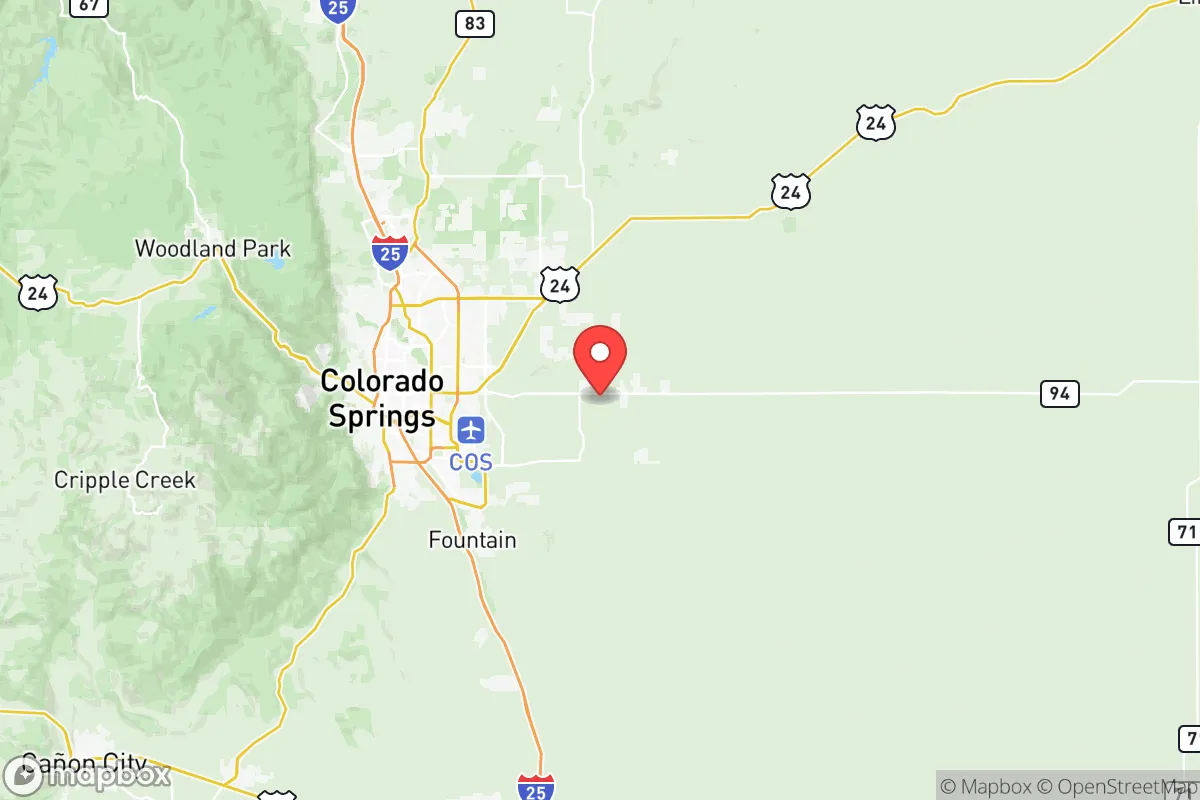
Find The Best Places To Live in El Paso County
PRO TIP! You can paste a Zillow or Redfin link to get info on that property.
Best Places to Live in El Paso County
Cities & Towns in El Paso County
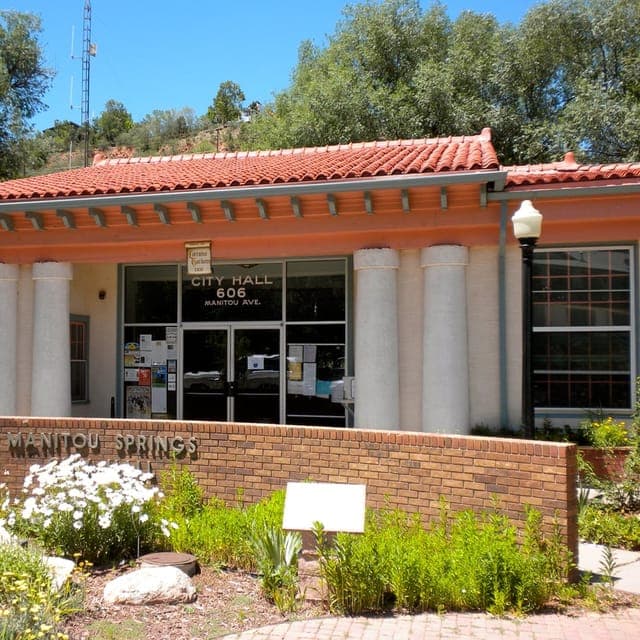
Cities in El Paso County
What It's Like Living in El Paso County, CO
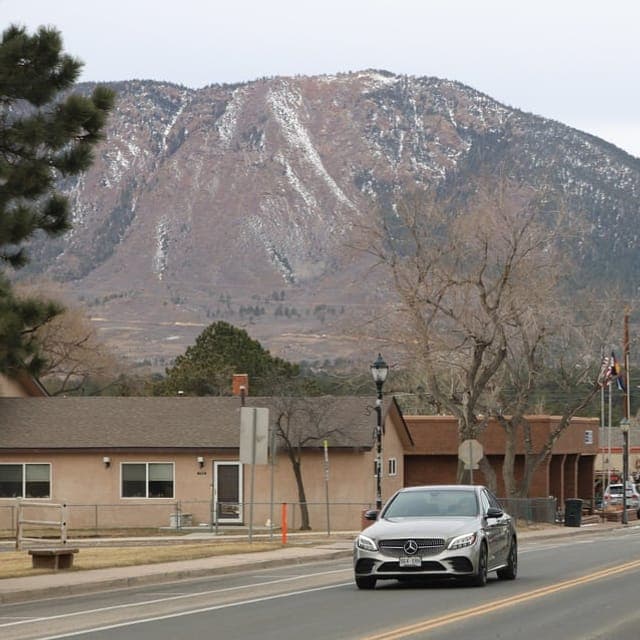
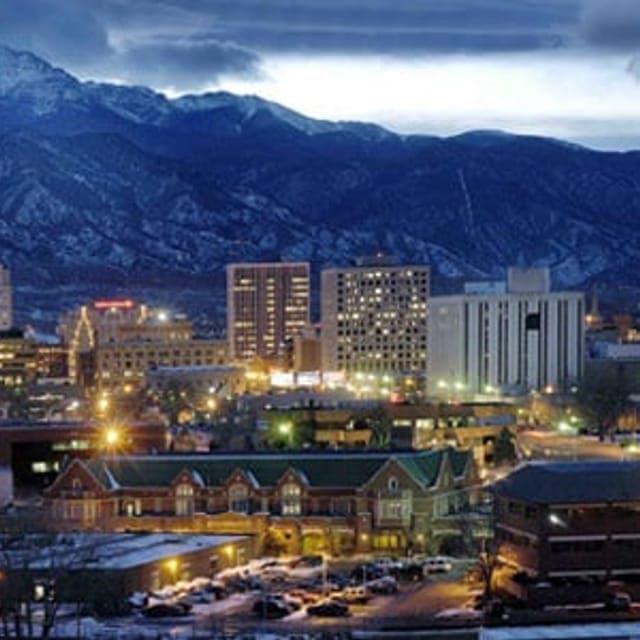
Living in El Paso County, Colorado, feels a bit like being part of a sprawling, high-altitude small town that happens to have a major city at its center. The county, anchored by Colorado Springs but stretching out to places like Monument, Falcon, and the rural stretches near Peyton and Calhan, has a distinct identity that balances a strong military presence, a deeply rooted conservative culture, and an almost obsessive love for the outdoors. It’s a place where people tend to wave at neighbors, where Friday night lights are a genuine event, and where the mountains aren’t just a backdrop—they’re a daily invitation.
The Daily Rhythm: Work, Commute, and the Pikes Peak Effect
For most people, the day starts early. The average commute clocks in at just over 23 minutes, which is manageable, though the traffic on I-25 between Colorado Springs and Monument can feel like a parking lot during rush hour. Many residents work at one of the county’s major employers: Fort Carson, Peterson Space Force Base, or Schriever Air Force Base. Others fill roles in the growing healthcare and tech sectors, with companies like Progressive Insurance and Verizon having a notable presence. The median household income sits at $87,470, which goes further here than in Denver, but the cost of living index of 144 (well above the national average) means housing isn’t cheap. The median home value of $431,000 is a reality check for newcomers expecting Colorado bargains. After work, the rhythm shifts. In Colorado Springs, you’ll find people grabbing a beer at Bristol Brewing Company or catching a show at the Black Sheep. In Monument, the scene is quieter—families hitting the trails at Monument Valley Park or grabbing dinner at the popular Over Easy breakfast spot. In Falcon, life revolves around the school and the local rec center.
Sports, Community, and the Local Identity
Sports are a big deal here, but not in the way you might expect. There’s no major pro team in the county, but the Colorado Springs Switchbacks FC (USL soccer) draws a passionate, family-friendly crowd at Weidner Field in downtown. High school football is the real heartbeat. On a Friday night in the fall, you’ll see the stands packed at Pine Creek High School in Colorado Springs or Lewis-Palmer High School in Monument. The Air Force Falcons (NCAA Division I) are the closest thing to a local college team, and their hockey games are a surprisingly big draw. The community identity is heavily shaped by the military and a strong sense of self-reliance. You’ll see “Keep Colorado Springs Weird” bumper stickers next to “Don’t Tread on Me” flags. The culture is polite but direct—people will hold the door for you, but they won’t pretend to be your best friend. The median age of 35 reflects a population that’s young enough to be active but settled enough to care about school districts and property values.
What’s There to Do: From the Broadmoor to the Backcountry
Weekends are where El Paso County really shines. The obvious draw is Pikes Peak, and the Pikes Peak International Hill Climb is a bucket-list event for car enthusiasts. But daily life offers more accessible escapes: hiking the Barr Trail, biking the Santa Fe Regional Trail, or simply driving up to the summit for a sunrise. For a more polished outing, the Broadmoor resort in Colorado Springs offers golf, fine dining, and the historic Penrose Room. Festivals are a staple. The Pikes Peak or Bust Rodeo in July is a genuine Western tradition, and the Colorado Springs Labor Day Lift Off fills the sky with hot air balloons. For nightlife, the Old Colorado City historic district has a string of bars and breweries—try the Red Leg Brewing Company for a military-themed taproom. In the smaller towns, the social scene is more about church groups, community potlucks, and the local library. The Falcon Fire Department’s annual pancake breakfast is a surprisingly big deal in the eastern part of the county.
Pros and Cons of Living Here: The Honest Trade-Offs
Longtime residents love the access to nature, the strong sense of community, and the fact that you can still find a quiet stretch of land in places like Peyton or Calhan. The schools are a major draw—Academy District 20 and Lewis-Palmer School District 38 are consistently rated among the best in the state. The conservative political climate is a feature, not a bug, for many in the target audience. But there are real frustrations. The violent crime rate of 405.4 per 100,000 is a legitimate concern, particularly in parts of Colorado Springs near the downtown core. Property crime is also an issue, with car break-ins and package thefts being common complaints on Nextdoor. The weather is another trade-off: 300 days of sunshine sound great, but the dry air, wildfire risk, and occasional blizzards that shut down I-25 are part of the package. Traffic on the north-south corridor is a daily grind, and the cost of living, while lower than Denver, still squeezes middle-class families. The 41.1% college-educated rate means the workforce is skilled, but it also means competition for good jobs is real. Ultimately, El Paso County works best for people who value space, outdoor recreation, and a slower pace—and who don’t mind trading a bit of urban convenience for a view of the mountains every single day.

* Values derived from national, state, county, city and local statistics and may differ in a specific area. Last updated: 2026-05-12T01:29:57.000Z
Narrative content on this page is AI-generated and may contain mistakes. Verify any details that matter before acting on them.
ReloMaps may earn a commission from affiliate links at no extra cost to you.

