 Popular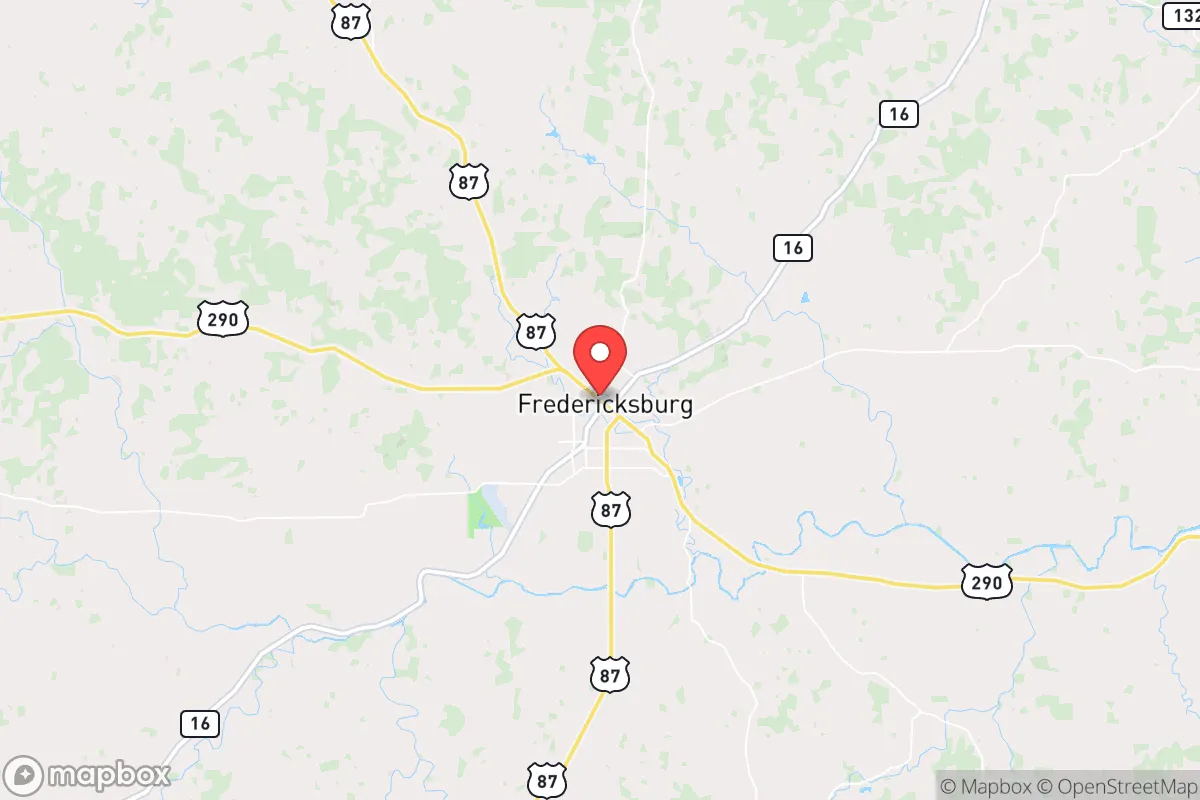
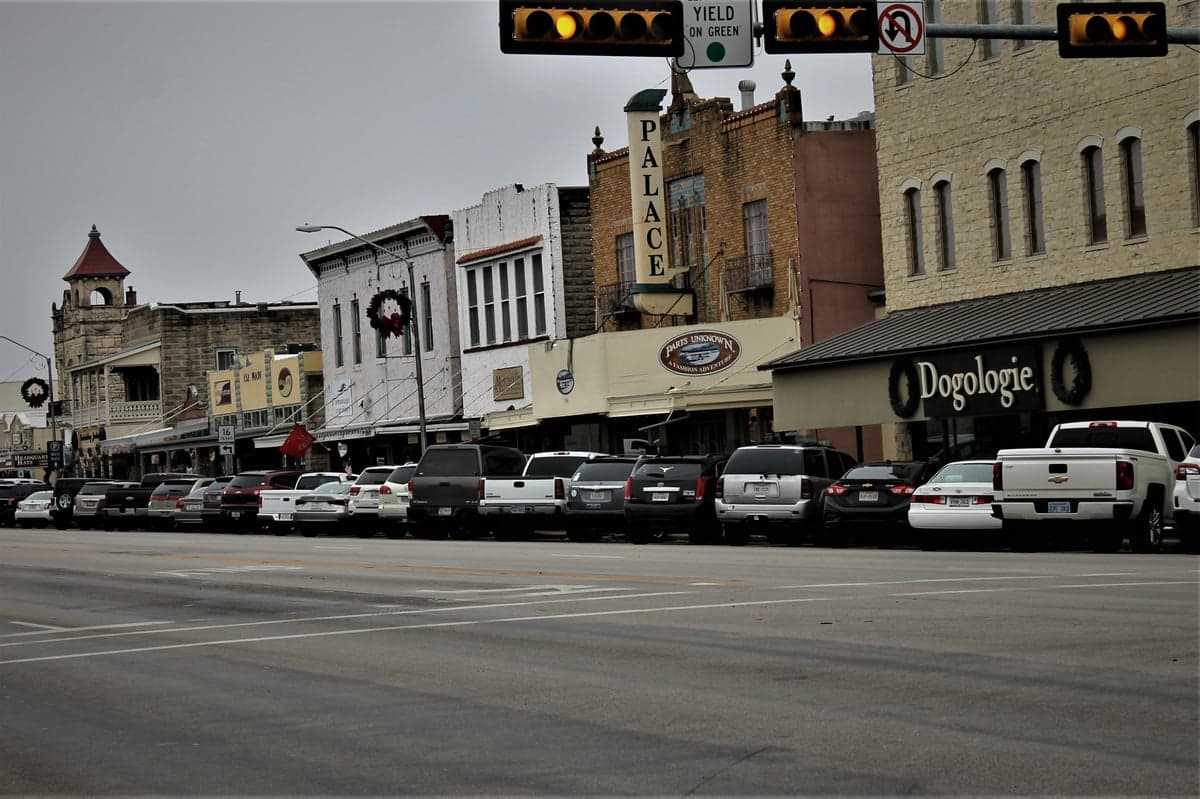
Photo: Wikipedia
Strategic Assessment of Fredericksburg, TX
Meaningful friction. Expect exposure to either population pressure, blast zones, or natural disaster risk. Consider buying a retreat property.
What does the Strategic Assessment tell us?
Our Strategic Assessment grades tactical survivability of an area. Major population centers, military targets, fallout zones, natural disasters, and border exposure all drive risk — lower exposure means a more defensible position in a crisis.
This is heavily inspired by Joel Skousen's Strategic Relocation book. Highly recommended you checkout the book ($)What does this tell us?
Our Strategic Assessment grades tactical survivability of an area. Major population centers, military targets, fallout zones, natural disasters, and border exposure all drive risk — lower exposure means a more defensible position in a crisis.
This is heavily inspired by Joel Skousen's Strategic Relocation book. Highly recommended you checkout the book ($)Strategic Pillars

Key Distances
Regional Safe Places
Below is our recommended "safe zones" in Texas and the surrounding area based on our strategic heuristics. For most people, it's unrealistic to live in a “safe zone” full-time due to work, family or other personal reasons. They tend to be more rural. However, many of these areas are perfect for second homes and retreat properties that double as a vacation home or even a short-term rental.

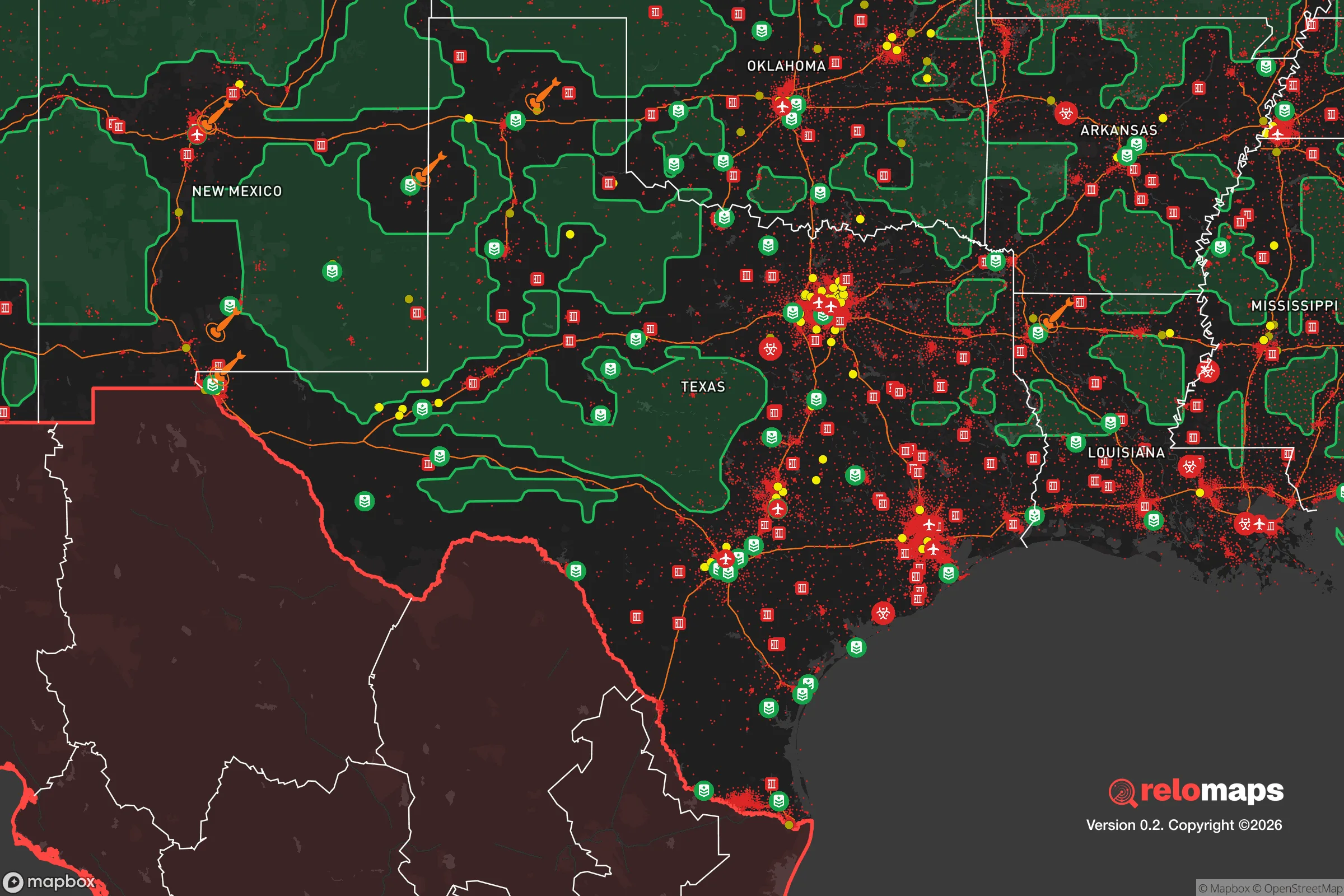


Important Note: For informational purposes only. This does not mean nothing bad ever happens in the green zones. Please use common sense. This is based on public data and modeled with AI. We tried to take a conservative approach but mistakes happen. We update this regularly as new information becomes available.
Solar Generator Recommendations
Backup power matters more here than in safer locations. We've picked three solar generators across budgets and capacity tiers — start with the budget unit if you only need a few essentials, or step up if you want to run a fridge and HVAC for days at a time.

Jackery Portable Power Station Explorer 300
Budget OptionPower on the Go: Weighing only 11 lbs, it's convenient to set up and store with book-sized foldable solar panels

BLUETTI Portable Power Station AC180
Designed for both indoor and outdoor scenarios, AC180 is highly capable as it has a robost capacity and continuous output power.

EF ECOFLOW DELTA Pro Ultra Power Station
Upgraded PickEcoFlow DELTA Pro Ultra is a whole-home energy system designed to grow with your family. Integrated with the Smart Home Panel 2, it scales to meet your evolving energy needs — keeping your home powered, intelligent, and secure through every stage of life.
We earn a commission, at no additional cost to you.
Strategic Assessment Analysis
Fredericksburg, Texas, sits in a sweet spot for relocation-minded readers who take disaster readiness seriously: it’s far enough from major metropolitan blast zones to matter, yet close enough to Hill Country infrastructure that you aren’t truly off-grid. The town’s strategic value comes from its position in the Texas Hill Country—roughly 70 miles west of Austin and 65 miles north of San Antonio—which puts it outside the immediate fallout and chaos radius of those cities while keeping you within a day’s drive of real medical and supply resources. For a single individual or family weighing self-sufficiency against isolation, Fredericksburg offers a defensible middle ground: a working agricultural economy, a deep aquifer, and a community that already thinks in terms of ranching, hunting, and water conservation.
Geographic position and natural advantages for long-term stability
The Hill Country topography around Fredericksburg is the first thing to understand. You’re on the Edwards Plateau, with elevations around 1,700 to 2,000 feet, which means cooler summers and less flood risk than the Texas Gulf Coast or the low-lying river bottoms near Austin. The terrain is rolling limestone hills, juniper and live oak cover, and spring-fed creeks—not the flat, exposed prairie you see further west. That broken ground is a genuine defensive asset: it limits sightlines, slows vehicle movement off-road, and provides natural cover that flatland counties simply don’t offer.
Water is the region’s strongest natural card. The Trinity and Edwards aquifers underlie the area, and Gillespie County has a history of spring-fed water sources like the Pedernales River, which runs just south of town. While Texas droughts are a recurring reality—2011 and 2022 were severe—Fredericksburg’s groundwater access is markedly better than most of West Texas. For a relocator, this means a well-drilled property can provide a reliable, independent water supply, something you cannot say for suburban tracts around Houston or Dallas. The local climate is semi-arid but not desert; average rainfall is around 30 inches annually, enough for rain catchment systems to be a practical supplement rather than a pipe dream.
Risks, exposures, and proximity to fallout-relevant landmarks
No honest strategic assessment ignores the downsides. Fredericksburg’s primary man-made risk is its proximity to two major population and military targets: Austin and San Antonio. In a nuclear exchange scenario, those cities—home to Fort Cavazos (formerly Hood) to the north, Lackland AFB and Fort Sam Houston to the south, and the broader tech-military complex around Austin—are plausible primary or secondary targets. Fredericksburg sits roughly 60–75 miles from those urban cores, which puts it outside the immediate blast and thermal damage zones but inside the zone where radioactive fallout could arrive within hours, depending on wind patterns. The prevailing winds in Central Texas generally blow from the south-southeast, which is a mixed bag: it can carry fallout from San Antonio toward the Hill Country, but it also means Austin’s plume often tracks northeast, away from Fredericksburg.
Natural hazards are more mundane but more frequent. Flash flooding is the real killer in the Hill Country; the Pedernales and its tributaries can rise dramatically in a matter of minutes after heavy rain, and low-water crossings throughout Gillespie County become death traps during storms. Wildfire risk is moderate but real, especially in drought years when juniper and grass dry out; the 2011 Bastrop County fire, about 90 miles east, is a reminder of how fast Texas brush fires can move. Tornado risk is lower than in North Texas, but severe thunderstorms with hail and straight-line winds are a seasonal fact of life. The area is not on a major fault line, so earthquake risk is negligible.
Practical resilience for a relocator: food, water, energy, and defensibility
Fredericksburg’s practical resilience comes down to four pillars: local food production, groundwater, energy independence, and community cohesion. On food, Gillespie County is genuine ranch country—cattle, goats, and deer are everywhere—and the town hosts a strong farmers’ market culture. The surrounding counties (Kerr, Kendall, Blanco) are dotted with small-scale vegetable farms, orchards, and wineries that have made the region a food-tourism destination. That agricultural base means you are not dependent on a single supply chain for groceries; local meat, eggs, and produce are available within a 20-mile radius, which is a significant advantage over suburban bedroom communities.
Energy is a mixed picture. The Texas grid (ERCOT) is famously unreliable during winter storms—the February 2021 blackout left much of the state without power for days—and Fredericksburg is not exempt. However, the Hill Country has excellent solar insolation, and many rural properties already run on solar-plus-battery setups or have generator hookups as standard practice. Propane is widely available for heating and cooking, and firewood is plentiful from the juniper and oak stands. For a relocator serious about self-sufficiency, a property with a well, solar panels, and a propane tank is not a luxury here; it is a realistic baseline.
Defensibility is where Fredericksburg shines compared to flat, open counties. The limestone hills and oak-juniper thickets create natural chokepoints on the few paved roads into town—US-290 from the east, TX-16 from the north and south, and TX-87 from the west. A determined group could control those approaches with relative ease, and the rugged terrain makes off-road infiltration difficult for anyone without serious equipment. The community itself is tight-knit, with a strong ranching and hunting culture; a large share of residents are already comfortable with firearms, livestock, and outdoor survival skills. That is not a political statement; it is a demographic fact that matters for neighborhood-level mutual aid in a prolonged emergency.
One caveat: Fredericksburg is not remote. It is a tourist destination—the town draws millions of visitors annually for its wineries, Oktoberfest, and historic district—which means in a crisis, you will have thousands of stranded visitors competing for fuel, food, and lodging. The local population of roughly 11,000 can swell to three or four times that on a holiday weekend. A relocator should factor in that the town’s charm is also its vulnerability: the same roads that make it accessible for tourists make it accessible for evacuees fleeing Austin or San Antonio.
On balance, Fredericksburg offers a strong strategic profile for the disaster-conscious relocator: reliable groundwater, local food production, defensible terrain, and a community with a self-reliant ethos. Its weaknesses—flash flooding, grid fragility, and proximity to two major target cities—are manageable with planning. The key is to buy property with a well and solar capacity, store food and water for at least two weeks, and treat the town as a resilient hub rather than a bunker. For a family that wants rural security without abandoning access to hospitals, schools, and supply chains, Fredericksburg is one of the better-balanced options in Central Texas.

* Values derived from national, state, county, city and local statistics and may differ in a specific area. Last updated: 2026-09-05T23:51:40.000Z
Narrative content on this page is AI-generated and may contain mistakes. Verify any details that matter before acting on them.
ReloMaps may earn a commission from affiliate links at no extra cost to you.

