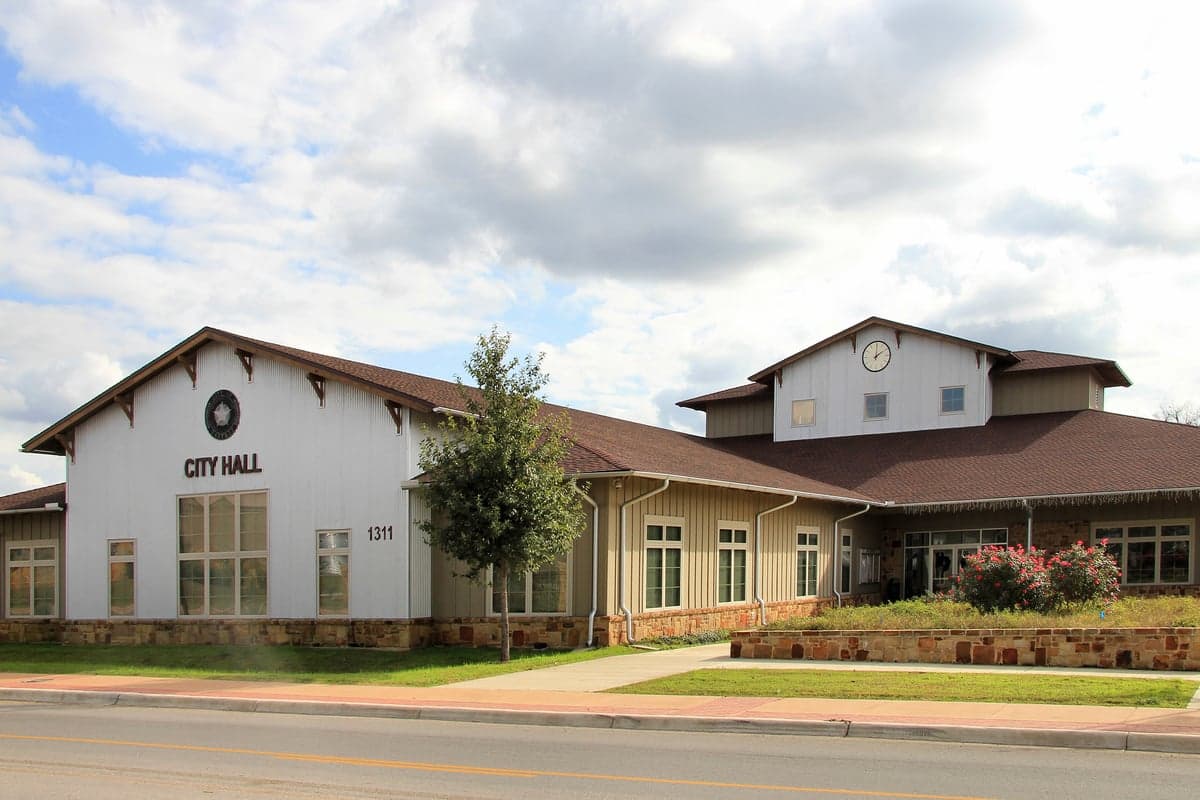
Photo: Wikipedia
Find The Best Places To Live
in Bastrop
PRO TIP! You can paste a Zillow or Redfin link to get info on that property.
What It's Like Living in Bastrop, TX
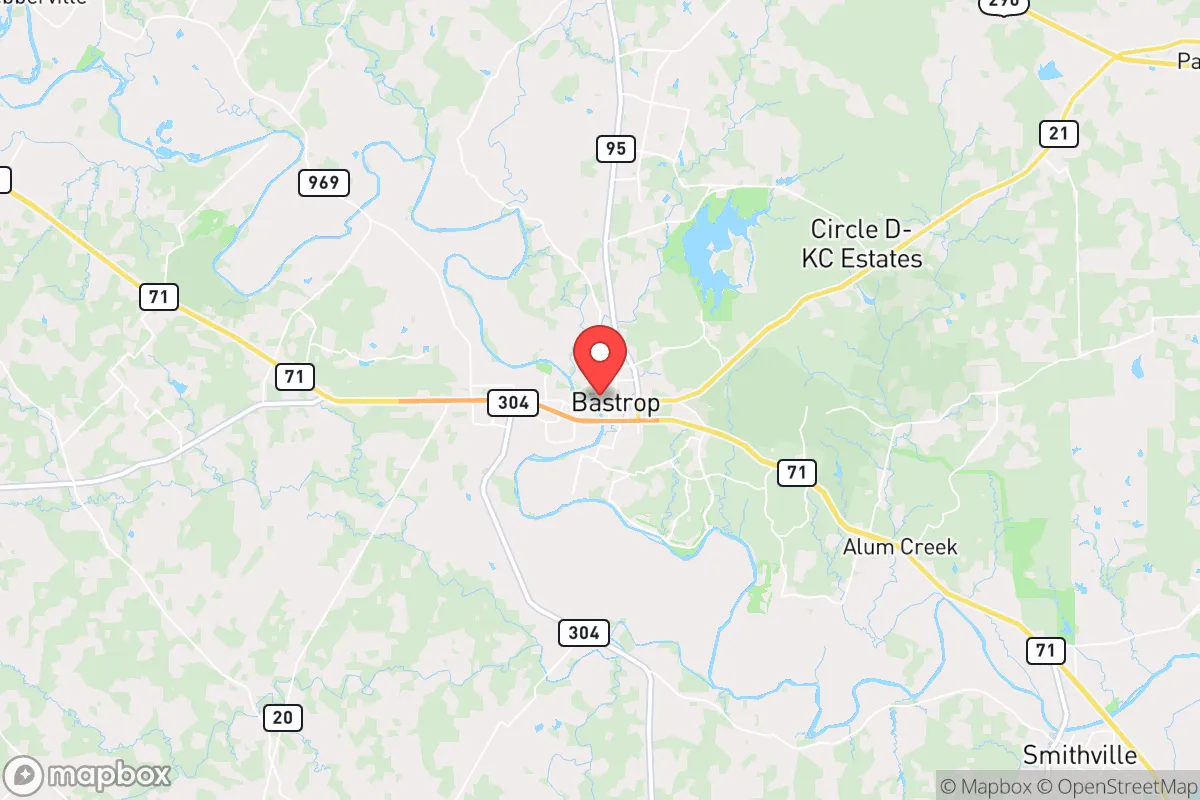
Bastrop, Texas, has a way of making you slow down without even realizing it. It’s not a sleepy bedroom community, exactly—more like a place where the pace of life matches the slow bend of the Colorado River that runs through town. With a population just over 10,400, it feels like a small town that’s grown up just enough to have its own identity, without being swallowed by the Austin metro sprawl that’s creeping ever south and east. People here tend to know each other by face if not by name, and the vibe is less “keeping up with the Joneses” and more “let’s grab a beer at the old feed store turned brewery.”
Daily Rhythm and the Kind of Person Who Fits In
Weekdays in Bastrop have a steady, unflashy rhythm. Most folks commute—the average drive clocks in at about 28 minutes, which is noticeable but not punishing by Texas standards. That commute often heads west toward Austin or south toward the growing industrial and logistics hubs along Highway 21. The people who thrive here tend to be in their late thirties to early forties (median age is 38.6), often with young kids or planning for them. You’ll find a mix of tradespeople, remote tech workers who wanted more land for their money, and retirees who appreciate the slower pace. The median household income sits around $70,600, which is comfortable for the area but doesn’t stretch as far as it used to—especially with the cost of living index at 115, meaning everyday expenses run about 15% above the national average. That’s the trade-off for living in a place that still feels like a town, not a subdivision.
Weekends are where Bastrop shines. Locals spend Saturday mornings at the Bastrop Farmers Market on Main Street, then drift over to the Lost Pines Forest for a hike or a paddle on the river. The downtown strip—mainly Chestnut and Main—has a handful of solid spots: Neighbors Kitchen & Tap for burgers and live music, Bastrop Brewing Company for a pint in a converted 1920s building, and Maxine’s on Main for brunch that actually justifies the wait. Shopping is mostly local boutiques and antique stores; if you need a big-box run, it’s a 15-minute drive to the Lowe’s and H-E-B in the newer commercial strip on the west side of town.
Sports, Festivals, and What People Actually Do for Fun
High school sports are the main event here. Bastrop High School’s football games on Friday nights draw a real crowd—not just parents, but neighbors and local business owners who’ve been coming for decades. The Bears’ rivalry with Cedar Creek High School (just a few miles down the road) is genuinely heated and packs the stands. There’s no pro or college team in town, but that’s fine; the community energy goes into the local kids and the annual festivals. The biggest is the Bastrop County Fair & Rodeo in the spring, followed by the Lost Pines Christmas celebration in December, which turns downtown into a string of lights with carriage rides and carolers. Music-wise, the Bastrop Opera House hosts everything from bluegrass to cover bands, and the Bastrop Music Festival in the fall brings a solid lineup of Texas country and Americana acts to multiple venues downtown.
Outdoor life is a huge draw. The Colorado River runs right through town, and locals use it for kayaking, fishing, and tubing in the summer. Bastrop State Park is the crown jewel—its Lost Pines ecosystem is unique in Texas, a pocket of loblolly pines that survived the devastating 2011 wildfire and regrew. Hiking and mountain biking trails there are well-maintained and rarely crowded. For a quieter afternoon, Fisherman’s Park on the river has a boat ramp, picnic tables, and a small beach area that families claim early on hot weekends.
Pros and Cons of Living Here
Let’s be honest about what works and what doesn’t. On the upside, Bastrop has genuine character—it’s not a strip-mall clone. The historic downtown is walkable, the river access is a daily luxury, and the schools (Bastrop ISD) are a central part of community life, with active PTA groups and bond-funded improvements to facilities. The violent crime rate is 456.5 per 100,000, which is higher than the national average—most of that is concentrated in specific pockets, and longtime residents will tell you the bigger annoyance is property crime, especially vehicle break-ins near the highway. Traffic on Highway 71 can back up during commute hours and around holiday weekends, but it’s nothing like Austin’s gridlock. The weather is classic Central Texas: hot summers, mild winters, and a real risk of flash flooding in low-lying areas near the river. The 2011 wildfire is still a living memory for many—it destroyed over 1,600 homes and reshaped how the town thinks about emergency preparedness.
What frustrates locals most is the slow pace of infrastructure improvements. The town is growing—median home values hit $308,300 in 2025, up sharply from a few years ago—but road expansions and new retail have lagged behind. If you want a sit-down chain restaurant or a movie theater, you’re driving to Elgin or Austin. And while 30.6% of adults hold a college degree, the job market locally is still tilted toward service, retail, and trades; higher-paying professional work almost always requires that 28-minute commute. But for the person who values a front porch, a river view, and neighbors who actually talk to each other, Bastrop offers something increasingly rare: a small town that hasn’t been polished into a theme park version of itself.

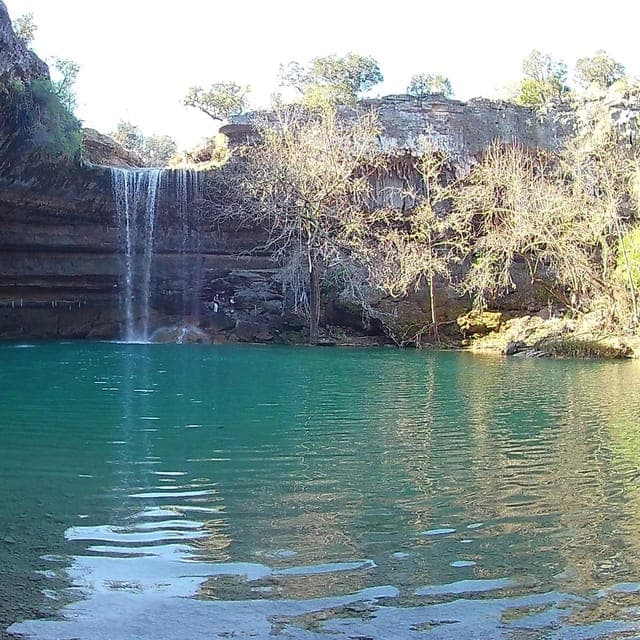
Similar towns to Bastrop
* Values derived from national, state, county, city and local statistics and may differ in a specific area. Last updated: 2026-05-12T00:00:19.000Z
Narrative content on this page is AI-generated and may contain mistakes. Verify any details that matter before acting on them.
ReloMaps may earn a commission from affiliate links at no extra cost to you.

