Photo: Made with AI
Find The Best Places To Live
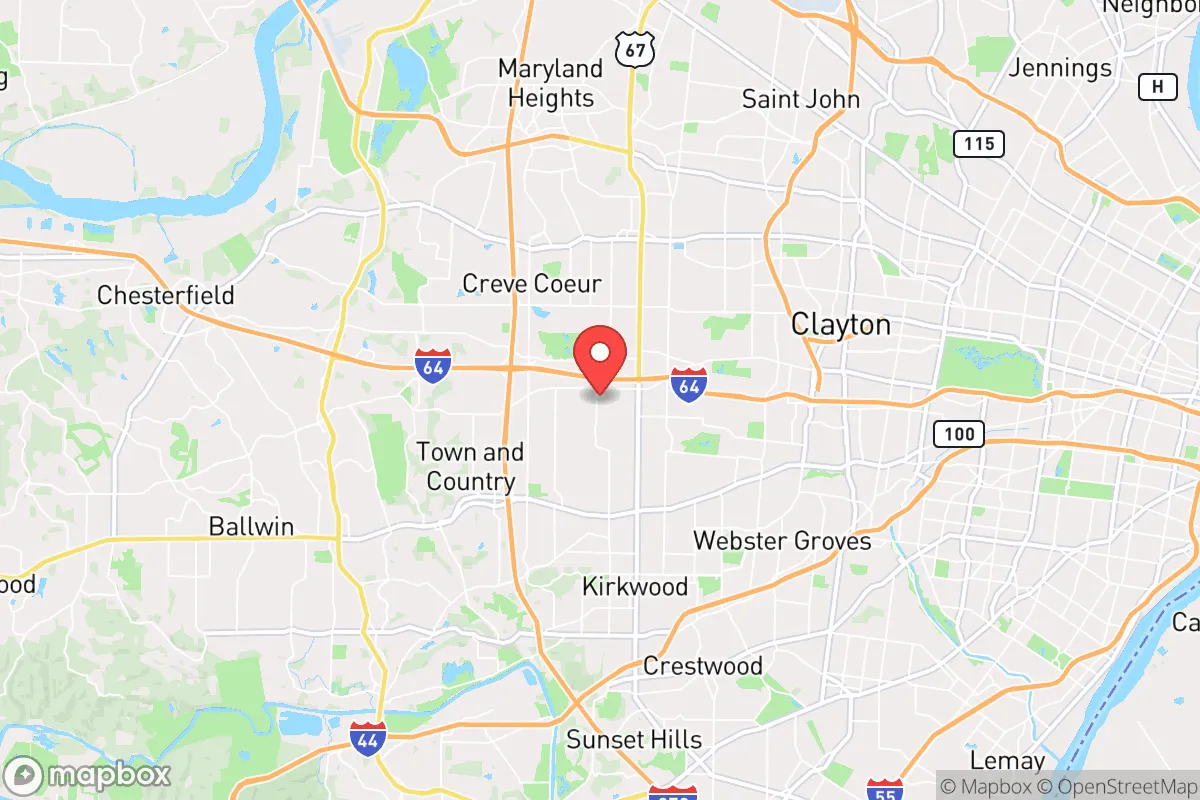
in Frontenac
PRO TIP! You can paste a Zillow or Redfin link to get info on that property.
What It's Like Living in Frontenac, MO
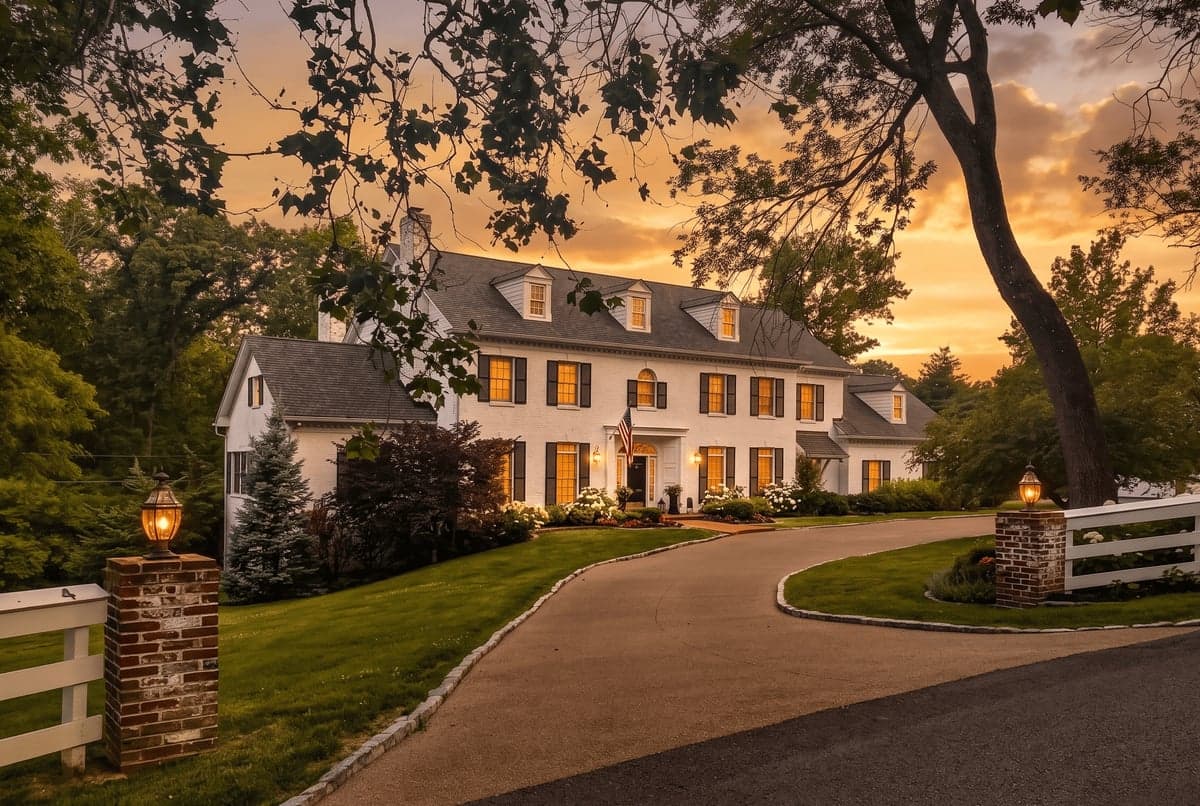
Living in Frontenac feels less like being in a typical St. Louis suburb and more like being part of a private, well-kept estate community that happens to have its own schools and police force. With a population just under 3,700 and a median age pushing 46, this is a place where people have already settled into their lives—they’re not passing through. The vibe is quiet, affluent, and deliberately low-key; you won’t find a downtown strip or a chain restaurant row, but you will find some of the most expensive real estate in Missouri and a level of safety that’s almost statistical fiction.
The Daily Rhythm: Quiet Mornings, Private Evenings
Most Frontenac residents don’t commute far—the average drive is about 23 minutes, which is reasonable for the region, and many work in Clayton or downtown St. Louis. The morning routine here leans toward the practical: dropping kids at the highly regarded St. Louis Country Day School or one of the private academies nearby, then heading to work. By late afternoon, you’ll see people walking dogs along the winding, tree-lined streets or hitting the Frontenac Tennis Club for a match. Evenings are often spent at home or at a neighbor’s house for dinner; there’s no real “nightlife” in Frontenac itself. For groceries, most head to the nearby Schmucks on Clayton Road or the Whole Foods in Ladue, and for a quick bite, Jilly’s Café in the Plaza Frontenac shopping center is the de facto community table—expect to run into someone you know.
Sports, Schools, and the Weekend Pulse
High school sports are a genuine social currency here, but not in the way you’d see in a football-crazed Texas town. The private schools—especially John Burroughs and MICDS—draw families who care deeply about academics first, athletics second. That said, a Friday night soccer or lacrosse game at MICDS’s field is a real community gathering; parents and alumni treat it as a social event. For pro sports, St. Louis is 20 minutes away, so Cardinals baseball and Blues hockey are the default conversation starters at any gathering. On weekends, you’ll find families at Laumeier Sculpture Park (a 15-minute drive) or biking the Grant’s Trail. The St. Louis Art Fair in Clayton is a big deal each September, and many Frontenac residents volunteer or attend as a yearly tradition.
What You Actually Do Here (and What You Don’t)
Entertainment is largely self-made or found in the surrounding area. The Plaza Frontenac shopping center is the commercial anchor—think Neiman Marcus, Saks, and high-end boutiques—but it’s more of a place to run errands or grab lunch than a destination. For live music, you’re driving to Cherokee Street or The Pageant in the city. The Missouri Botanical Garden and Forest Park are both within 20 minutes and are popular weekend outings. One local quirk: there’s no real “dive bar” in Frontenac. The closest thing is Basso in Clayton, a wine bar where the crowd is polished and the conversation is quiet. If you’re looking for a rowdy night out, this isn’t the place—and that’s exactly how residents like it.
Pros and Cons of Living in Frontenac
The upsides are clear and measurable. Violent crime is effectively zero—the rate is 0 per 100,000—and the police presence is visible but unobtrusive. The schools are among the best in the state, and the median household income of $225,813 means your neighbors are likely professionals, executives, or retired business owners. The median home value just over $1 million reflects the exclusivity, and with 86.9% of adults holding a college degree, the community is highly educated and engaged. The downsides are equally real. The cost of living index is 203—double the national average—so housing, services, and even groceries cost more. There’s a distinct lack of diversity in age and income; if you’re under 30 or on a modest salary, you’ll feel out of place. Traffic on Clayton Road and Ladue Road can back up during school drop-off and pickup, and the nearest highway (I-64/US-40) is about 10 minutes away, which adds to the feeling of being tucked away. Some residents also grumble that there’s no central “town square” or community center—Frontenac is more a collection of estates than a walkable village.
Weather, Seasons, and the School Calendar
Weather here follows the classic Midwestern rhythm: hot, humid summers (July averages around 90°F) and cold, occasionally snowy winters (January highs near 40°F). Spring and fall are genuinely lovely, with the Dogwood trees blooming in April and the leaves turning in October. The school calendar drives the social schedule—summer camps, holiday parties, and spring break trips are the main events. Because so many families are tied to private schools, the academic year feels like the community’s heartbeat. If you don’t have kids, you might feel slightly outside that loop, but the neighborhood associations and the Frontenac Parks and Recreation programs offer ways to connect. The Frontenac City Park is small but well-maintained, with a playground and walking paths that see steady use on mild weekends.

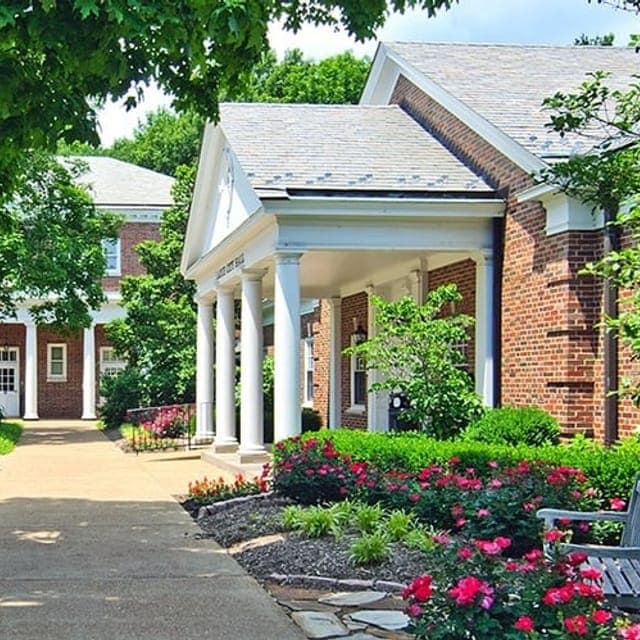
Similar small towns to Frontenac

* Values derived from national, state, county, city and local statistics and may differ in a specific area. Last updated: 2026-09-29T01:23:54.000Z
Narrative content on this page is AI-generated and may contain mistakes. Verify any details that matter before acting on them.
ReloMaps may earn a commission from affiliate links at no extra cost to you.

