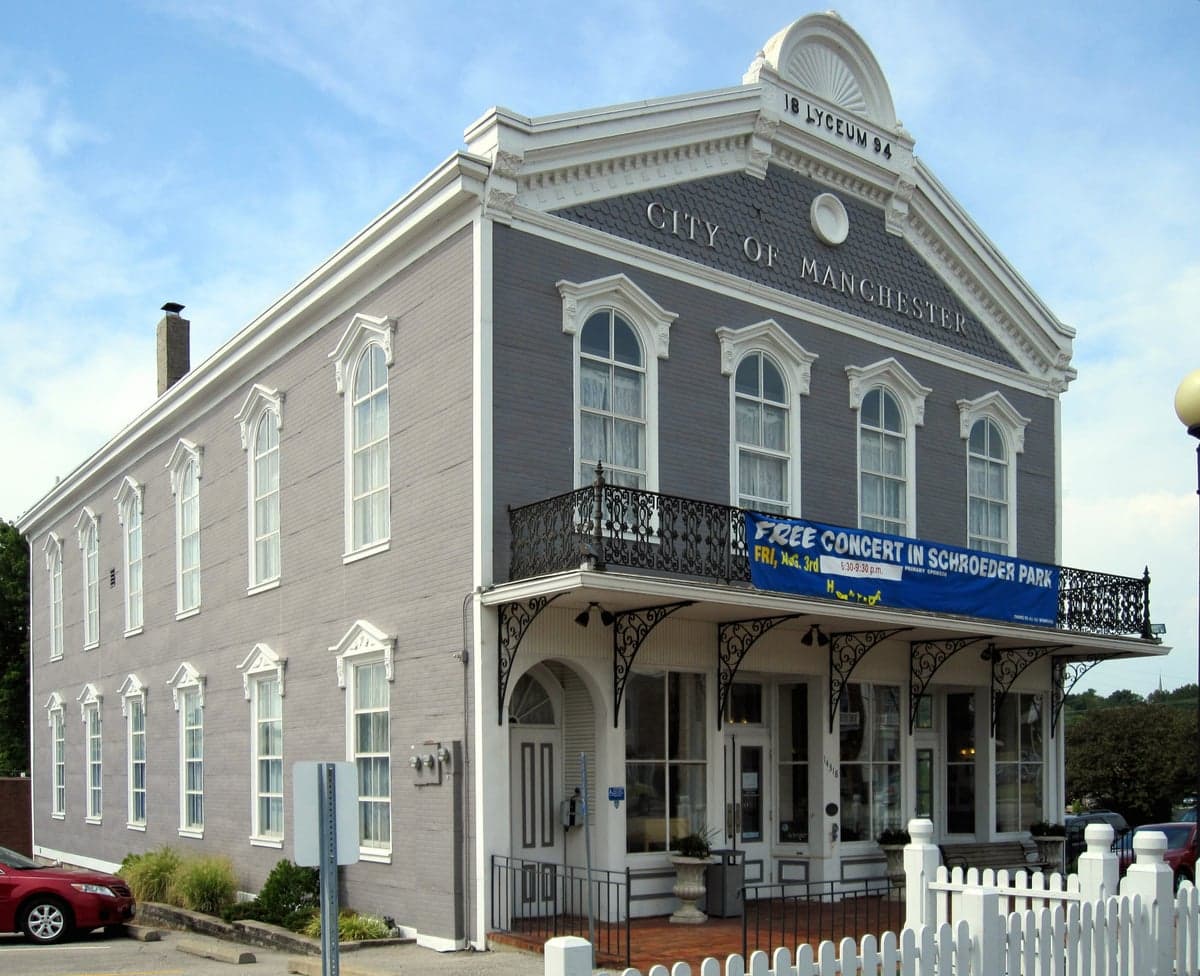
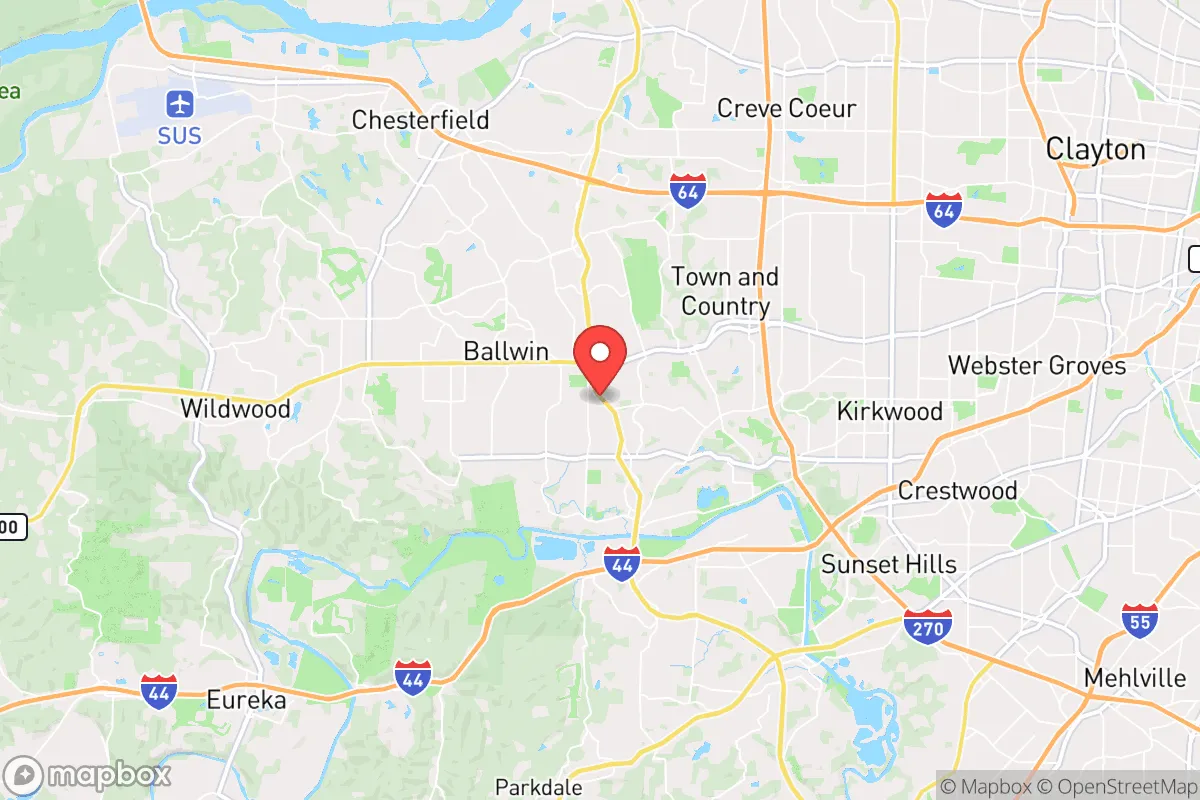
Photo: Wikipedia
Find The Best Places To Live
in Manchester
PRO TIP! You can paste a Zillow or Redfin link to get info on that property.
What It's Like Living in Manchester, MO
Manchester, Missouri, feels like the kind of place where people move because they want a quiet, well-kept suburb that still lets them get to the city when the mood strikes. It’s not flashy, and it doesn’t try to be. What it offers is a predictable, comfortable rhythm—good schools, safe streets, and neighbors who wave but don’t pry. For a certain kind of person, that’s exactly the point.
A Place for Families Who Value Routine and Space
The typical Manchester resident is in their late 30s or early 40s, likely married with kids, and working a professional job in St. Louis County or the city itself. The median age here is 38.5, and with 62.1% of adults holding a college degree, it’s an educated crowd. People aren’t moving to Manchester for nightlife or cultural cachet; they’re coming for the median home value of $298,400, which buys a solid three- or four-bedroom house on a decent lot, often with a yard big enough for a swing set and a grill. The median household income of $92,839 means most families have breathing room—enough for annual vacations, a newer SUV, and maybe a boat stored at a nearby marina on the Missouri River.
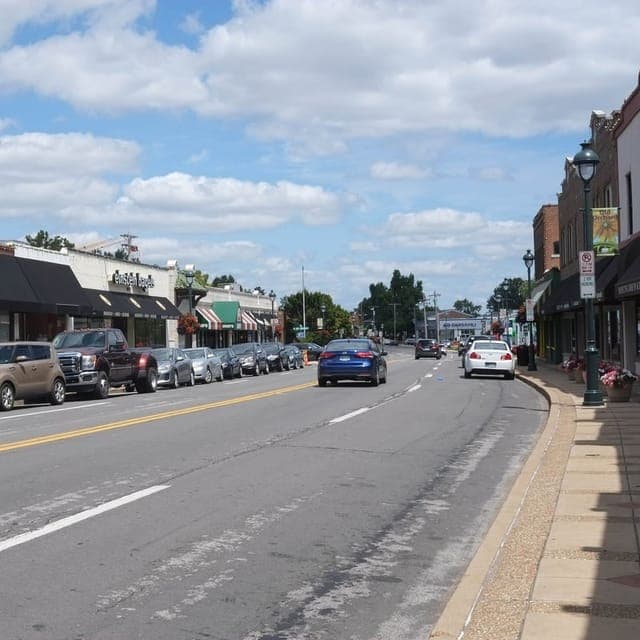
Weekends here follow a script: Saturday mornings are for soccer games at Grey Owl Park or a trip to the Manchester Farmers Market (May through October, behind the government center). Afternoons might mean a hike at Castlewood State Park, just 10 minutes south, where the trails along the Meramec River draw runners, mountain bikers, and dog walkers. By evening, families pile into McAlister’s Deli or Bandana’s Bar-B-Q on Manchester Road, the main commercial drag. The vibe is low-key—no one’s dressing up, and the biggest decision is whether to get the pulled pork or the brisket.
Sports, Schools, and the Local Identity
High school sports are a genuine social anchor here. Marquette High School (part of the Rockwood School District) is the local powerhouse, and Friday night football games in the fall are well-attended by parents and alumni. The rivalry with nearby Lafayette High School in Wildwood is real—expect packed bleachers and spirited chatter at the grocery store the next morning. For pro sports, most residents are casual Cardinals fans (baseball is religion in St. Louis) and will catch a Blues hockey game at Enterprise Center downtown, but it’s a 25-minute drive without traffic. The St. Louis CITY SC soccer matches have drawn younger families in recent years, though Manchester itself doesn’t have a pro venue.
The Rockwood School District is a major reason people choose Manchester. It’s consistently rated among the top in Missouri, and the community’s identity is tightly woven around school events—band concerts, parent-teacher nights, and the annual Marquette Craft Fair in November. If you don’t have kids, you might feel slightly outside the loop, but the schools also keep property values stable and the area well-maintained.
What’s There to Do (and What Isn’t)
Entertainment is modest but sufficient. The Manchester Family Aquatic Center is a summer hub for kids, and Vlasis Park hosts the annual Manchester Community Days in June—a weekend carnival with live music, a parade, and funnel cakes. For a night out, adults gravitate to Syberg’s on Manchester Road for wings and beer, or Helen Fitzgerald’s Irish Grill in nearby Sunset Hills for a livelier pub atmosphere. The Biergarten at the Winchester in Maplewood (10 minutes east) offers craft beer and live music, but it’s not a regular haunt for most Manchester residents—they tend to stay in their own bubble.
Outdoor lovers have Greensfelder County Park and Rockwoods Reservation within a 15-minute drive, both offering solid hiking and mountain biking. The Missouri River Greenway is a paved trail popular for cycling and jogging, stretching from St. Charles to just north of Manchester. But let’s be honest: Manchester is not a destination for nightlife. If you want live theater, indie films, or a vibrant bar scene, you’re driving to Webster Groves or downtown St. Louis. That’s a trade-off residents accept willingly.
Pros and Cons of Living Here
Longtime residents will tell you the upsides are real. The violent crime rate is 49.8 per 100,000—roughly a third of the national average—and most people feel safe walking their dogs after dark. The commute to downtown St. Louis averages about 21 minutes, which is manageable by metro standards, though I-64 and Manchester Road can back up during rush hour, especially near the 141 interchange. The cost of living index sits at 107, slightly above the national average, but that’s driven almost entirely by housing; groceries and utilities are close to par.
What frustrates locals? Traffic on Manchester Road is the top complaint—it’s a four-lane arterial with too many strip malls and traffic lights, making errands feel stop-and-go. There’s also a sense that the area can feel a bit homogenous; if you’re single and under 30, you might find the social scene thin. The median age of 38.5 reflects a community heavy on families, not young professionals. And while the schools are excellent, property taxes are correspondingly high—something to budget for if you’re buying.
One cultural quirk: Manchester is proud of its “small-town feel within a big metro” identity. The city’s website still touts the old railroad depot and the historic Manchester Cemetery, but in practice, it’s a bedroom community with a Walmart, a Schnucks, and a solid selection of chain restaurants. That’s not a knock—it’s what people want. The local identity is less about unique traditions and more about stability, safety, and knowing your neighbors by sight. If that sounds like a good trade for a 21-minute commute and a yard big enough for a garden, Manchester fits like a glove.

Similar towns to Manchester
* Values derived from national, state, county, city and local statistics and may differ in a specific area. Last updated: 2026-10-10T16:28:12.000Z
Narrative content on this page is AI-generated and may contain mistakes. Verify any details that matter before acting on them.
ReloMaps may earn a commission from affiliate links at no extra cost to you.

