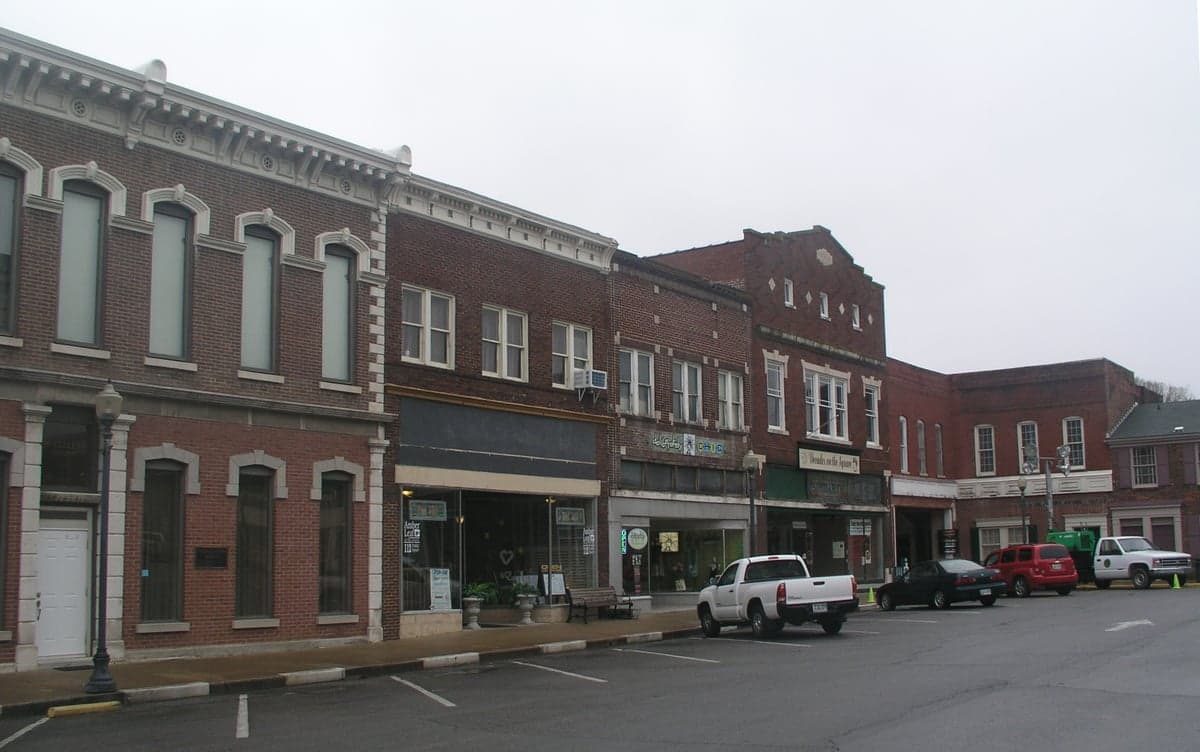
Photo: Wikipedia
Strategic Assessment of Gallatin, TN
Meaningful friction. Expect exposure to either population pressure, blast zones, or natural disaster risk. Consider buying a retreat property.
What does the Strategic Assessment tell us?
Our Strategic Assessment grades tactical survivability of an area. Major population centers, military targets, fallout zones, natural disasters, and border exposure all drive risk — lower exposure means a more defensible position in a crisis.
This is heavily inspired by Joel Skousen's Strategic Relocation book. Highly recommended you checkout the book ($)What does this tell us?
Our Strategic Assessment grades tactical survivability of an area. Major population centers, military targets, fallout zones, natural disasters, and border exposure all drive risk — lower exposure means a more defensible position in a crisis.
This is heavily inspired by Joel Skousen's Strategic Relocation book. Highly recommended you checkout the book ($)Strategic Pillars

Key Distances
Regional Safe Places
Below is our recommended "safe zones" in Tennessee and the surrounding area based on our strategic heuristics. For most people, it's unrealistic to live in a “safe zone” full-time due to work, family or other personal reasons. They tend to be more rural. However, many of these areas are perfect for second homes and retreat properties that double as a vacation home or even a short-term rental.
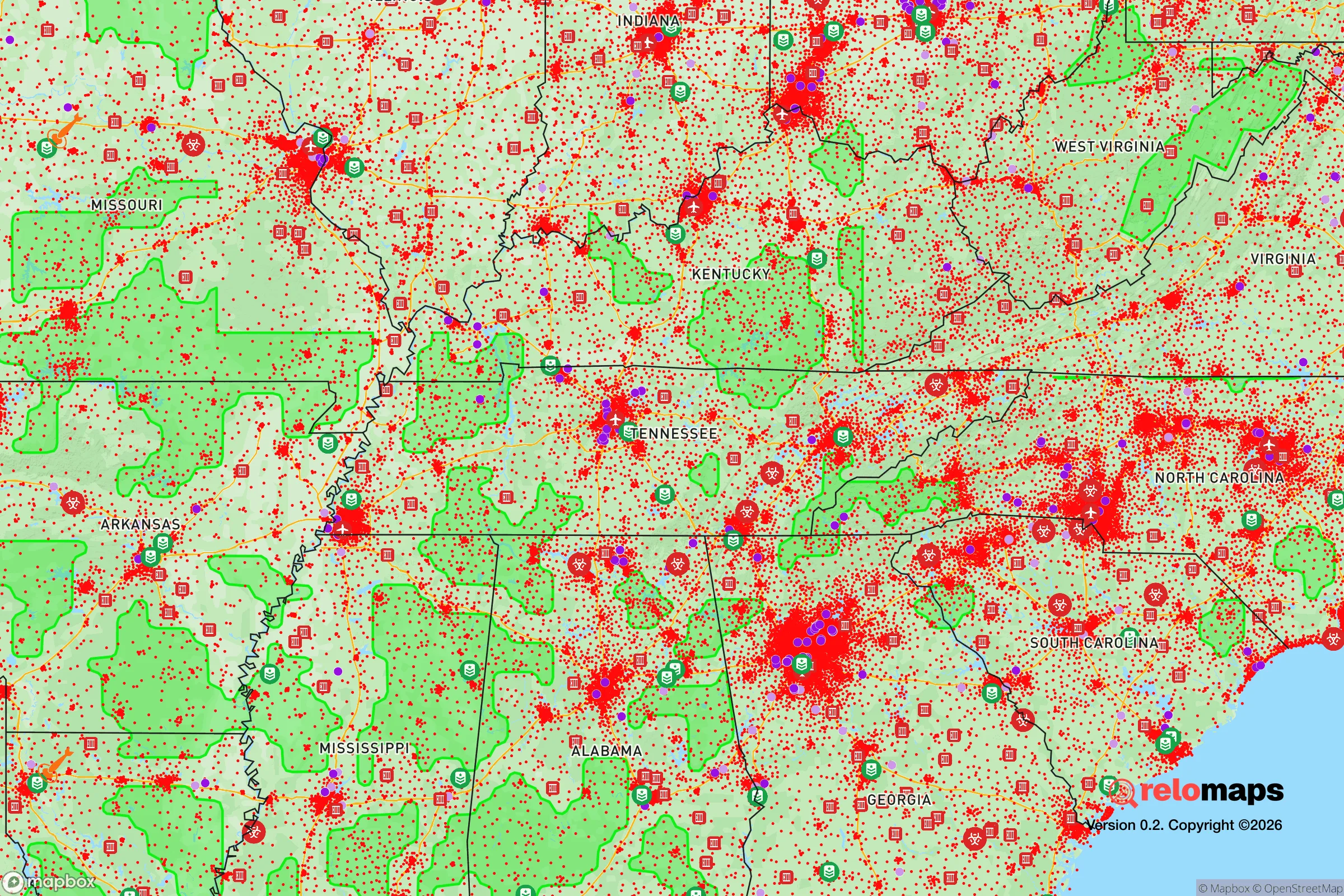
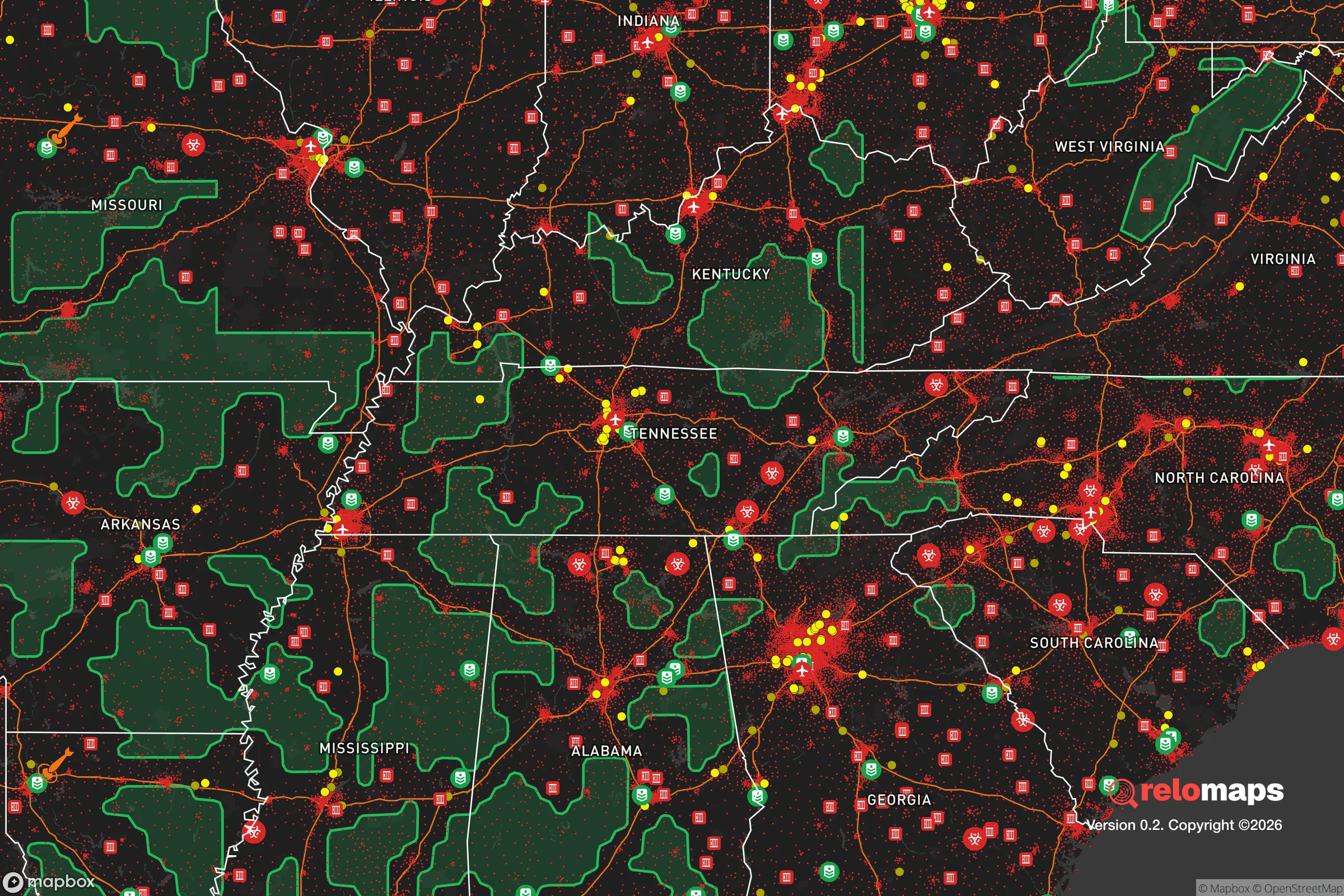


Important Note: For informational purposes only. This does not mean nothing bad ever happens in the green zones. Please use common sense. This is based on public data and modeled with AI. We tried to take a conservative approach but mistakes happen. We update this regularly as new information becomes available.
Solar Generator Recommendations
Backup power matters more here than in safer locations. We've picked three solar generators across budgets and capacity tiers — start with the budget unit if you only need a few essentials, or step up if you want to run a fridge and HVAC for days at a time.

Jackery Portable Power Station Explorer 300
Budget OptionPower on the Go: Weighing only 11 lbs, it's convenient to set up and store with book-sized foldable solar panels

BLUETTI Portable Power Station AC180
Designed for both indoor and outdoor scenarios, AC180 is highly capable as it has a robost capacity and continuous output power.

EF ECOFLOW DELTA Pro Ultra Power Station
Upgraded PickEcoFlow DELTA Pro Ultra is a whole-home energy system designed to grow with your family. Integrated with the Smart Home Panel 2, it scales to meet your evolving energy needs — keeping your home powered, intelligent, and secure through every stage of life.
We earn a commission, at no additional cost to you.
Strategic Assessment Analysis
Gallatin, Tennessee, sits in a strategic sweet spot that resilience-minded relocators should take seriously: close enough to Nashville’s resources to be useful, but far enough to avoid the blast radius of a major urban collapse. The city’s position along the Cumberland River and its status as the Sumner County seat give it a built-in logistical and administrative anchor that many smaller towns lack. For a conservative-leaning individual or family looking to hedge against civic unrest, mass casualty events, or supply chain disruptions, Gallatin offers a rare combination of proximity to infrastructure and room to breathe—provided you understand where the real vulnerabilities lie.
Geographic position and natural advantages for long-term stability
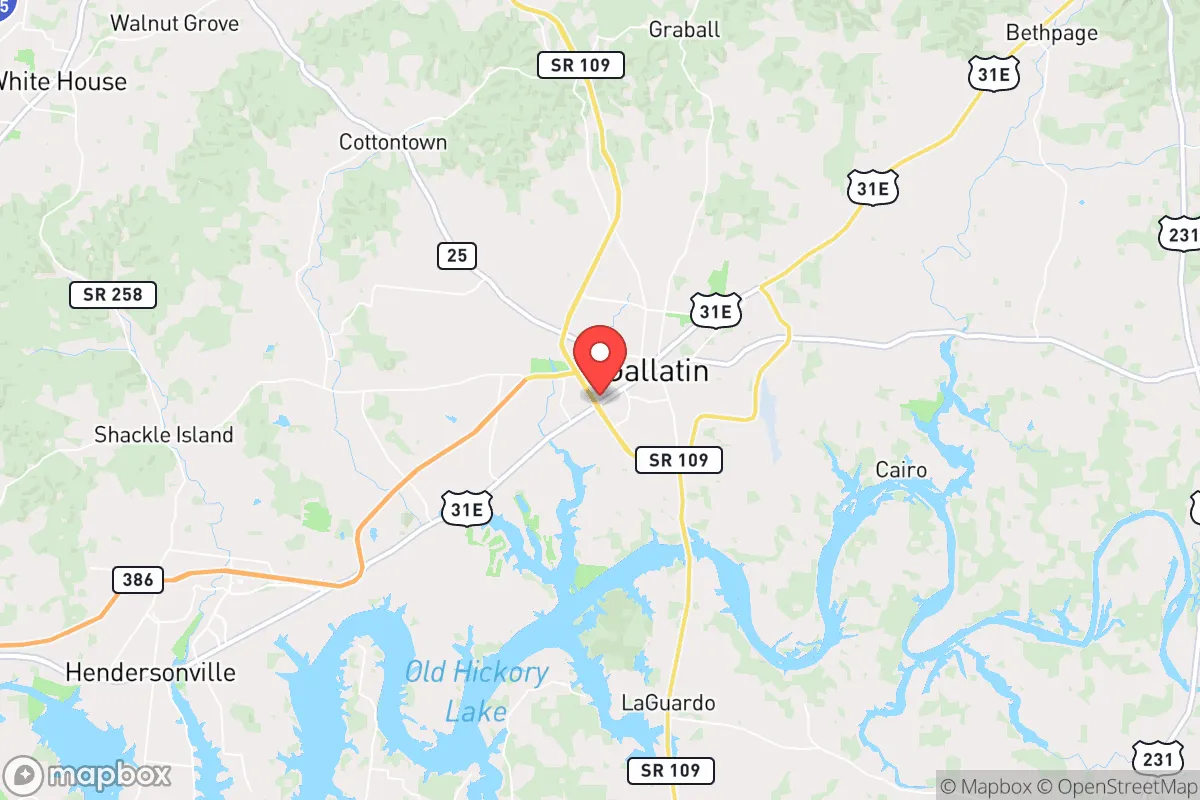
Gallatin’s location roughly 30 miles northeast of Nashville places it outside the immediate fallout zone of a major metropolitan disaster—whether that’s a terrorist attack, a grid-down scenario, or civil unrest that turns downtown into a no-go zone. The city sits on the northern edge of the Nashville Basin, where the terrain transitions into the rolling hills of the Highland Rim. That topography provides natural defensibility: higher ground to the east and south, with the Cumberland River cutting a corridor that can be used for both transport and water access. The area is not prone to earthquakes, hurricanes, or wildfires in any meaningful way—tornadoes are the primary natural threat, and they’re a manageable risk with a basement or storm shelter. The climate is temperate, with four distinct seasons and enough rainfall (roughly 50 inches annually) to support small-scale agriculture without irrigation. For a prepper, that means you can grow food, collect rainwater, and maintain a low profile without fighting extreme weather. The surrounding Sumner County is still largely rural, with farmland and woodlots that offer buffer space between you and any potential trouble coming out of Nashville.
Risks, exposures, and proximity to fallout-relevant landmarks
No strategic assessment is honest without naming the liabilities. Gallatin’s biggest exposure is its proximity to Interstate 65 and the Louisville & Nashville Railroad mainline—both are high-value chokepoints that could become targets or evacuation corridors during a crisis. The city is also within 20 miles of the Tennessee Valley Authority’s Cumberland Fossil Plant (retired but still a massive industrial site) and the Gallatin Steam Plant, which means any major grid failure or sabotage event in the region could create secondary effects like power outages or hazardous material releases. More concerning for the prepper mindset: Gallatin is roughly 40 miles from the Oak Ridge National Laboratory and the Y-12 National Security Complex, a nuclear weapons facility. While a direct strike on Oak Ridge is unlikely, any incident there—accidental or otherwise—could send fallout plumes southeast, putting Gallatin in a downwind risk zone depending on weather patterns. The city itself has a population of about 45,000, which is small enough to avoid the worst of urban chaos but large enough that a sudden influx of Nashville refugees (roughly 1.5 million people in the metro) could overwhelm local resources within hours. The Cumberland River also poses a flood risk in low-lying areas near the downtown district, though most residential neighborhoods sit above the floodplain. If you’re looking for a bug-out location that’s truly off the grid, Gallatin isn’t it—but if you’re planning to hunker down and ride out a regional crisis, the risks are manageable with proper preparation.
Practical resilience for a relocator: food, water, energy, and defensibility
For a family or individual serious about self-sufficiency, Gallatin’s practical assets are solid but not exceptional. The city draws its municipal water from the Cumberland River, treated at the Gallatin Water Treatment Plant—a single point of failure that could be compromised in a prolonged grid-down or contamination event. A well is the obvious workaround, and the water table in Sumner County is generally accessible at depths of 100–300 feet, though drilling costs run $5,000–$15,000 depending on location. Rainwater catchment is viable given the annual precipitation, but you’ll need storage capacity and filtration. Food resilience is better: the surrounding county has active farms producing corn, soybeans, hay, and livestock, and the Gallatin Farmers Market operates seasonally. For long-term storage, the city has multiple grocery chains (Walmart, Kroger, Publix) that would be looted within 48 hours of a major event, so your plan should not rely on them. Energy-wise, Gallatin is served by the Tennessee Valley Authority, which has a relatively reliable grid, but the Gallatin Steam Plant is a natural gas facility that could be a target or simply go offline during a fuel shortage. Solar is a strong option here—the region gets about 200 sunny days per year, and there are no HOA restrictions in unincorporated Sumner County that would prevent panel installation. Defensibility is where Gallatin shines compared to a suburban sprawl like Hendersonville or Brentwood. The older neighborhoods east of Highway 109 have winding roads, tree cover, and limited entry points, making them easier to secure. The rural areas north of town toward Portland offer even more isolation, with acreage available for under $10,000 per lot in some cases. If you’re looking for a property that can be hardened, Gallatin’s mix of older homes with basements and newer construction on larger lots gives you options. Just avoid anything within a mile of the interstate or the railroad tracks—those are your vulnerability corridors.
The overall strategic picture for Gallatin is cautiously optimistic for the prepared relocator. It’s not a remote mountain redoubt, and it’s not a self-sufficient homestead paradise. What it is: a mid-sized city with enough distance from Nashville to avoid the worst of a collapse, enough infrastructure to support a rebuild, and enough rural buffer to give you space to operate. The conservative values of the area—strong gun culture, low crime relative to the national average, and a population that’s largely self-reliant—mean you’re not going to be the only one thinking this way. That’s a double-edged sword: you’ll have neighbors who can help, but you’ll also have competition for resources. If you’re serious about resilience, Gallatin works best as a base of operations, not a final redoubt. Stockpile, build community, and keep a bug-out vehicle ready for the day Nashville’s problems come knocking. For a family that wants to live a normal life while being ready for the abnormal, this is one of the better bets in Middle Tennessee.

* Values derived from national, state, county, city and local statistics and may differ in a specific area. Last updated: 2026-05-01T18:05:01.000Z
Narrative content on this page is AI-generated and may contain mistakes. Verify any details that matter before acting on them.
ReloMaps may earn a commission from affiliate links at no extra cost to you.

