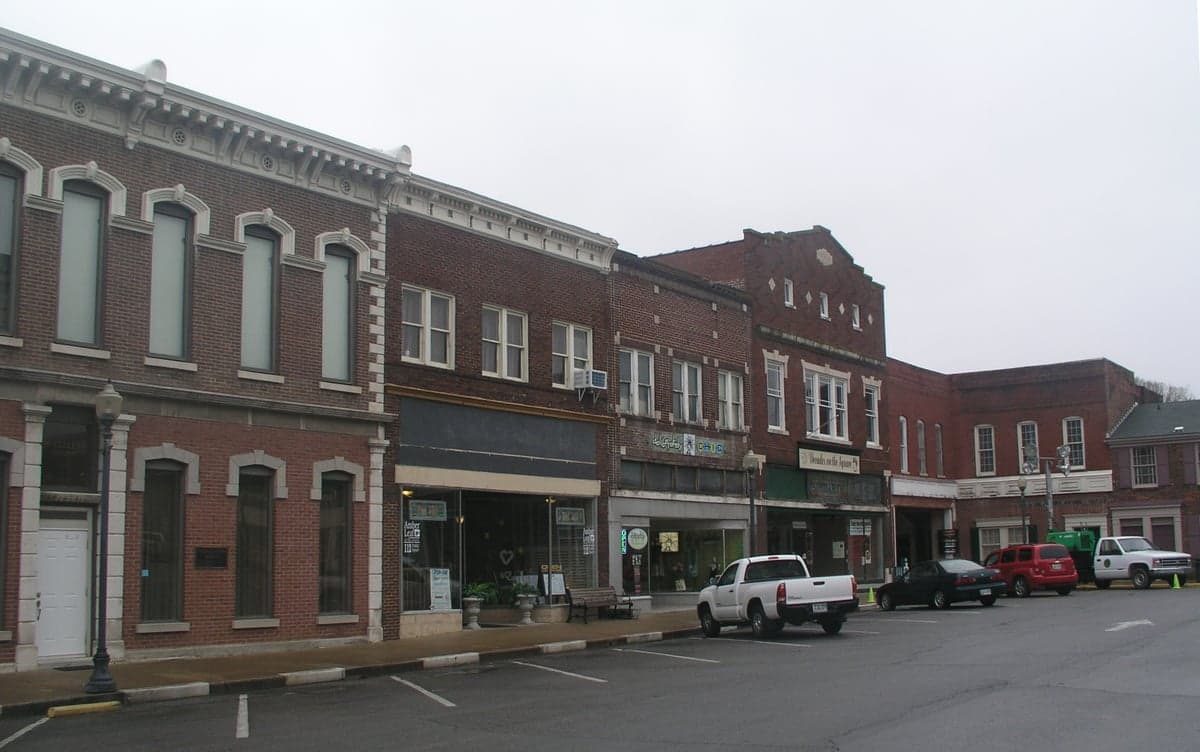
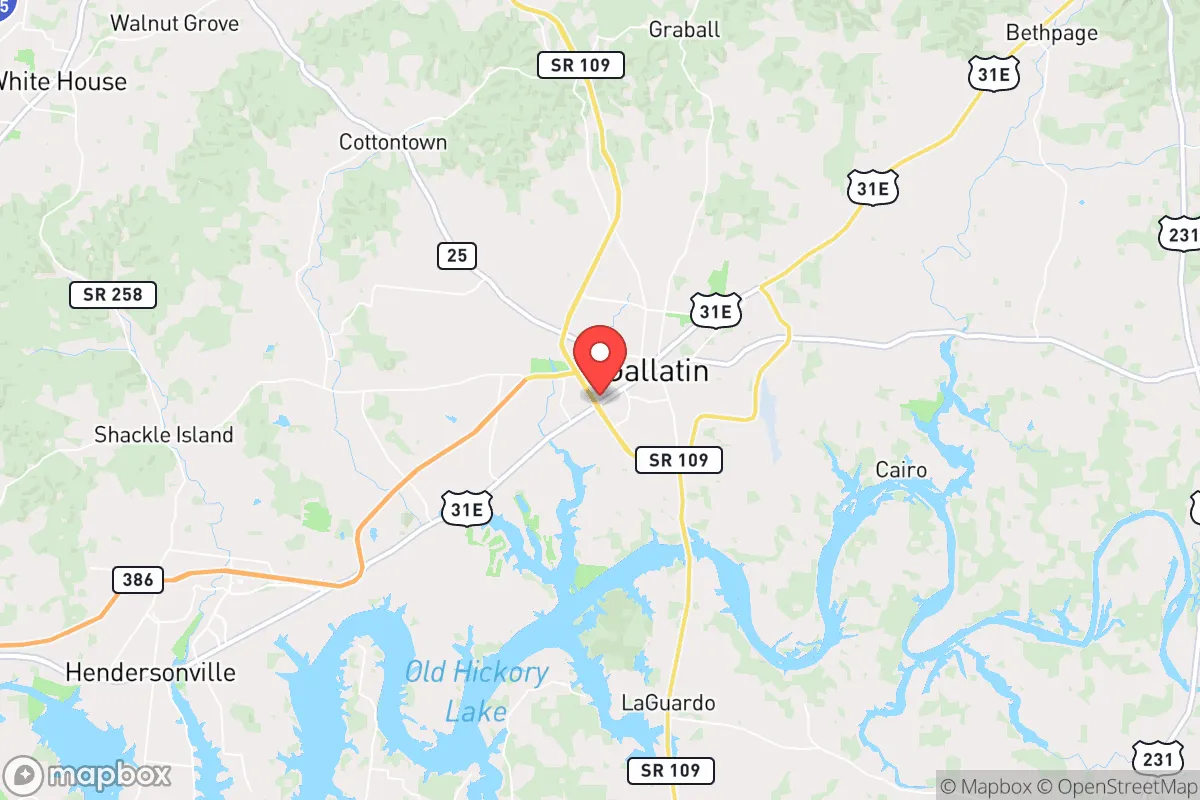
Photo: Wikipedia
Quality of Life in Gallatin, TN
A high quality of life with strong walkability, manageable living costs, healthy neighborhood signals, and solid amenity access.
What does Quality of Life tell us?
Quality of Life blends cost of living, nearby amenities, socioeconomic signals, and neighborhood character. City-level scores represent the whole municipality; individual neighborhoods can differ.
What does this tell us?
Quality of Life blends cost of living, nearby amenities, socioeconomic signals, and neighborhood character. City-level scores represent the whole municipality; individual neighborhoods can differ.
Cost of Living
16% above national average
The Real Cost of Living in Gallatin, TN for 2026
| Tier | Individual | Family (4) |
|---|---|---|
| Survival | $21k | $39k |
| Comfortable | $67k | $98k |
| Luxury | $131k+ | $203k+ |
| Elite (Top 5%) | $154k+ | $238k+ |
75%
The Area Signal
A metric tracking the socioeconomic signals of the area.
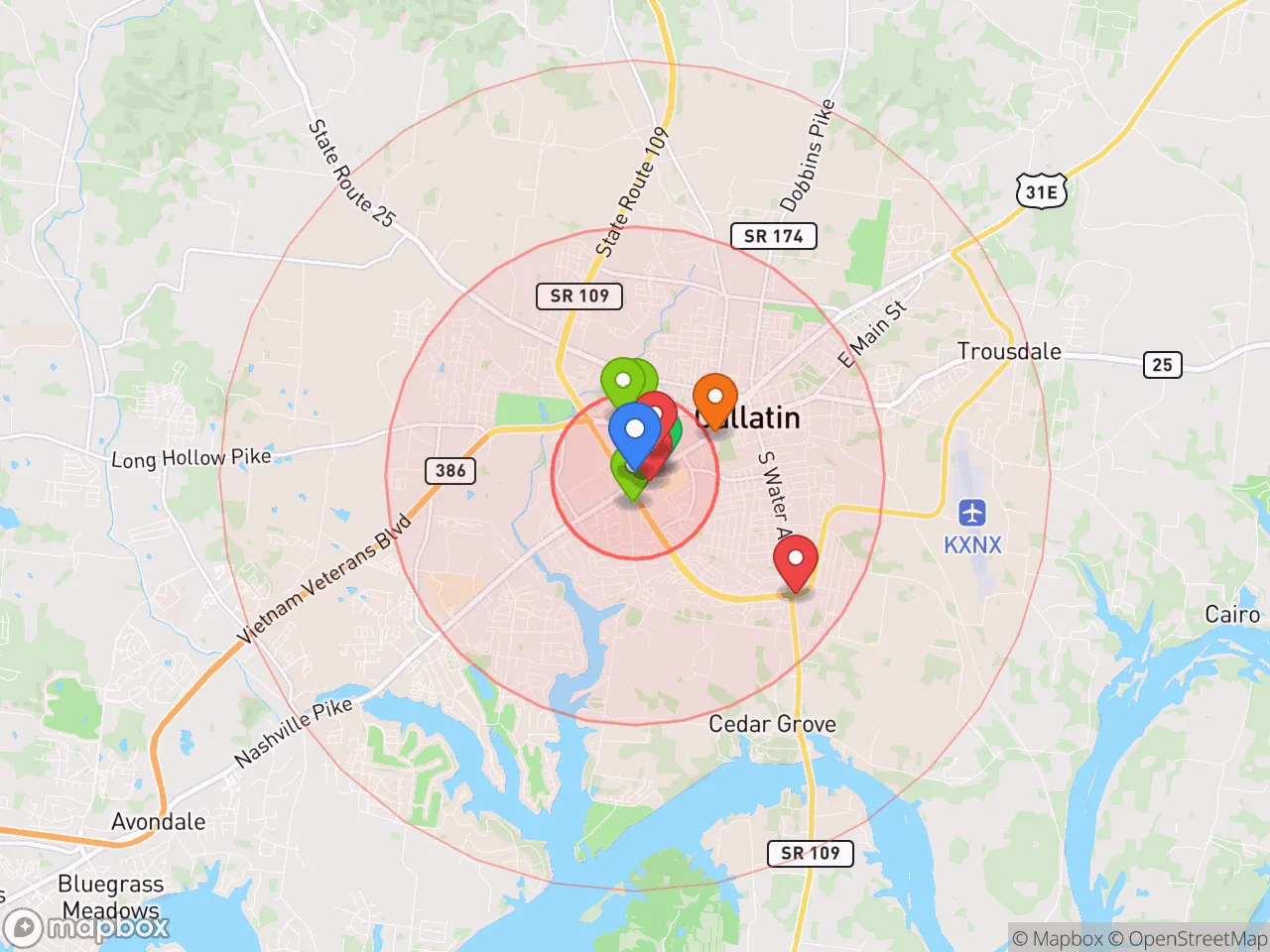
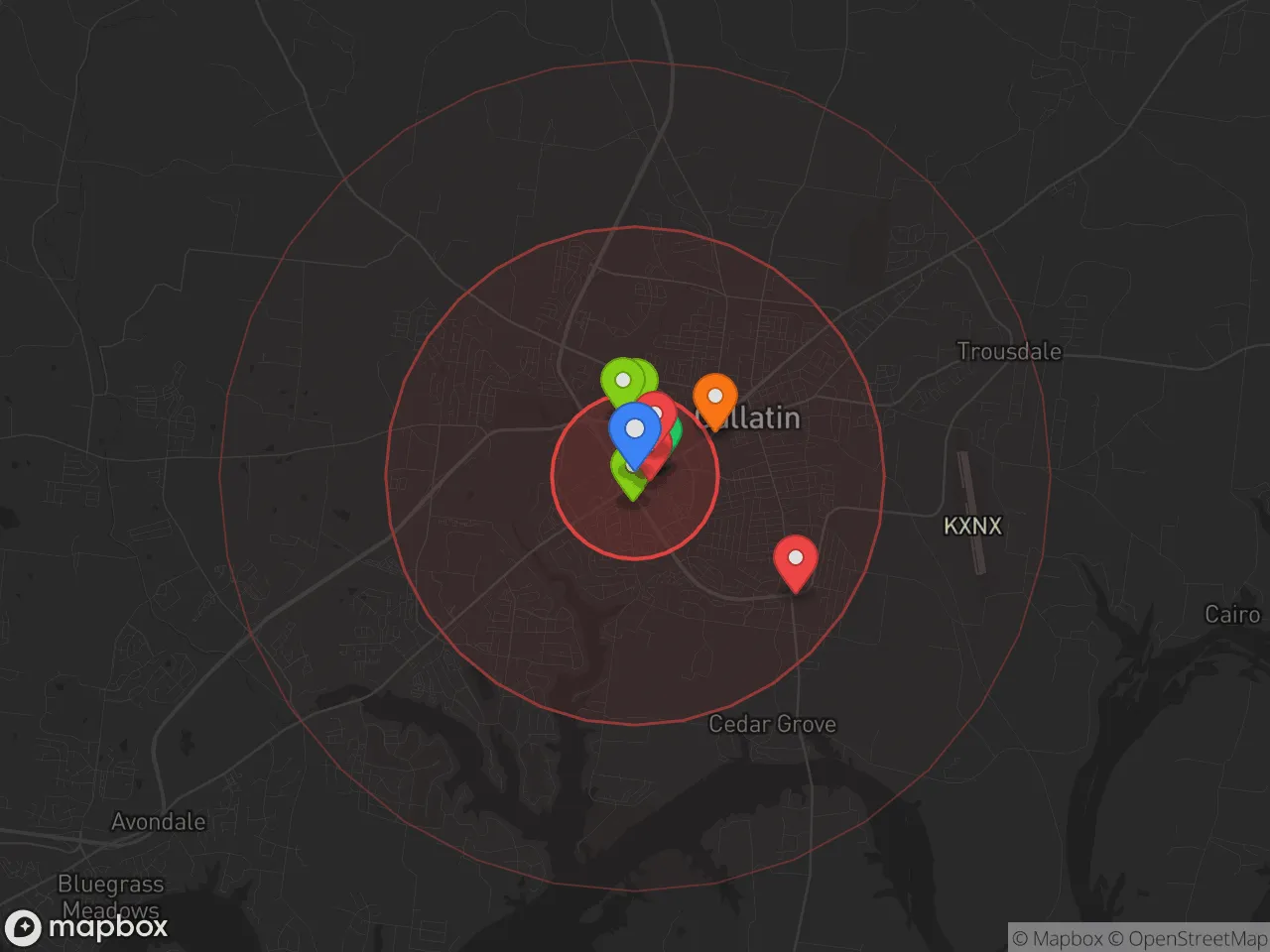
Hobbies
Explore the areaGroceries
6 within 10 miles
Gas
20 within 10 miles
Hospital
9 within 20 miles
Airport
BNA — Nashville International
Post Office
USPS — Gallatin, TN
Critical Amenities
Quality-of-Life Analysis
Gallatin, Tennessee, has evolved from a quiet Sumner County seat into one of the Nashville region's most sought-after suburbs, attracting a mix of young families, remote professionals, and long-time locals drawn by its blend of historic charm and modern growth. With a cost of living index of 116 (16% above the U.S. average), the city sits at a notable affordability premium compared to the national baseline, yet remains a relative bargain when stacked against the booming prices of nearby Brentwood or Franklin. The typical resident is a homeowner in their mid-30s to mid-40s, often commuting to Nashville for work, while a growing cohort of retirees and service-industry workers also call Gallatin home, creating a demographic cross-section that values space, schools, and a slower pace than the urban core.
Cost of living, housing, and affordability compared to Nashville and Hendersonville
Gallatin’s housing market reflects its position as a more affordable alternative to Nashville’s inner-ring suburbs. The median home value sits at $343,700, roughly $60,000 less than Hendersonville and nearly $150,000 below Franklin, making it one of the more accessible entry points for buyers seeking a detached home within commuting distance of Music City. Median rent is $1,299, which is about $200 cheaper than the Nashville metro average and significantly less than the $1,800+ typical in Brentwood. However, the cost of living index of 116 means groceries, utilities, and transportation all run above the national norm, driven largely by Tennessee’s relatively high sales tax (9.25% in Sumner County) and rising property taxes as home values appreciate. The average commute of 26.7 minutes is slightly longer than the national average (26.1 minutes), but notably shorter than the 30+ minute commutes common in Williamson County, thanks to Gallatin’s direct access to State Route 386 and I-65. For renters, the market is tight: vacancy rates hover around 4%, and newer apartment complexes near the Gallatin Pike corridor command rents above $1,400 for a two-bedroom, pushing many to look at older duplexes or townhomes in the historic district for better value.
What daily life is like for families: schools, amenities, and recreation
Daily life in Gallatin revolves around a mix of established neighborhoods, the historic downtown square, and a growing network of parks and retail. The Sumner County School system serves the city, with Gallatin High School and Rucker-Stewart Middle School being the primary public options; both have seen enrollment climb as new subdivisions fill in, leading to ongoing construction of a new elementary school on Long Hollow Pike. For private education, Pope John Paul II High School (Catholic) and Merrol Hyde Magnet School (a K-12 public magnet with competitive admissions) are popular choices. Amenities are anchored by the Gallatin Civic Center (with an indoor pool and fitness facilities) and the Bledsoe Creek State Park just east of town, offering hiking, fishing, and camping on Old Hickory Lake. The downtown square has seen a revival: local coffee shops like Steam Coffee & Creamery and breweries like Gallatin Brewing Company draw residents on weekends, while the Gallatin Farmers Market runs May through October. Retail is concentrated along Nashville Pike, with a Walmart Supercenter, Kroger, and a growing number of chain restaurants, though residents often drive to Hendersonville (15 minutes south) for more upscale dining or to the Opry Mills mall (25 minutes) for major shopping. The rhythm is distinctly suburban: kids play in neighborhood cul-de-sacs, weekend mornings are spent at the park or on the lake, and the commute to Nashville is a manageable half-hour for those working downtown or in the medical centers.
Gallatin is best suited for families and professionals who want a detached home with a yard, good public schools, and a slower pace than Nashville, but who still need reasonable access to urban jobs and entertainment. Remote workers will appreciate the lower home prices compared to Williamson County, while retirees on fixed incomes should budget carefully for the above-average cost of living and rising property taxes. Those seeking a vibrant nightlife or walkable urban core will find Gallatin lacking—it remains a car-dependent, family-oriented suburb where the biggest draws are space, safety, and proximity to Old Hickory Lake. For buyers priced out of Hendersonville or Franklin, or for renters tired of Nashville’s escalating rents, Gallatin offers a tangible middle ground: a genuine small-town feel with the infrastructure and commute times of a growing exurb.

Crime in Gallatin, TN
Generally safer than 68% of comparable U.S. locations.
Violent CrimeViolent Crime Analysis
Property CrimeProperty Crime Analysis
Crime Analysis
Gallatin, Tennessee, reports a violent crime rate of 175.8 incidents per 100,000 residents and a property crime rate of 434.1 per 100,000, figures that place it well below national averages for cities of its size. This small city, located roughly 30 miles northeast of Nashville, benefits from a lower population density and a more conservative local justice system compared to the core urban county. However, as a growing suburb within the broader Nashville metropolitan area, Gallatin is not immune to the regional crime pressures that accompany rapid population growth and the proximity to a major urban center.
Crime in context
Gallatin’s violent crime rate is roughly 52% lower than the national average of approximately 370 per 100,000, and its property crime rate is about 40% lower than the U.S. average of roughly 1,950 per 100,000. These numbers place Gallatin among the safer municipalities in Sumner County. By contrast, Nashville-Davidson County, which operates under a more progressive district attorney and judicial philosophy, reported a violent crime rate of approximately 1,100 per 100,000 in 2024—over six times higher than Gallatin’s. The disparity underscores the impact of local prosecutorial and sentencing policies: jurisdictions with liberal, offender-focused approaches tend to see higher recidivism and more street-level crime, directly harming public safety and victim justice. Gallatin’s comparatively conservative legal environment helps keep its rates low.
What residents experience
Daily life in Gallatin reflects these statistics. Residents commonly report feeling safe walking in downtown areas and using city parks, with most crime concentrated in specific commercial corridors and apartment complexes near the Vietnam Veterans Boulevard (SR-386) interchange. The most frequent property crimes are vehicle break-ins and package thefts from porches, typical of suburban growth areas. Violent incidents are rare and usually involve known parties rather than random attacks. The Gallatin Police Department maintains a visible presence and has adopted community policing strategies, which contributes to a sense of security. However, as the city’s population grows—up roughly 20% since 2020—residents should expect some increase in opportunistic property crime unless the city continues to fund adequate police staffing and maintain its current prosecutorial stance.
Neighborhood-level variation is notable. Established, older neighborhoods like the historic district around the town square and the Fairvue Plantation area report near-zero violent crime and very low property crime. Newer subdivisions on the city’s western edge, closer to the Hendersonville line, also show strong safety records. In contrast, multifamily housing complexes along Nashville Pike and near the Walmart Supercenter see higher rates of theft and occasional drug-related incidents. Prospective residents should examine block-level crime maps for specific apartment addresses, as a single problematic complex can skew a neighborhood’s perception. Overall, Gallatin offers a significantly safer environment than Nashville proper, largely due to its local legal and policing philosophy.
* Values derived from national, state, county, city and local statistics and may differ in a specific area. Last updated: 2026-05-01T18:05:01.000Z
Narrative content on this page is AI-generated and may contain mistakes. Verify any details that matter before acting on them.
ReloMaps may earn a commission from affiliate links at no extra cost to you.

