 Popular
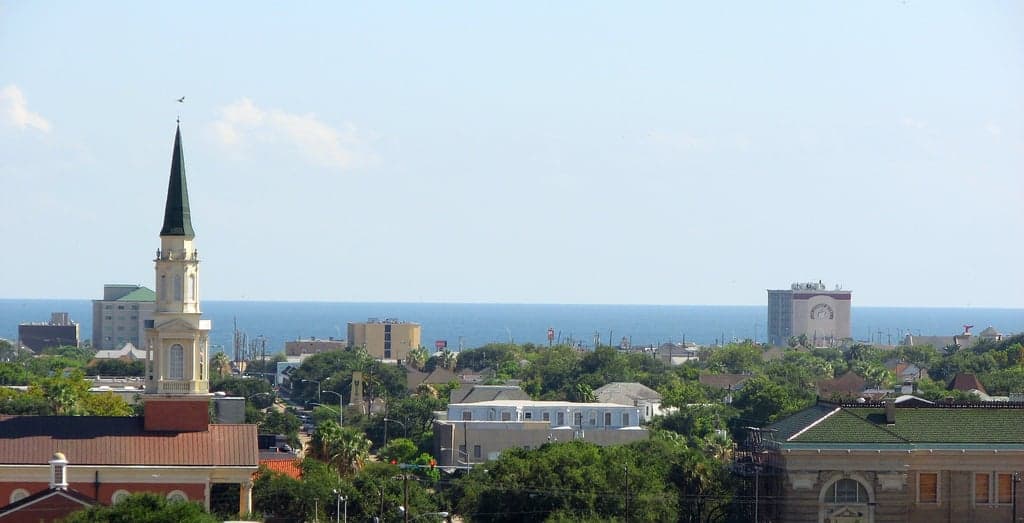
Photo: Wikipedia
Quality of Life in Galveston, TX
A high quality of life with strong walkability, manageable living costs, healthy neighborhood signals, and solid amenity access.
What does Quality of Life tell us?
Quality of Life blends cost of living, nearby amenities, socioeconomic signals, and neighborhood character. City-level scores represent the whole municipality; individual neighborhoods can differ.
What does this tell us?
Quality of Life blends cost of living, nearby amenities, socioeconomic signals, and neighborhood character. City-level scores represent the whole municipality; individual neighborhoods can differ.
Cost of Living
8% above national average
The Real Cost of Living in Galveston, TX for 2026
| Tier | Individual | Family (4) |
|---|---|---|
| Survival | $20k | $38k |
| Comfortable | $57k | $84k |
| Luxury | $103k+ | $160k+ |
| Elite (Top 5%) | $149k+ | $231k+ |
68%
The Area Signal
A metric tracking the socioeconomic signals of the area.
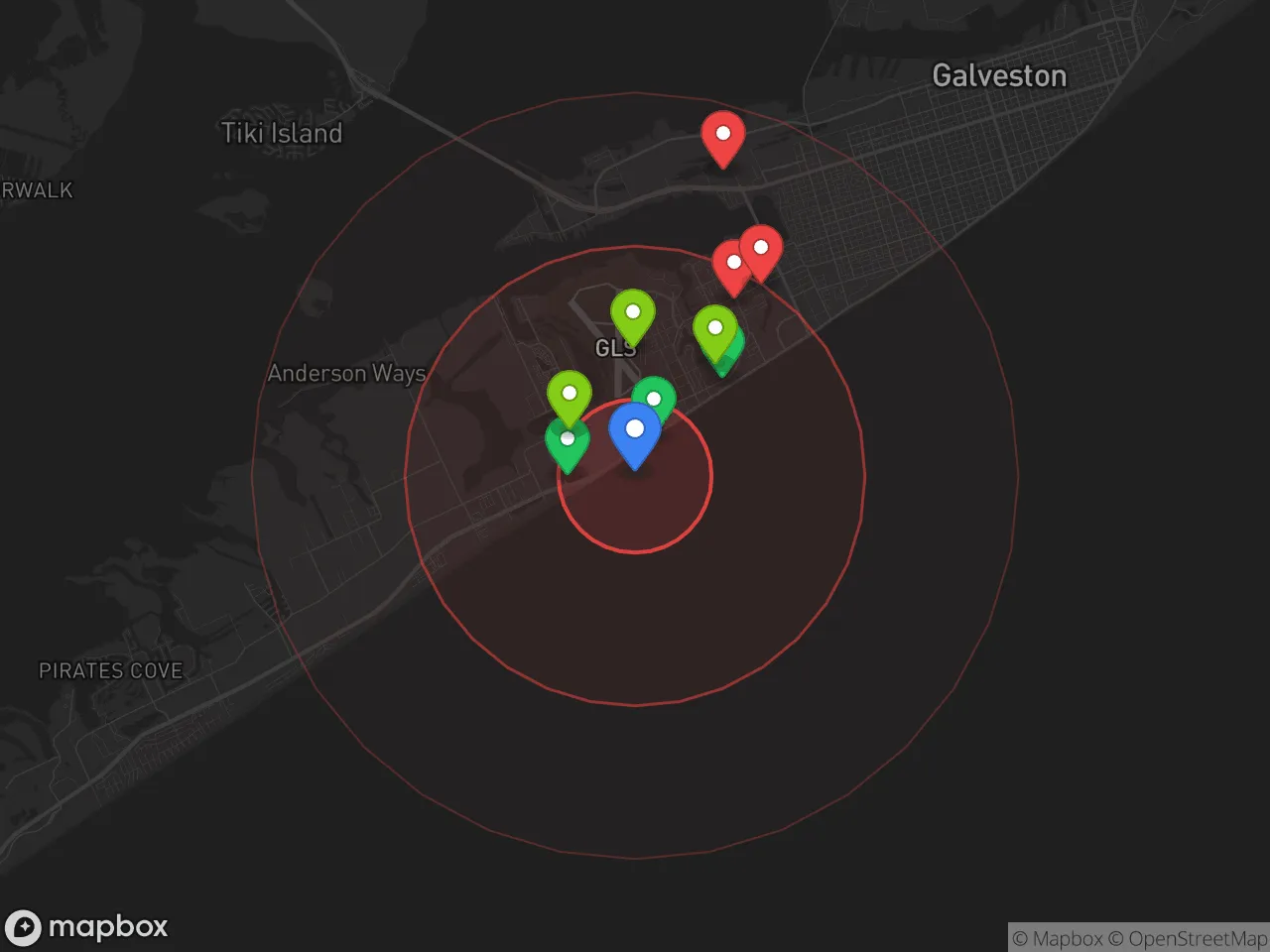
Hobbies
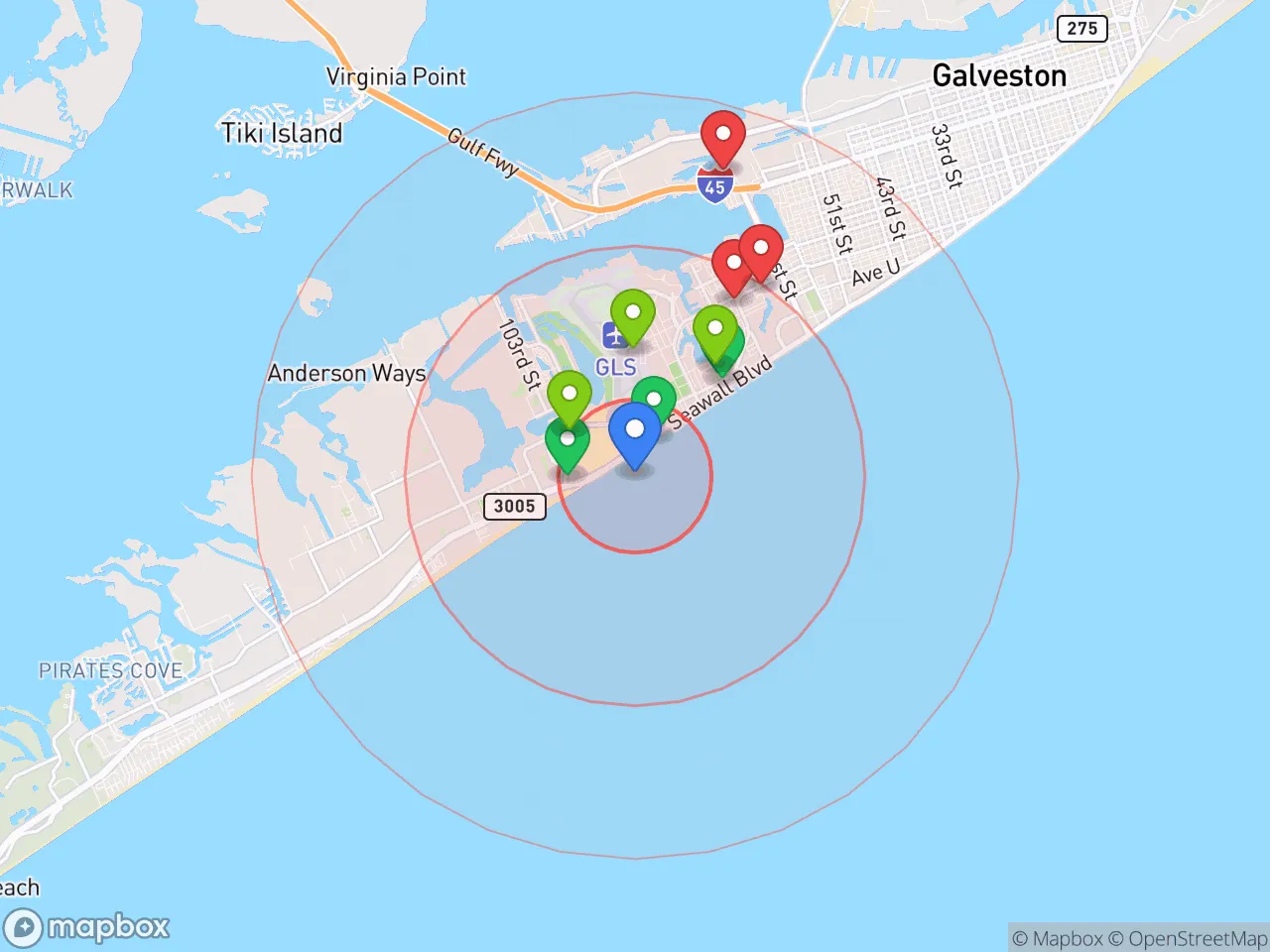
Explore the areaGroceries
4 within 10 miles
Gas
20 within 10 miles
Hospital
10 within 20 miles
Airport
IAH — George Bush Intercontinental
Post Office
USPS — Galveston, TX
Critical Amenities
Quality-of-Life Analysis
Galveston, Texas, presents a distinctive quality-of-life profile where coastal living meets a moderate cost of living, attracting a mix of retirees, young professionals, and second-home owners. The island’s affluence is modest compared to mainland suburbs like League City or Friendswood, with a median household income around $52,000, reflecting a working-to-middle-class base alongside a growing tourism-driven economy. Residents tend to be long-term locals, seasonal vacationers, and employees of the University of Texas Medical Branch (UTMB) or the Port of Galveston, creating a community that values beach access and historic charm over suburban sprawl.
Cost of living and housing affordability compared to Houston and League City
Galveston’s cost of living index sits at 108 (100 = U.S. average), making it slightly more expensive than the national baseline but notably cheaper than many other Gulf Coast beach towns. The median home value of $294,300 is roughly 15% lower than in nearby League City ($345,000) and about 25% below the Houston metro average, offering a relative bargain for buyers seeking waterfront property. Median rent is $1,278, which is comparable to Houston’s citywide average but higher than in Texas City or La Marque. However, flood insurance premiums—often $2,000–$5,000 annually—add a significant hidden cost that mainland suburbs do not face. The average commute of 21 minutes is short by metro standards, with most residents working on the island or commuting to Texas City; trips to downtown Houston take 50–70 minutes, a trade-off for those who prioritize coastal living over urban convenience.
Schools, amenities, and what daily life is like on the island
Galveston Independent School District (GISD) serves the area with 14 campuses, though performance is mixed—Ball High School holds a C rating from the Texas Education Agency, while elementary schools like Oppe and Morgan rank higher. For private options, Trinity School of Texas offers K–12. Daily life revolves around the seawall, the Strand Historic District, and local parks like Stewart Beach and East Beach. The island lacks major shopping malls (the closest is in Texas City, 15 minutes away), but residents rely on local grocers like Kroger and H-E-B. Amenities include UTMB’s Level I trauma center, the Galveston Island Convention Center, and over 30 miles of beaches. The rhythm is seasonal: summer brings heavy tourist traffic and event crowds (e.g., Mardi Gras, Lone Star Rally), while fall and winter offer quieter, more affordable living. Flooding from heavy rain and king tides remains a routine concern, with many homes requiring elevation or flood-proofing.
Galveston is best suited for those who prioritize beach proximity, historic character, and a slower pace over top-tier schools or suburban amenities. Retirees on fixed incomes may find the cost manageable if they factor in insurance, while remote workers and UTMB employees benefit from the short commute. Families should weigh school options carefully, and anyone buying property must budget for flood risk. The island’s unique blend of tourism, maritime industry, and coastal resilience creates a quality of life that is distinctly different from mainland Texas—rewarding for those who embrace its quirks, challenging for those who expect suburban predictability.

Crime in Galveston, TX
Higher crime rates than 65% of comparable U.S. locations.
Violent CrimeViolent Crime Analysis
Property CrimeProperty Crime Analysis
Crime Analysis
Galveston's overall safety picture is mixed, with crime rates significantly higher than both Texas and national averages, a reality shaped in part by the city's status as a major tourist destination and its location within a large, liberal-leaning metro area. The island city recorded a violent crime rate of 495.2 incidents per 100,000 residents and a property crime rate of 2,253.8 per 100,000 in the most recent reporting period. These figures place Galveston in a challenging position for prospective residents, particularly those concerned about the broader criminal justice environment in the Houston-Galveston region, where progressive district attorneys and judges have been criticized for policies that prioritize offender rehabilitation over public safety and victim justice.
Crime in context
Galveston's violent crime rate is roughly 30% higher than the Texas state average and nearly 40% higher than the national average, a disparity that demands careful consideration. Property crime in the city is even more elevated, exceeding the state average by approximately 25% and the national average by over 30%. These numbers are not outliers for a coastal tourist hub, but they are compounded by the legal and prosecutorial environment of Galveston County and the broader Houston metro area. Critics of the region's justice system point to policies like cash bail reform and reduced sentencing guidelines as factors that can lead to higher recidivism and more criminals on the street, directly impacting the safety of law-abiding residents and visitors.
What residents experience
For those living in Galveston, the high property crime rate is the most tangible daily concern. Theft from vehicles, burglaries of vacation rentals, and package theft are common complaints, particularly in areas near the Seawall and the Strand historic district. Violent crime, while less frequent, is concentrated in specific pockets and often tied to drug activity or domestic disputes. Residents also report a sense that the justice system's leniency—exemplified by the Galveston County District Attorney's office's occasional use of diversion programs for repeat offenders—undermines deterrence. This perception is reinforced by local news coverage of suspects released on low bail who re-offend, a pattern that fuels frustration among homeowners and business owners alike.
Neighborhood-level variation is significant, however. The East End and historic districts near the University of Texas Medical Branch tend to see more property crime due to higher foot traffic and transient populations. In contrast, the West End—areas like Jamaica Beach and Pirate's Beach—generally report lower crime rates, though they are not immune to occasional burglaries. Gated communities and homes with private security systems in the West End offer a relative buffer, but the overarching reality is that Galveston's crime problem is a regional one, tied to the policies of a metro area where progressive criminal justice reforms have been prioritized over the safety and rights of victims and the general public.
* Values derived from national, state, county, city and local statistics and may differ in a specific area. Last updated: 2026-05-12T00:16:58.000Z
Narrative content on this page is AI-generated and may contain mistakes. Verify any details that matter before acting on them.
ReloMaps may earn a commission from affiliate links at no extra cost to you.

