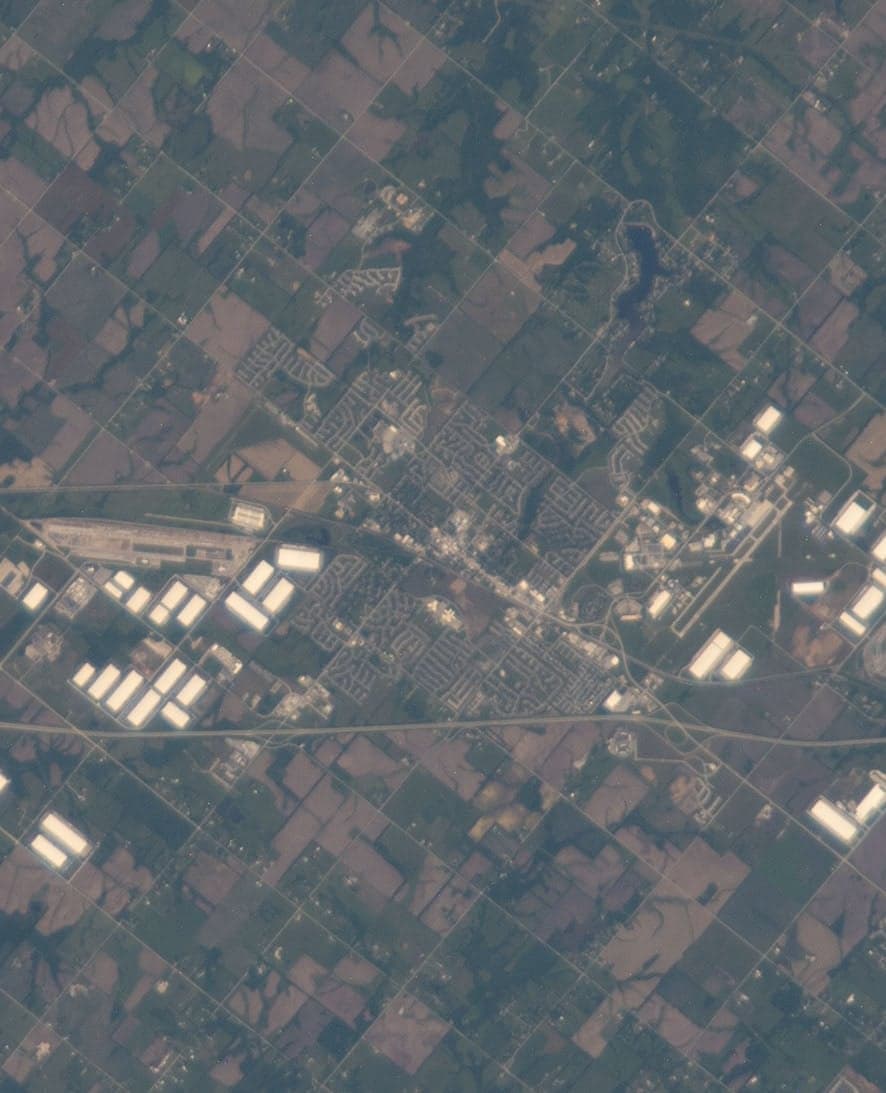
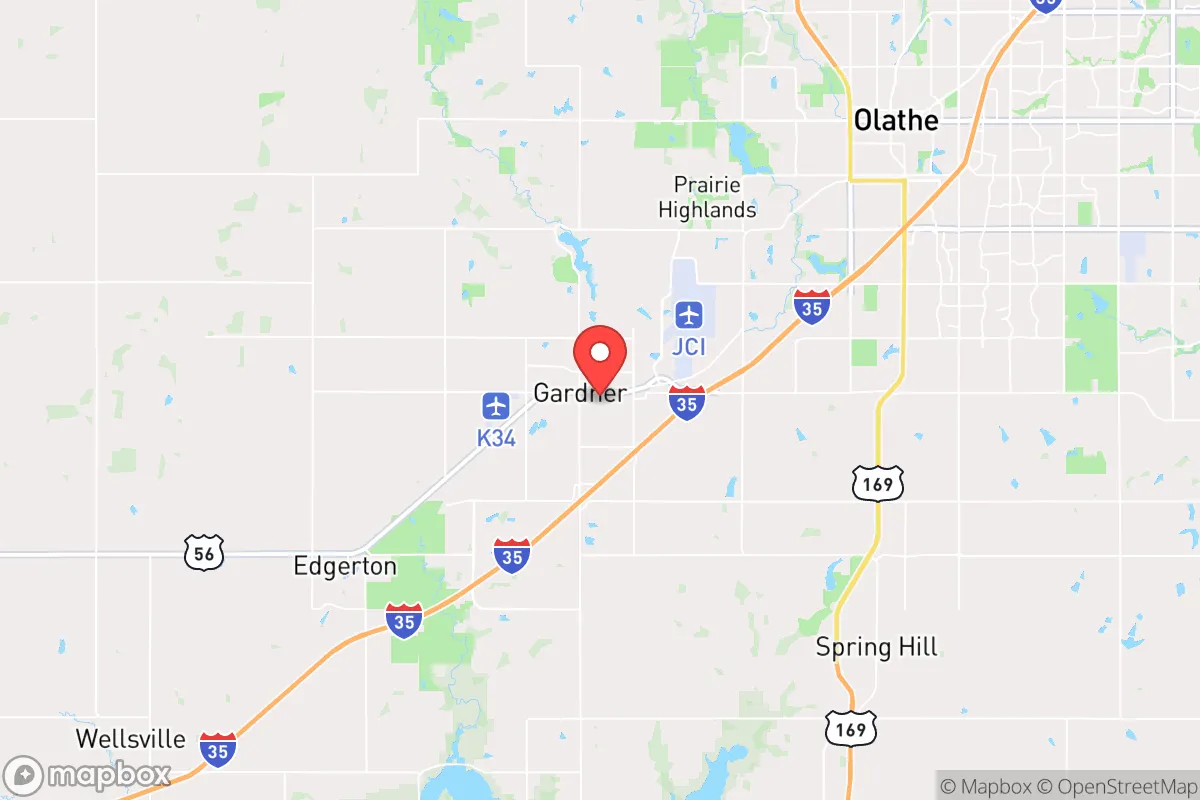
Photo: Wikipedia
Quality of Life in Gardner, KS
A high quality of life with strong walkability, manageable living costs, healthy neighborhood signals, and solid amenity access.
What does Quality of Life tell us?
Quality of Life blends cost of living, nearby amenities, socioeconomic signals, and neighborhood character. City-level scores represent the whole municipality; individual neighborhoods can differ.
What does this tell us?
Quality of Life blends cost of living, nearby amenities, socioeconomic signals, and neighborhood character. City-level scores represent the whole municipality; individual neighborhoods can differ.
Cost of Living
6% above national average
The Real Cost of Living in Gardner, KS for 2026
| Tier | Individual | Family (4) |
|---|---|---|
| Survival | $21k | $39k |
| Comfortable | $54k | $79k |
| Luxury | $122k+ | $189k+ |
| Elite (Top 5%) | $144k+ | $223k+ |
117%
The Area Signal
A metric tracking the socioeconomic signals of the area.
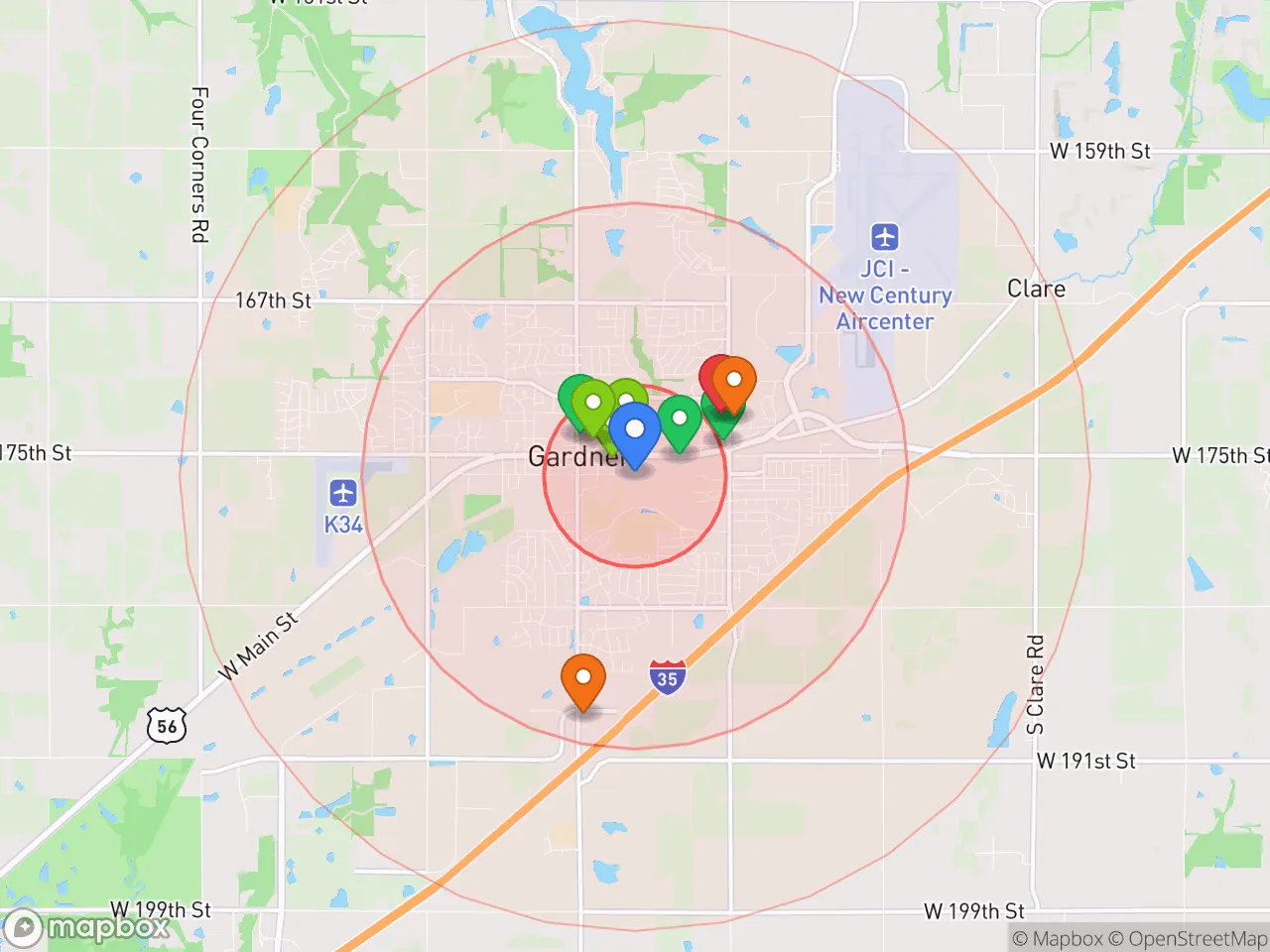
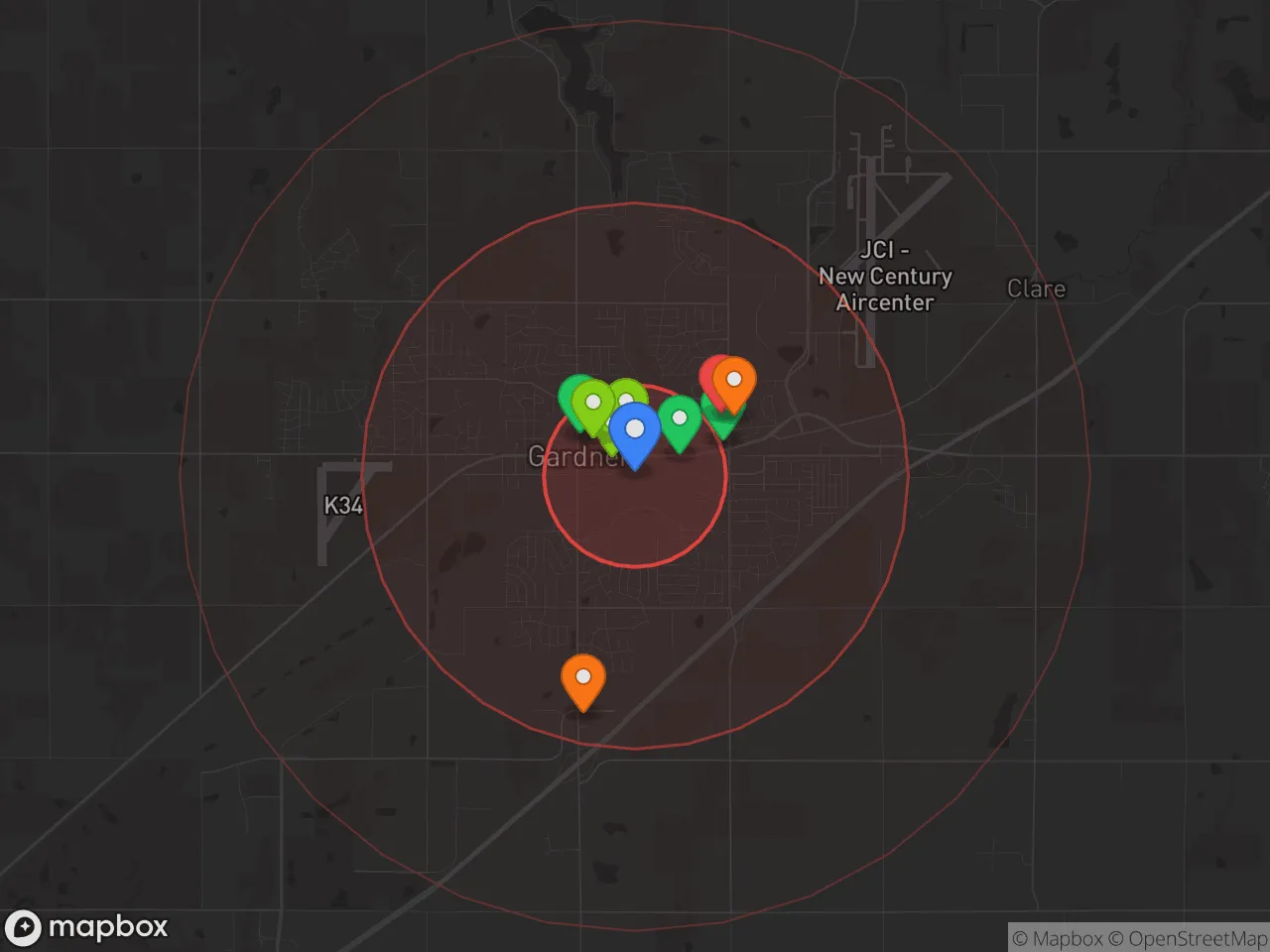
Hobbies
Explore the areaGroceries
4 within 10 miles
Gas
20 within 10 miles
Hospital
20 within 20 miles
Airport
MCI — Kansas City International
Post Office
USPS — Gardner, KS
Critical Amenities
Quality-of-Life Analysis
Gardner, Kansas, presents a quality of life defined by steady suburban growth and a cost of living that remains accessible compared to nearby Johnson County hubs. With a cost-of-living index of 106 (just 6% above the national average), the city attracts a mix of young families, first-time homebuyers, and long-term residents seeking more space and lower overhead than Overland Park or Olathe. The median household income of roughly $85,000 supports a predominantly middle-to-upper-middle-class population, with many residents working in professional, healthcare, and logistics roles within the Kansas City metro.
Cost of living, housing, and how Gardner compares to nearby cities
Gardner’s housing market is a primary draw for affordability-conscious buyers. The median home value sits at $276,000, notably lower than Olathe’s median of roughly $360,000 and Overland Park’s $400,000-plus range. Median rent of $1,296 is also competitive, undercutting Johnson County averages by about 15-20%. While property taxes in Johnson County are moderate (around 1.3% of assessed value), Gardner’s overall tax burden is slightly lower than in neighboring cities due to its smaller municipal footprint. The average commute of 23.3 minutes is manageable, with most traffic flowing north on I-35 toward Kansas City or west to the De Soto logistics corridor. However, rush-hour congestion on 175th Street and Gardner Road can add 10-15 minutes, a trade-off for the lower home prices.
Amenities, schools, and what daily life feels like in Gardner
Daily life in Gardner centers on a growing network of parks, local retail, and the Gardner Edgerton School District (USD 231). The district’s high school, Gardner Edgerton High, has a graduation rate above 95% and offers strong STEM and vocational programs, making it a draw for families. The city maintains over 20 parks, including the 80-acre Gardner Lake Park with walking trails and fishing, and the Gardner Aquatic Center for summer recreation. Dining and shopping are concentrated along US-56 and 175th Street, with chains like Hy-Vee and local spots such as the Gardner Coffeehouse. For broader entertainment, residents drive 15-20 minutes to Olathe’s Great Mall or 30 minutes to downtown Kansas City. The city’s annual Gardner Fall Festival and weekly farmers market from May to October foster a small-town feel despite the suburban growth.
Gardner is best suited for those who prioritize affordability and space over urban density. Families with school-age children will find the district’s performance and park system appealing, while commuters will appreciate the 23-minute average drive to major employment centers like the Kansas City International Airport or the De Soto Panasonic plant. Retirees on fixed incomes may prefer the lower rent and quieter pace, though the lack of a major hospital or cultural venues within city limits means occasional trips to Olathe or Overland Park. For anyone seeking a balanced, lower-cost entry into the Kansas City metro with solid schools and a growing community, Gardner offers a compelling, data-backed option.

Crime in Gardner, KS
Lower crime rates than 78% of comparable U.S. locations.
Violent CrimeViolent Crime Analysis
Property CrimeProperty Crime Analysis
Crime Analysis
Gardner, Kansas, presents a mixed safety profile that reflects its dual identity as a fast-growing suburb of the Kansas City metro area and a community grappling with property crime rates significantly above national averages. While violent crime in Gardner is notably low—at 177.5 incidents per 100,000 residents, well below both the Kansas state average and the national rate—the city’s property crime rate of 1,261.4 per 100,000 is a more pressing concern for potential residents. This elevated property crime figure places Gardner above the national benchmark and warrants careful consideration, especially given the broader context of Johnson County’s proximity to Kansas City, Missouri, where progressive prosecutorial policies have been linked to higher recidivism and reduced public safety outcomes.
Crime in context
When compared to state and national figures, Gardner’s violent crime rate is a clear positive. The national violent crime rate hovers around 380 per 100,000, meaning Gardner’s rate is roughly half that, and it also undercuts the Kansas state average of approximately 330 per 100,000. However, the property crime picture is less reassuring. The national property crime rate sits near 1,950 per 100,000, but Gardner’s rate of 1,261.4 is still elevated relative to many other Johnson County suburbs, which often report rates below 1,000. The disparity is partly attributable to Gardner’s location along the I-35 corridor, which provides easy access for transient property crime rings operating out of the larger metro area. The influence of progressive district attorneys in nearby Jackson County, Missouri, who have implemented policies such as reduced cash bail and diversion programs for repeat offenders, has been cited by local law enforcement as a factor in property crime spillover into Kansas suburbs like Gardner.
What residents experience
For those living in Gardner, the day-to-day reality is that violent confrontations are rare, but theft and burglary are not. The most common property crimes include vehicle break-ins, package theft from porches, and burglaries of unlocked sheds or garages. Gardner Police Department has responded by increasing patrols in newer subdivisions and encouraging neighborhood watch programs, but the city’s rapid expansion—its population has more than doubled since 2010—has strained resources. Residents in older, established neighborhoods near the downtown core generally report feeling safer than those in newer developments on the city’s outskirts, where construction sites and vacant homes can attract criminal activity. The city’s overall safety is also shaped by its status as a bedroom community: many residents commute to jobs in Overland Park or Kansas City, leaving homes unattended during the day, which opportunistic thieves exploit.
Neighborhood-level variation
Safety in Gardner is not uniform. The area around the intersection of US-56 and I-35, which hosts big-box retail and fast-food outlets, sees a disproportionate share of property crime, including shoplifting and vehicle theft. In contrast, the residential neighborhoods south of 175th Street and west of Moonlight Road—such as the Stonebridge Creek and Prairie Trails subdivisions—report lower incident rates, partly due to active homeowners’ associations and private security patrols. The city’s newer developments east of I-35, like the Cedar Creek area, have experienced a spike in burglaries during the 2023-2025 period, correlating with construction delays and vacant inventory. Prospective buyers should request specific crime data from the Gardner Police Department for their target street or subdivision, as block-level variation can be significant.
* Values derived from national, state, county, city and local statistics and may differ in a specific area. Last updated: 2026-05-05T08:46:13.000Z
Narrative content on this page is AI-generated and may contain mistakes. Verify any details that matter before acting on them.
ReloMaps may earn a commission from affiliate links at no extra cost to you.

