
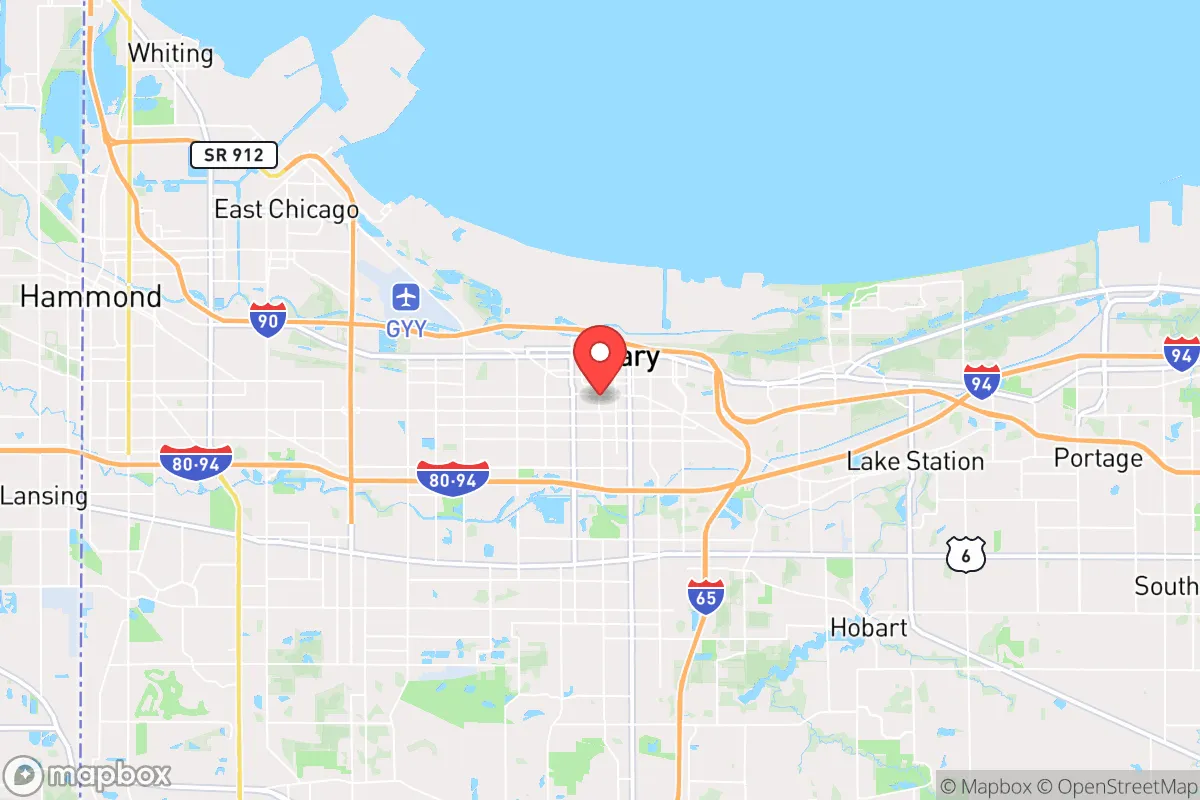
Photo: Wikipedia
Quality of Life in Gary, IN
Above-average quality of iife. The area offers a reasonable cost of living, decent mobility, and a mix of neighborhood amenities.
What does Quality of Life tell us?
Quality of Life blends cost of living, nearby amenities, socioeconomic signals, and neighborhood character. City-level scores represent the whole municipality; individual neighborhoods can differ.
What does this tell us?
Quality of Life blends cost of living, nearby amenities, socioeconomic signals, and neighborhood character. City-level scores represent the whole municipality; individual neighborhoods can differ.
Cost of Living
38% below national average
The Real Cost of Living in Gary, IN for 2026
| Tier | Individual | Family (4) |
|---|---|---|
| Survival | $16k | $29k |
| Comfortable | $25k | $36k |
| Luxury | $68k+ | $105k+ |
| Elite (Top 5%) | $93k+ | $144k+ |
103%
The Area Signal
A metric tracking the socioeconomic signals of the area.
Hobbies
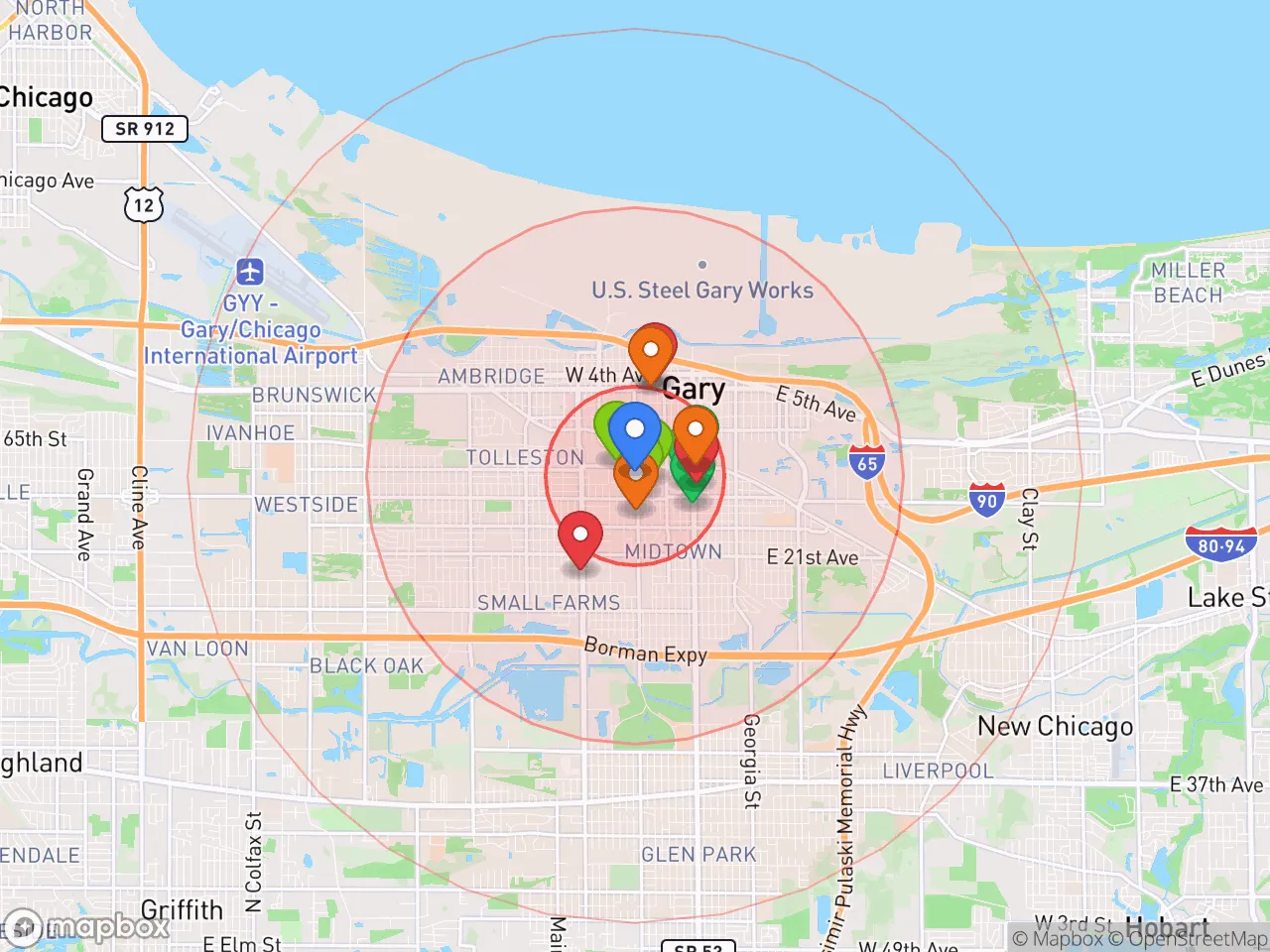
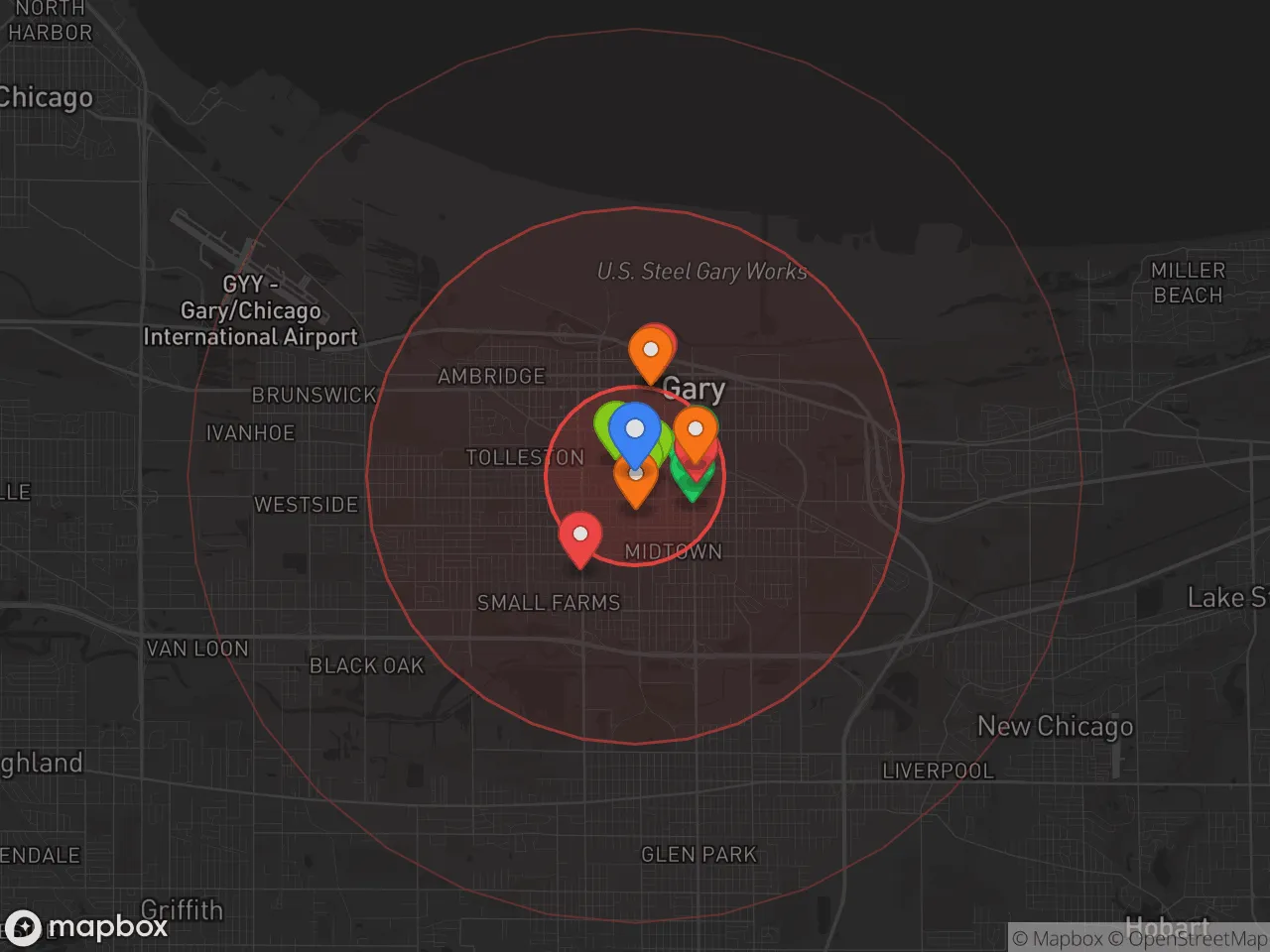
Explore the areaGroceries
7 within 10 miles
Gas
20 within 10 miles
Hospital
20 within 20 miles
Airport
MDW — Midway International
Post Office
USPS — Gary, IN
Critical Amenities
Quality-of-Life Analysis
Gary, Indiana, presents a unique quality-of-life profile defined by extreme affordability and significant socioeconomic challenges. With a cost of living index of 62—38% below the U.S. average—the city attracts residents seeking low housing costs and a slower pace, but it also contends with population decline and limited economic opportunity. The typical resident is often a long-term homeowner, a retiree on a fixed income, or a commuter working in Chicago or nearby industrial hubs, drawn by the prospect of owning a home for a fraction of regional prices.
Cost of living, housing, and how Gary compares to nearby areas
Gary’s cost of living is among the lowest in the Chicago metropolitan area, driven almost entirely by housing. The median home value sits at $85,300, compared to roughly $300,000 in Chicago proper and over $200,000 in neighboring Lake County suburbs like Crown Point or Merrillville. Median rent is $975, significantly undercutting the Chicago metro median of around $1,400. This affordability allows residents to own property outright or pay minimal mortgages, but it also reflects a depressed housing market with high vacancy rates and limited new construction. The average commute of 26.4 minutes is shorter than the Chicago metro average of 33 minutes, largely because many residents work within Lake County or in nearby industrial zones rather than downtown Chicago. However, for those commuting to the Loop via the South Shore Line, travel times can exceed an hour each way, offsetting some cost savings with time and transit expenses.
Amenities, schools, and what daily life is like for families
Daily life in Gary is shaped by a mix of urban challenges and natural assets. The city offers the Indiana Dunes National Park, a major recreational draw with beaches and hiking trails, and the Gary/Chicago International Airport provides limited commercial flights. However, retail and dining options are sparse compared to suburban corridors; most residents drive to Merrillville or Hobart for grocery stores, restaurants, and shopping. The Gary Community School Corporation has struggled with underfunding and low graduation rates, leading many families to choose charter schools or enroll in neighboring districts like Lake Central or Portage. Public safety remains a concern—Gary’s violent crime rate is roughly three times the national average—though property crime has declined modestly since 2020. For families, the trade-off is clear: extremely low housing costs versus limited school quality and higher crime risk, making the city more appealing to childless adults or those willing to invest in private education.
Gary is best suited for cost-conscious buyers who prioritize homeownership over suburban amenities and are comfortable navigating a city with a complex reputation. Retirees on fixed incomes, real estate investors seeking rental properties, and commuters who work in Lake County’s industrial sector (steel, logistics, manufacturing) will find the most value. Families should weigh the school and safety trade-offs carefully, while remote workers may appreciate the low rent but will need to account for limited local services. For those who can tolerate its challenges, Gary offers a rare opportunity to own a home for under $100,000 within an hour of Chicago.

Crime in Gary, IN
Significantly higher crime rates than 83% of comparable U.S. locations.
Violent CrimeViolent Crime Analysis
Property CrimeProperty Crime Analysis
Crime Analysis
Gary, Indiana, faces a severe public safety crisis, with violent crime rates more than three times the national average and property crime rates that also significantly exceed typical U.S. figures. The city's 2024 crime data paints a stark picture: a violent crime rate of 1,303.6 per 100,000 residents and a property crime rate of 2,846.9 per 100,000. These numbers place Gary among the most dangerous cities in the Midwest, a reality driven by decades of industrial decline, population loss, and a criminal justice system that has been influenced by progressive policies in Lake County.
Crime in context
Gary's violent crime rate of 1,303.6 per 100,000 is approximately 3.5 times the national average of roughly 370 per 100,000. It also far exceeds the Indiana state average of about 400 per 100,000. Property crime in Gary, at 2,846.9 per 100,000, is roughly 1.5 times the national average. These figures are not anomalies; they reflect a persistent trend. The high crime rates are directly linked to the policies of Lake County's elected officials, including a prosecutor and judges who have embraced progressive criminal justice reforms. These reforms, while often framed as compassionate, have resulted in reduced sentences, lower bail requirements, and a general reluctance to hold repeat offenders accountable. The practical effect is a revolving door for criminals, undermining deterrence and leaving residents vulnerable to property theft, assault, and worse.
What residents experience
For those living in Gary, crime is not an abstract statistic but a daily reality. The risk of becoming a victim of violent crime is significantly elevated, with residents facing a 1 in 77 chance of experiencing a violent incident. Property crime is even more pervasive, with a 1 in 35 chance of victimization. This environment fosters a climate of fear, where routine activities like walking to a store or leaving a car parked overnight carry genuine risk. The city's struggles are compounded by a diminished police force and strained municipal resources, which struggle to keep pace with the volume of criminal activity. The progressive ideology that prioritizes the circumstances of offenders over the safety of the law-abiding public has directly contributed to this crisis, as it reduces the consequences for criminal behavior and erodes public trust in the justice system.
Neighborhood-level variation
While the citywide numbers are alarming, safety conditions vary dramatically by neighborhood. Areas like the Glen Park and Miller Beach neighborhoods, particularly those closer to the lakefront and with higher property values, experience notably lower crime rates than the city average. In contrast, the Midtown and Downtown corridors, along with the Emerson and Pulaski neighborhoods, are epicenters of violent and property crime. Even in safer pockets, however, the proximity to high-crime zones and the city's overall reputation for lawlessness mean that no resident is entirely insulated. The most effective strategy for anyone considering a move to Gary is to research block-level crime data and, ideally, visit the area at different times of day to assess the actual conditions on the ground.
* Values derived from national, state, county, city and local statistics and may differ in a specific area. Last updated: 2026-04-22T09:25:23.000Z
Narrative content on this page is AI-generated and may contain mistakes. Verify any details that matter before acting on them.
ReloMaps may earn a commission from affiliate links at no extra cost to you.

