
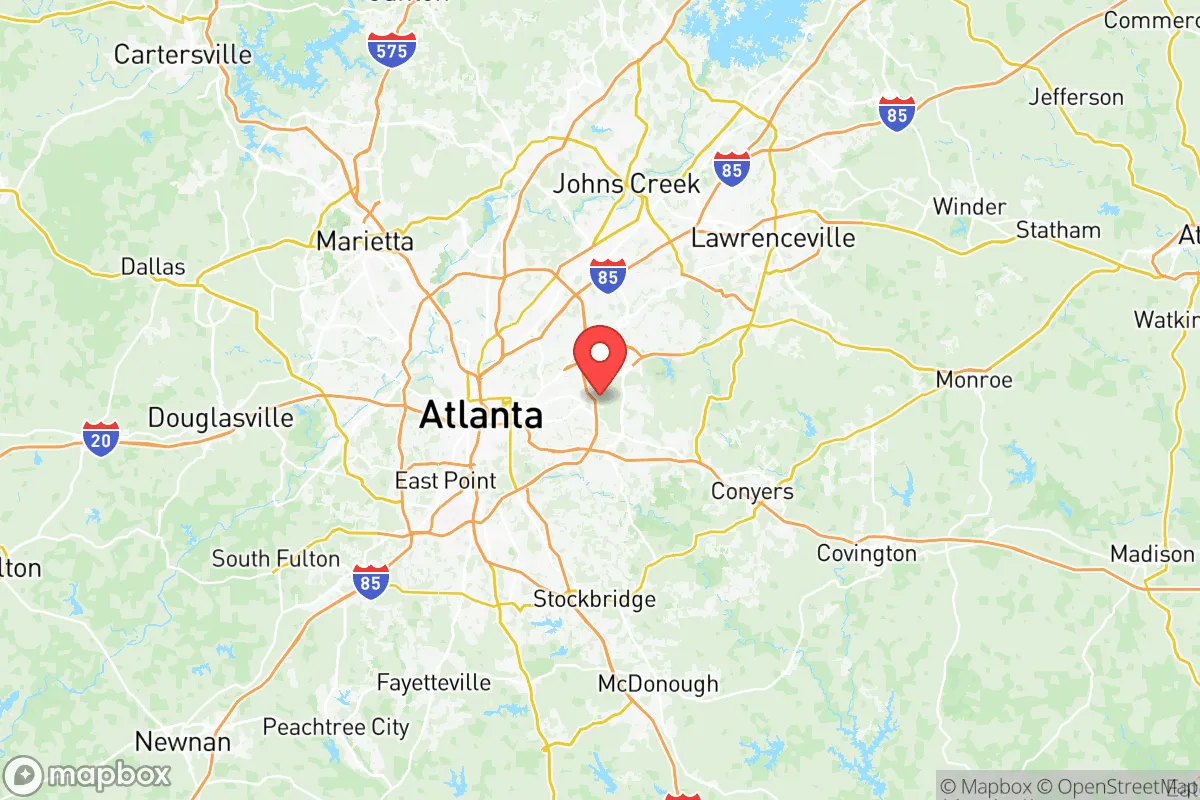
Photo: Wikipedia
Find The Best Places To Live in Dekalb County
PRO TIP! You can paste a Zillow or Redfin link to get info on that property.
Best Places to Live in Dekalb County
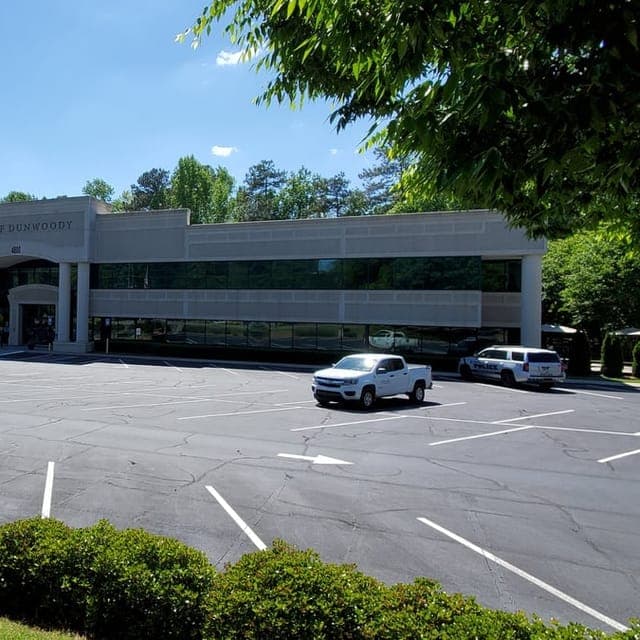
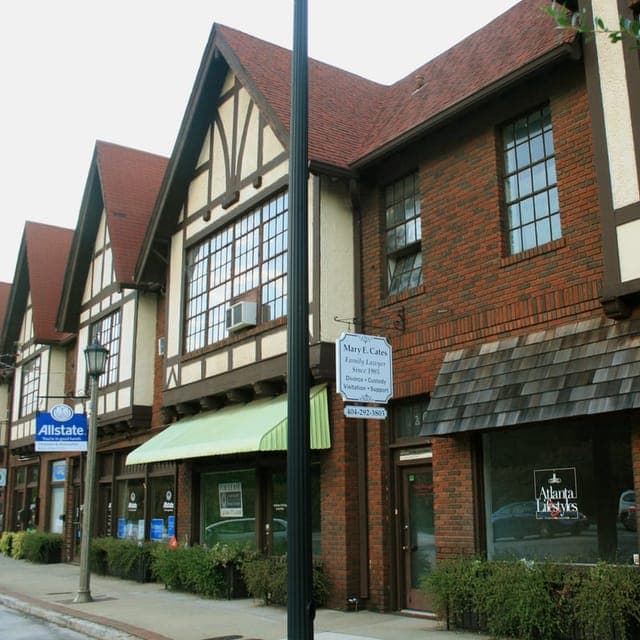
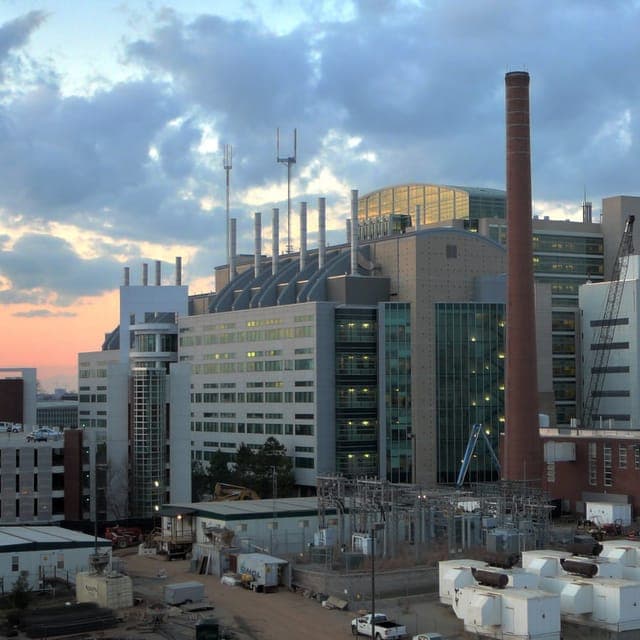
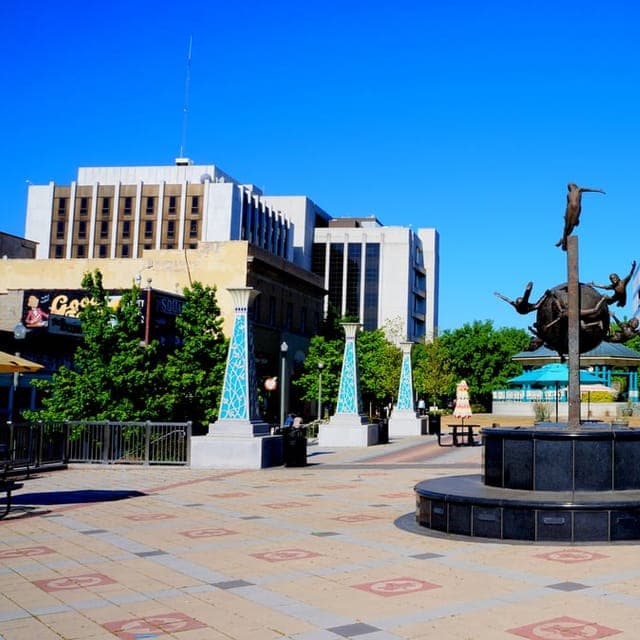
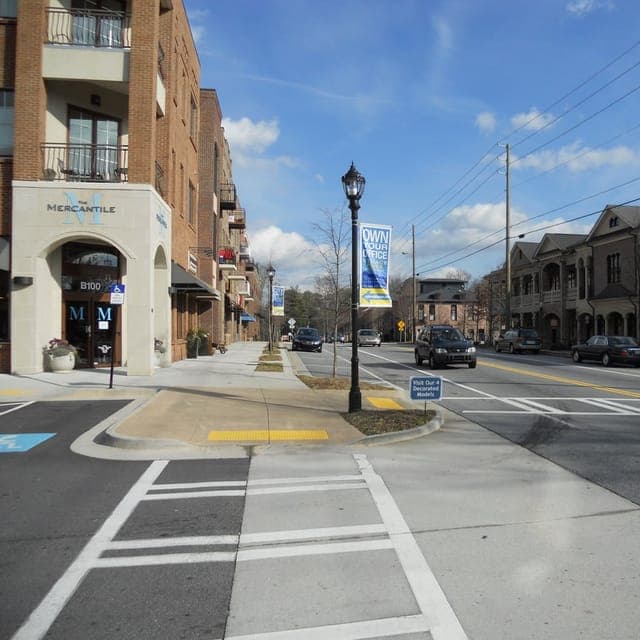
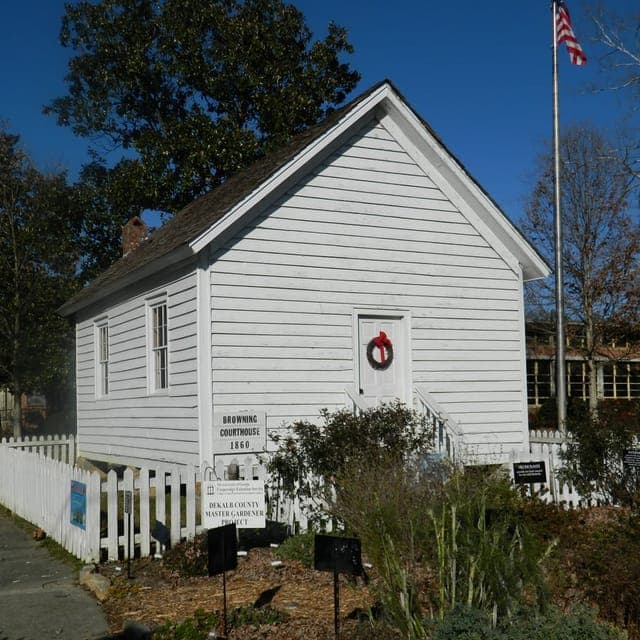
Cities & Towns in Dekalb County
Cities in Dekalb County
What It's Like Living in Dekalb County, GA
Living in DeKalb County, Georgia, means straddling two worlds at once. You get the energy of a major metro area—think the buzz of downtown Decatur and the corporate hum around Perimeter Mall—while still having pockets of quiet, like the tree-lined streets of Avondale Estates or the more rural feel of Lithonia. It’s a place where your neighbor might be a Georgia State professor, a MARTA operator, or a contractor who just moved from Buckhead for more space. The county’s identity is less about a single vibe and more about finding your specific niche among its many distinct cities and unincorporated communities.
The Daily Rhythm: From Decatur Squares to Stone Mountain Views
Most days in DeKalb start with a commute that averages about 31 minutes—long enough to finish a podcast, short enough that you’re not dreading it. The county is bisected by I-285 and I-20, so where you live dictates your traffic reality. People in Decatur often walk or bike to the MARTA station, while those in Tucker or Dunwoody are more likely to be in the car, heading toward jobs at Emory University, the CDC, or one of the many tech firms along the Perimeter. The median household income here sits at $77,683, which is solid, but the cost of living index of 129 means your dollar doesn’t stretch as far as it does in, say, rural Georgia. That $331,400 median home value gets you a modest three-bedroom ranch in a decent neighborhood—not a mansion.
Weekends are where DeKalb really shows its character. You’ll find families at the Stone Mountain laser show, couples grabbing brunch at The General Muir in Emory Village, and hikers tackling the trails at Arabia Mountain. The county’s 46.7% college-educated population means there’s a strong café-and-bookstore culture, especially around the Decatur Square, where you can spend a whole afternoon at Little Shop of Stories or Charis Books. For groceries, you’ve got your standard Publix and Kroger, but also the massive Dekalb Farmers Market—a chaotic, wonderful warehouse where you can buy live crabs, fresh pupusas, and organic kale under one roof.
Sports, Schools, and the Social Scene
Sports here aren’t the Friday-night-obsession you see in Texas or Ohio. High school football is present—Chamblee and Marist have passionate followings—but it doesn’t dominate the calendar. Instead, the big draws are pro-adjacent: Atlanta United games at Mercedes-Benz Stadium are a 20-minute MARTA ride from most DeKalb stops, and Braves games in Cobb County are a manageable drive. For college sports, Georgia State’s Panthers play in the heart of downtown, and Georgia Tech is just across the county line. The real local passion, though, is for the DeKalb County School District—it’s the community’s central nervous system. Parents obsess over elementary school zones in a way that rivals any suburban stereotype, with Druid Hills and Lakeside high schools being particularly sought-after.
The social scene varies wildly by city. In Avondale Estates, you’ll find a small-town feel with a historic downtown that hosts a farmers market and an annual Founders Day festival. In Brookhaven, the vibe is younger and more bar-focused, with spots like The Painted Pin drawing a post-work crowd. The county’s median age of 36.3 reflects this mix—plenty of singles and young couples in the apartments near North Druid Hills, and a solid base of established families in the ranch-house neighborhoods of Clarkston and Pine Lake.
What Works, What Grates, and Who Fits In
Let’s be honest about the trade-offs. The violent crime rate of 253 per 100,000 is higher than the national average, and it’s not evenly distributed—some parts of south DeKalb near Lithonia have more property crime than the north end near Dunwoody. Longtime residents will tell you the county government can feel slow and bureaucratic, especially when it comes to road maintenance and permitting. The traffic on I-285, particularly the “Spaghetti Junction” interchange near Tucker, is a genuine frustration that no amount of MARTA expansion has fully solved.
On the upside, you get genuine diversity—DeKalb is one of the most ethnically varied counties in the Southeast. Clarkston is famously home to one of the largest refugee resettlement communities in the U.S., which means you can eat Ethiopian, Burmese, and Somali food within a two-mile stretch. The parks system is underrated: Mason Mill Park has a boardwalk trail through old-growth forest, and Panola Mountain offers guided hikes on a granite outcrop that feels a world away from the city. The kind of person who thrives here is someone who wants urban amenities—good restaurants, cultural events, job access—but can’t afford or doesn’t want the intensity of living inside the Perimeter. You trade a bit of polish for a lot of space and character. If you’re a single professional who wants a walkable nightlife scene, Decatur is your spot. If you’re a parent looking for a solid school district and a yard, Dunwoody or Tucker might be a better fit. Either way, you’ll find a county that rewards patience and curiosity—and punishes anyone in a hurry during rush hour.

* Values derived from national, state, county, city and local statistics and may differ in a specific area. Last updated: 2026-05-12T09:42:34.000Z
Narrative content on this page is AI-generated and may contain mistakes. Verify any details that matter before acting on them.
ReloMaps may earn a commission from affiliate links at no extra cost to you.

