Photo: Wikipedia
Find The Best Places To Live
in Tucker
PRO TIP! You can paste a Zillow or Redfin link to get info on that property.
What It's Like Living in Tucker, GA
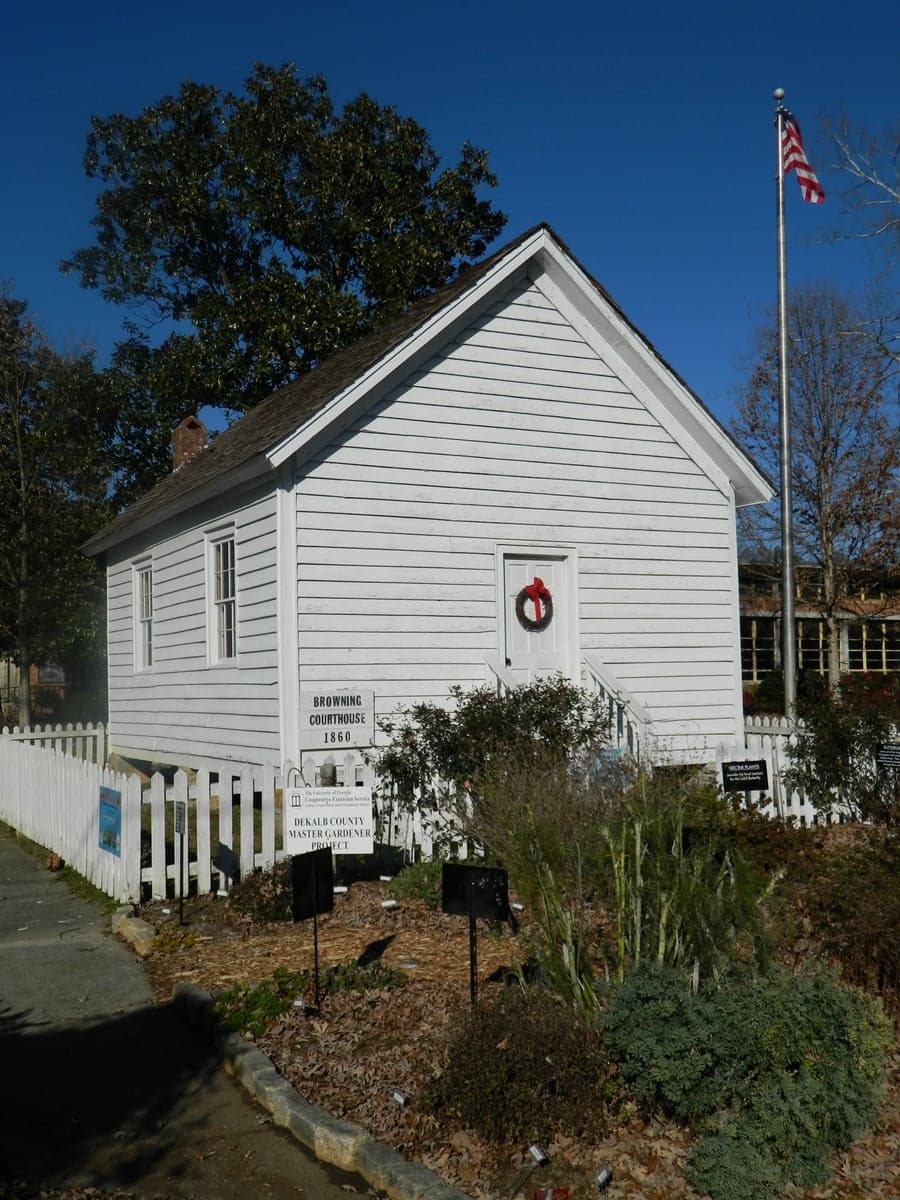
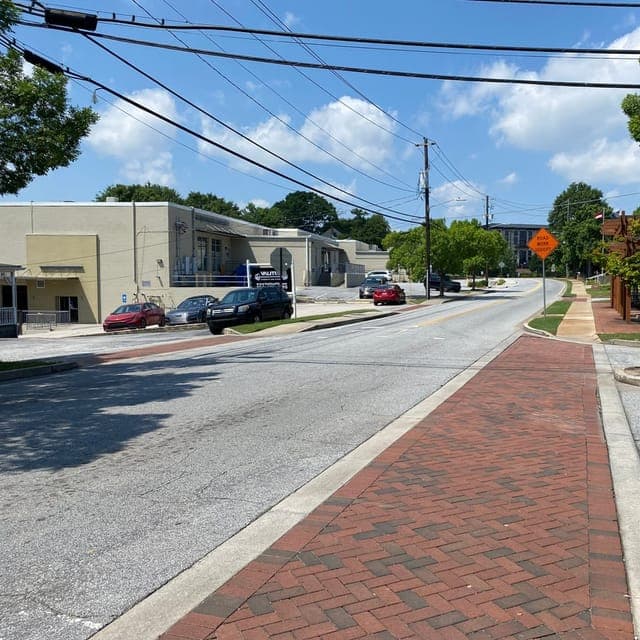
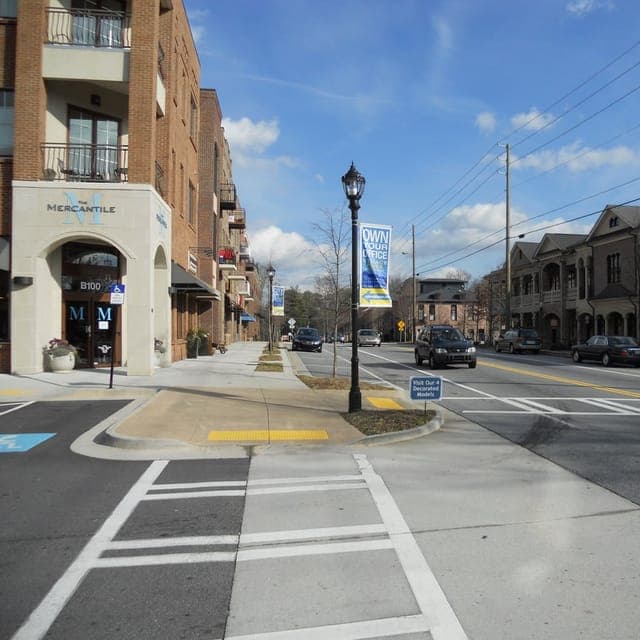
Tucker, Georgia, feels like one of those places that managed to hold onto its small-town soul while the Atlanta suburbs grew up around it. It’s not a master-planned community with a uniform look; instead, you get a mix of mid-century ranches, newer Craftsman-style builds, and a downtown strip that still has a working hardware store and a diner where the waitress knows your order. People here tend to be settled—median age is 43.3—and the median income of $81,141 reflects a solidly middle-to-upper-middle-class base of professionals, many of whom commute into Atlanta or work at nearby employers like Emory University, the CDC, or the growing tech corridor along I-85.
The Daily Rhythm: What Weekends and Weeknights Actually Look Like
Most Tucker mornings start with coffee at Jittery Joe’s or a breakfast biscuit from Golda’s, a local spot that’s been around long enough to feel like an institution. The workday commute averages just under 30 minutes—29.7 minutes, to be precise—which is better than many Atlanta suburbs, but still means you’re budgeting time for I-285 or Lawrenceville Highway. After work, you’ll find folks at the Tucker Recreation Center walking the indoor track, or at Henderson Park playing pickup soccer or walking dogs on the paved trails. Weekends often revolve around the Tucker Farmers Market (April through October), where you can grab local honey, seasonal produce, and a plate from a rotating food truck. The Tucker Brewing Company is the de facto community living room—a family-friendly taproom with a large outdoor patio where kids run around while parents sip IPAs. It’s not a late-night scene; most places wind down by 10 p.m., and the crowd skews toward homeowners and parents rather than recent college grads.
Sports, Schools, and Community Identity
High school sports are a genuine cultural anchor here. Tucker High School football games on Friday nights draw big crowds—the Tigers have a strong tradition and a rivalry with nearby Stephenson that fills the stands. If you’re not into football, the marching band and cheerleading squads get just as much local pride. There’s no major pro team in Tucker itself, but you’re 20 minutes from Mercedes-Benz Stadium for Falcons or Atlanta United games, and about the same to State Farm Arena for the Hawks. The Tucker Civic Association is unusually active for a suburb this size; they organize the annual Tucker Day festival each spring, which shuts down Main Street for a parade, craft vendors, and a 5K. It’s the kind of event where you see neighbors you didn’t know you had. The city’s identity is quietly proud of being “unincorporated DeKalb County” until it officially became a city in 2016—locals still joke about the paperwork, but the incorporation gave them more local control over zoning and police.
What’s There to Do (and What’s Missing)
For a city of 37,000, Tucker punches above its weight on parks. Kelley Cofer Park has a disc golf course that draws players from across the metro area. Johns Homestead Park is a quieter spot with a historic farmhouse and community garden plots. The Yellow River Trail runs through the northern edge of town and connects to the larger PATH trail network—good for biking or a long run. Restaurant-wise, the standout is Thai of Norcross (technically just over the line, but everyone claims it), and Pig-N-Chik BBQ is the go-to for pulled pork and Brunswick stew. For entertainment, you’re driving to Downtown Decatur (15 minutes) or Buford Highway (10 minutes) for more variety. The honest downside: Tucker lacks a dedicated music venue or a proper movie theater. The biggest frustration longtime residents mention is traffic on Lawrenceville Highway during rush hour—it’s a four-lane road that gets clogged, and there’s no easy bypass. The other common gripe is that while the cost of living index sits at 126 (26% above the national average), and median home values are $359,300, property taxes in DeKalb County are higher than in neighboring Gwinnett or Hall counties, which catches some newcomers off guard.
Pros and Cons of Living Here
- Pro: Genuine community feel with active civic groups and events like Tucker Day and the farmers market—you can know your neighbors here.
- Pro: Good schools (Tucker High is rated above average, and the elementary schools like Livsey and Midvale are well-regarded) and a 44% college-educated population means engaged parents.
- Pro: Location—20 minutes to downtown Atlanta, 15 to Decatur, and close to Emory and the CDC for jobs.
- Con: Violent crime rate of 253 per 100,000 is higher than the national average (roughly 380 vs. 380 nationally? Actually 253 is below the US average of about 380—so that’s a pro, but property crime is more of a concern in certain pockets near major roads).
- Con: Limited nightlife and entertainment options within city limits; you’ll drive for concerts, theaters, or a late bar scene.
- Con: Traffic on Lawrenceville Highway and the lack of a direct MARTA rail station (the nearest is Doraville, about 10 minutes away) means you’re car-dependent.
The weather is classic Georgia: hot, humid summers from June through September, with afternoon thunderstorms that clear the air. Winters are mild—maybe two or three frosty mornings that don’t stick—but spring and fall are gorgeous, with dogwoods and azaleas blooming in March and October evenings cool enough for a jacket. The seasonal rhythm here is tied to school calendars and outdoor festivals; summer means pool memberships at the Tucker Pool (a community-run facility), and fall is all about high school football and the changing leaves at Stone Mountain Park, a 15-minute drive east. Tucker isn’t flashy, and it doesn’t try to be. It’s a place for people who want a house with a yard, good schools, and a downtown where you can grab a beer and talk to the person next to you without shouting over a DJ. If that sounds like your speed, it might be worth a weekend drive to see for yourself.

Similar towns to Tucker


* Values derived from national, state, county, city and local statistics and may differ in a specific area. Last updated: 2026-04-30T14:34:02.000Z
Narrative content on this page is AI-generated and may contain mistakes. Verify any details that matter before acting on them.
ReloMaps may earn a commission from affiliate links at no extra cost to you.

