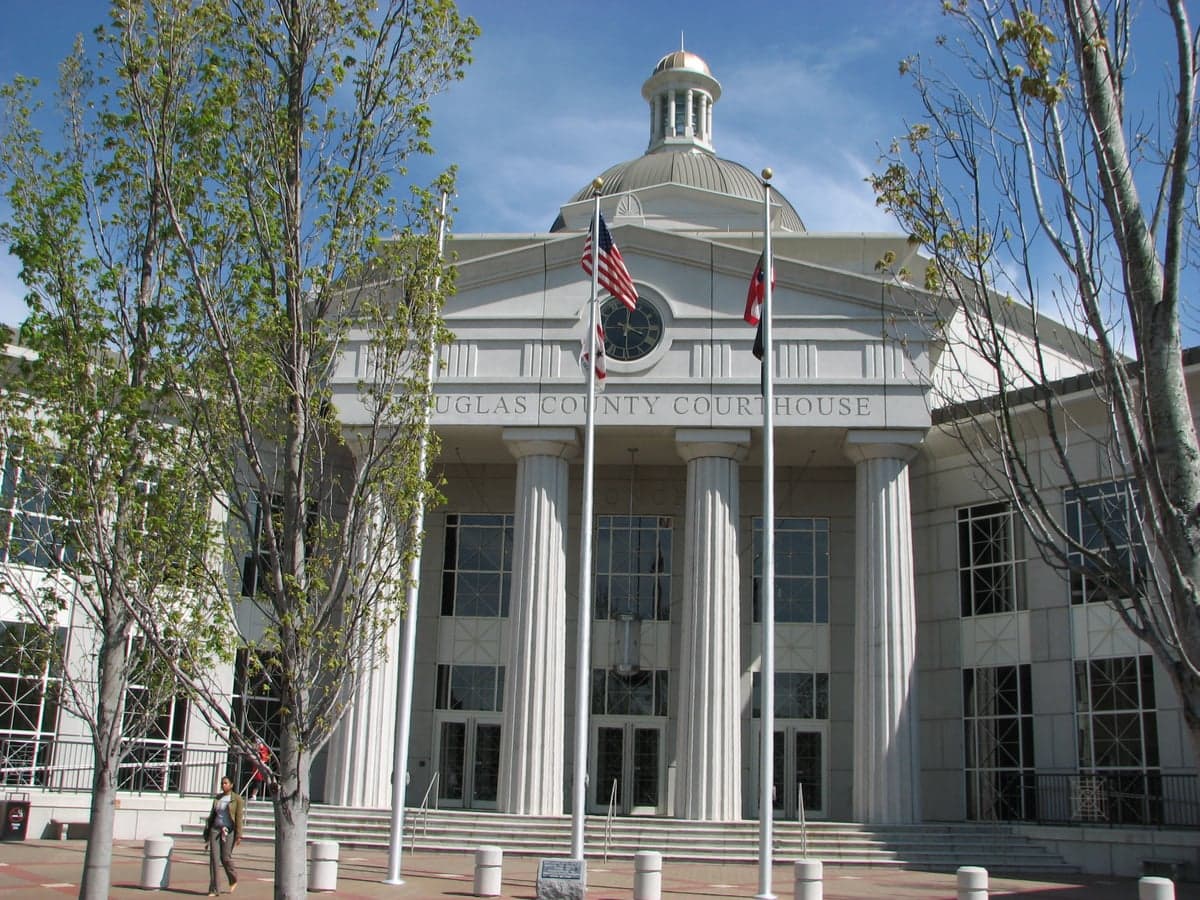
Photo: Wikipedia
Find The Best Places To Live in Douglas County
PRO TIP! You can paste a Zillow or Redfin link to get info on that property.
Best Places to Live in Douglas County
Cities & Towns in Douglas County
Cities in Douglas County
What It's Like Living in Douglas County, GA
Living in Douglas County means straddling two worlds: the steady suburban growth around Douglasville and the quieter rural stretches near Villa Rica and Winston. People move here for the $262,200 median home value—still affordable compared to metro Atlanta’s core—and because the median income of $80,764 stretches further here than in Cobb or Fulton counties. The county’s identity is rooted in that trade-off: you trade a shorter commute (the average here is 33 minutes) for a lower mortgage, but you also trade the 24/7 energy of the city for a place where Friday-night high school football and local barbecue joints are the center of social life.
Daily Rhythm in Douglasville, Lithia Springs, and Beyond
For most residents, the day starts early. A huge chunk of the workforce heads west on I-20 toward Atlanta or east toward jobs at the Douglasville industrial parks—warehouses, logistics centers, and manufacturers like Yamaha Motor Manufacturing and Parker Hannifin. If you live in Lithia Springs, you know the commute snarls right around Thornton Road. If you’re in Villa Rica (which straddles the Carroll County line), you have a slightly longer drive but quieter mornings. After work, the ritual flips: errands at Arbor Place Mall on one end, dinner at a local spot like Muss & Turner’s (a suburban gem for smoked wings) or a chain on Highway 5. Weekends often revolve around kids’ sports—baseball at Deer Lick Park in Douglasville, soccer at Hunter Park in Lithia Springs—or a slow afternoon at Sweetwater Creek State Park, where the ruins of the old mill give it a moody, distinct feel. The median age here is 36.8, which fits the profile: a lot of families with school-age children, plus a steady stream of younger couples priced out of Atlanta proper.
Sports, Community, and What Actually Happens on a Friday Night
High school football isn’t just a Friday thing in Douglas County—it’s the social calendar. Games at Douglas County High School (the Tigers) or Alexander High School (the Cougars) draw crowds that fill bleachers and parking lots alike. The rivalry between Douglas County and Chapel Hill is the kind of thing locals plan vacations around. For college and pro sports, most folks drive twenty minutes to Atlanta to catch the Braves, Falcons, or Hawks—but tailgating culture hasn’t migrated out here yet. If you want live music, The Backyard in Douglasville (an outdoor venue that’s part bar, part concert space) pulls regional acts and cover bands. The annual Douglasville Main Street Festival in October packs the historic square with craft vendors, funnel cakes, and a stage. Smaller towns like Winston host a Fourth of July parade that’s pure small-town Georgia—fire trucks, Baptist church floats, and kids on bikes with streamers. The cultural quirk: people are fiercely proud of their specific zip code, even when the county lines get fuzzy. Ask someone from Villa Rica if they live in Douglas or Carroll County, and you’ll get a ten-minute answer.
What Makes Douglas County Work (and What Drives People Crazy)
The honest pros: affordable housing is the headline—$262,200 buys a three-bedroom house with a yard and a garage that would cost $400K in Smyrna or Marietta. The schools in the Douglas County School System are a mixed bag but improving; the science magnet at Lithia Springs High and the College and Career Academy in Douglasville give focused kids options. The county’s cost of living index of 112 means you pay slightly more than the national average, but you’re still under metro Atlanta’s typical 115–120. The cons: violent crime rate of 262 per 100,000 is higher than the national average (around 380 nationally, but that’s skewed by cities; for a suburban county, it feels noticeable in pockets of Lithia Springs and unincorporated areas near I-20). Traffic on I-20 is the number-one complaint—everyone has a story about the 20-minute delay from the Thornton Road exit to Six Flags. And if you’re looking for a vibrant nightlife scene, this isn’t it; bars close early, and the options are limited to a few sports bars and the occasional wine bar in Douglasville’s old downtown. But for families who want space, decent schools, and a slower rhythm—with Atlanta’s jobs and entertainment a 30-minute drive away—Douglas County checks the boxes.

* Values derived from national, state, county, city and local statistics and may differ in a specific area. Last updated: 2026-06-06T00:27:15.000Z
Narrative content on this page is AI-generated and may contain mistakes. Verify any details that matter before acting on them.
ReloMaps may earn a commission from affiliate links at no extra cost to you.

