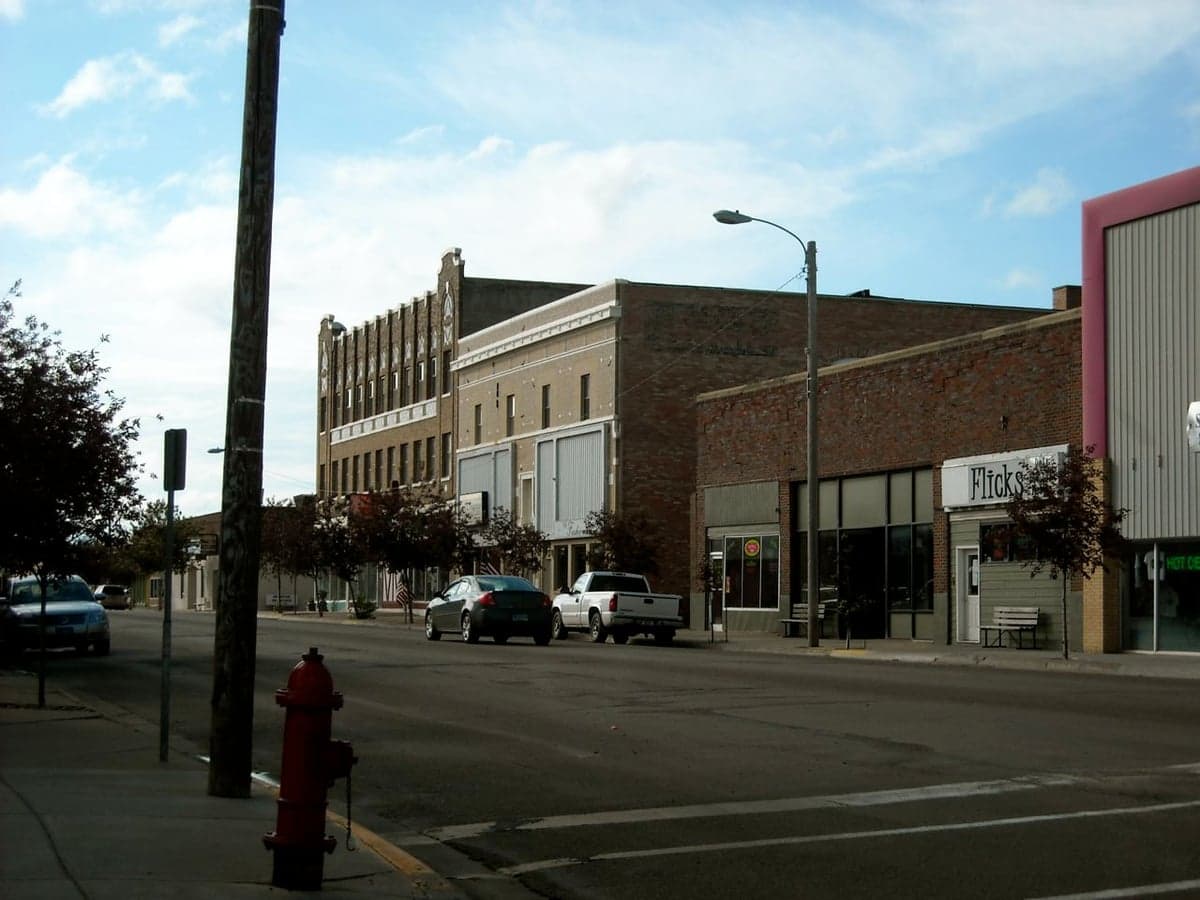
Photo: Wikipedia
Quality of Life in Glasgow, MT
A high quality of life with strong walkability, manageable living costs, healthy neighborhood signals, and solid amenity access.
What does Quality of Life tell us?
Quality of Life blends cost of living, nearby amenities, socioeconomic signals, and neighborhood character. City-level scores represent the whole municipality; individual neighborhoods can differ.
What does this tell us?
Quality of Life blends cost of living, nearby amenities, socioeconomic signals, and neighborhood character. City-level scores represent the whole municipality; individual neighborhoods can differ.
Cost of Living
30% below national average
The Real Cost of Living in Glasgow, MT for 2026
| Tier | Individual | Family (4) |
|---|---|---|
| Survival | $13k | $24k |
| Comfortable | $40k | $59k |
| Luxury | $90k+ | $140k+ |
| Elite (Top 5%) | $106k+ | $165k+ |
131%
The Area Signal
A metric tracking the socioeconomic signals of the area.
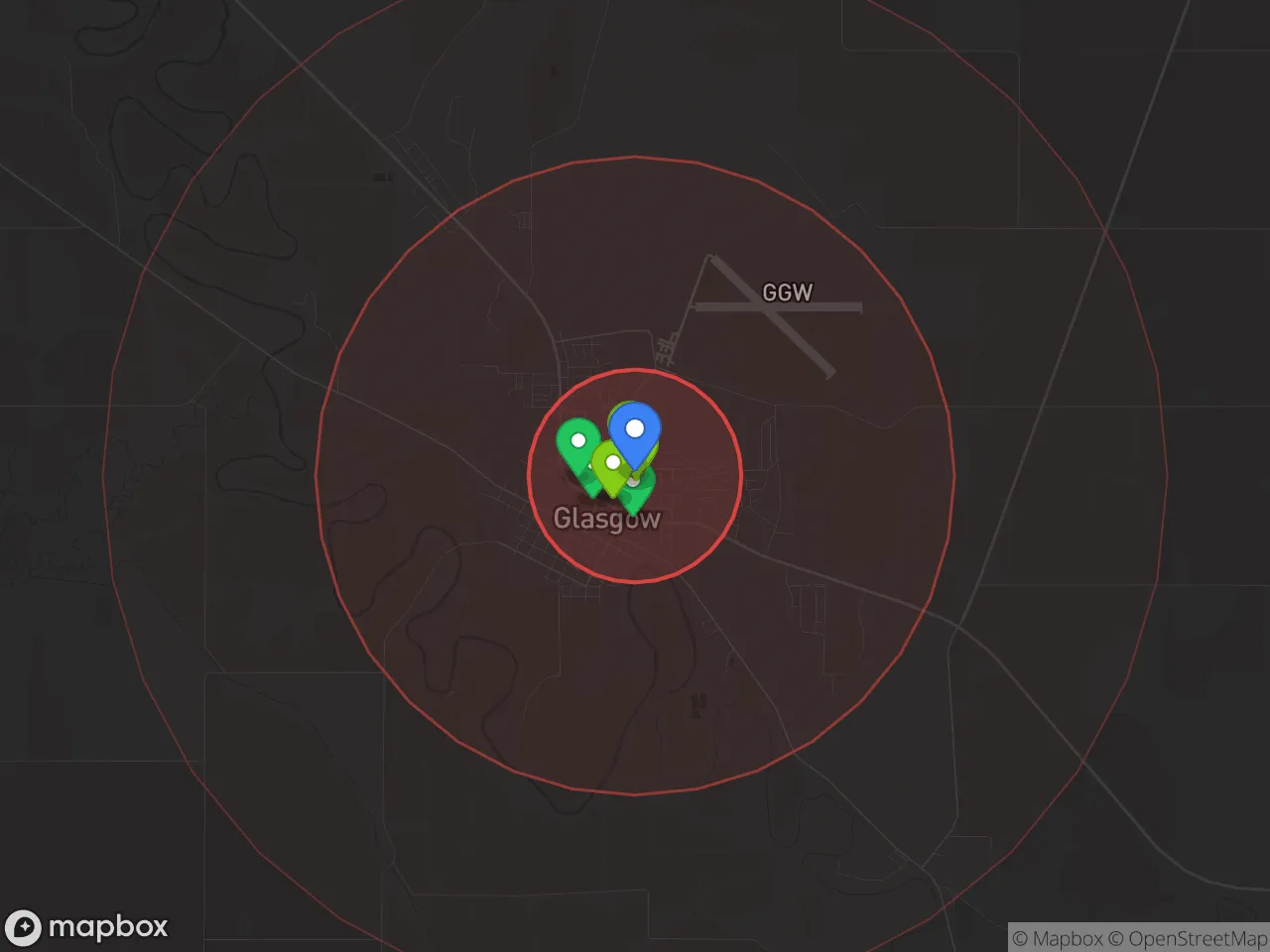
Hobbies
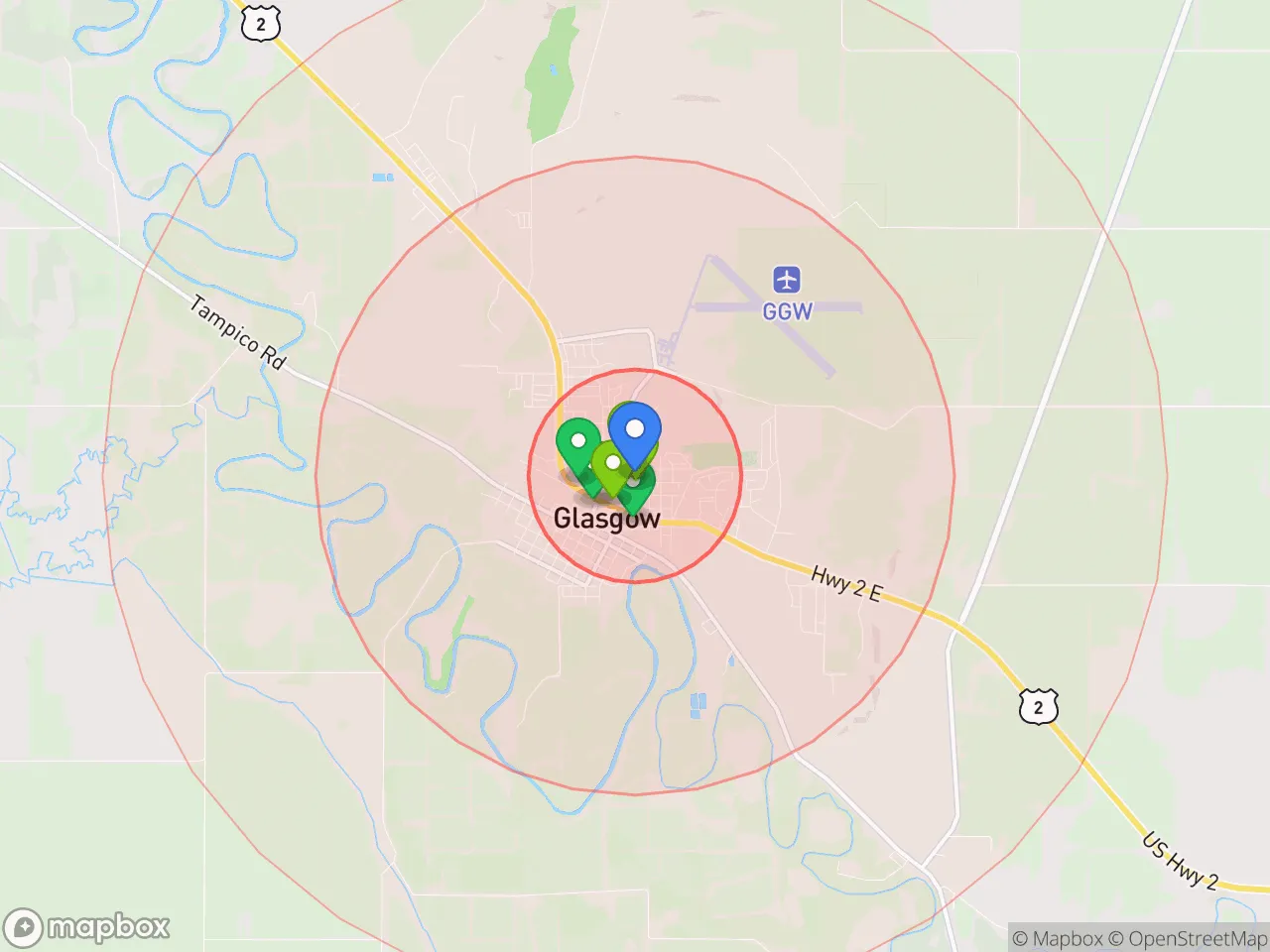
Explore the areaGroceries
1 within 10 miles
Gas
2 within 10 miles
Hospital
2 within 20 miles
Airport
Post Office
USPS — Glasgow, MT
Critical Amenities
Quality-of-Life Analysis
Glasgow, Montana, offers a notably affordable quality of life, with a cost of living index of 70—30% below the U.S. average—making it one of the more budget-friendly communities in the state. The population, roughly 3,200, is a mix of long-standing ranching families, railroad employees, and professionals drawn to the area’s low-stress pace and access to outdoor recreation. Median household income hovers around $45,000, reflecting a working-class economy anchored by agriculture, the BNSF Railway, and the nearby Glasgow Air Force Base (now a redevelopment zone).
Cost of living, housing affordability, and how Glasgow compares to nearby towns
Housing in Glasgow is significantly cheaper than in Montana’s larger cities. The median home value is $206,000, compared to Bozeman’s $650,000 or Billings’ $350,000. Median rent is just $794 per month, well below the state median of $1,200. The average commute is a short 19 minutes, which is typical for a rural county seat—most residents drive to work in under 15 minutes. For context, Wolf Point (40 miles east) has similar home prices but fewer job options, while Malta (70 miles west) is slightly pricier due to oil-field activity. Property taxes in Valley County are moderate, around 0.7% of assessed value, keeping monthly carrying costs low for homeowners.
Schools, amenities, and what daily life feels like in Glasgow
Glasgow’s daily rhythm is quiet and self-contained. The Glasgow School District serves about 900 students across three elementary schools, one middle school, and one high school, with a student-teacher ratio of 14:1—better than the national average. The high school offers dual-credit courses through Montana State University-Northern. For amenities, the town has a full-service hospital (Frances Mahon Deaconess Hospital), a public library, a golf course, and the Glasgow City Park with a swimming pool and sports fields. Grocery shopping is limited to two supermarkets (IGA and Super 1 Foods), and dining options are basic—think diners, a Mexican restaurant, and a pizza place. For major retail or entertainment, residents drive 90 minutes to Williston, ND, or 2.5 hours to Billings. The nearby Fort Peck Lake and the Missouri River provide year-round fishing, boating, and hunting, which defines much of the local social life.
Glasgow is best suited for people who value low costs, short commutes, and a close-knit community over urban amenities. Retirees on fixed incomes, remote workers seeking a quiet base, and families who prioritize outdoor recreation over nightlife will find the area appealing. Those accustomed to big-city shopping, diverse restaurants, or frequent cultural events may feel isolated. The town’s economy is stable but not growing fast—job seekers should secure employment before relocating, as the local job market is tight outside of healthcare, education, and the railroad.

Crime in Glasgow, MT
Lower crime rates than 90% of comparable U.S. locations.
Violent CrimeViolent Crime Analysis
Property CrimeProperty Crime Analysis
Crime Analysis
Glasgow, Montana, presents a notably low violent crime rate of 31.6 incidents per 100,000 residents, making it one of the safest small cities in the state for personal safety. However, its property crime rate of 948.8 per 100,000 is significantly elevated, roughly double the national average, indicating that while violent confrontations are rare, theft and burglary are persistent concerns for residents. This combination creates a safety profile where residents generally feel secure walking the streets but must remain vigilant about securing homes and vehicles.
Crime in context
Glasgow’s violent crime rate is dramatically lower than both the Montana state average (roughly 380 per 100,000) and the national average (approximately 380 per 100,000). The city’s rate of 31.6 per 100,000 places it among the safest communities in the state for violent offenses like homicide, assault, and robbery. In contrast, the property crime rate of 948.8 per 100,000 is well above the national average of around 450 per 100,000 and the Montana average of approximately 600 per 100,000. This disparity means Glasgow is a place where serious personal harm is uncommon, but property crimes—particularly theft from vehicles and outbuildings—occur at a frequency that demands attention from newcomers.
What residents experience
Daily life in Glasgow reflects this split reality. Most residents report feeling safe walking downtown or letting children play in yards, a direct result of the low violent crime numbers. However, property crime is a recurring topic in local forums and neighborhood watch groups. Common incidents include unlocked vehicle break-ins, theft of outdoor equipment like lawnmowers and ATVs, and occasional burglaries of seasonal homes. The city’s small population and tight-knit community mean that many property crimes are solved through word-of-mouth or social media alerts, but the frequency of these incidents can be frustrating. Law enforcement presence is visible but limited, with the Glasgow Police Department and Valley County Sheriff’s Office covering a large geographic area.
Neighborhood-level variation in Glasgow is modest but noticeable. The central residential areas near the courthouse and along the Milk River tend to have the lowest crime reports, benefiting from higher foot traffic and older, established homes. Outlying subdivisions and areas closer to the highway or industrial zones see slightly higher property crime rates, particularly theft from vehicles. The city’s overall small size—roughly 3,200 residents—means that no neighborhood is truly high-crime, but newcomers should prioritize homes with good lighting, secure garages, and visible neighbors. The local justice system, operating under Montana’s generally conservative judicial philosophy, does not exhibit the progressive sentencing trends seen in larger, liberal-leaning metro areas, which helps maintain the low violent crime environment. Residents benefit from a system that prioritizes public safety and victim rights, contributing to Glasgow’s reputation as a safe, family-oriented community where property crime, while present, does not define daily life.
* Values derived from national, state, county, city and local statistics and may differ in a specific area. Last updated: 2026-04-30T01:05:10.000Z
Narrative content on this page is AI-generated and may contain mistakes. Verify any details that matter before acting on them.
ReloMaps may earn a commission from affiliate links at no extra cost to you.

