Photo: Wikipedia
Personal Sovereignty in Glassboro, NJ
Viable for self-reliance. Generally workable, though some barriers may limit total independence.
What does Personal Sovereignty tell us?
Personal Sovereignty measures your capacity for self-reliance and independence with minimal government friction. Higher scores mean fewer barriers between you and the way you want to live... but it assumes you have the space you need and good neighbors.
What does this tell us?
Personal Sovereignty measures your capacity for self-reliance and independence with minimal government friction. Higher scores mean fewer barriers between you and the way you want to live... but it assumes you have the space you need and good neighbors.
State Policy
Energy independence: Importer (8% of energy produced in-state)
Personal Liberty
Homesteading

Personal Liberty Analysis
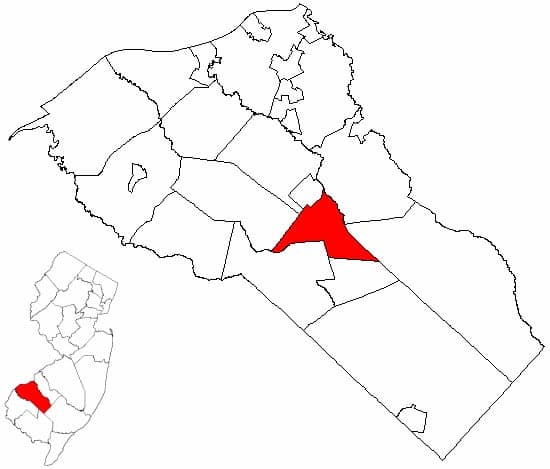
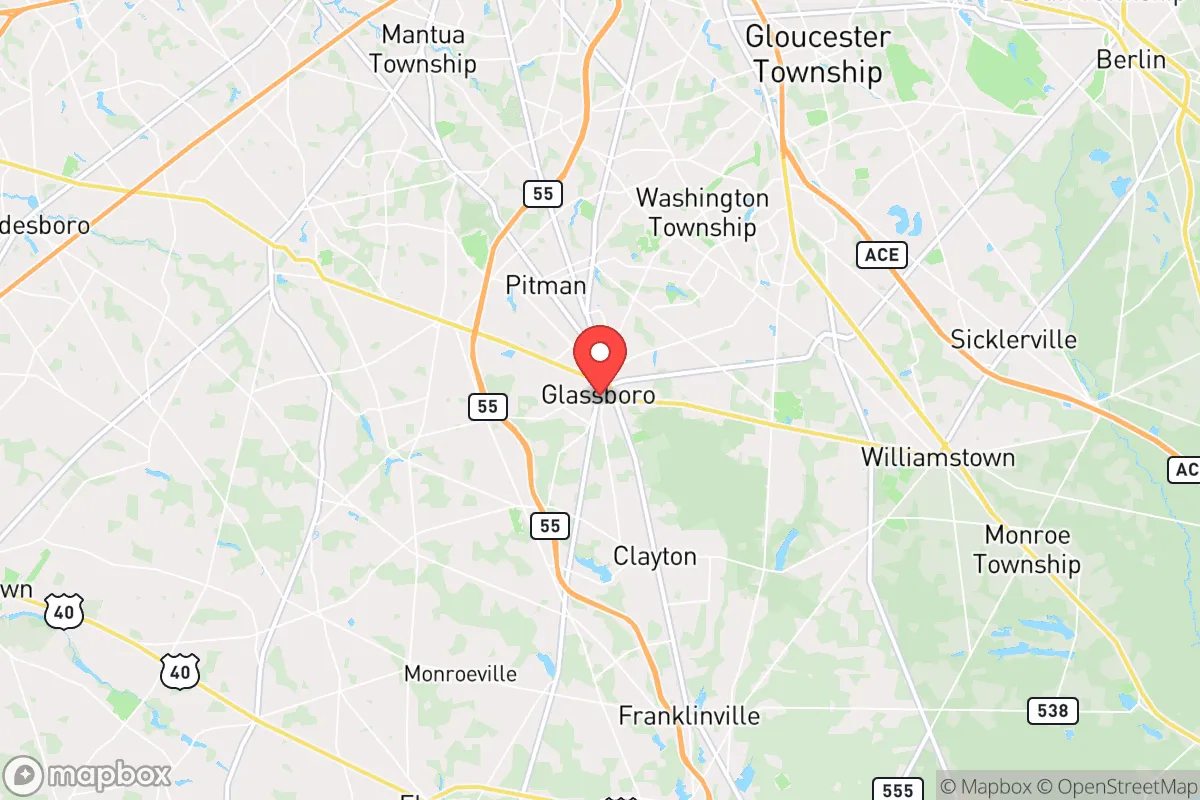
Glassboro, New Jersey, presents a challenging environment for personal sovereignty, where the state's dense regulatory framework and high tax burden significantly constrain individual autonomy. For those prioritizing self-reliance and minimal government overreach, this Gloucester County borough sits firmly within a state that ranks among the nation's most restrictive on gun rights, property use, and fiscal freedom. While the town itself offers some practical advantages for daily life, the overarching legal and political climate in New Jersey demands a sober assessment for anyone considering relocation with a survivalist or prepper mindset.
Tax burden and regulatory posture: how New Jersey's fiscal climate impacts your autonomy
The single greatest erosion of personal sovereignty in Glassboro is the state's relentless tax structure. New Jersey consistently ranks in the top three for highest combined state and local tax burden in the country. For a single individual or family, this means a significant portion of income is redirected before you can allocate it toward your own preparedness goals—whether that's land, supplies, or training. The state's property taxes are notoriously high, and Glassboro, while not the most expensive in South Jersey, still carries rates that can easily exceed $8,000 annually on a modest home. This fiscal posture is a form of government overreach that directly limits your ability to build wealth and self-sufficiency. Additionally, New Jersey's regulatory environment is dense and invasive. From strict building codes that complicate off-grid modifications to environmental regulations that restrict land use, the state's bureaucracy creates a constant friction against independent action. The state's recent push for electric vehicle mandates and energy efficiency standards further signals a top-down approach that leaves little room for personal choice in how you power your life.
Self-defense and gun law specifics: what you can and cannot do in Glassboro
For anyone serious about self-defense, New Jersey's gun laws are among the most restrictive in the nation, and Glassboro offers no local relief. The state requires a permit to purchase a handgun, a process that involves fingerprinting, background checks, and a wait time. Carrying a concealed firearm is a privilege, not a right, and obtaining a permit requires demonstrating a "justifiable need" that goes beyond general self-defense—a standard that has historically been difficult to meet. The state also bans "large capacity" magazines (over 10 rounds) and has a strict assault weapons ban that covers many common rifles. This legal environment means that the average law-abiding citizen in Glassboro is significantly limited in their ability to defend themselves and their family. Stand-your-ground laws do not exist; New Jersey imposes a duty to retreat if safely possible. For the prepper or survivalist, this is a critical vulnerability. The state's posture is one of distrust toward the armed citizen, and any incident involving a firearm, even in self-defense, carries a high risk of legal jeopardy. Pepper spray and tasers are legal but with restrictions, and knife laws are also more restrictive than in many other states.
Self-reliance and homesteading viability: lot sizes, zoning, and off-grid feasibility
Glassboro is a suburban borough, not a rural homesteading haven. The typical residential lot is a quarter-acre or less, and zoning laws are geared toward conventional suburban living. Raising livestock, such as chickens or goats, is generally prohibited or heavily restricted within borough limits. The idea of building a fully off-grid property—with solar panels, rainwater collection, and a septic system independent of municipal services—is effectively impossible under current codes. The borough requires connection to public water and sewer, and any significant alteration to a property requires permits and inspections that can be denied based on aesthetic or safety grounds. For those seeking true self-reliance, Glassboro is a poor fit. You would need to look to the more rural townships in southern Gloucester or Salem County, where larger parcels (2-5 acres minimum) and less restrictive zoning offer more room for independent living. Even then, state-level environmental regulations on wetlands, well water, and septic systems remain a hurdle. The practical takeaway: Glassboro is a place to live and work, but not a place to build a sovereign homestead.
Personal liberties: parental rights, medical autonomy, speech, and property
New Jersey's approach to personal liberties is decidedly collectivist, which creates friction for those who value individual decision-making. Parental rights have been a flashpoint, with the state mandating curriculum standards on sexual orientation and gender identity that some parents feel bypass their authority. Medical autonomy is also constrained; the state has maintained strict vaccine mandates for school attendance and has shown a willingness to impose public health orders that override personal choice. Free speech is protected under the First Amendment, but New Jersey has "bias intimidation" laws that can broaden the definition of harassment, creating a chilling effect on certain types of political or social expression. Property rights are perhaps the most directly impacted area. The state's strong eminent domain powers and aggressive environmental regulations mean that what you can do on your own land is heavily circumscribed. The New Jersey Department of Environmental Protection (NJDEP) has authority over wetlands, stream buffers, and even certain types of landscaping. For a prepper who wants to build a bunker, dig a pond, or clear land for a garden, the permitting process can be a multi-year ordeal. The cumulative effect is a state where the default assumption is that the government has a say in your personal decisions, rather than the individual being sovereign.
In the broader landscape of personal sovereignty, Glassboro and New Jersey as a whole rank poorly. The combination of high taxes, restrictive gun laws, limited homesteading potential, and a regulatory culture that prioritizes collective standards over individual liberty creates an environment that is fundamentally at odds with a survivalist or prepper mindset. For a single individual or family who values autonomy above all else, states in the South, Midwest, or Mountain West will offer far more room to breathe. Glassboro can be a functional place for a career or education—Rowan University is a major anchor—but it is not a sanctuary for those seeking to minimize government overreach. If you are forced to be here, your best strategy is to keep a low profile, comply with the law, and focus your long-term planning on relocating to a jurisdiction that respects your right to self-determination.

* Values derived from national, state, county, city and local statistics and may differ in a specific area. Last updated: 2026-04-29T19:13:30.000Z
Narrative content on this page is AI-generated and may contain mistakes. Verify any details that matter before acting on them.
ReloMaps may earn a commission from affiliate links at no extra cost to you.

