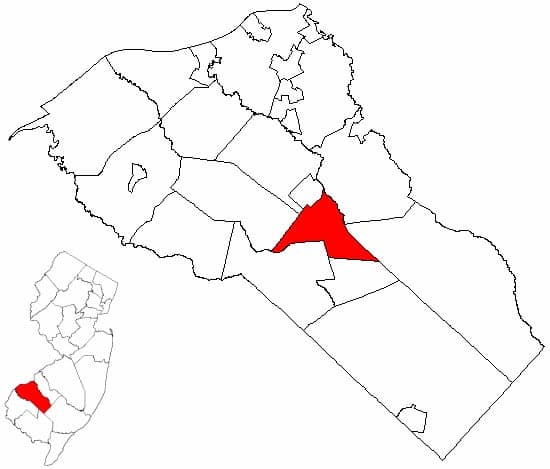
Photo: Wikipedia
Political ClimatePolitical Climate in Glassboro, NJ
District shown is the primary district for this city’s centroid. Cities may span multiple districts.
Local Political AnalysisPolitical Analysis of Glassboro, NJ
Look, I’ve lived in Glassboro my whole life, and I’ve watched this town shift from a quiet, blue-collar community into something that feels a lot more like a college-town experiment in progressive politics. The numbers back it up: Glassboro’s Cook PVI is D+10, meaning it leans about 10 points more Democratic than the national average. That’s not just a statistic—it’s a reality you feel in local zoning meetings, school board decisions, and even how the borough handles things like property rights and small business permits. The trajectory has been steadily leftward since Rowan University really started expanding in the 2000s, and honestly, it’s getting harder to find folks who remember when this town was more about common-sense independence than government-led initiatives.
How it compares
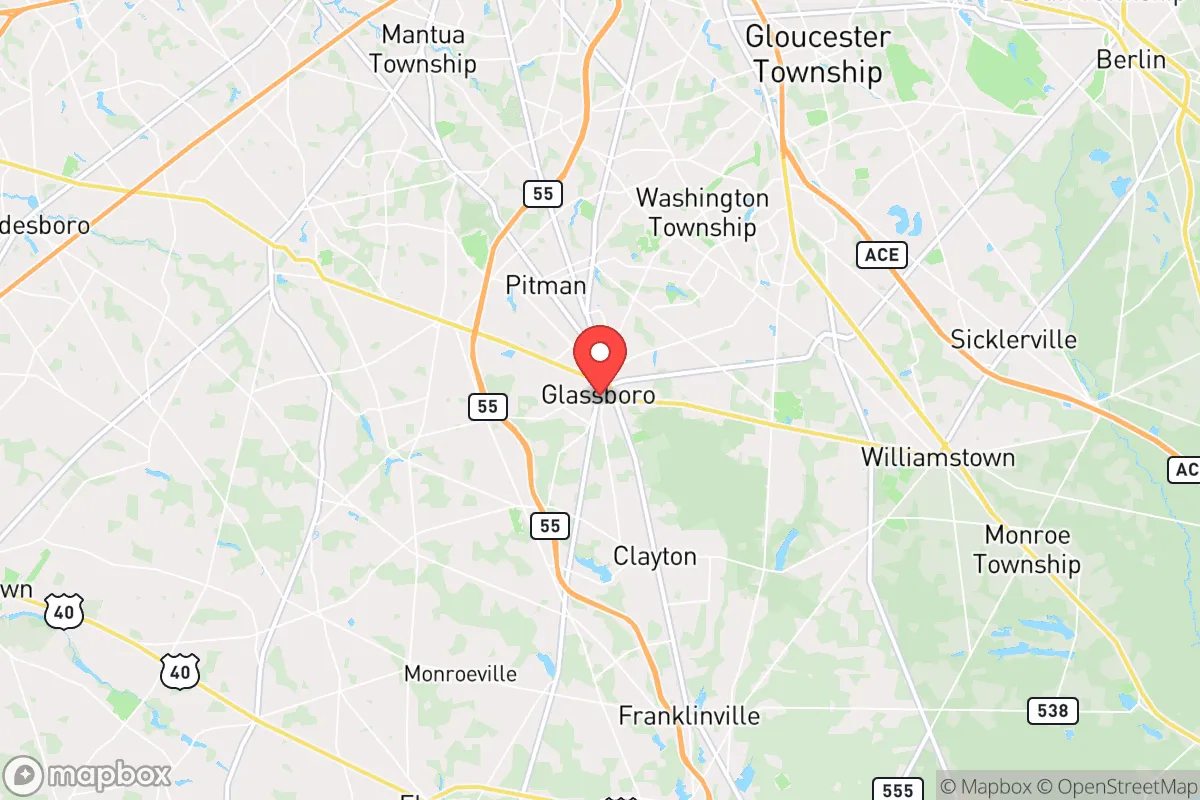
If you drive 15 minutes west to Mullica Hill in Harrison Township, you’ll hit a completely different vibe—more rural, more conservative, with folks who still believe in minimal government interference. Same goes for Pitman just north, which has a quieter, more traditional feel. But Glassboro? It’s surrounded by towns like Clayton and Williamstown that lean redder, yet Glassboro itself has become a bubble of progressive policy. The contrast is stark: while neighboring towns are pushing back on overreach—like mask mandates that lingered too long or zoning rules that tell you what you can do with your own property—Glassboro’s council has been quick to adopt state-level progressive agendas. It’s not just about party labels; it’s about how much say you actually have in your own life.
What this means for residents
For the average homeowner or small business owner here, the political climate translates into more rules, more fees, and less flexibility. Want to put up a fence without a six-month permit review? Good luck. Thinking about starting a home-based business? Be ready for extra inspections and licensing hurdles that neighboring towns don’t bother with. The local government has also been aggressive with “equity” initiatives in schools and public spaces, which sounds nice on paper but often means mandatory training sessions and curriculum changes that push a single worldview. If you value personal freedom—like deciding what’s best for your kids or how to use your property—you’ll feel the squeeze. The long-term trend is concerning: as Rowan University continues to grow, the student population (and its progressive voting bloc) will only increase, making it harder for long-time residents to push back against overreach.
One cultural distinction that really stands out is how Glassboro handles public events and speech. The borough has a “hate speech” ordinance that’s broader than state law, which sounds fine until you realize it can be used to shut down any viewpoint the council disagrees with. Compare that to Swedesboro or Woodbury, where town hall meetings still feel like open forums. If you’re a conservative-leaning resident, you learn to keep your head down at local meetings unless you want to be labeled. That’s not the Glassboro I grew up in—it used to be a place where you could disagree with your neighbor and still share a beer at the VFW. Now, it feels like the government is watching a little too closely, and that’s a red flag for anyone who values real liberty.

State Political ClimatePolitical Climate in New Jersey
State Political AnalysisPolitical Environment in the State
New Jersey has shifted from a competitive purple state to a solidly blue one over the past two decades, with Democrats now holding every statewide office, both U.S. Senate seats, and commanding supermajorities in the legislature. The state voted for Joe Biden by 16 points in 2020, a stark contrast to the 5-point margin for Al Gore in 2000, showing a steady leftward drift driven largely by the densely populated northeastern corridor. While the state still has pockets of conservative strength, the dominant coalition is a mix of urban progressives, suburban moderates, and powerful public-sector unions that have locked in a high-tax, high-regulation status quo.
Urban vs. rural divide
The political map of New Jersey is essentially a battle between the densely packed "Gold Coast" counties along the Hudson River and the more rural, exurban areas in the south and northwest. Newark, Jersey City, and Paterson are Democratic strongholds where margins routinely exceed 70%, driven by diverse, union-heavy populations and a strong public-sector workforce. The suburbs of Montclair, Maplewood, and South Orange in Essex County have become progressive enclaves, with residents pushing for higher taxes and stricter environmental regulations. In contrast, Ocean County (home to Toms River and Lakewood) is the state's most reliably Republican county, voting +22 for Trump in 2020, fueled by a large population of retirees, law enforcement families, and Orthodox Jewish communities who prioritize school choice and lower taxes. Sussex and Warren counties in the northwest also lean red, but their populations are too small to offset the urban vote. The key swing areas are the "donut suburbs" around Philadelphia in Burlington, Camden, and Gloucester counties, where working-class voters have drifted right on cultural issues but still vote Democratic in statewide races.
Policy environment
New Jersey's policy environment is defined by its aggressive tax-and-spend approach. The state has the highest property taxes in the nation (median around $9,500 annually), a progressive income tax that tops out at 10.75% for earners over $1 million, and a sales tax of 6.625%. Governor Phil Murphy signed a "millionaires tax" increase in 2020, and the state has one of the most generous public pension systems in the country, which is also underfunded by over $100 billion. On education, New Jersey spends more per pupil than almost any other state, but the results are uneven—wealthy suburbs like Princeton and Millburn have top-tier schools, while urban districts like Newark and Camden struggle with chronic underperformance despite massive funding. The state has a strict regulatory environment, including a ban on plastic bags, stringent environmental review processes for development, and some of the nation's toughest gun laws (requiring permits to purchase, a "may issue" concealed carry system, and a ban on many semi-automatic rifles). Healthcare is heavily regulated, with a state-based insurance exchange and Medicaid expansion under Obamacare. Election laws are relatively liberal, with no-excuse mail-in voting, automatic voter registration, and same-day registration, which critics argue weakens election integrity.
Trajectory & freedom
Over the past five years, New Jersey has moved decisively toward greater government control over personal freedoms, particularly in areas of health, speech, and property rights. During the COVID-19 pandemic, Governor Murphy imposed some of the longest-lasting emergency orders in the nation, including a statewide mask mandate for schools that lasted into 2022, and a vaccine-or-test mandate for healthcare workers that led to thousands of resignations. In 2022, the state passed a law requiring public schools to adopt "inclusive" curriculum standards that include LGBTQ+ history and contributions of marginalized groups, which has sparked parental rights battles in districts like Middletown and Freehold. On gun rights, the 2022 "Gun Safety Package" (S-3216) expanded background checks to private sales, banned .50 caliber rifles, and increased liability for gun manufacturers—a direct response to the Bruen decision. Property rights have been eroded by strict rent control ordinances in cities like Hoboken and Jersey City, and by a powerful state agency, the Council on Affordable Housing (COAH), which forces towns to zone for high-density development. On the positive side for conservatives, the state did pass a modest tax cut in 2023 (reducing the corporate tax rate and expanding the child tax credit), and there is a growing movement for school choice, with the Opportunity Scholarship Act gaining traction in the legislature.
Civil unrest & political movements
New Jersey has seen significant political activism from both sides, but the left has been more organized and visible. In the summer of 2020, Newark, Trenton, and Camden saw large Black Lives Matter protests, some of which turned violent, leading to property damage and clashes with police. The state's sanctuary policies—New Jersey is a "sanctuary state" under Executive Order 200 (2019), which limits local law enforcement cooperation with ICE—have made it a flashpoint in the immigration debate. In 2023, a bus of migrants sent from Texas to Cherry Hill sparked a local crisis, with the mayor declaring a state of emergency. On the right, the "Parents Matter" movement has been active in school board meetings across Morris and Monmouth counties, pushing back against critical race theory and gender ideology in curricula. The 2021 gubernatorial election saw a surprisingly close race (Murphy won by 3 points), driven by suburban backlash to the pandemic mandates, but the GOP has failed to capitalize on this momentum due to internal divisions and a lack of strong statewide candidates. Election integrity remains a concern for many conservatives, with the state's widespread use of mail-in ballots (over 40% of votes in 2020) and a lack of voter ID laws fueling distrust.
Projection
Looking ahead five to ten years, New Jersey is likely to become even more Democratic and progressive, driven by demographic trends and in-migration patterns. The state is losing native-born residents to lower-tax states like Florida and Texas, but those leaving are disproportionately older, wealthier, and more conservative—while the newcomers are younger, more diverse, and more liberal, often moving from New York City for cheaper housing. The Hudson River waterfront (Jersey City, Hoboken, Weehawken) is seeing a boom in luxury high-rises that attract a tech-savvy, left-leaning workforce. Meanwhile, the rural and exurban areas that vote Republican are aging and shrinking. The state's fiscal situation is unsustainable—pension obligations will continue to crowd out spending on infrastructure and services, likely leading to even higher taxes or service cuts. On cultural issues, expect further expansion of transgender rights (including "gender-affirming care" for minors, already protected by law), stricter gun control, and more aggressive climate mandates (the state aims for 100% clean energy by 2035). The one wild card is the school choice movement, which has bipartisan support and could gain traction if the public school system continues to underperform in urban areas.
For a conservative-leaning individual or family considering a move to New Jersey, the bottom line is this: you will be living in a state where your tax dollars fund policies you likely oppose, where your property rights are limited, and where your children will be exposed to a progressive educational agenda. The trade-off is access to one of the strongest economies in the nation, world-class healthcare, and proximity to New York and Philadelphia. If you can afford the taxes and are willing to fight for your values at the local level—in school boards, town councils, and county offices—you can carve out a decent life, especially in the red-leaning counties of Ocean, Sussex, or Salem. But if you value low taxes, limited government, and cultural alignment, you would be better served looking at states like Pennsylvania, Virginia, or Florida. New Jersey is not getting more free—it's getting more expensive, more regulated, and more progressive every year.
* Values derived from national, state, county, city and local statistics and may differ in a specific area. Last updated: 2026-04-29T19:13:30.000Z
Narrative content on this page is AI-generated and may contain mistakes. Verify any details that matter before acting on them.
ReloMaps may earn a commission from affiliate links at no extra cost to you.

