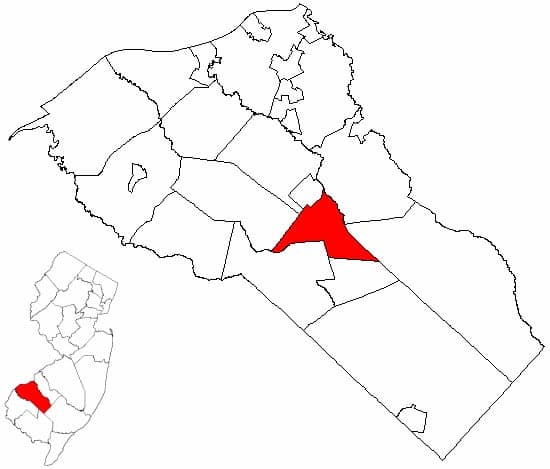
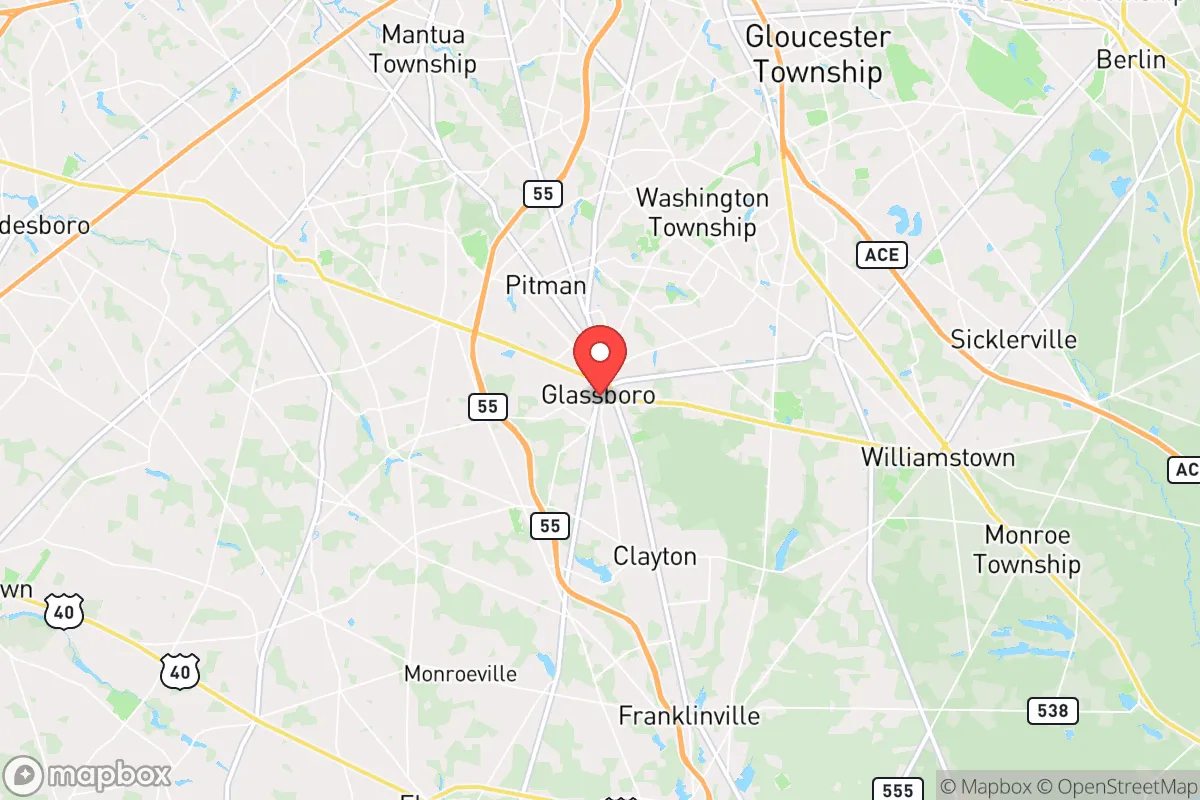
Photo: Wikipedia
Quality of Life in Glassboro, NJ
A high quality of life with strong walkability, manageable living costs, healthy neighborhood signals, and solid amenity access.
What does Quality of Life tell us?
Quality of Life blends cost of living, nearby amenities, socioeconomic signals, and neighborhood character. City-level scores represent the whole municipality; individual neighborhoods can differ.
What does this tell us?
Quality of Life blends cost of living, nearby amenities, socioeconomic signals, and neighborhood character. City-level scores represent the whole municipality; individual neighborhoods can differ.
Cost of Living
20% above national average
The Real Cost of Living in Glassboro, NJ for 2026
| Tier | Individual | Family (4) |
|---|---|---|
| Survival | $25k | $47k |
| Comfortable | $54k | $79k |
| Luxury | $131k+ | $204k+ |
| Elite (Top 5%) | $154k+ | $239k+ |
102%
The Area Signal
A metric tracking the socioeconomic signals of the area.
Hobbies
Explore the areaGroceries
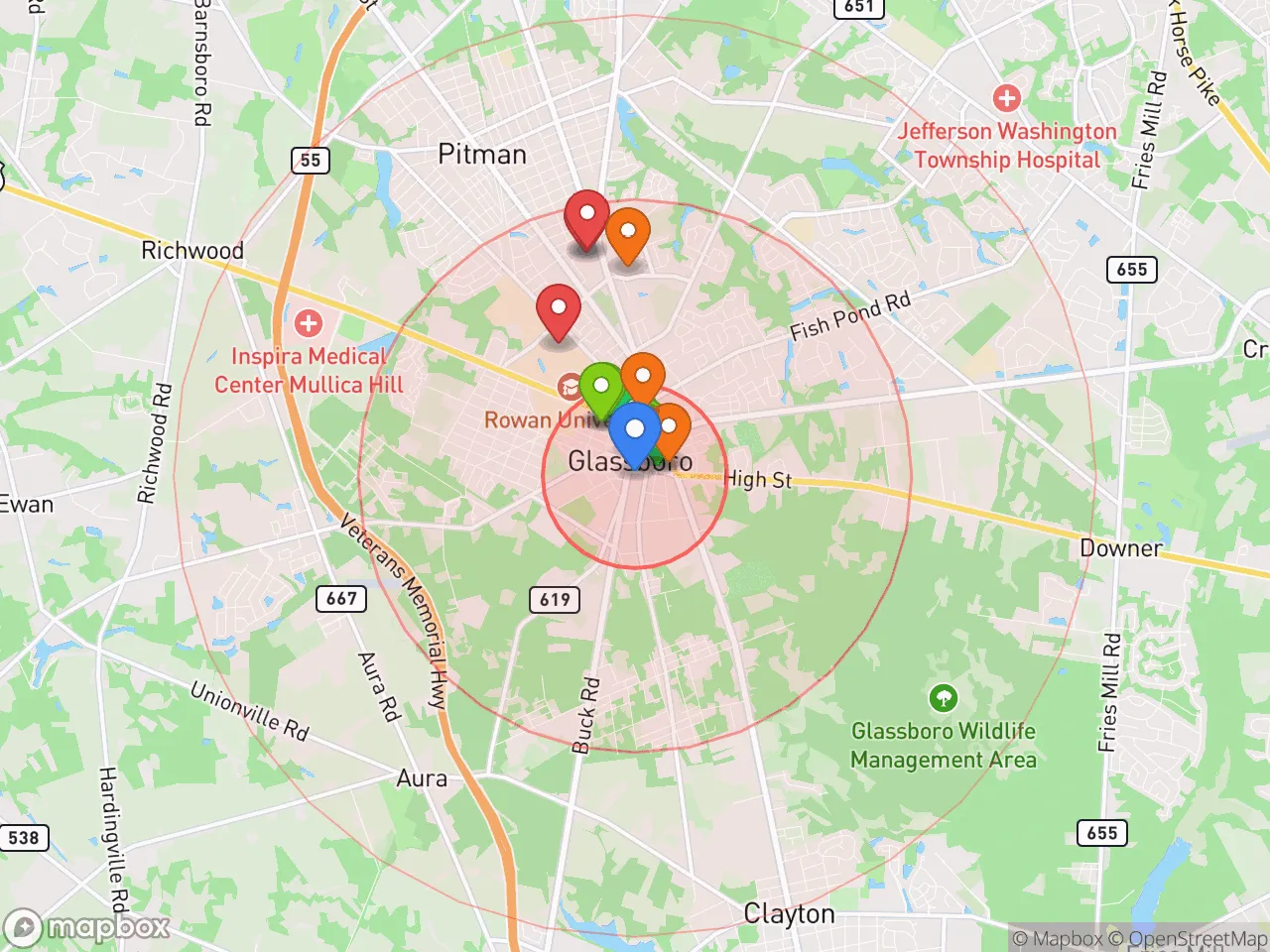
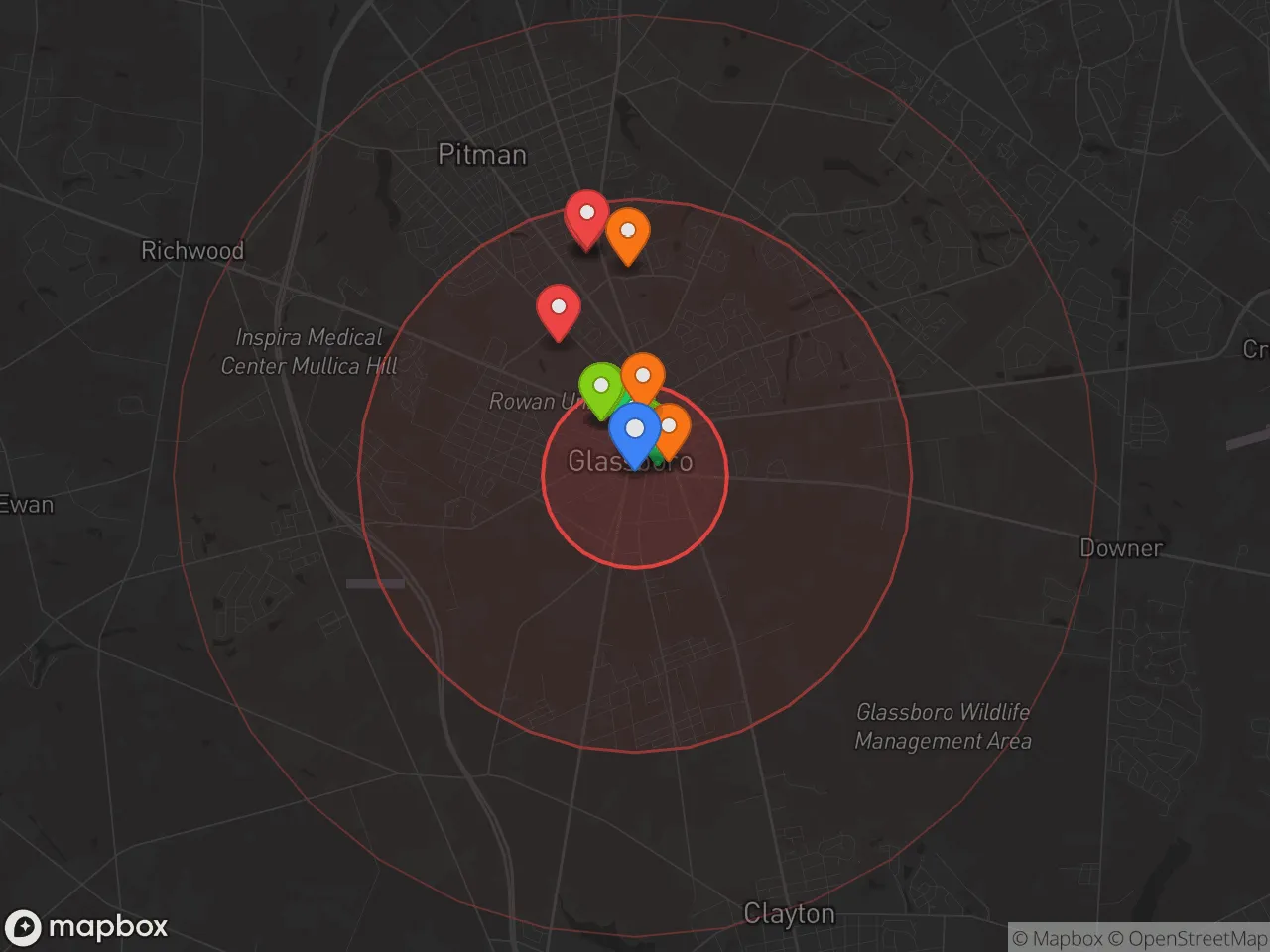
6 within 10 miles
Gas
20 within 10 miles
Hospital
20 within 20 miles
Airport
PHL — Philadelphia International
Post Office
USPS — Glassboro, NJ
Critical Amenities
Quality-of-Life Analysis
Glassboro, New Jersey, presents a quality-of-life profile that blends small-town character with the economic pressures of the Philadelphia metro area. With a cost-of-living index of 120—20% above the national average—the borough attracts a mix of Rowan University faculty, commuters working in Philadelphia or Cherry Hill, and families drawn to its walkable downtown and strong school system. The population skews younger and more transient than surrounding Gloucester County towns, largely due to the university's 20,000+ students, but a core of long-term residents anchors the community.
How housing costs and affordability compare to nearby towns
Glassboro's housing market sits at a notable middle point between more expensive suburbs like Mullica Hill and more affordable rural areas like Clayton. The median home value of $276,900 is roughly 15% below the New Jersey statewide median of $325,000, making it one of the more attainable entry points in Gloucester County. Median rent of $1,561 aligns closely with the national average of $1,500, though it is significantly lower than the Philadelphia metro median of $1,800. The average commute of 28.4 minutes is slightly shorter than the New Jersey average of 30 minutes, reflecting the borough's proximity to Route 55 and the NJ Transit Atlantic City Rail Line station. However, property taxes in Glassboro are high—typical for New Jersey—with effective rates around 3.2% of assessed value, which can offset the lower purchase price for homeowners.
What daily life is like for families and professionals
Daily life in Glassboro revolves around the Rowan Boulevard corridor, a mixed-use redevelopment area that has transformed the downtown since 2010. The boulevard hosts restaurants, coffee shops, and the Rowan University campus, creating a pedestrian-friendly hub that feels more urban than the surrounding farmland. The Glassboro Public School District serves roughly 2,000 students across four schools, with Glassboro High School earning a 7 out of 10 on GreatSchools and a graduation rate of 90%. For recreation, the borough maintains 12 parks, including the 80-acre Glassboro Wildlife Management Area, and the nearby Rowan Recreation Center offers indoor sports and fitness. The biggest trade-off is limited nightlife and shopping beyond the university strip—residents typically drive 15 minutes to the Deptford Mall or 25 minutes to Center City Philadelphia for major retail and entertainment.
Who would thrive in Glassboro
Glassboro is best suited for people who value walkability, a college-town energy, and a lower home price than most of South Jersey. First-time homebuyers, Rowan employees, and young professionals commuting to Philadelphia or Camden will find the commute manageable and the housing stock—mostly single-family homes from the 1950s–1970s—affordable by regional standards. Families should weigh the solid but not elite schools against the tax burden, while retirees may prefer quieter towns like Pitman or Wenonah. The borough's ongoing redevelopment, including new apartment complexes and a planned performing arts center, suggests continued growth, but the transient student population means the community feel can shift semester by semester.

Crime in Glassboro, NJ
Generally safer than 59% of comparable U.S. locations.
Violent CrimeViolent Crime Analysis
Property CrimeProperty Crime Analysis
Crime Analysis
Glassboro, New Jersey, presents a mixed safety profile for prospective residents. The borough’s violent crime rate of 215.6 incidents per 100,000 people is notably lower than the national average, but its property crime rate of 1,423.6 per 100,000 is significantly elevated. As a small city within the Philadelphia-Camden metropolitan area, Glassboro’s crime dynamics are influenced by regional justice policies that prioritize progressive, offender-focused approaches, which can lead to higher recidivism and reduced public safety.
Crime in context
Glassboro’s violent crime rate of 215.6 per 100,000 is roughly 40% lower than the U.S. average of 380 per 100,000, placing it in a safer tier for serious offenses like assault and robbery. However, the property crime rate of 1,423.6 per 100,000 is about 25% higher than the national average of 1,150 per 100,000. This disparity is common in New Jersey’s small metro-adjacent towns, where dense populations and easy access to major highways (like Route 55 and the New Jersey Turnpike) facilitate property crimes such as theft and vehicle break-ins. Statewide, New Jersey’s average property crime rate is roughly 1,200 per 100,000, meaning Glassboro exceeds even that benchmark.
What residents experience
Residents in Glassboro report that property crime—particularly theft from vehicles, package theft, and occasional burglaries—is the most tangible safety concern. The presence of Rowan University, with its large student population, contributes to a transient environment where unattended items and unlocked cars are common targets. Violent crime is less frequent but not absent; incidents are often concentrated in specific areas near campus or along Delsea Drive (Route 47). A key factor amplifying risk is the progressive judicial philosophy prevalent in Gloucester County and the broader Camden County court system. District attorneys and judges who emphasize diversion programs, reduced bail, and lenient sentencing for repeat offenders can result in more criminals returning to the streets quickly. This approach, while intended to reduce incarceration, directly undermines deterrence and victim justice, making property crime cycles harder to break.
Neighborhood-level variation
Safety in Glassboro varies noticeably by neighborhood. The area around Rowan University’s main campus sees higher rates of petty theft and noise complaints, especially during the academic year. Residential streets west of Main Street, such as those near Oakwood Cemetery, tend to have lower crime rates due to tighter-knit communities and less foot traffic. The borough’s eastern sections, closer to the Glassboro-Woodbury border, experience more property crime, likely due to easier access to major roads. For those considering a move, homes on quieter side streets away from commercial corridors generally offer a safer daily experience, though no area is immune to the regional effects of lenient justice policies. Prospective residents should also note that Glassboro’s police department maintains a visible presence, but its effectiveness is constrained by the broader legal environment.
* Values derived from national, state, county, city and local statistics and may differ in a specific area. Last updated: 2026-04-29T19:13:30.000Z
Narrative content on this page is AI-generated and may contain mistakes. Verify any details that matter before acting on them.
ReloMaps may earn a commission from affiliate links at no extra cost to you.

