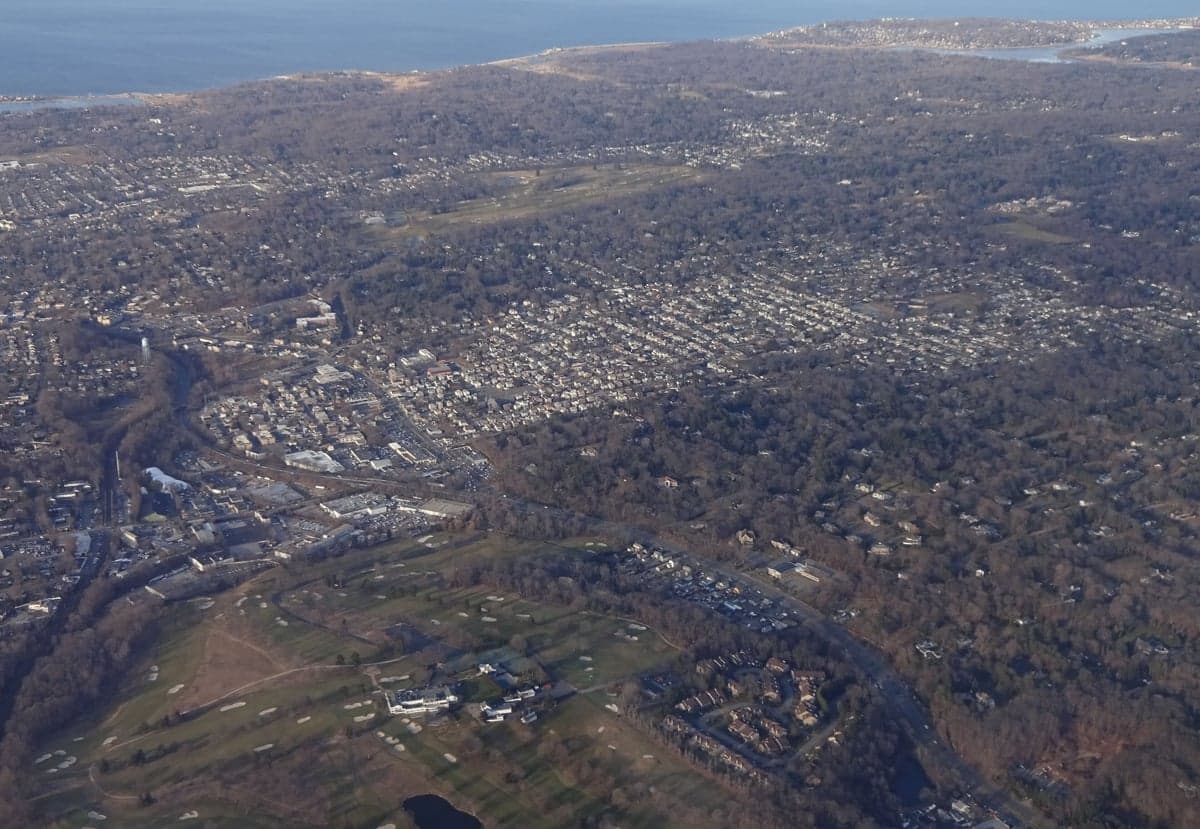
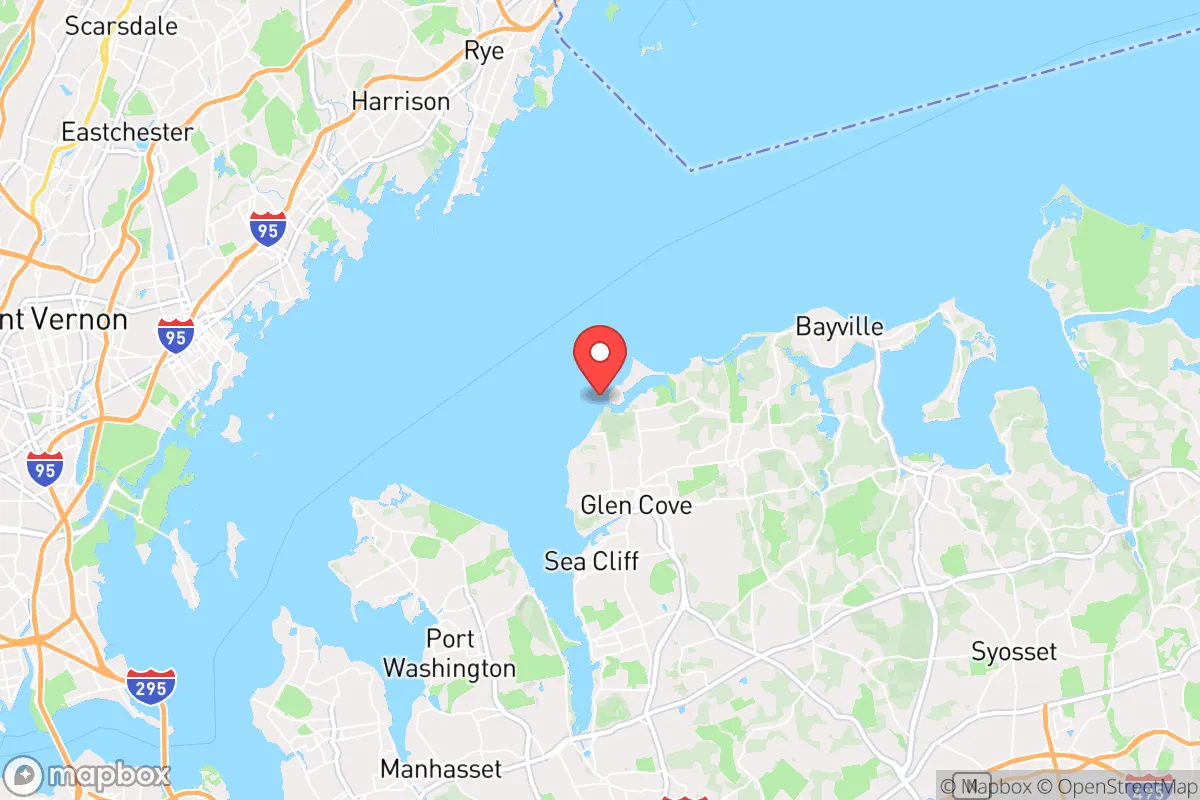
Photo: Wikipedia
Personal Sovereignty in Glen Cove, NY
Moderate friction. Expect trade-offs in some aspect of personal liberty and independence.
What does Personal Sovereignty tell us?
Personal Sovereignty measures your capacity for self-reliance and independence with minimal government friction. Higher scores mean fewer barriers between you and the way you want to live... but it assumes you have the space you need and good neighbors.
What does this tell us?
Personal Sovereignty measures your capacity for self-reliance and independence with minimal government friction. Higher scores mean fewer barriers between you and the way you want to live... but it assumes you have the space you need and good neighbors.
State Policy
Energy independence: Importer (12% of energy produced in-state)
Personal Liberty
Homesteading

Personal Liberty Analysis
For a conservative individual or family prioritizing personal sovereignty, Glen Cove, New York, presents a complex and often challenging environment. While the city offers a distinct sense of community and proximity to natural resources on Long Island's North Shore, it operates under the heavy hand of New York State's expansive regulatory and fiscal apparatus. The autonomy you can carve out here is real, but it is constantly negotiated against one of the most interventionist state governments in the nation. Your personal freedom will be defined less by what you can do and more by what you can successfully shield from state overreach.
Tax burden and regulatory posture: the cost of living under Albany's thumb
The single greatest assault on personal sovereignty in Glen Cove is the tax burden. New York State has one of the highest combined state and local tax rates in the country, and Glen Cove, as part of Nassau County, sits near the apex. Property taxes are notoriously high, often exceeding $10,000 annually for a modest single-family home, funding a school system and municipal services that you may not fully control or agree with. This is a direct transfer of your capital to government programs, reducing your ability to save, invest, or prepare for emergencies on your own terms. The regulatory posture is equally stifling. New York's strict building codes, environmental review processes (like the State Environmental Quality Review Act, or SEQRA), and permitting delays can turn a simple home improvement project into a months-long bureaucratic ordeal. For anyone seeking to build a workshop, install a backup generator, or modify their property for self-sufficiency, the message is clear: the state's permission is required before your own initiative can proceed.
Self-defense and gun law specifics: navigating the SAFE Act and beyond
For the prepper or survivalist, New York's firearm laws are a primary concern. The state's SAFE Act, passed in 2013 and strengthened since, imposes a de facto ban on many common semi-automatic rifles and magazines over ten rounds. The process to obtain a pistol permit in Nassau County is lengthy, invasive, and subject to the discretion of local judges, often taking six months to a year. "Constitutional carry" does not exist; carrying a concealed firearm requires a separate, difficult-to-obtain permit with a "proper cause" standard that is far from guaranteed. While Glen Cove itself is a relatively safe city, the legal framework leaves law-abiding citizens at a distinct disadvantage. You can own a shotgun or a bolt-action rifle for home defense with relative ease, but the state's restrictions on capacity and features mean your defensive options are legally limited. For those who view the Second Amendment as a cornerstone of personal sovereignty, this environment is a significant liability. You are forced to rely on a system that views your right to self-defense as a privilege to be granted, not a right to be exercised.
Self-reliance and homesteading viability: lot sizes, zoning, and off-grid feasibility
Glen Cove's suburban density makes traditional homesteading difficult. Most residential lots are a quarter-acre or less, with strict zoning that prohibits livestock, large gardens, or non-standard structures. Raising chickens, for example, is often subject to permit limits and neighbor approval. Off-grid living is effectively illegal; the city requires connection to municipal water and sewer, and any attempt to disconnect from the grid would violate building codes and health regulations. Solar panels are permitted but subject to aesthetic reviews and utility interconnection agreements that limit your independence. For the serious prepper, this means you cannot retreat to your property and become self-sufficient. Your best bet is to focus on urban preparedness: stockpiling food and water, installing a whole-house generator (with proper permits), and building a secure, defensible home within the existing infrastructure. The lack of acreage and the density of neighbors also mean that any major disruption would quickly become a shared problem, not a private one. True homesteading requires moving further upstate or into less regulated counties.
Personal liberties: parental rights, medical autonomy, speech, and property
New York State has aggressively asserted its authority over personal liberties in recent years. Parental rights in education have been eroded by state mandates on curriculum content, including comprehensive sex education and social-emotional learning standards that may conflict with family values. While Glen Cove's school district is generally well-regarded, parents have limited ability to opt their children out of specific lessons or materials. Medical autonomy is also constrained. During the COVID-19 pandemic, New York imposed some of the nation's strictest vaccine mandates and public health orders, and the legal framework for future mandates remains in place. For those who prioritize bodily autonomy and medical choice, this is a red flag. Free speech is protected by the First Amendment, but New York's "hate speech" laws and social media regulations create a chilling effect for those who express dissenting views on controversial topics. Property rights are the most secure of these liberties, but they are still subject to eminent domain and the state's broad police powers, as seen in aggressive code enforcement and environmental regulations. In Glen Cove, you can speak your mind, but you must be prepared for the social and legal consequences of doing so.
Overall, personal sovereignty in Glen Cove is a defensive posture, not an offensive one. You are not free to build, arm, or live as you see fit without significant state oversight. The area offers a stable community and good schools, but the price is constant negotiation with a government that views your autonomy as a threat to its authority. Compared to states like Texas, Florida, or even rural New York counties, Glen Cove is a low-sovereignty environment. For the survivalist or conservative individual, it is a place to live strategically—keeping your head down, building your resources within the system, and always having a plan B for when the state's reach extends too far. If you value maximum personal freedom above all else, you will find Glen Cove a frustrating and expensive compromise. But if you can navigate its constraints, it remains a viable, if tightly controlled, place to call home.

* Values derived from national, state, county, city and local statistics and may differ in a specific area. Last updated: 2026-04-24T15:54:47.000Z
Narrative content on this page is AI-generated and may contain mistakes. Verify any details that matter before acting on them.
ReloMaps may earn a commission from affiliate links at no extra cost to you.

