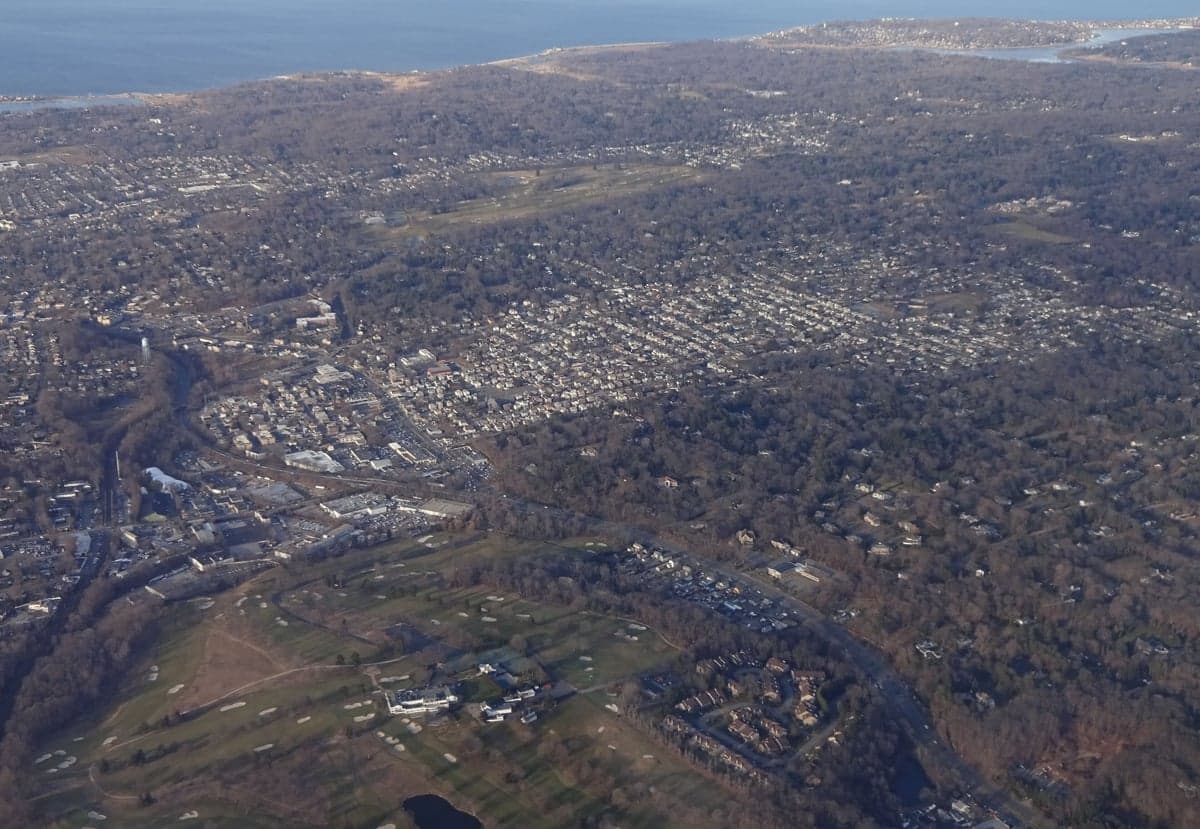
Photo: Wikipedia
Strategic Assessment of Glen Cove, NY
High tactical risk. This location is likely close to major population centers, strategic targets, or sits in a high-disaster corridor. A retreat property and careful exit planning is required.
What does the Strategic Assessment tell us?
Our Strategic Assessment grades tactical survivability of an area. Major population centers, military targets, fallout zones, natural disasters, and border exposure all drive risk — lower exposure means a more defensible position in a crisis.
This is heavily inspired by Joel Skousen's Strategic Relocation book. Highly recommended you checkout the book ($)What does this tell us?
Our Strategic Assessment grades tactical survivability of an area. Major population centers, military targets, fallout zones, natural disasters, and border exposure all drive risk — lower exposure means a more defensible position in a crisis.
This is heavily inspired by Joel Skousen's Strategic Relocation book. Highly recommended you checkout the book ($)Strategic Pillars

Key Distances
Regional Safe Places
Below is our recommended "safe zones" in New York and the surrounding area based on our strategic heuristics. For most people, it's unrealistic to live in a “safe zone” full-time due to work, family or other personal reasons. They tend to be more rural. However, many of these areas are perfect for second homes and retreat properties that double as a vacation home or even a short-term rental.
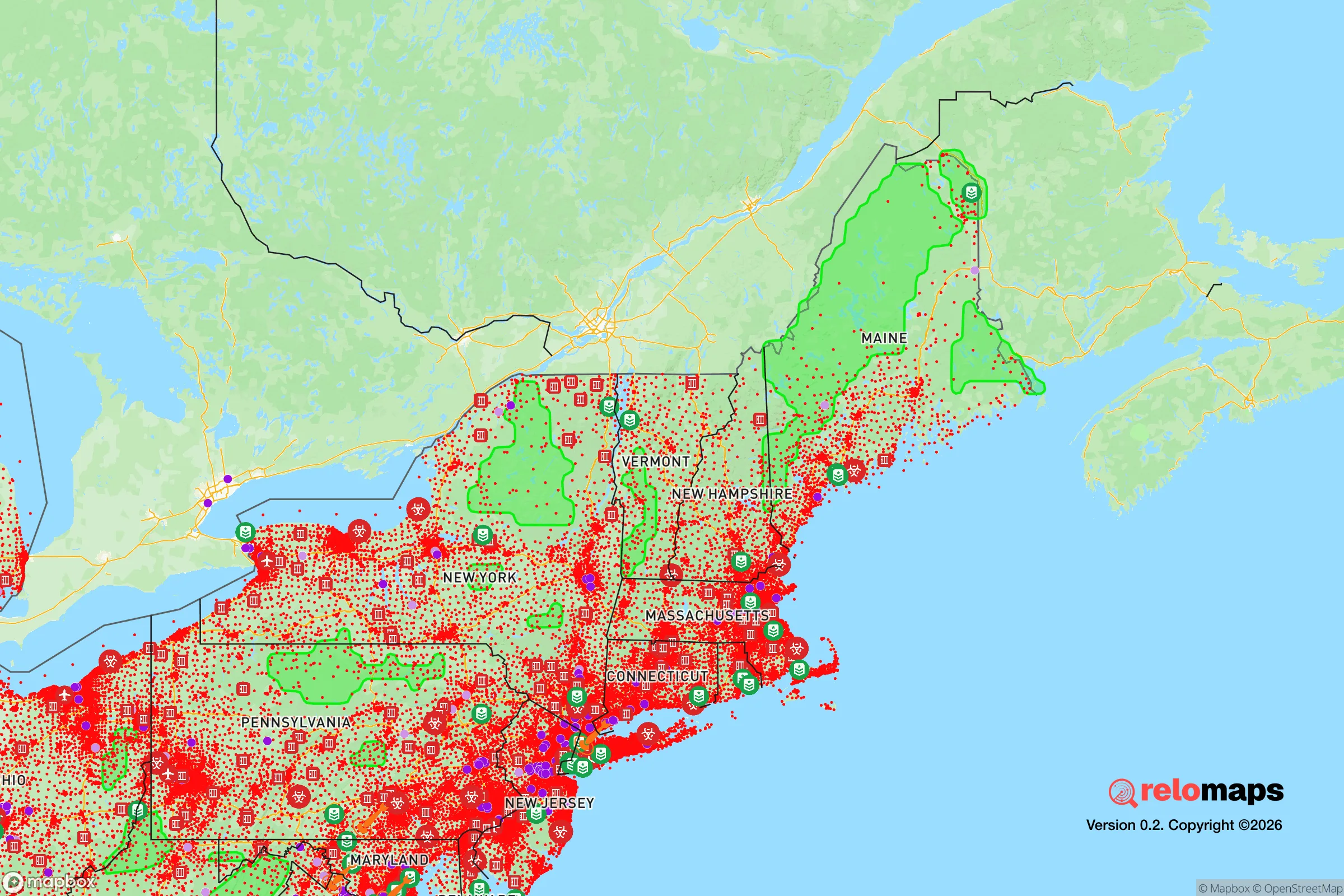
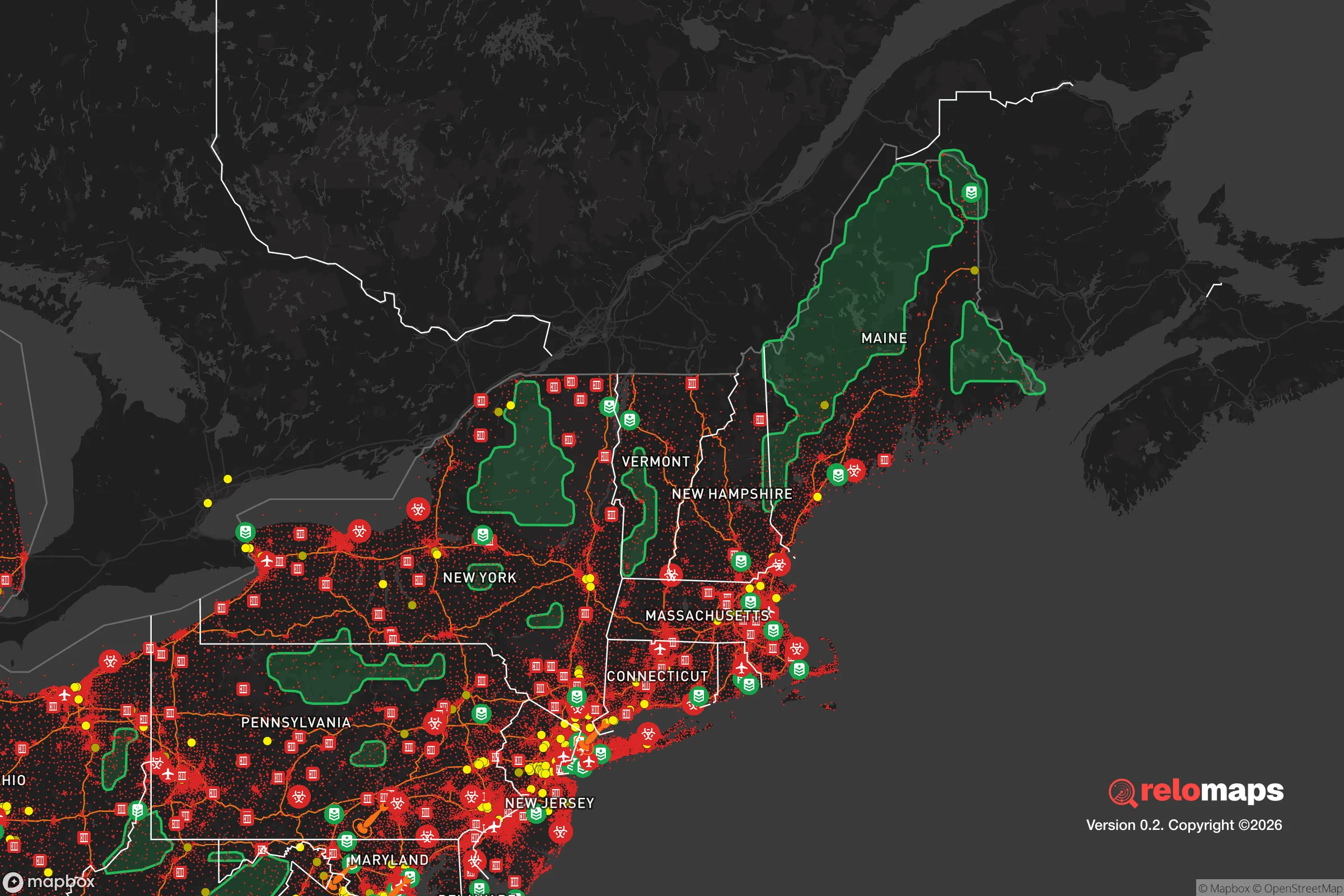


Important Note: For informational purposes only. This does not mean nothing bad ever happens in the green zones. Please use common sense. This is based on public data and modeled with AI. We tried to take a conservative approach but mistakes happen. We update this regularly as new information becomes available.
Solar Generator Recommendations
Backup power matters more here than in safer locations. We've picked three solar generators across budgets and capacity tiers — start with the budget unit if you only need a few essentials, or step up if you want to run a fridge and HVAC for days at a time.

Jackery Portable Power Station Explorer 300
Budget OptionPower on the Go: Weighing only 11 lbs, it's convenient to set up and store with book-sized foldable solar panels

BLUETTI Portable Power Station AC180
Designed for both indoor and outdoor scenarios, AC180 is highly capable as it has a robost capacity and continuous output power.

EF ECOFLOW DELTA Pro Ultra Power Station
Upgraded PickEcoFlow DELTA Pro Ultra is a whole-home energy system designed to grow with your family. Integrated with the Smart Home Panel 2, it scales to meet your evolving energy needs — keeping your home powered, intelligent, and secure through every stage of life.
We earn a commission, at no additional cost to you.
Strategic Assessment Analysis
Glen Cove, New York, presents a complex strategic picture for the conservative prepper or survivalist. Its location on the North Shore of Long Island offers a mix of natural advantages and severe, potentially deal-breaking vulnerabilities. While the city’s position on Hempstead Harbor provides a degree of geographic insulation from the densest urban chaos, its proximity to New York City—a primary target for any major disruption—introduces risks that may outweigh its benefits for those prioritizing long-term resilience and self-sufficiency.
Geographic position and natural advantages for a strategic relocation
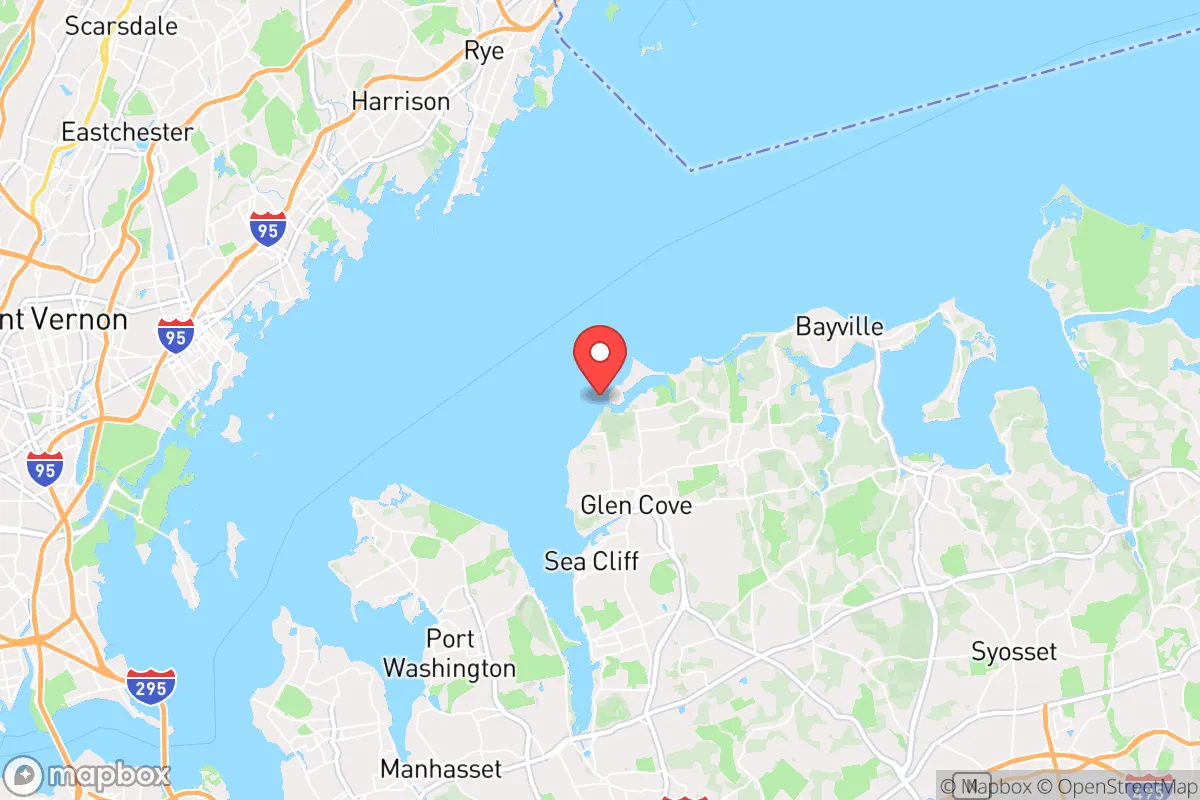
Glen Cove sits on a peninsula jutting into Long Island Sound, which gives it a distinct geographic character. The city is bordered by water on three sides—Hempstead Harbor to the west, Glen Cove Creek to the south, and the Sound to the north. This layout provides a natural buffer zone, making it harder for large, disorganized groups to approach from multiple directions. The surrounding area includes the 400-acre Morgan Park and the Garvies Point Preserve, offering wooded terrain and waterfront access that could be leveraged for foraging, fishing, and defensive positioning. The local topography includes modest hills and bluffs, which provide elevated vantage points for observation. For a relocator, the ability to monitor approaches from the water and the limited road access points—primarily Glen Cove Avenue and Northern Boulevard—creates a chokepoint dynamic that could be managed with proper planning. The city’s historic downtown, with its mix of older homes and newer developments, also offers a variety of building types that could be hardened or used for storage.
Risks, exposures, and proximity to fallout-relevant landmarks
The single greatest liability for Glen Cove is its proximity to New York City, roughly 25 miles west. In any scenario involving a major attack, natural disaster, or civil unrest, the city sits directly in the path of a potential mass exodus from the metro area. The Long Island Expressway (I-495) and the Northern State Parkway are the primary evacuation routes, and both pass within a few miles of Glen Cove. If a crisis triggers a panicked population movement, these roads would become impassable chokepoints, and the city could be overrun by refugees within hours. Additionally, Glen Cove is within the fallout zone of several high-value targets on Long Island itself. The nearby Grumman facility in Bethpage, historically a defense contractor site, and the Brookhaven National Laboratory, about 30 miles east, are both potential targets. The city’s location on the Sound also places it within range of any maritime-based threats, including a potential attack on the Port of New York and New Jersey. For a survivalist, the risk of being caught in a secondary wave of chaos—looting, resource competition, and violence from displaced urban populations—is a serious concern. The city’s own population of roughly 27,000 is dense enough that internal resource conflicts could escalate quickly if supply chains fail.
Practical resilience for a relocator: food, water, energy, and defensibility
For a relocator focused on practical self-sufficiency, Glen Cove offers a mixed bag. Water access is a clear advantage: the city sits on Hempstead Harbor and Long Island Sound, providing a saltwater source that can be desalinated with proper equipment, and the local aquifer system—the Magothy aquifer—is a reliable freshwater source for those who can drill a well. However, most residential properties are connected to municipal water, which would be vulnerable to contamination or shutdown. Food production is limited by the suburban layout; while some homes have yards suitable for gardening, the average lot size is small, and the soil in parts of the area is sandy and requires amendment. The local farmers’ market and nearby farms in Nassau County offer some local food sources, but they are not sufficient for long-term self-sufficiency. Energy resilience is a challenge: the grid is tied to the larger Long Island system, which is vulnerable to storms and potential sabotage. Solar panels are viable, but the area’s tree cover and occasional nor’easters can reduce efficiency. Backup generators and fuel storage are essential for any serious prepper here. Defensibility is moderate: the peninsula layout helps, but the city’s many inlets and waterfront properties create numerous entry points for small boats or determined individuals. The local police force is professional but small, and in a prolonged crisis, they would be overwhelmed. The best defensive strategy would involve securing a single, hardened property with good sightlines and limited access, rather than trying to hold a neighborhood.
The overall strategic picture for a conservative prepper
Glen Cove is a location that demands a clear-eyed assessment. It is not a rural retreat where you can disappear into the woods; it is a suburban enclave with significant exposure to the risks of the greater New York metropolitan area. For a single individual or a family with a strong prepper mindset, the city could work as a temporary base or a secondary location—provided you have the resources to fortify a property, store at least six months of supplies, and maintain a low profile. The water access and natural buffers are real assets, but they are offset by the proximity to a major target zone and the density of the surrounding population. If your goal is to ride out a short-term disruption—a week or two of unrest after a blackout or a localized disaster—Glen Cove’s infrastructure and community resources might suffice. But for a long-term collapse scenario, where you need to be off-grid, self-sufficient, and far from population centers, this location falls short. The conservative prepper should view Glen Cove as a place to pass through, not a place to dig in. If you are already here, your best move is to build strong relationships with like-minded neighbors, secure your water and energy sources, and have a bug-out plan for heading north or east into less populated areas of Suffolk County or New England. The strategic reality is that Glen Cove is a beautiful, historically rich community, but in a world of increasing instability, its location is a liability that no amount of local charm can fully offset.

* Values derived from national, state, county, city and local statistics and may differ in a specific area. Last updated: 2026-04-24T15:54:47.000Z
Narrative content on this page is AI-generated and may contain mistakes. Verify any details that matter before acting on them.
ReloMaps may earn a commission from affiliate links at no extra cost to you.

