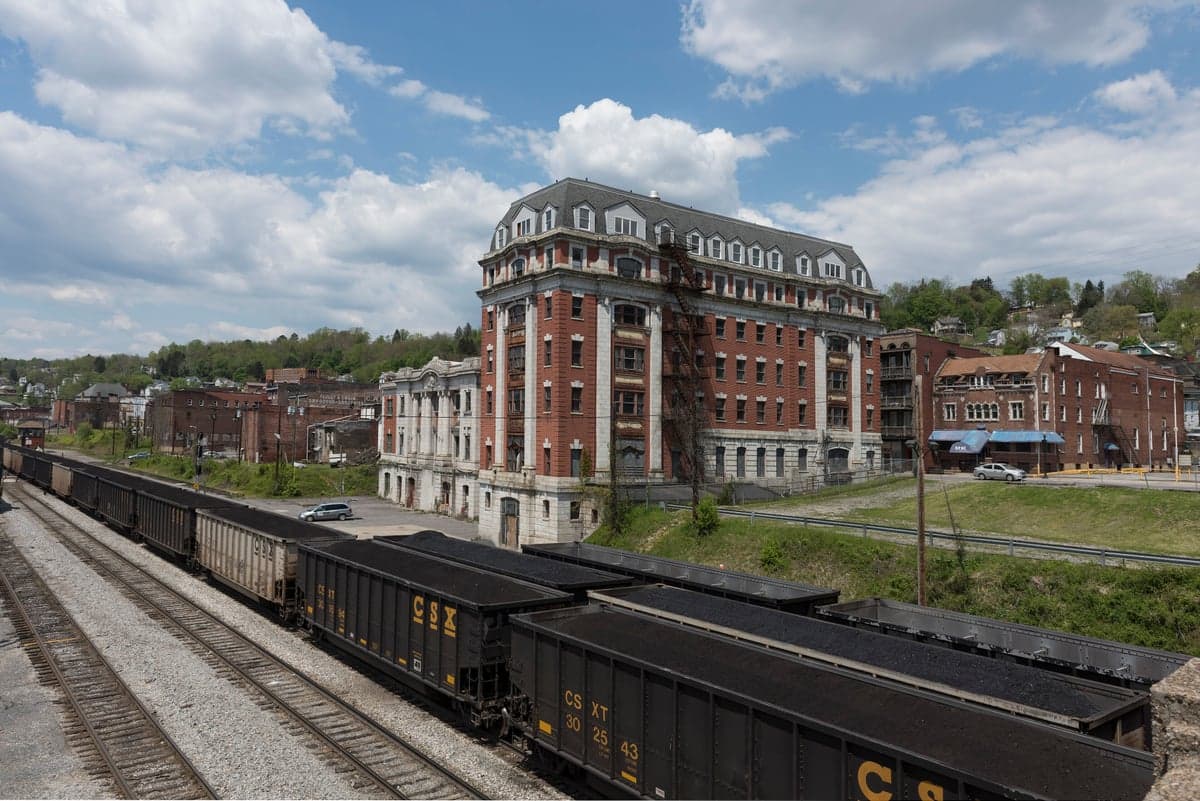
Photo: Wikipedia
Quality of Life in Grafton, WV
A high quality of life with strong walkability, manageable living costs, healthy neighborhood signals, and solid amenity access.
What does Quality of Life tell us?
Quality of Life blends cost of living, nearby amenities, socioeconomic signals, and neighborhood character. City-level scores represent the whole municipality; individual neighborhoods can differ.
What does this tell us?
Quality of Life blends cost of living, nearby amenities, socioeconomic signals, and neighborhood character. City-level scores represent the whole municipality; individual neighborhoods can differ.
Cost of Living
68% below national average
The Real Cost of Living in Grafton, WV for 2026
| Tier | Individual | Family (4) |
|---|---|---|
| Survival | $7k | $13k |
| Comfortable | $14k | $21k |
| Luxury | $70k+ | $109k+ |
| Elite (Top 5%) | $91k+ | $142k+ |
187%
The Area Signal
A metric tracking the socioeconomic signals of the area.
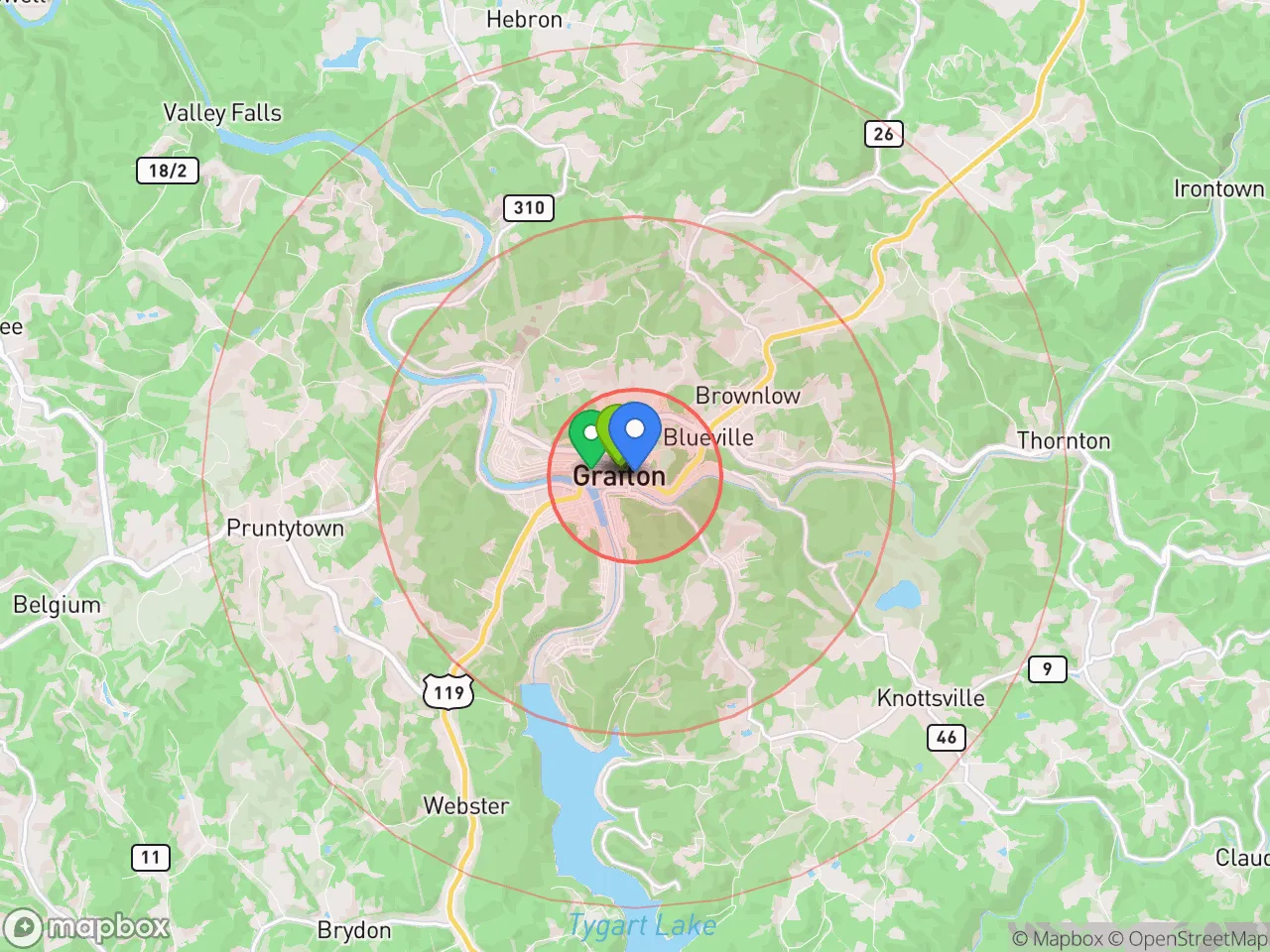
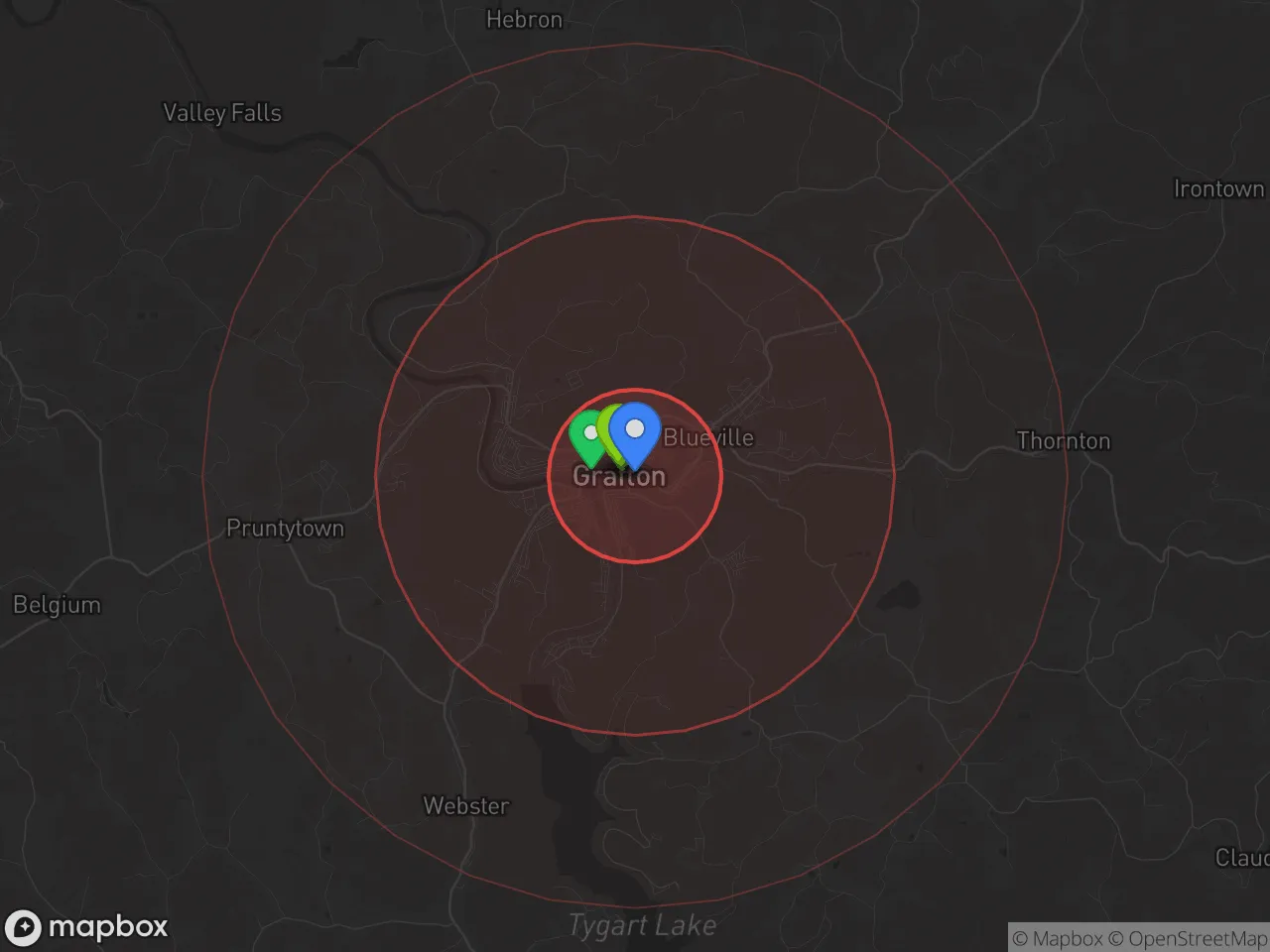
Hobbies
Explore the areaGroceries
1 within 10 miles
Gas
1 within 10 miles
Hospital
8 within 20 miles
Airport
Pittsburgh International Airport
Post Office
USPS — Grafton, WV
Critical Amenities
Quality-of-Life Analysis
Grafton, West Virginia, offers a quality of life defined by deep affordability and a quiet, community-oriented pace, attracting a mix of retirees, remote workers, and families seeking a lower cost of living. With a cost of living index of 32—dramatically below the U.S. average of 100—the town provides a financial cushion that is rare in most of the country. The population skews older and more settled, with a strong sense of local history and a slower daily rhythm that appeals to those looking to escape metropolitan stress.
How housing costs and affordability compare to nearby towns
Grafton’s housing market is among the most accessible in West Virginia. The median home value sits at $72,700, and the median rent is just $429 per month—figures that are roughly one-third of national medians. For context, homes in nearby Bridgeport or Morgantown typically cost two to three times more, while even Clarksburg’s median home value hovers around $100,000. This extreme affordability means that a household earning the local median income can often own a home outright within a few years. However, the trade-off is a limited housing stock: many homes are older, and inventory can be sparse. The average commute of 26.6 minutes is slightly longer than the national average, reflecting that many residents drive to larger employment hubs like Fairmont or Morgantown for work, where wages are higher but housing costs remain out of reach.
What daily life is like for families and retirees in Grafton
Daily life in Grafton revolves around local amenities and outdoor recreation. The town’s schools, part of Taylor County Schools, serve a small student body with a student-teacher ratio around 14:1, which can allow for more individualized attention. For groceries and errands, residents rely on a modest downtown core and a Walmart Supercenter; for more extensive shopping or dining, a 20-minute drive to Bridgeport or Clarksburg is common. The Tygart Lake State Park, just 10 minutes south, offers fishing, boating, and hiking, while the historic downtown features the International Mother’s Day Shrine and the B&O Railroad Museum. Healthcare access is provided by Grafton City Hospital and nearby WVU Medicine facilities in Bridgeport. The pace is unmistakably slow—restaurants close early, and community events like the Taylor County Fair anchor the social calendar. For families, the low cost of living can mean a higher quality of life despite lower incomes, but the lack of high-paying local jobs and limited after-school activities may be a drawback for some.
Grafton is best suited for those who prioritize financial breathing room over urban convenience. Retirees on fixed incomes will find their dollars stretch far, and remote workers with stable salaries can enjoy a low-stress lifestyle with easy access to nature. Families who value a tight-knit community and are willing to commute for work or entertainment will also find the town viable. However, professionals seeking vibrant nightlife, diverse dining, or rapid career growth will likely feel constrained. For the right person, Grafton offers a rare combination of peace, history, and affordability that is increasingly hard to find elsewhere.

Crime in Grafton, WV
Lower crime rates than 93% of comparable U.S. locations.
Violent CrimeViolent Crime Analysis
Property CrimeProperty Crime Analysis
Crime Analysis
Grafton, West Virginia, presents a notably low violent crime rate that stands well below both state and national averages, making it one of the safer small towns in the region for personal safety. However, its property crime rate is elevated relative to its size, indicating that while violent confrontations are rare, theft and burglary are more common concerns for residents. The overall safety picture is mixed: a very low risk of violent victimization is offset by a moderate risk of property loss, a pattern typical of many rural Appalachian communities.
Crime in context
Grafton’s violent crime rate of 66.1 incidents per 100,000 residents is dramatically lower than the national average of roughly 380 per 100,000 and significantly below the West Virginia state average of about 320 per 100,000. This places Grafton in the safest tier of U.S. communities for violent offenses like homicide, assault, and robbery. In contrast, the property crime rate of 836.6 per 100,000 is slightly above the national average (approximately 1,950 per 100,000) but still well below many larger metro areas. The data suggests that Grafton’s law enforcement and community structure effectively deter serious violence, but property crimes—particularly larceny and vehicle break-ins—occur at a frequency that demands routine precautions.
What residents experience
For daily life in Grafton, the practical risk is overwhelmingly property-related. Residents commonly report unlocked vehicles being rifled through overnight and occasional theft from porches or sheds. Violent crime is so rare that most locals consider it a non-issue, though the town’s proximity to larger cities like Clarksburg and Morgantown means that drug-related property crime can occasionally spill over from those areas. It is important to note that West Virginia’s judicial system, while not dominated by the progressive prosecutorial policies seen in many large coastal metro areas, still faces challenges with recidivism and substance abuse treatment programs that can result in repeat property offenders cycling through the system. Readers concerned about the impact of lenient sentencing should be aware that Grafton’s low violent crime rate is partly attributable to a more traditional, conservative approach to law enforcement in the region, which prioritizes public safety over offender rehabilitation in sentencing.
Neighborhood-level variation in Grafton is modest but noticeable. The historic downtown core and areas near the Tygart Valley River see slightly higher foot traffic and correspondingly more petty theft, while the residential streets on the town’s outskirts—particularly around the Grafton National Cemetery and the western hills—experience virtually no crime. The safest pockets are the quiet, single-family-home neighborhoods west of US-119 and north of WV-1, where property crime rates drop to near zero. Overall, Grafton offers a safe environment for families and retirees who take standard precautions, with the understanding that property crime, not violence, is the primary safety consideration.
* Values derived from national, state, county, city and local statistics and may differ in a specific area. Last updated: 2026-05-01T21:36:50.000Z
Narrative content on this page is AI-generated and may contain mistakes. Verify any details that matter before acting on them.
ReloMaps may earn a commission from affiliate links at no extra cost to you.

