 Popular
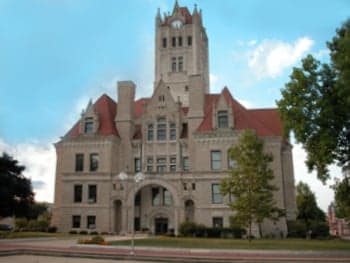
Photo: Wikipedia
Quality of Life in Greenfield, IN
Above-average quality of iife. The area offers a reasonable cost of living, decent mobility, and a mix of neighborhood amenities.
What does Quality of Life tell us?
Quality of Life blends cost of living, nearby amenities, socioeconomic signals, and neighborhood character. City-level scores represent the whole municipality; individual neighborhoods can differ.
What does this tell us?
Quality of Life blends cost of living, nearby amenities, socioeconomic signals, and neighborhood character. City-level scores represent the whole municipality; individual neighborhoods can differ.
Cost of Living
13% below national average
The Real Cost of Living in Greenfield, IN for 2026
| Tier | Individual | Family (4) |
|---|---|---|
| Survival | $18k | $34k |
| Comfortable | $40k | $59k |
| Luxury | $109k+ | $169k+ |
| Elite (Top 5%) | $128k+ | $199k+ |
128%
The Area Signal
A metric tracking the socioeconomic signals of the area.
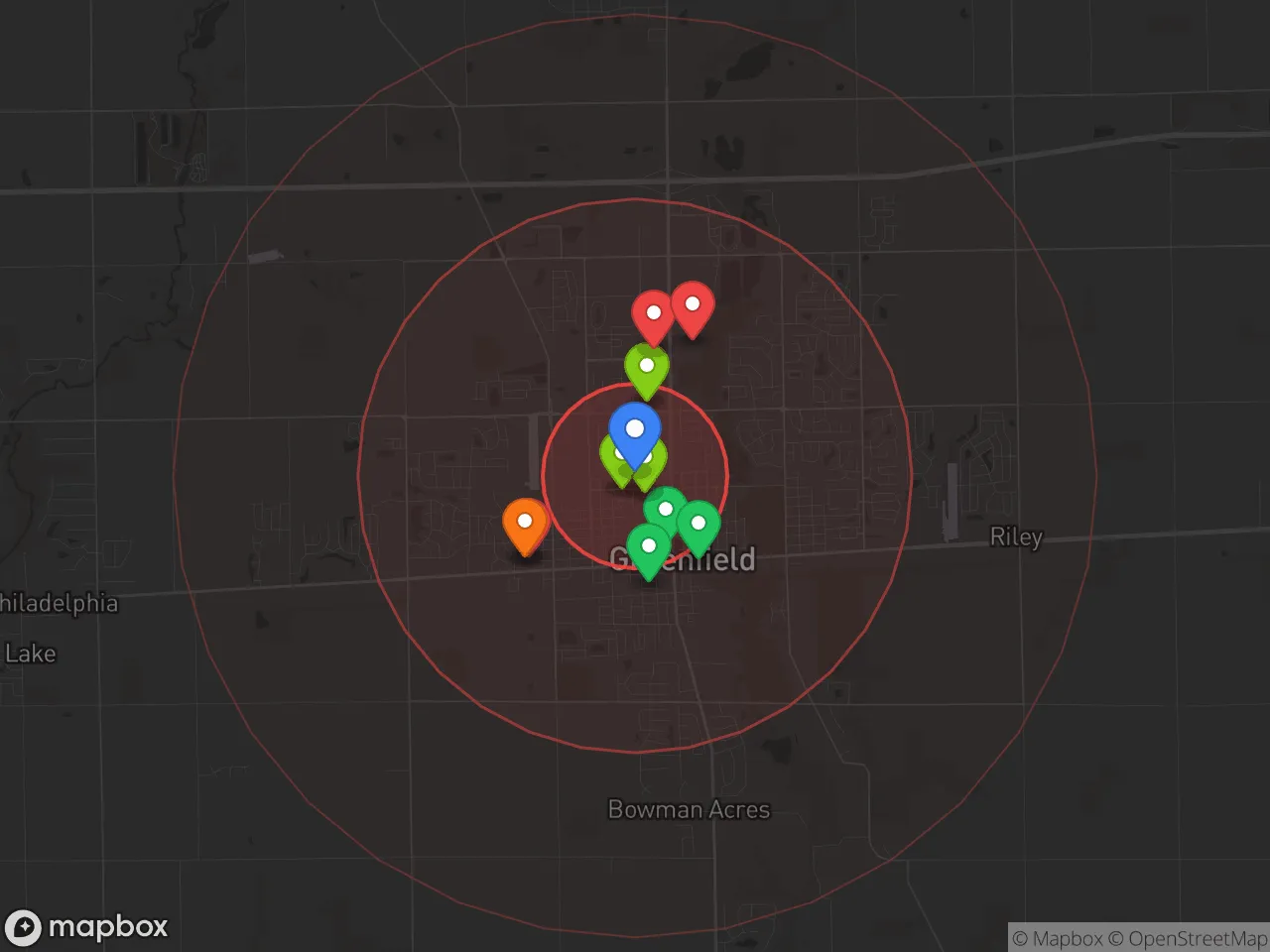
Hobbies
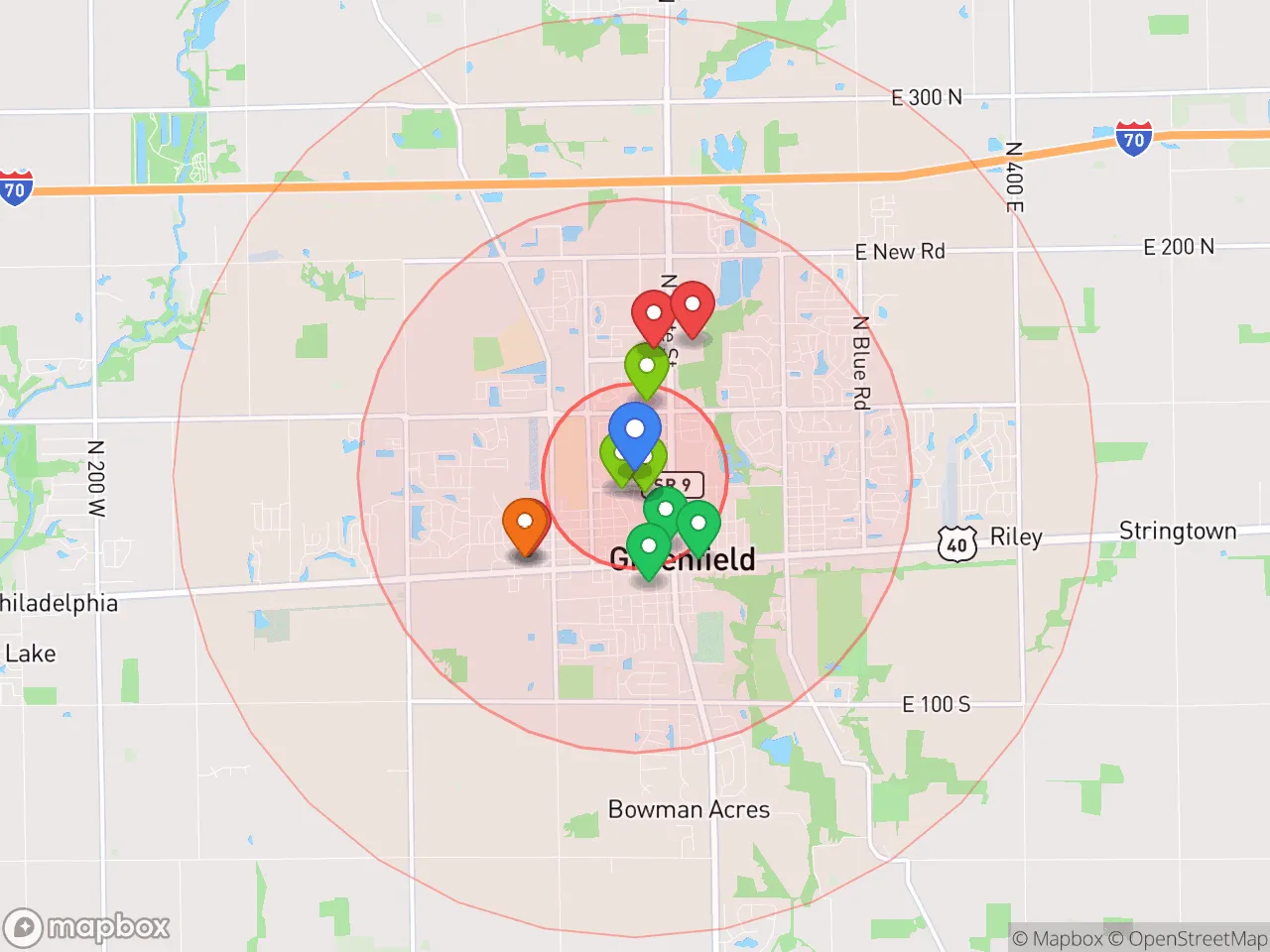
Explore the areaGroceries
3 within 10 miles
Gas
19 within 10 miles
Hospital
18 within 20 miles
Airport
Indianapolis International Airport
Post Office
USPS — Greenfield, IN
Critical Amenities
Quality-of-Life Analysis
Greenfield, Indiana, offers a quality of life defined by small-town affordability within striking distance of Indianapolis’s job market, making it a practical choice for families and commuters seeking lower costs without sacrificing access to urban amenities. With a cost of living index of 87—13% below the national average—and a median home value of $205,800, the city attracts middle-income households, first-time buyers, and those priced out of Hamilton County suburbs like Fishers or Carmel. The population skews toward long-term residents and newcomers drawn by the balance of quiet streets, local schools, and a 25-minute average commute to downtown Indianapolis.
Cost of living, housing, and how Greenfield compares to nearby suburbs
Greenfield’s housing market is notably more accessible than many Indianapolis-area suburbs. The median home value of $205,800 is roughly half that of Carmel ($450,000+) and significantly below Fishers ($380,000), while median rent of $1,128 is about $300–$400 less per month than comparable rentals in those communities. This affordability stems from Hancock County’s lower land costs and less intense development pressure, though prices have risen steadily since 2020 as buyers seek value. The overall cost of living index of 87 reflects savings across housing, groceries, and transportation, though property taxes in Hancock County are moderate—around 0.9% of assessed value—and utilities are in line with state averages. For renters, the $1,128 median rent is manageable on a median household income of roughly $62,000, though wages in local service and manufacturing jobs may lag slightly behind the metro average. Commuters benefit from the 24.86-minute average drive to Indianapolis, which is shorter than many outer-ring suburbs like Noblesville (35+ minutes) and avoids the worst of I-69 congestion.
Local amenities, schools, and what daily life feels like for families
Daily life in Greenfield centers on its historic downtown square, which hosts a weekly farmers market, seasonal festivals like the Riley Festival, and independent shops along Main Street. The city’s park system includes Beckenholdt Park with walking trails and sports fields, plus the Pennsy Trail connecting to nearby communities. For schools, the Greenfield-Central Community School Corporation serves most of the city, with Greenfield-Central High School offering a strong vocational program and a graduation rate around 90%. Families often cite the low student-to-teacher ratio (roughly 18:1) and the presence of Hancock Regional Hospital as key assets. The rhythm is slower than Indianapolis’s—chain restaurants and big-box retail cluster along State Road 9, while evening entertainment leans toward high school sports, library events, and local diners. Commuters appreciate the direct route via I-70 into downtown Indy, though the lack of a commuter rail means driving is the only option. Grocery access is solid with a Kroger and Walmart Supercenter, but specialty shopping or fine dining requires a 20-minute drive to Greenfield’s eastern edge or into Indianapolis proper.
Greenfield works best for those who prioritize space, lower housing costs, and a predictable routine over urban nightlife or walkable density. Families with school-age children, remote workers who can tolerate a short commute for occasional office visits, and retirees on fixed incomes will find the affordability and quiet appealing. Singles or young professionals seeking a vibrant social scene may feel limited, as the city’s dining and entertainment options are modest. For anyone willing to trade a 25-minute drive for a mortgage under $210,000 and a slower pace, Greenfield delivers a stable, low-stress base within reach of Indiana’s capital.

Crime in Greenfield, IN
Lower crime rates than 100% of comparable U.S. locations.
Violent CrimeViolent Crime Analysis
Property CrimeProperty Crime Analysis
Crime Analysis
Greenfield, Indiana, reports an exceptionally low crime rate, with both violent and property crime rates at 0 per 100,000 residents—a figure that places it among the safest communities in the state and nation. This data, drawn from the most recent FBI Uniform Crime Reporting statistics, indicates a community where serious crime is virtually nonexistent. For context, the national average for violent crime is roughly 380 per 100,000, and property crime averages around 1,950 per 100,000, making Greenfield's zero-rate a statistical outlier that demands careful scrutiny of local reporting practices and community dynamics.
Crime in context
Greenfield's reported crime rates are dramatically lower than both Indiana state averages and national benchmarks. The state of Indiana typically sees violent crime rates around 350 per 100,000 and property crime rates near 1,800 per 100,000. A zero-rate for both categories is highly unusual and may reflect a combination of effective local policing, strong community cohesion, and potentially conservative data reporting standards. It is important to note that Hancock County, where Greenfield is located, is a politically conservative area with a Republican-leaning judiciary and district attorney's office. This stands in contrast to many large metropolitan areas where progressive prosecutorial policies—such as cash bail reform, reduced charging for nonviolent offenses, and diversion programs—have been linked to increased recidivism and higher crime rates. In Greenfield, the absence of such policies likely contributes to the low crime environment, as offenders face consistent accountability rather than leniency.
What residents experience
Residents of Greenfield report a strong sense of safety in daily life, with little to no concern about burglary, theft, or violent encounters. The town's small size—approximately 24,000 people—and its role as a bedroom community for Indianapolis (about 20 miles west) mean that most crime is limited to minor incidents like traffic violations or occasional domestic disputes. The local police department maintains a visible presence, and neighborhood watch programs are active in several subdivisions. For families, the ability to walk downtown or leave doors unlocked without worry is a commonly cited benefit. However, the zero-crime statistic should be interpreted with caution: it may not account for unreported incidents or data suppression in small jurisdictions, but the overall lived experience aligns with a very low-crime environment.
Neighborhood-level variation in Greenfield is minimal, though some areas near the Hancock County line or closer to Interstate 70 may see slightly higher rates of vehicle break-ins or minor theft, typical of any community near a major highway. The historic downtown district and newer subdivisions on the west side are considered particularly safe, while the eastern edge, bordering more rural areas, remains quiet. Overall, Greenfield's crime profile is a direct reflection of its conservative governance, engaged community, and distance from the progressive criminal justice reforms that have driven crime upward in larger cities like Indianapolis or Chicago.
* Values derived from national, state, county, city and local statistics and may differ in a specific area. Last updated: 2026-04-22T10:28:11.000Z
Narrative content on this page is AI-generated and may contain mistakes. Verify any details that matter before acting on them.
ReloMaps may earn a commission from affiliate links at no extra cost to you.

