 Popular
Photo: Wikipedia
Find The Best Places To Live
in Carmel
PRO TIP! You can paste a Zillow or Redfin link to get info on that property.
What It's Like Living in Carmel, IN
If you’re considering a move to Carmel, Indiana, you’re probably picturing a place that’s clean, safe, and prosperous — and you’d be right. But what really sets this city of just over 100,000 people apart is how seamlessly it blends a small-town, family-first atmosphere with the kind of amenities and polish you’d expect from a much larger metro. It’s a place where the high school football game on Friday night feels as important as the latest corporate headquarters opening, and where you’re just as likely to bump into a neighbor at the farmer’s market as you are at a top-tier restaurant. Carmel isn’t trying to be Indianapolis; it’s confidently its own thing.
The Daily Rhythm: Work, School, and the Weekend
Life in Carmel revolves around a few core pillars: work, school, and community. The average commute is a manageable 25 minutes, which means most people are heading into Indianapolis or to one of the many corporate campuses right here in town. Major employers like Eli Lilly and Company, Meridian Health Services, and a growing tech sector keep the local economy hummingcars, and the median household income of $134,602 reflects that. But the real heartbeat of the city is its schools. The Carmel Clay Schools district is a massive draw, and it’s not just about test scores — it’s the center of social life. Parents volunteer, attend concerts, and cheer at games. If you don’t have kids, you’ll still notice the school calendar dictates traffic patterns and weekend plans.
Weekends are for the Carmel Farmers Market (a serious affair with local produce and artisan goods), a bike ride on the Monon Trail (which cuts right through town and connects to Indianapolis), or grabbing a table at Union Brewing Company or Brix on Main. The vibe is active but not frantic. People here take their leisure time seriously, whether that’s a round of golf at Crooked Stick Golf Club (a PGA Tour venue) or a walk through the Carmel Arts & Design District, where galleries and boutiques line the streets.
Sports, Community, and the Big Events
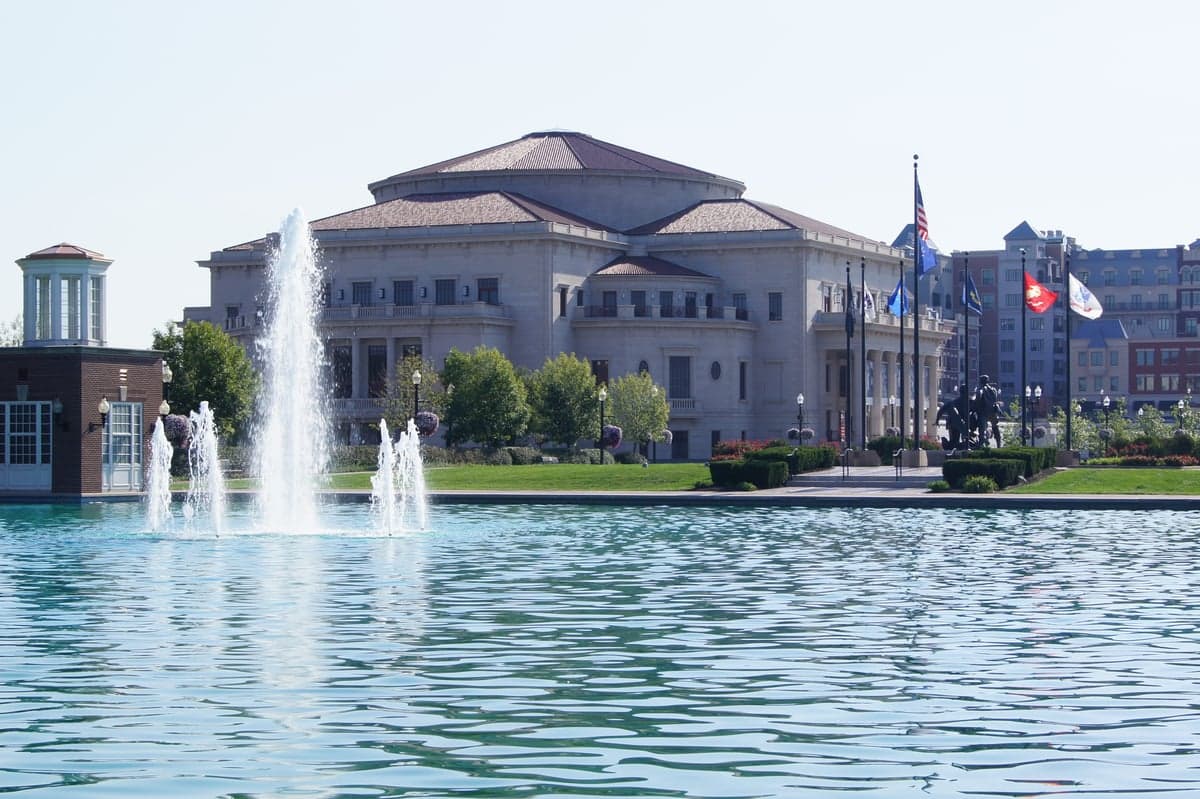
Sports are a big deal here, but not in the pro-sports-obsessed way you’d find in Chicago or even Indianapolis. The Carmel Greyhounds high school teams are the local celebrities, especially football and basketball. Games at Carmel Stadium draw thousands, and the marching band is a state powerhouse. For pro sports, it’s a short drive to Indianapolis for the Colts or Pacers, but most locals are just as happy at a Carmel Icehounds hockey game or a Carmel FC soccer match. The city also hosts the Carmel International Arts Festival each fall, which brings in artists from around the world, and the Carmel Christkindlmarkt — a German-style Christmas market that’s become a regional destination. If you’re into music, the Palladium at the Center for the Performing Arts is a world-class venue that books everything from symphony orchestras to stand-up comedy.
One cultural quirk you’ll notice: Carmel is aggressively proud of its roundabouts. There are over 140 of them, and locals will tell you they’re a traffic innovation, not a nuisance. They’re also a symbol of the city’s planned, intentional growth — everything here feels designed, for better or worse.
Pros and Cons of Living Here
What longtime residents love:
- Safety: The violent crime rate is just 49.7 per 100,000 — one of the lowest in the region. People leave their doors unlocked and kids ride bikes to the park without a second thought.
- Schools: Carmel Clay Schools are consistently ranked among the best in Indiana, with a 74.5% college-educated adult population backing them up. If education is your priority, this is a no-brainer.
- Walkability and green space: The Monon Trail, Cool Creek Park, and Flowing Well Park make it easy to get outside. The city has invested heavily in bike lanes and pedestrian paths.
- Dining and culture: You don’t have to go to Indy for a good meal. Petite Chou (French bistro), Milktooth (brunch legend), and Ristorante Roma are local staples. The Arts & Design District is genuinely walkable and interesting.
What frustrates residents:
- Cost of living: With a cost of living index of 148 (100 is the U.S. average) and a median home value of $455,500, Carmel is expensive by Indiana standards. Renters and first-time buyers feel the squeeze.
- Homogeneity: It’s a wealthy, largely white, and politically conservative suburb. If you’re looking for diversity of thought or background, you might find it a bit of a bubble. The median age of 40.5 skews toward families, not singles or young professionals.
- Traffic and roundabouts: While locals defend the roundabouts, newcomers often find them confusing, especially at peak hours. The city’s rapid growth has also led to some congestion on main arteries like Meridian Street and Keystone Parkway.
- Seasonal weather: Winters are cold and gray, with lake-effect snow possible. Summers are humid and hot. The “shoulder seasons” (spring and fall) are beautiful but short.
Carmel is a place that works exceptionally well for a certain kind of person: someone who values safety, excellent schools, and a planned, orderly community over urban grit or bohemian flair. It’s not cheap, and it’s not for everyone, but for the families and professionals who land here, it’s hard to imagine leaving.

Similar small cities to Carmel
* Values derived from national, state, county, city and local statistics and may differ in a specific area. Last updated: 2026-04-14T21:55:05.000Z
Narrative content on this page is AI-generated and may contain mistakes. Verify any details that matter before acting on them.
ReloMaps may earn a commission from affiliate links at no extra cost to you.

