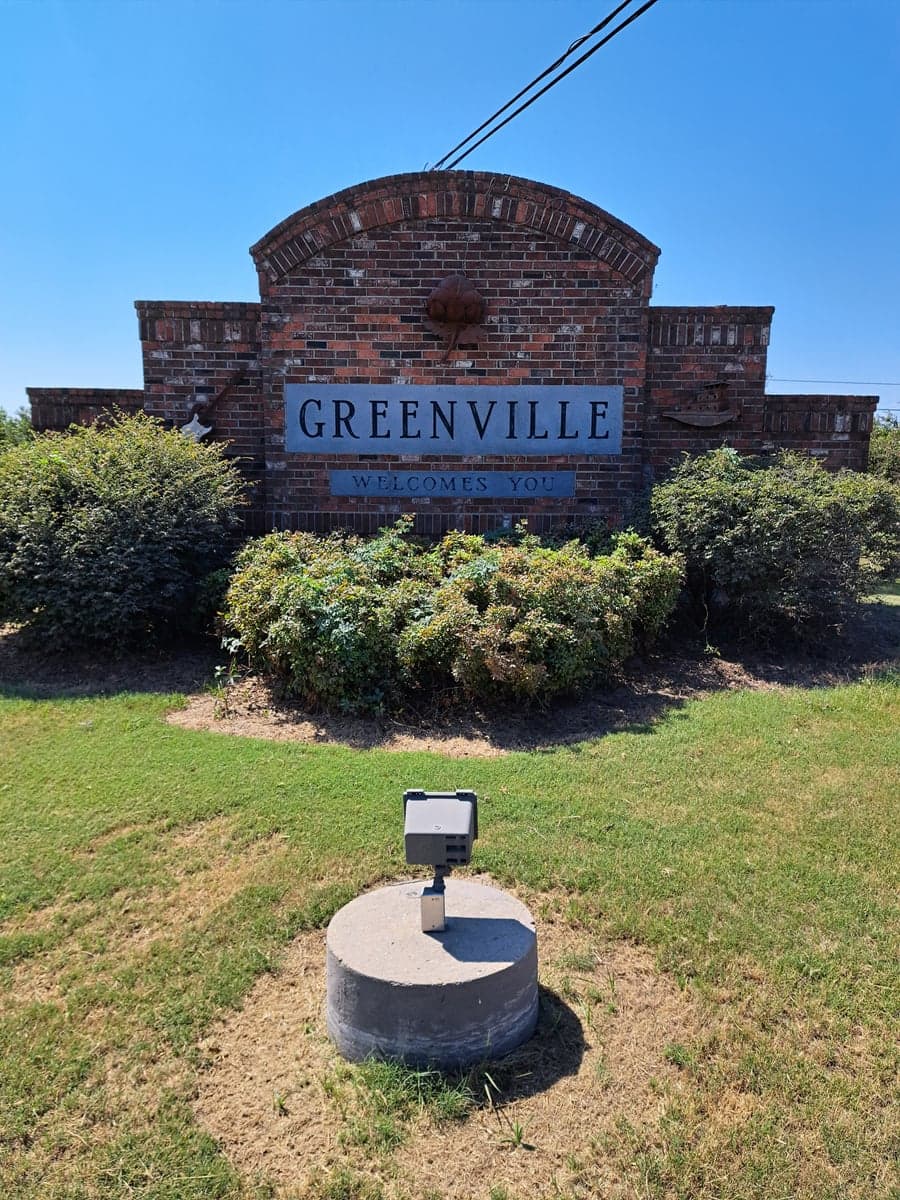
Photo: Wikipedia
Quality of Life in Greenville, MS
A high quality of life with strong walkability, manageable living costs, healthy neighborhood signals, and solid amenity access.
What does Quality of Life tell us?
Quality of Life blends cost of living, nearby amenities, socioeconomic signals, and neighborhood character. City-level scores represent the whole municipality; individual neighborhoods can differ.
What does this tell us?
Quality of Life blends cost of living, nearby amenities, socioeconomic signals, and neighborhood character. City-level scores represent the whole municipality; individual neighborhoods can differ.
Cost of Living
43% below national average
The Real Cost of Living in Greenville, MS for 2026
| Tier | Individual | Family (4) |
|---|---|---|
| Survival | $13k | $25k |
| Comfortable | $22k | $32k |
| Luxury | $66k+ | $102k+ |
| Elite (Top 5%) | $96k+ | $149k+ |
113%
The Area Signal
A metric tracking the socioeconomic signals of the area.


Hobbies
Explore the areaGroceries
4 within 10 miles
Gas
0 within 10 miles
Hospital
3 within 20 miles
Airport
BNA — Nashville International
Post Office
USPS — Greenville, MS
Critical Amenities
Quality-of-Life Analysis
Greenville, Mississippi, presents a notably low cost of living that attracts retirees, remote workers, and families seeking affordability, though the area's economic challenges mean it is not a high-affluence destination. The city's cost-of-living index stands at 57 (100 = US average), making it one of the most budget-friendly places in the Mississippi Delta. Residents are predominantly long-term locals, with a growing number of out-of-state buyers drawn by the prospect of homeownership at a fraction of national prices.
Cost of living, housing affordability, and how Greenville compares to nearby areas
Greenville's housing market is exceptionally affordable by any national standard. The median home value is $100,800, and the median rent is $824 per month — both far below the Mississippi state averages of roughly $170,000 and $950, respectively. For context, a comparable home in nearby Cleveland, MS, might cost 15-20% more, while in the larger city of Jackson (two hours south), median home values exceed $150,000. The average commute in Greenville is just 18 minutes, well under the national average of 26 minutes, which reduces transportation costs and frees up time for daily life. Utility costs are also below the U.S. average, though property taxes in Washington County are slightly higher than in some neighboring Delta counties like Bolivar or Sunflower. Overall, a household earning $35,000 per year can comfortably afford a mortgage or rent here, a threshold that would be tight in most U.S. metros.
What daily life is like for families: schools, amenities, and local rhythm
Daily life in Greenville moves at a slower, more deliberate pace typical of the Delta. The Greenville Public School District serves most families, though many residents opt for private or parochial options such as St. Joseph Catholic School or Washington School (a private K-12). For higher education, Mississippi Delta Community College in nearby Moorhead offers associate degrees and workforce training. Amenities are modest but functional: the Greenville Mall provides basic retail, while the Washington County Convention Center hosts events and trade shows. Outdoor recreation centers around Warfield Point Park on Lake Ferguson, a popular spot for fishing and boating, and the nearby Delta National Forest offers hunting and hiking. Dining leans heavily toward Southern comfort food and catfish — Doe's Eat Place, a Greenville institution since 1941, is a regional draw. The city's cultural rhythm is shaped by its blues heritage, with live music at venues like the Walnut Street Blues Bar and annual events such as the Mississippi Delta Blues Festival. Grocery access is adequate, with a Walmart Supercenter and a few local markets, though residents often drive to Greenville's larger stores for variety.
Greenville is best suited for those who prioritize affordability and a quiet, community-oriented lifestyle over career opportunities or urban amenities. Retirees on fixed incomes, remote workers with stable salaries, and families who value low housing costs will find the most to appreciate. However, job growth is limited — major employers include the Greenville Medical Center, the Mississippi Department of Corrections, and regional manufacturing plants — so career-driven professionals may need to commute or work remotely. For anyone seeking a low-stress, low-cost base in the Mississippi Delta, Greenville delivers a functional, if unglamorous, quality of life.

Crime in Greenville, MS
Generally safer than 63% of comparable U.S. locations.
Violent CrimeViolent Crime Analysis
Property CrimeProperty Crime Analysis
Crime Analysis
Greenville, Mississippi, faces significant public safety challenges, with crime rates that substantially exceed both state and national averages. The city's violent crime rate stands at 178.8 incidents per 100,000 residents, while property crime occurs at a rate of 1,025.7 per 100,000. These figures place Greenville in a higher-risk category compared to many similarly sized Mississippi Delta communities, though the city's overall crime profile is more heavily weighted toward property offenses than violent acts.
Crime in context
Greenville's property crime rate of 1,025.7 per 100,000 is roughly 40% higher than the national average of approximately 1,954 per 100,000 (2023 FBI data). The violent crime rate of 178.8 per 100,000, while lower than some larger Mississippi cities like Jackson, still exceeds the national average of about 380 per 100,000. Compared to the state of Mississippi, which has one of the highest violent crime rates in the U.S. at roughly 250 per 100,000, Greenville's violent crime rate is below the state average but its property crime rate is elevated. It is important to note that Greenville operates within Washington County, which has a justice system that, like many in the Delta, has faced criticism for inconsistent prosecution rates and a revolving-door approach to repeat offenders. Progressive judicial philosophies that prioritize offender rehabilitation over public safety can contribute to higher recidivism and a perception that crime carries minimal consequences, directly impacting residents' sense of security.
What residents experience
For those living in Greenville, property crime is the most tangible daily concern. Burglary, theft from vehicles, and vandalism are frequently reported, particularly in areas near commercial corridors like Highway 82 and Main Street. Violent crime, while less common, tends to be concentrated in specific neighborhoods and is often related to disputes or drug activity rather than random attacks on strangers. Residents commonly report feeling safe during daytime hours in well-trafficked areas like the downtown historic district or near the Greenville Mall, but caution is advised after dark in less populated residential zones. Home security systems, neighborhood watch participation, and avoiding leaving valuables in plain sight are standard precautions for local families.
Neighborhood-level variation
Safety conditions vary considerably across Greenville. The city's historic districts, such as the Archer Street area and neighborhoods near the Mississippi River levee, tend to have lower crime rates due to higher property values and stronger community cohesion. In contrast, areas along the southern and eastern edges of the city, particularly around the industrial zones and lower-income housing developments, report higher concentrations of both property and violent crime. Prospective residents should research specific blocks rather than relying solely on citywide averages, as a street-by-street difference of several blocks can mean a significant change in safety risk. Consulting local law enforcement or a trusted real estate agent familiar with Greenville's micro-neighborhoods is strongly advised before making a relocation decision.
* Values derived from national, state, county, city and local statistics and may differ in a specific area. Last updated: 2026-04-19T14:58:41.000Z
Narrative content on this page is AI-generated and may contain mistakes. Verify any details that matter before acting on them.
ReloMaps may earn a commission from affiliate links at no extra cost to you.

