Photo: Wikipedia
Find The Best Places To Live
in Charleston
PRO TIP! You can paste a Zillow or Redfin link to get info on that property.
What It's Like Living in Charleston, SC
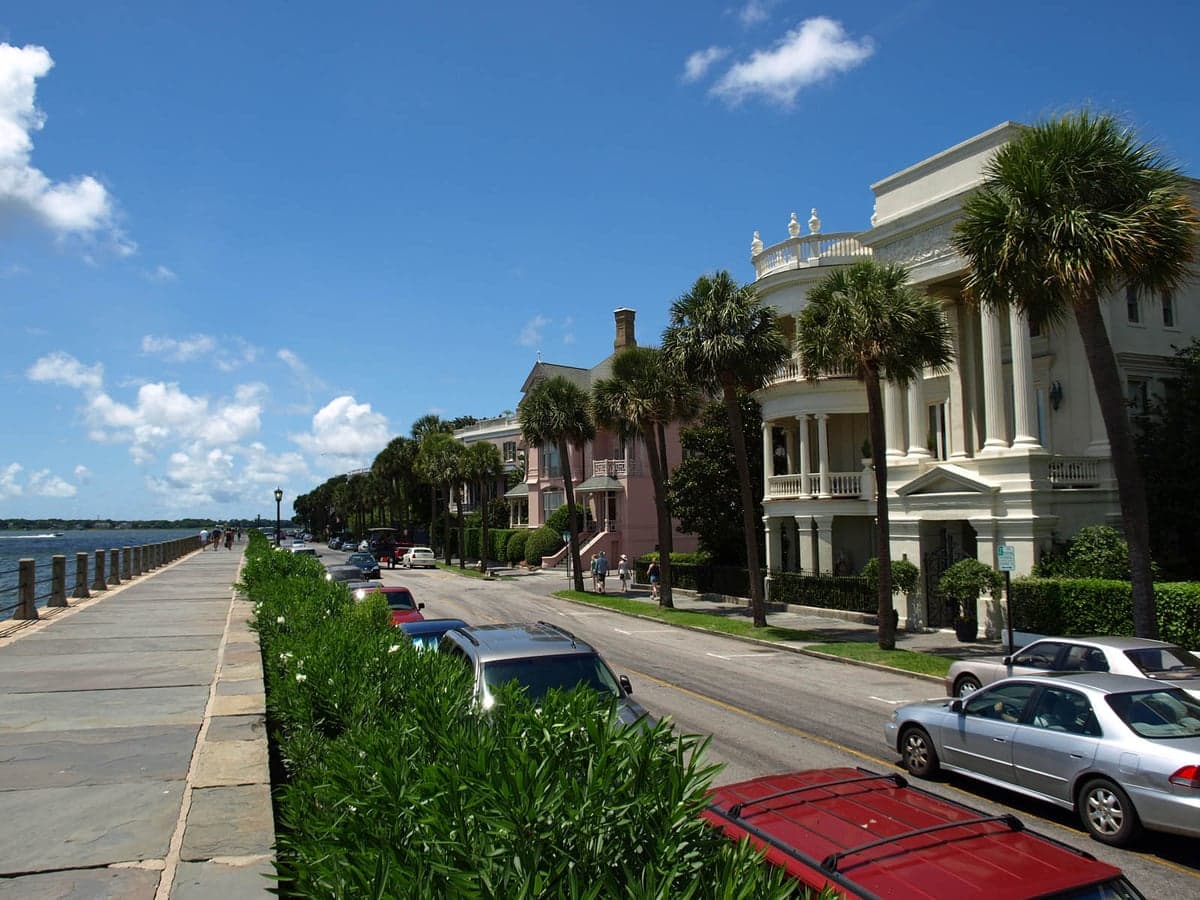
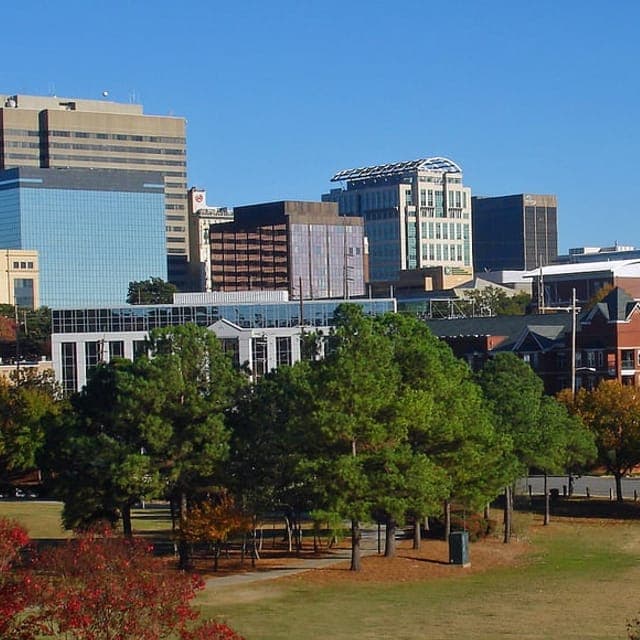
Charleston, South Carolina, has a way of making you slow down, even when you’re in a hurry. It’s a place where history isn’t just in textbooks—it’s the brick under your feet on King Street and the reason your neighbor can tell you which cannonball is still lodged in the church wall down the block. With a population of about 152,000, the city feels big enough to have real energy but small enough that you’ll start recognizing faces at the Harris Teeter or the Saturday farmers market on Marion Square.
Daily Rhythm: What Life Actually Looks Like
Most mornings here start with coffee and a decision: take the bridge or brave the peninsula traffic. The average commute clocks in around 24 minutes, which sounds manageable until you hit the James Island Connector during tourist season. People who live here tend to cluster their errands early or late to avoid the midday crawl. Grocery shopping often means a mix of the big-box Publix for staples and the local Lowe’s Foods for Carolina-raised meats and boiled peanuts. Weekends revolve around water—kayaking Shem Creek, paddleboarding off Sullivan’s Island, or just sitting on a dock with a book and a cooler. The Charleston Battery soccer matches at Patriots Point draw a loyal, family-friendly crowd, and high school football on Friday nights is a genuine event, especially for programs like Porter-Gaud or Fort Dorchester.
Work life here leans professional and service-oriented. The Medical University of South Carolina (MUSC) is the largest employer, followed by Boeing’s assembly plant and the sprawling tech and logistics sector around the former Navy base. With a median household income of $90,038, many residents are in healthcare, engineering, or the hospitality industry. The kind of person who fits in tends to be someone who values a slower pace but still wants a solid career—someone who’s okay with humidity and knows that “Lowcountry boil” is a proper dinner party menu.
Sports, Festivals, and the Things That Fill a Calendar
Charleston isn’t a pro-sports town in the traditional sense—there’s no NFL or MLB team—but it makes up for it with college and local passion. College of Charleston Cougars basketball games at TD Arena are well-attended, and The Citadel Bulldogs football games bring out a mix of cadets and locals who love the pageantry. The real energy, though, is in the festivals. Spoleto Festival USA in late spring turns the entire peninsula into a stage for opera, theater, and dance. The Southeastern Wildlife Exposition in February draws hunters, anglers, and conservationists from across the region. For food, the Charleston Wine + Food Festival is a major draw, but locals know the real gems are the smaller events like the Blessing of the Fleet in Mount Pleasant or the Lowcountry Oyster Festival at Boone Hall Plantation.
Music venues range from the intimate Pour House on James Island—where you can catch local Americana bands and eat a burger—to the North Charleston Coliseum for bigger touring acts. Outdoor life is year-round, though summer afternoons are best spent indoors or on the water. Folly Beach is the go-to for surfers and college crowds, while Isle of Palms feels more family-oriented. The West Ashley Greenway offers a paved, shaded trail for runners and cyclists that cuts through old-growth oak tunnels.
Pros and Cons of Living Here
What longtime residents love: The sense of place is unmatched. You can walk through the French Quarter and feel like you’re in a different century, then grab a beer at Edmund’s Oast and feel very much in the present. The food scene is genuinely world-class—Husk and FIG get the national press, but locals rotate through Lewis Barbecue for brisket and Hominy Grill for shrimp and grits. The community is tight-knit in a way that surprises newcomers; people actually know their mail carriers and wave at neighbors from their porches. The weather, while hot, means you can be outside comfortably from March through November, and the Christmas season with the Charleston Holiday Parade and historic home tours is genuinely magical.
What frustrates them: The cost of living is a real shock. With a cost of living index of 151 (well above the national average of 100) and a median home value of $469,100, buying a house on a single income is tough unless you’re in a high-earning field. Rentals are competitive, and the historic district’s charm comes with old plumbing, limited parking, and strict HOA-style regulations on paint colors and fences. Traffic is the other big complaint—the bridges and the peninsula’s narrow streets mean that a 24-minute average commute can easily become 45 minutes during spring break or a cruise ship docking. The violent crime rate of 279.9 per 100,000 is slightly above the national average, and while most of it is concentrated in specific areas, it’s something single women and families should research block by block before signing a lease.
Cultural quirks: Charleston runs on a social calendar that revolves around church, charity galas, and oyster roasts. If you’re not from the South, you’ll notice that “bless your heart” can mean anything from genuine sympathy to a polite insult. The city is also deeply traditional in its social rhythms—many families have been here for generations, and newcomers are welcomed but expected to respect the local pace. Schools are a major community anchor; the Charleston County School District has strong options like Academic Magnet High School (consistently ranked among the nation’s best) and Wando High School, but also some underperforming schools that families research carefully before buying a home. The College of Charleston and The Citadel bring a youthful energy that keeps the city from feeling like a retirement enclave, and the median age of 36.1 reflects a mix of young professionals and established families.

Similar small cities to Charleston
* Values derived from national, state, county, city and local statistics and may differ in a specific area. Last updated: 2026-04-29T21:46:07.000Z
Narrative content on this page is AI-generated and may contain mistakes. Verify any details that matter before acting on them.
ReloMaps may earn a commission from affiliate links at no extra cost to you.

