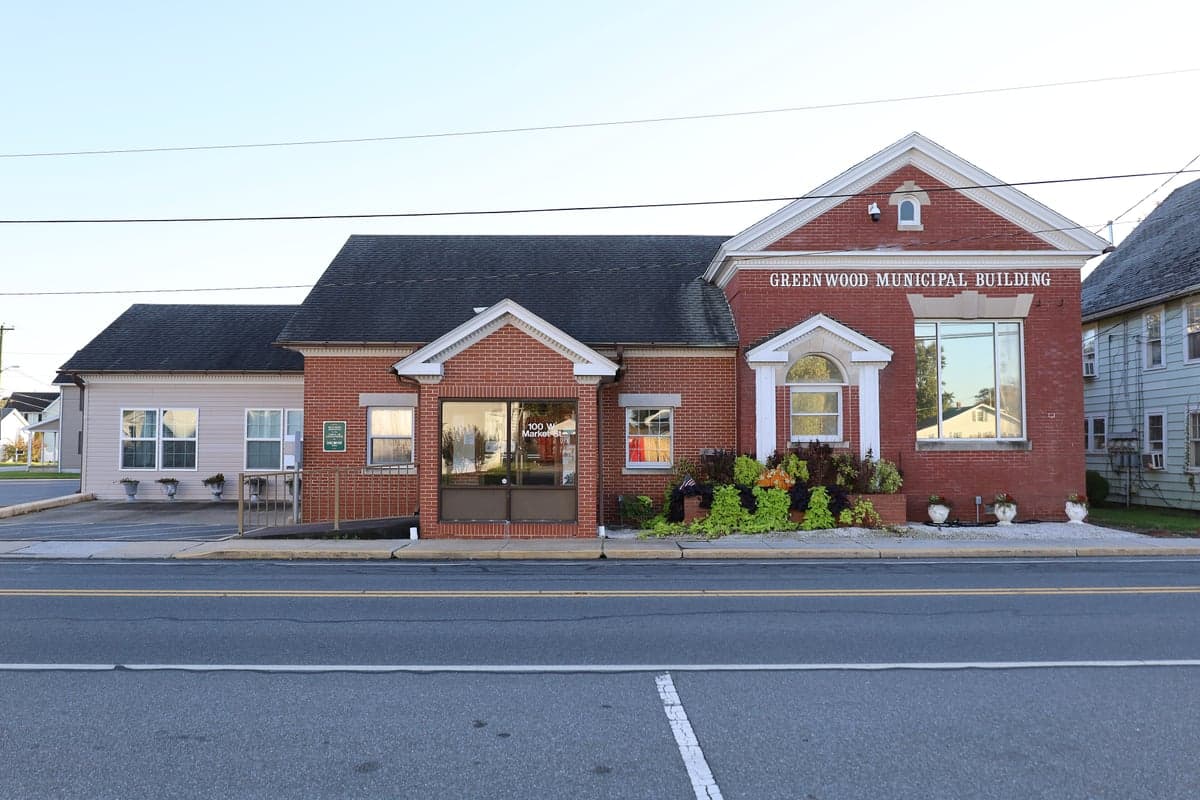
Photo: Wikipedia
Personal Sovereignty in Greenwood, DE
Viable for self-reliance. Generally workable, though some barriers may limit total independence.
What does Personal Sovereignty tell us?
Personal Sovereignty measures your capacity for self-reliance and independence with minimal government friction. Higher scores mean fewer barriers between you and the way you want to live... but it assumes you have the space you need and good neighbors.
What does this tell us?
Personal Sovereignty measures your capacity for self-reliance and independence with minimal government friction. Higher scores mean fewer barriers between you and the way you want to live... but it assumes you have the space you need and good neighbors.
State Policy
Energy independence: Importer (2% of energy produced in-state)
Personal Liberty
Homesteading

Personal Liberty Analysis
Greenwood, Delaware, offers a notably high degree of personal sovereignty compared to much of the Mid-Atlantic and Northeast corridor, making it a serious consideration for those prioritizing autonomy over convenience. The town’s environment is shaped by a state-level legal framework that, while not libertarian paradise, leaves significant room for individual decision-making in areas of self-defense, property use, and family life. For a prepper or survivalist mindset, the key question isn’t whether government overreach exists—it does—but whether the local and state posture allows you to build a buffer against it. Greenwood’s answer leans positive, especially when weighed against the regulatory density of nearby states like Maryland or New Jersey.
Tax burden and regulatory posture: How Delaware’s policies affect your wallet and freedom
Delaware’s tax structure is a mixed bag for personal sovereignty. The state has no sales tax, which directly reduces the government’s ability to tax every transaction—a meaningful win for those who see consumption taxes as a hidden erosion of purchasing power. However, the state income tax ranges from 2.2% to 6.6%, and property taxes in Sussex County, where Greenwood sits, are among the lowest in the region, typically 0.55% of assessed value. This low property tax burden is a major advantage for homesteaders and those holding land for long-term self-sufficiency, as it reduces the risk of tax-forced sales. On the regulatory side, Delaware is not a free-for-all. The state has a relatively active Department of Natural Resources and Environmental Control (DNREC), which can impose permitting requirements on land use, especially near wetlands or for septic systems. But compared to the coastal zones or New Castle County, Sussex County’s rural character means fewer zoning overlays and less bureaucratic friction. For a prepper, the key takeaway is that Greenwood’s tax environment allows you to keep more of your resources, but you must still navigate state-level environmental rules if you plan to modify land significantly.
Self-defense and gun law specifics: What you can and cannot do in Greenwood
Delaware is a shall-issue state for concealed carry, meaning that if you meet the statutory requirements—including a background check, fingerprinting, and a training course—the state must issue a permit. This is a solid baseline for personal defense, but it’s not constitutional carry. Open carry is legal without a permit for anyone 18 or older who can legally possess a firearm, though local ordinances in some towns may restrict it. Greenwood itself is a small town with no specific gun control ordinances beyond state law, so carrying openly is generally permissible. However, the state-level landscape has shifted: in 2022, Delaware passed a ban on “assault weapons” and large-capacity magazines, along with a permit-to-purchase requirement for handguns. These laws are currently being challenged in court, but as of 2026, they remain on the books. For the survivalist, this means stockpiling standard-capacity magazines and certain rifle platforms before further restrictions is a prudent move. Stand-your-ground laws apply in Delaware, with no duty to retreat in any place you have a legal right to be. Castle doctrine is also strong, covering your home, vehicle, and workplace. The practical reality: Greenwood offers a reasonable legal environment for armed self-defense, but it’s under active political threat, and you should monitor legislative sessions closely.
Self-reliance and homesteading viability: Lot sizes, zoning, and off-grid feasibility
Greenwood’s rural zoning is where this town truly shines for the self-reliant. The town and surrounding Sussex County allow agricultural and residential uses on lots that can be as small as half an acre in some subdivisions, but many parcels outside town limits are zoned AR-1 (Agricultural Residential) with minimum lot sizes of one acre. Larger tracts of 5 to 20 acres are still available at prices far below those in the Northeast corridor, often under $10,000 per acre. Zoning permits chickens, goats, and even small livestock on most residential lots, though pigs and cattle typically require more acreage. Off-grid feasibility is high: Delaware has no state-level ban on rainwater collection, and well water is common. Solar panels are permitted without excessive red tape, though you must connect to the grid if you want net metering—completely off-grid systems are legal but may require a variance if you’re within town limits. Septic systems are required and must meet DNREC standards, which can be a hurdle for primitive setups. For a prepper, the sweet spot is buying 5+ acres just outside Greenwood’s town limits, where you can drill a well, install solar, raise food, and keep a low profile. The regulatory posture is permissive enough to allow genuine self-sufficiency, but you must budget for septic compliance and well permits.
Personal liberties: Parental rights, medical autonomy, speech, and property
Delaware’s track record on parental rights is mixed but generally favorable for those who want to opt out of public school mandates. The state allows homeschooling under a simple notification process, with no required curriculum approval or standardized testing for most families. This is a significant advantage for parents who want to control their children’s education without government interference. Medical autonomy is more constrained: Delaware has a vaccine mandate for school attendance, though medical and religious exemptions are available. The state also expanded Medicaid under the ACA, which some see as an overreach, but there are no state-level mandates forcing specific treatments on adults. Free speech protections are standard under the First Amendment, and Greenwood’s small-town character means less risk of local ordinances targeting political expression. Property rights are strong in Sussex County, with no county-level rent control or forced inclusionary zoning. However, the state’s coastal zone act can restrict development near waterways, so check parcel boundaries carefully. For the sovereignty-minded, the biggest red flag is Delaware’s reliance on state-level mandates that can change with each election cycle. The current environment allows significant personal freedom, but it’s not constitutionally locked in.
Overall, Greenwood, DE, ranks as a strong contender for personal sovereignty in the Mid-Atlantic, particularly for those willing to trade urban amenities for land and autonomy. The low property taxes, permissive homesteading rules, and reasonable self-defense laws create a foundation for self-reliance that is increasingly rare within a two-hour drive of major cities. The main vulnerabilities are the state-level gun restrictions and the potential for future regulatory creep, which means active civic engagement is necessary to preserve the current freedoms. Compared to areas like rural Pennsylvania or Virginia, Greenwood offers a slightly higher tax burden but better access to coastal resources and a more predictable legal environment. For a prepper or survivalist, it’s a viable base of operations—not a fortress, but a place where you can build one without constant government interference.

* Values derived from national, state, county, city and local statistics and may differ in a specific area. Last updated: 2026-04-29T23:15:31.000Z
Narrative content on this page is AI-generated and may contain mistakes. Verify any details that matter before acting on them.
ReloMaps may earn a commission from affiliate links at no extra cost to you.

