Photo: Wikipedia
Quality of Life in Grimes, IA
A high quality of life with strong walkability, manageable living costs, healthy neighborhood signals, and solid amenity access.
What does Quality of Life tell us?
Quality of Life blends cost of living, nearby amenities, socioeconomic signals, and neighborhood character. City-level scores represent the whole municipality; individual neighborhoods can differ.
What does this tell us?
Quality of Life blends cost of living, nearby amenities, socioeconomic signals, and neighborhood character. City-level scores represent the whole municipality; individual neighborhoods can differ.
Cost of Living
The Real Cost of Living in Grimes, IA for 2026
| Tier | Individual | Family (4) |
|---|---|---|
| Survival | $18k | $35k |
| Comfortable | $55k | $80k |
| Luxury | $128k+ | $199k+ |
| Elite (Top 5%) | $151k+ | $234k+ |
130%
The Area Signal
A metric tracking the socioeconomic signals of the area.
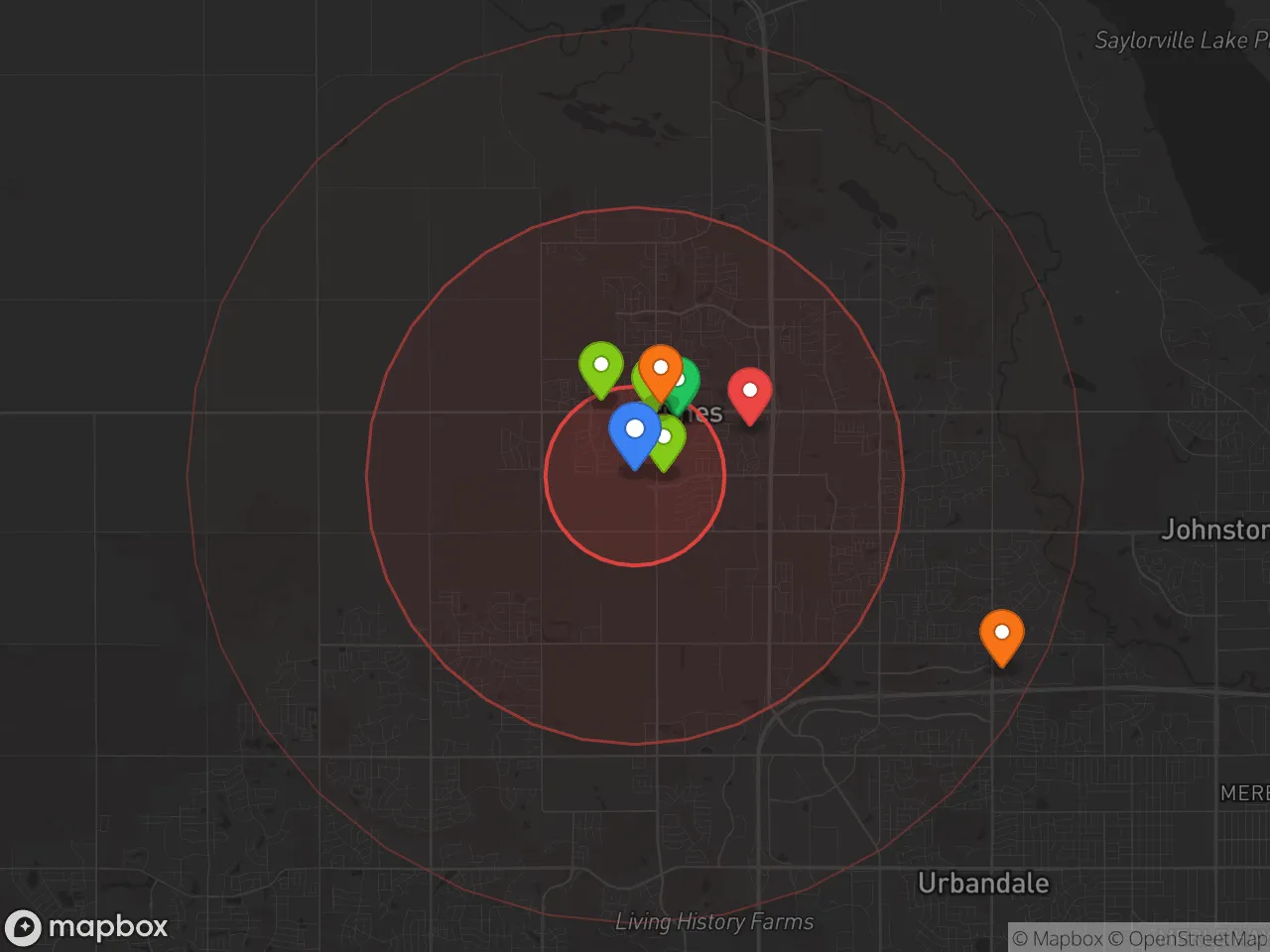
Hobbies
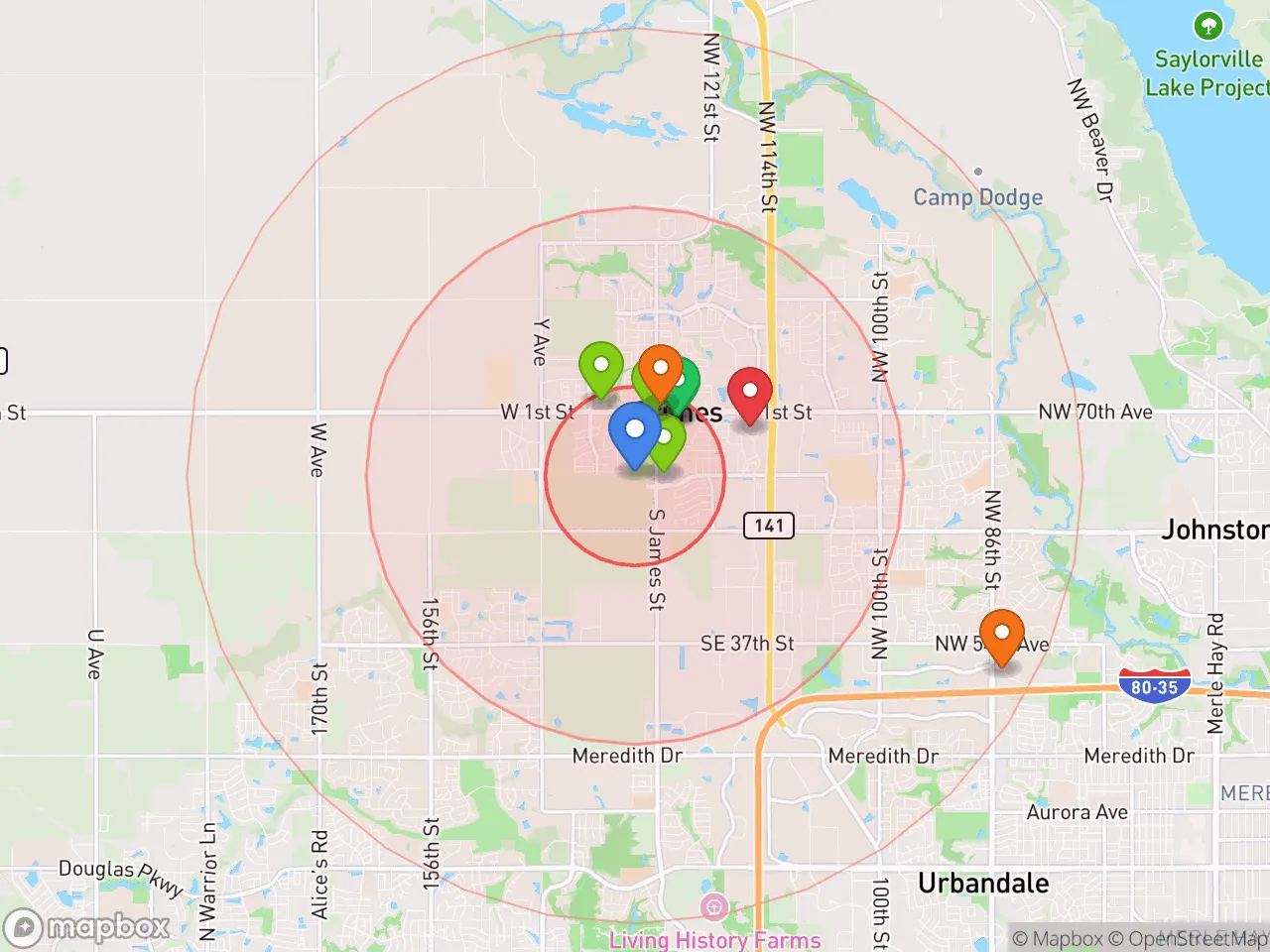
Explore the areaGroceries
4 within 10 miles
Gas
20 within 10 miles
Hospital
11 within 20 miles
Airport
MCI — Kansas City International
Post Office
USPS — Grimes, IA
Critical Amenities
Quality-of-Life Analysis
Grimes, Iowa, presents a quality-of-life profile that blends suburban comfort with small-town accessibility, attracting a demographic of young families, professionals, and long-term residents who prioritize space and community over urban intensity. With a cost of living index at exactly 100—matching the national average—Grimes offers a balanced economic environment where housing and daily expenses align closely with typical American benchmarks, making it a pragmatic choice for those seeking stability without the premium pricing of larger metros.
How housing costs and affordability compare to Des Moines and Ankeny
Grimes’ housing market sits at a notable midpoint between affordability and proximity to the Des Moines metro. The median home value of $281,000 is roughly 10% below the median in nearby Ankeny (around $310,000) and about 15% below West Des Moines, yet it remains higher than rural Polk County averages. Median rent of $1,156 is competitive—approximately $150 less per month than comparable rentals in Ankeny or Urbandale—making Grimes attractive for renters who want metro access without the top-tier price tag. The average commute of 19.4 minutes is notably shorter than the national average of 26 minutes, and significantly less than commutes from exurbs like Adel or Waukee, which often exceed 25 minutes. This efficiency is driven by Grimes’ location along Highway 141 and its proximity to Interstate 80, allowing residents to reach downtown Des Moines in under 20 minutes. Property taxes in Polk County average around 1.7% of assessed value, slightly above the state median, but the lower home prices partially offset this for buyers. For families or professionals comparing Grimes to Ankeny or Johnston, the trade-off is clear: slightly older housing stock and fewer new-build subdivisions in exchange for lower entry costs and a quieter daily rhythm.
What daily life is like for families: schools, parks, and local amenities
Daily life in Grimes centers on a tight-knit community feel supported by the Dallas Center-Grimes Community School District, which consistently ranks among Iowa’s top 20 districts for academic performance and extracurricular offerings. The district’s high school graduation rate exceeds 95%, and its elementary schools, like North Ridge Elementary, draw families seeking smaller class sizes. For recreation, the city maintains over 200 acres of parkland, including the popular Lions Park with its splash pad and sports fields, and the Grimes Sports Complex, which hosts youth soccer and baseball leagues. Local amenities are practical rather than luxurious: a mix of chain retailers (Hy-Vee, Fareway) and independent businesses along SE Gateway Drive, plus a growing dining scene with spots like Smokey D’s BBQ and Brewhemia coffee shop. The city lacks a major hospital—residents typically travel 10 minutes to MercyOne in Des Moines or Broadlawns Medical Center—but urgent care clinics are available within Grimes. The rhythm of life is notably car-dependent, with no direct public transit to downtown Des Moines, though the Des Moines Area Regional Transit (DART) offers limited weekday routes. Weekend farmers markets and seasonal events like the Grimes Proud Festival reinforce a neighborly atmosphere that contrasts with the anonymity of larger suburbs.
Grimes is best suited for those who value a low-key, family-oriented environment with solid schools and a manageable commute, rather than urban nightlife or high-end retail. Young professionals working in Des Moines’ insurance or finance sectors will find the 19-minute drive a daily advantage, while retirees on fixed incomes can leverage the median rent below $1,200. The city’s demographic skews younger—median age around 35—and its growth rate of roughly 3% annually suggests continued demand for housing and services. For anyone weighing Grimes against pricier suburbs like Ankeny or Waukee, the deciding factor is often the balance of cost and convenience: you sacrifice some new-construction options and premium shopping, but gain a shorter commute and a community where neighbors still know each other’s names.

Crime in Grimes, IA
Generally safer than 69% of comparable U.S. locations.
Violent CrimeViolent Crime Analysis
Property CrimeProperty Crime Analysis
Crime Analysis
Grimes, Iowa, presents a mixed safety profile for prospective residents. The city’s violent crime rate of 229.1 per 100,000 residents is notably lower than the national average, but its property crime rate of 1,163.4 per 100,000 exceeds both state and national benchmarks. As a fast-growing suburb of the Des Moines metro area, Grimes benefits from the economic opportunities of a large urban center, but residents should be aware that the area’s progressive judicial and prosecutorial policies can influence public safety outcomes.
Crime in context
Grimes’ violent crime rate of 229.1 per 100,000 is roughly 38% lower than the U.S. average of about 370 per 100,000, and it sits below the Iowa state average of approximately 280 per 100,000. However, the property crime rate of 1,163.4 per 100,000 is significantly higher than the national average of roughly 1,950 per 100,000 and the Iowa state average of about 1,500 per 100,000. This means that while serious violent offenses like homicide and aggravated assault are relatively rare, theft, burglary, and vehicle break-ins are more common than in many comparable Iowa communities. The city’s proximity to Des Moines and its rapid residential growth may contribute to these property crime pressures.
What residents experience
Residents of Grimes generally report feeling safe in their neighborhoods, but property crime remains a tangible concern. The most frequently reported incidents involve theft from vehicles, package theft, and occasional burglaries. The Dallas County Sheriff’s Office and Grimes Police Department maintain a visible presence, but the broader Des Moines metro area operates under a judicial system that many critics argue prioritizes offender rehabilitation over public safety. Progressive district attorneys and judges in Polk and surrounding counties have implemented policies such as cash bail reform, reduced sentencing for property crimes, and diversion programs for repeat offenders. While these measures aim to reduce incarceration rates, they can result in more criminals remaining on the street, increasing the likelihood of recidivism and negatively impacting victims and the general public. Residents should be aware that these policies can create a revolving-door effect for property crime offenders.
Neighborhood-level variation
Crime in Grimes is not evenly distributed. Newer subdivisions on the city’s west and north sides, such as those near the Grimes Sports Complex, tend to report lower incident rates due to newer construction, better lighting, and active homeowners’ associations. Older areas closer to the historic downtown corridor and along Highway 141 see slightly higher property crime numbers, particularly theft from vehicles. Neighborhoods near the border with Johnston and Urbandale may experience spillover crime from those larger suburbs. For the most current block-level data, prospective residents should consult the Grimes Police Department’s online crime mapping tool or speak directly with a real estate agent familiar with local safety trends.
* Values derived from national, state, county, city and local statistics and may differ in a specific area. Last updated: 2026-10-10T16:27:33.000Z
Narrative content on this page is AI-generated and may contain mistakes. Verify any details that matter before acting on them.
ReloMaps may earn a commission from affiliate links at no extra cost to you.

