
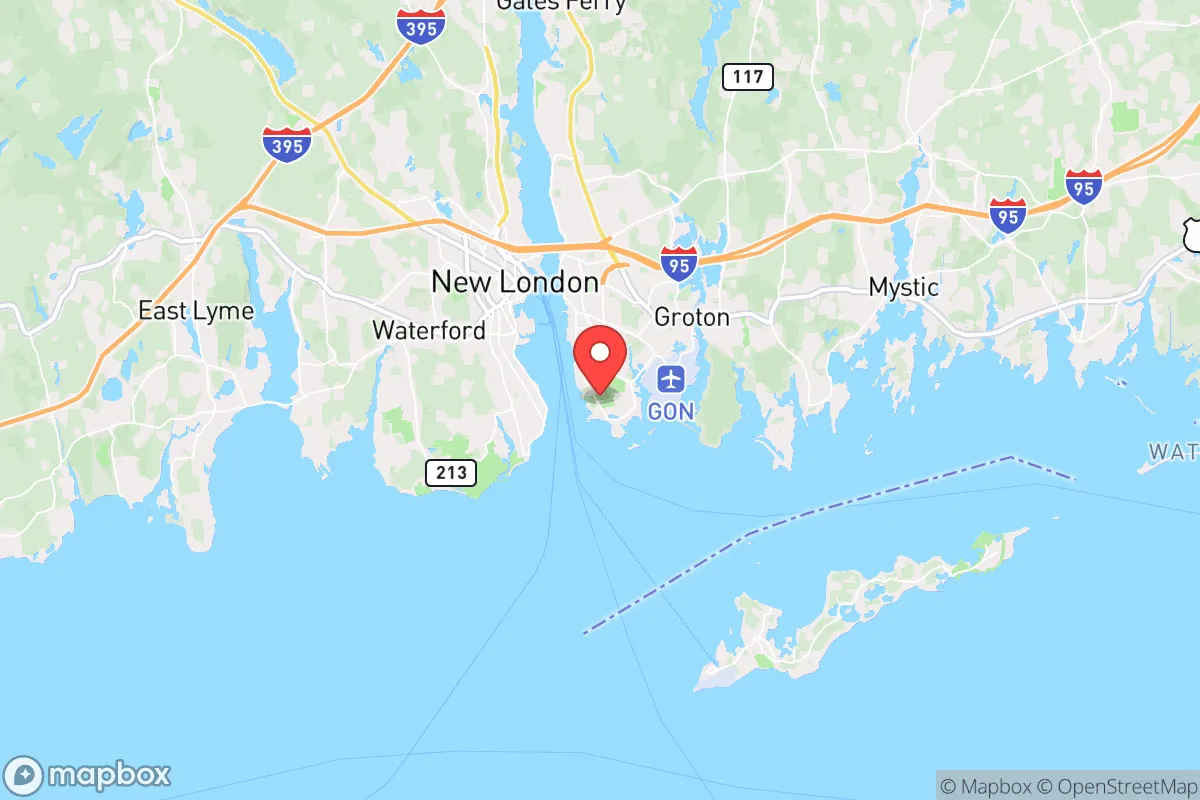
Photo: Wikipedia
Quality of Life in Groton, CT
A high quality of life with strong walkability, manageable living costs, healthy neighborhood signals, and solid amenity access.
What does Quality of Life tell us?
Quality of Life blends cost of living, nearby amenities, socioeconomic signals, and neighborhood character. City-level scores represent the whole municipality; individual neighborhoods can differ.
What does this tell us?
Quality of Life blends cost of living, nearby amenities, socioeconomic signals, and neighborhood character. City-level scores represent the whole municipality; individual neighborhoods can differ.
Cost of Living
The Real Cost of Living in Groton, CT for 2026
| Tier | Individual | Family (4) |
|---|---|---|
| Survival | $19k | $35k |
| Comfortable | $54k | $80k |
| Luxury | $113k+ | $175k+ |
| Elite (Top 5%) | $133k+ | $206k+ |
88%
The Area Signal
A metric tracking the socioeconomic signals of the area.
Hobbies
Explore the areaGroceries
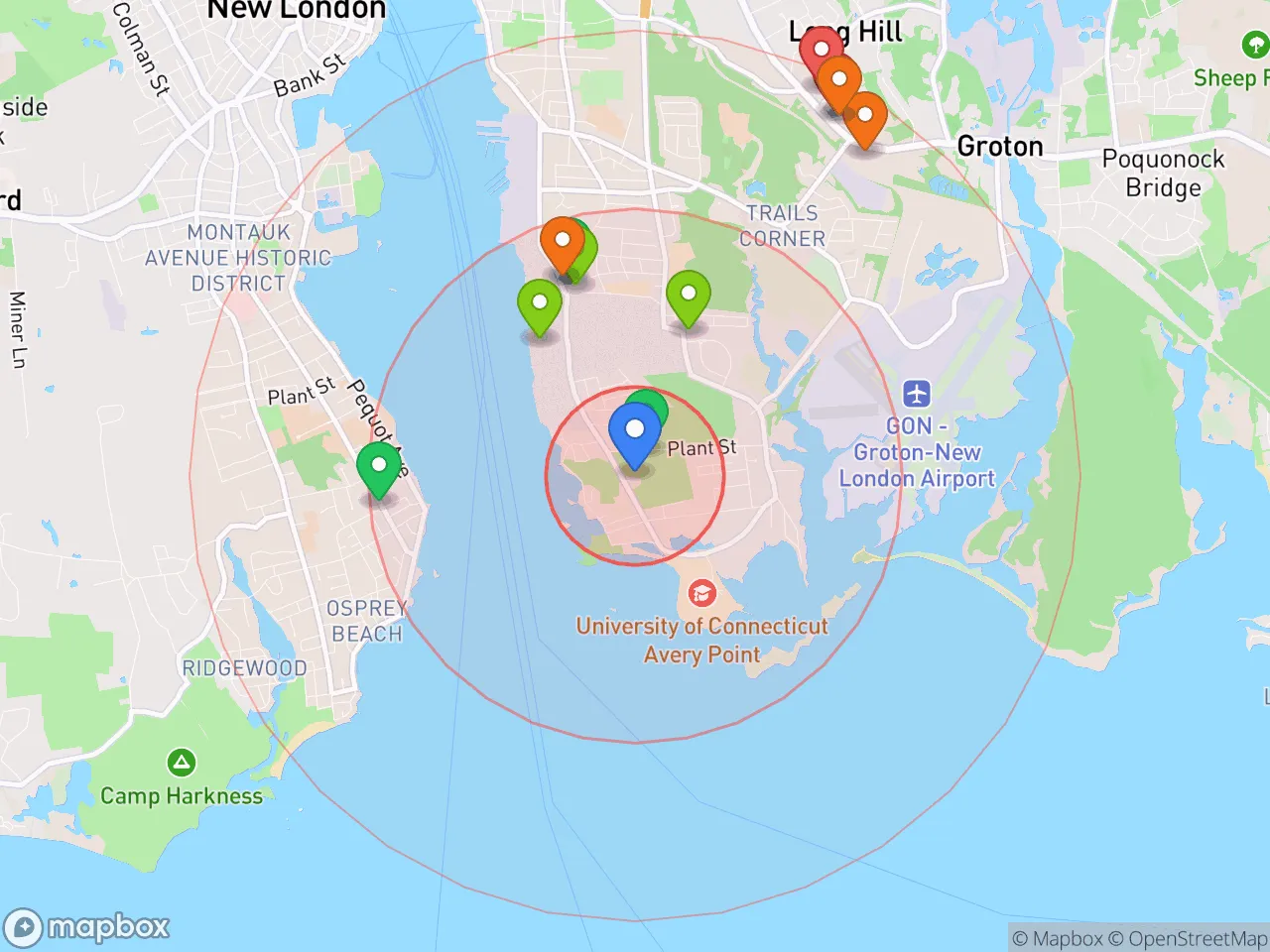
7 within 10 miles
Gas
20 within 10 miles
Hospital
8 within 20 miles
Airport
JFK — John F. Kennedy International
Post Office
USPS — Groton, CT
Critical Amenities
Quality-of-Life Analysis
Groton, Connecticut, presents a quality-of-life profile that blends modest affluence with a strong sense of community, attracting a mix of defense-industry professionals, maritime workers, and families seeking a quieter coastal lifestyle. The town's cost of living sits at the national average (index of 100), making it notably more affordable than much of coastal New England, while its median household income of roughly $80,000 supports a stable, middle-to-upper-middle-class demographic. Residents are predominantly long-term homeowners, with a significant portion employed by the region's largest employer, General Dynamics Electric Boat, or by the nearby Naval Submarine Base New London.
Cost of living, housing affordability, and how Groton compares to nearby towns
Groton's housing market offers a tangible affordability advantage over neighboring communities like Mystic, Stonington, and even New London. The median home value of $278,900 is roughly 25% lower than the median in Mystic and about 15% below the New London County average, making homeownership accessible for first-time buyers and defense-sector workers. Median rent sits at $1,179, which is significantly below the state median of roughly $1,400 and a fraction of the $2,000+ rents common in Fairfield County. While property taxes in Groton are moderate for Connecticut (around 2.2% of assessed value), the lower purchase price offsets the tax burden compared to pricier shoreline towns. The average commute of 17.7 minutes is notably short—well under the national average of 26 minutes—and reflects the concentration of jobs within the town itself, particularly at Electric Boat and the submarine base, reducing transportation costs and daily stress.
What daily life is like: amenities, schools, and local rhythm
Daily life in Groton revolves around a practical, family-oriented rhythm rather than a tourist-driven scene. The town is served by the Groton Public Schools system, which includes the well-regarded Robert E. Fitch Senior High School (rated above average on state assessments) and several elementary schools with strong parent-teacher associations. For shopping and errands, the Groton-New London area provides big-box retailers, grocery stores, and the Crystal Mall, while the nearby Mystic Aquarium and Mystic Seaport Museum offer cultural and recreational outlets within a 10-minute drive. Outdoor life centers on the town's several public beaches—such as Eastern Point Beach and Bluff Point State Park—which provide swimming, hiking, and picnicking without the crowds of more famous shoreline spots. The town's dining scene is modest but functional, with a concentration of casual seafood spots, pizzerias, and diners along the Thames River waterfront. Groton lacks a single walkable downtown core, but its compact geography means most errands and amenities are a short drive away.
Groton is best suited for those who prioritize job stability, short commutes, and a lower cost of living over vibrant nightlife or prestige school districts. Defense-industry employees, especially those at Electric Boat or the submarine base, will find the commute and housing costs particularly favorable. Families seeking a safe, middle-class environment with access to the shoreline—without the premium price tag of Mystic or Stonington—will also thrive here. Retirees and remote workers may find the town too quiet or car-dependent, but for those anchored to the region's maritime economy, Groton offers a practical, affordable, and community-focused quality of life that is increasingly rare along the Connecticut coast.

Crime in Groton, CT
Generally safer than 72% of comparable U.S. locations.
Violent CrimeViolent Crime Analysis
Property CrimeProperty Crime Analysis
Crime Analysis
Groton, Connecticut, reports a violent crime rate of 106 incidents per 100,000 residents and a property crime rate of 501.1 per 100,000, figures that place it well below national averages but warrant a closer look given its location within the broader New England metropolitan corridor. As a small city near the larger metro areas of New London and Providence, Groton benefits from a relatively low overall crime volume, yet residents should be aware that the surrounding region's progressive judicial policies—including lenient sentencing and district attorney offices focused on diversion over incarceration—can create spillover effects that undermine public safety. The presence of the Naval Submarine Base and a strong defense-industry workforce provides a stabilizing economic anchor, but the area is not immune to the broader challenges of property crime and occasional violent incidents.
Crime in context
Groton's violent crime rate of 106 per 100,000 is roughly 70% lower than the national average of approximately 380 per 100,000, while its property crime rate of 501.1 per 100,000 sits about 40% below the U.S. median of roughly 1,950 per 100,000. Compared to Connecticut's statewide violent crime rate of 170 per 100,000, Groton is notably safer, though property crime in the city aligns closely with the state average of 1,500 per 100,000. These statistics reflect a community where serious violent offenses like homicide and aggravated assault are rare, but thefts, burglaries, and motor vehicle thefts occur at a moderate frequency. However, the broader context of New London County's criminal justice system—where progressive prosecutors emphasize alternatives to incarceration and reduced bail requirements—means that repeat property offenders and those charged with low-level violent crimes often cycle back onto the streets quickly, increasing the risk of victimization for law-abiding residents.
What residents experience
Daily life in Groton is generally safe, with most crime concentrated in specific areas such as the downtown commercial corridor near Thames Street and the housing complexes around Bridge Street. Residents report that property crimes like package thefts and vehicle break-ins are the most common nuisances, particularly in neighborhoods near the Groton-New London ferry terminal and along Route 1. Violent crime is infrequent but not unheard of; incidents typically involve disputes among acquaintances rather than random attacks on strangers. The city's police department maintains a visible presence, but the effectiveness of enforcement is hampered by a state judicial environment where judges frequently impose suspended sentences or pretrial diversion for nonviolent offenders, reducing deterrence. For families and retirees, the safest areas are the suburban neighborhoods north of the submarine base, such as Noank and the Groton Long Point area, where crime rates are negligible. Conversely, renters and those living in multi-unit dwellings near the city center should take extra precautions—installing security cameras, using steering wheel locks, and avoiding leaving valuables in vehicles—to mitigate the elevated property crime risk.
Neighborhood-level variation in Groton is significant, with the eastern side of the city near the Thames River and the Poquonnock Bridge area experiencing higher rates of both property and violent crime compared to the western residential zones. The presence of the Naval Submarine Base creates a transient population of military personnel and defense contractors, which can contribute to periodic spikes in theft and disorderly conduct. While Groton remains a relatively safe small city by national standards, the combination of progressive criminal justice policies in the region and concentrated crime in certain pockets means that prospective residents should research specific streets and apartment complexes before committing to a move. Overall, the data supports a cautious but not alarmist view: Groton is safer than most of Connecticut, but the local justice system's leniency toward offenders demands that residents remain vigilant.
* Values derived from national, state, county, city and local statistics and may differ in a specific area. Last updated: 2026-04-29T23:21:28.000Z
Narrative content on this page is AI-generated and may contain mistakes. Verify any details that matter before acting on them.
ReloMaps may earn a commission from affiliate links at no extra cost to you.

