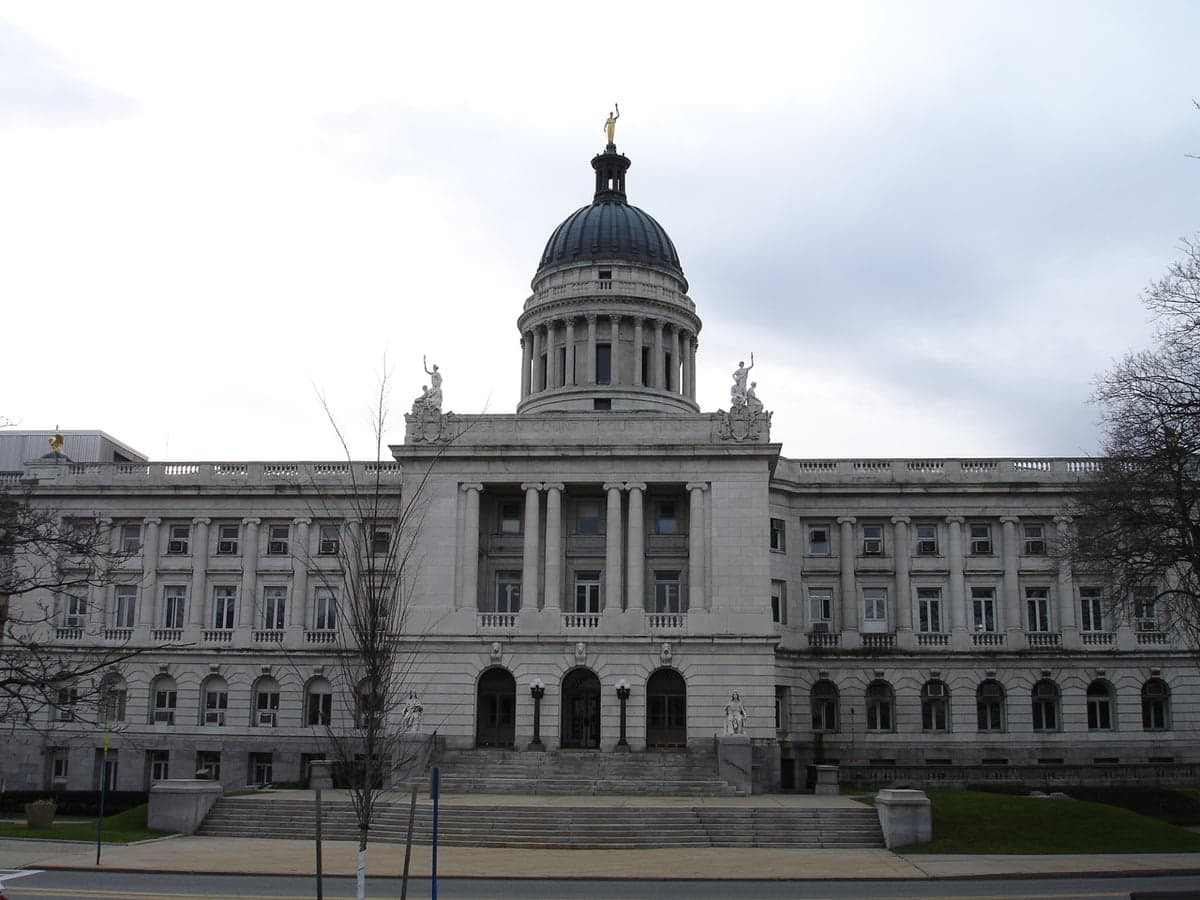
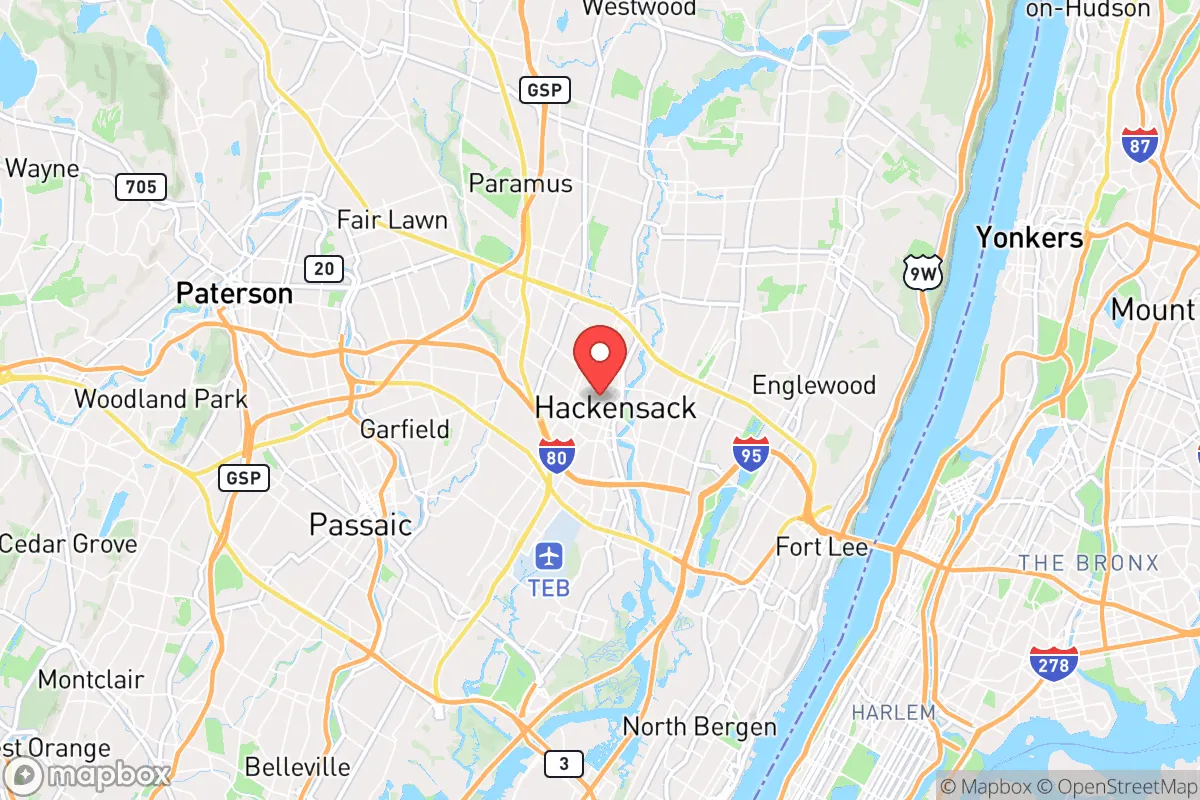
Photo: Wikipedia
Quality of Life in Hackensack, NJ
A high quality of life with strong walkability, manageable living costs, healthy neighborhood signals, and solid amenity access.
What does Quality of Life tell us?
Quality of Life blends cost of living, nearby amenities, socioeconomic signals, and neighborhood character. City-level scores represent the whole municipality; individual neighborhoods can differ.
What does this tell us?
Quality of Life blends cost of living, nearby amenities, socioeconomic signals, and neighborhood character. City-level scores represent the whole municipality; individual neighborhoods can differ.
Cost of Living
45% above national average
The Real Cost of Living in Hackensack, NJ for 2026
| Tier | Individual | Family (4) |
|---|---|---|
| Survival | $29k | $54k |
| Comfortable | $72k | $106k |
| Luxury | $143k+ | $222k+ |
| Elite (Top 5%) | $168k+ | $261k+ |
78%
The Area Signal
A metric tracking the socioeconomic signals of the area.
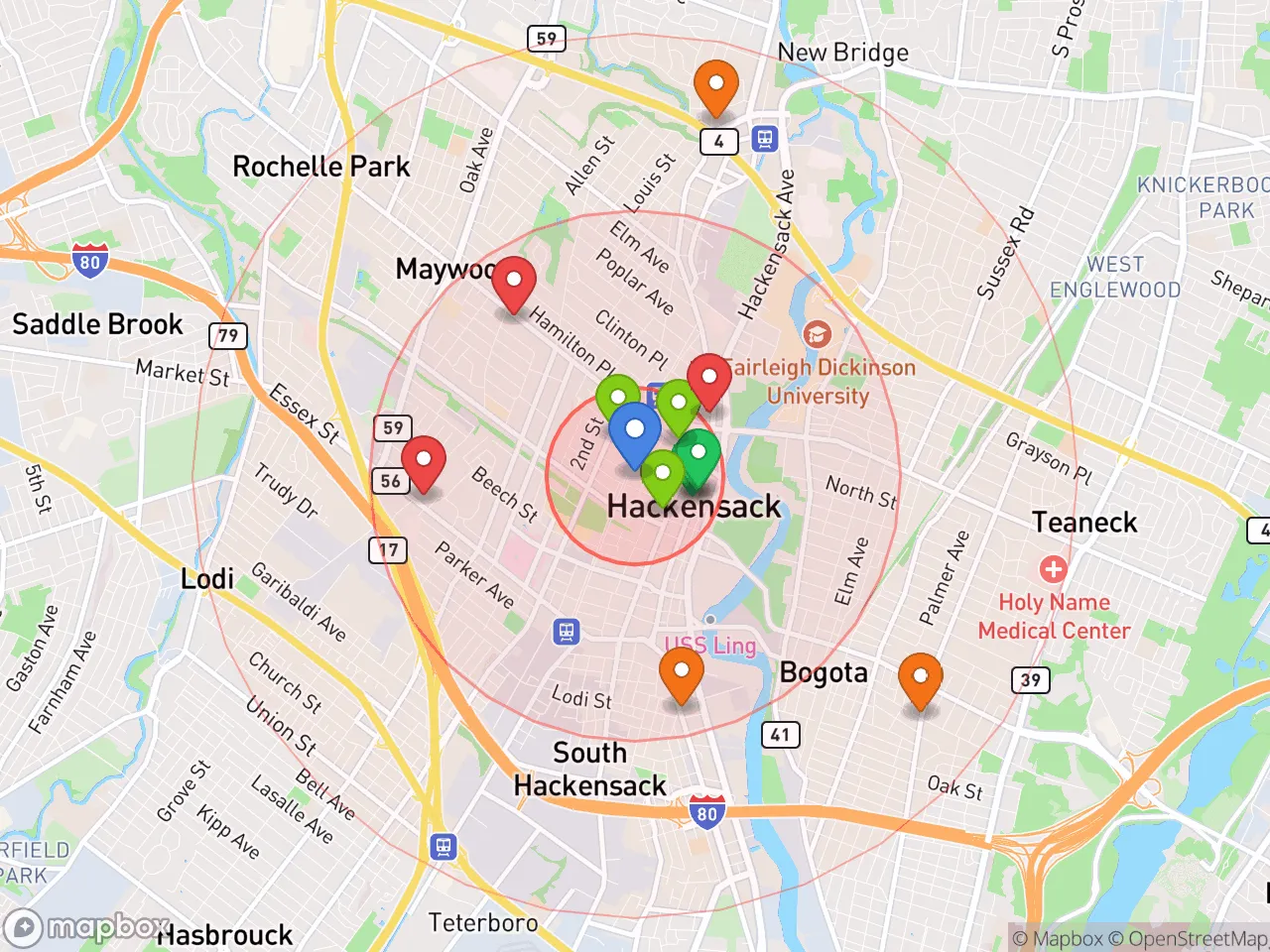
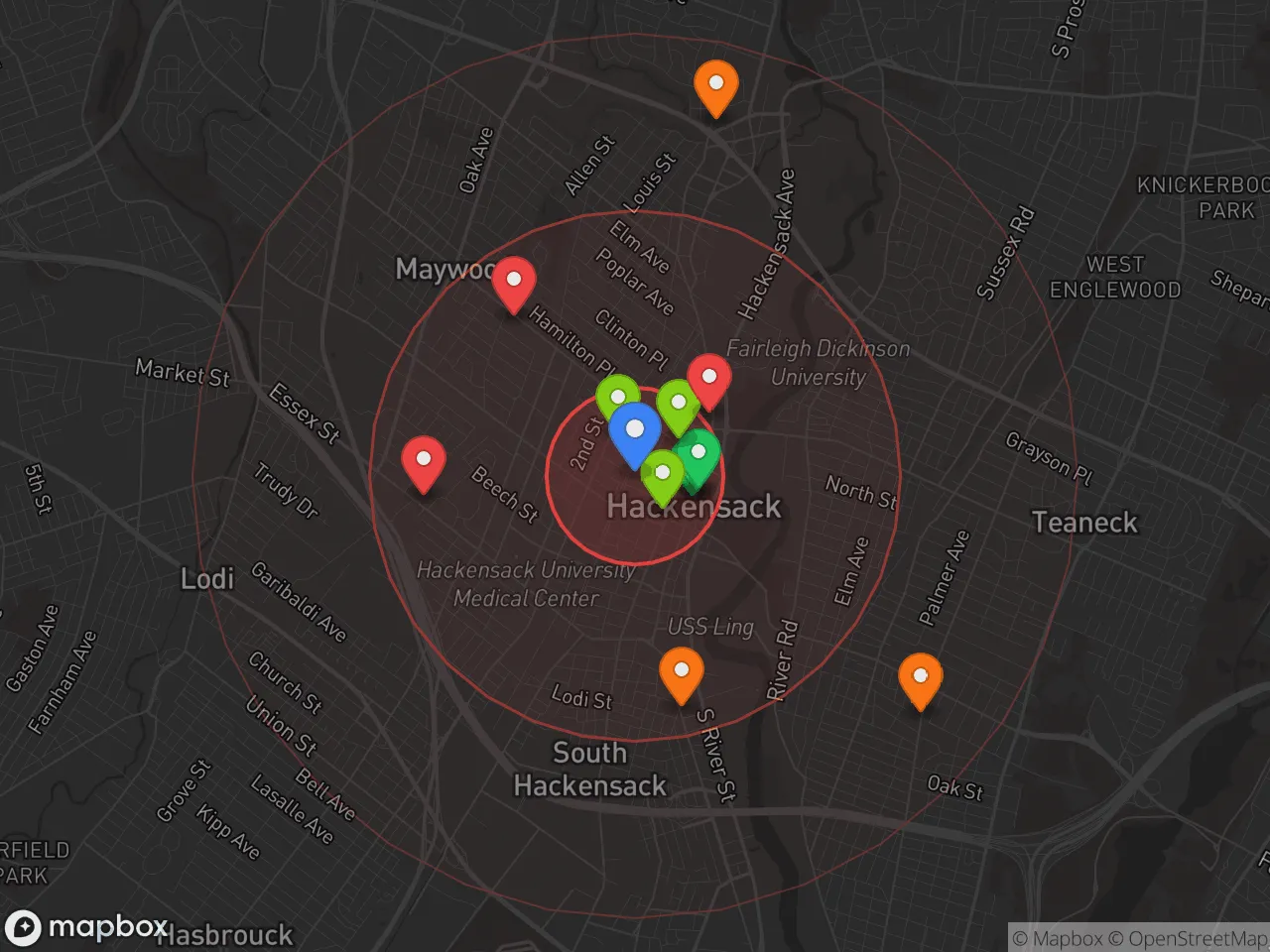
Hobbies
Explore the areaGroceries
8 within 10 miles
Gas
20 within 10 miles
Hospital
20 within 20 miles
Airport
EWR — Newark Liberty International
Post Office
USPS — Bogota, NJ
Critical Amenities
Quality-of-Life Analysis
Hackensack, New Jersey, presents a distinctive quality-of-life profile as a densely populated urban hub in Bergen County, where a cost of living index of 145 (45% above the U.S. average) reflects its position as a more affordable alternative to neighboring towns like Englewood or Teaneck, yet still significantly pricier than national norms. The city attracts a mix of young professionals commuting to New York City, established families seeking good schools, and long-term residents who value its walkable downtown and direct transit access. With a median home value of $370,300 and median rent of $1,794, Hackensack offers a middle ground between the sky-high prices of Manhattan and the more suburban, car-dependent communities further west in Bergen County.
How housing costs and affordability compare to nearby Bergen County towns
Hackensack’s housing market is notably more accessible than many of its immediate neighbors. The median home value of $370,300 is roughly 15–20% lower than in nearby Paramus or Ridgewood, where median values often exceed $500,000. Renters also benefit: the median rent of $1,794 is about $200–$400 less per month than in Hackensack’s more affluent suburbs like Fort Lee or Tenafly. However, the overall cost of living index of 145 is driven by higher-than-average property taxes (Bergen County has some of the highest in the U.S.) and everyday expenses like groceries and utilities. For context, a household earning the Bergen County median income of roughly $100,000 would find Hackensack’s housing costs manageable, while a single earner making $60,000 might need roommates or a longer commute to afford a one-bedroom apartment. The average commute time of 28.8 minutes—shorter than the New York metro average of 35 minutes—is a key trade-off, as many residents work in Hackensack’s own hospitals, courthouses, or corporate offices, reducing the need for daily Manhattan trips.
What daily life is like for families and professionals: schools, parks, and amenities
Daily life in Hackensack centers on its compact, walkable downtown along Main Street, which hosts a mix of independent restaurants, chain retailers, and the Bergen County Courthouse. The Hackensack Public Schools system serves about 7,000 students, with Hackensack High School offering a strong STEM program and partnerships with nearby Fairleigh Dickinson University. For recreation, the city maintains over 20 parks, including the 50-acre Foschini Park with sports fields and a dog park, and the Hackensack Riverfront Walkway for jogging and cycling. Healthcare access is robust, anchored by Hackensack University Medical Center, one of the largest hospitals in New Jersey and a major employer. The city’s transit infrastructure—NJ Transit buses and the Hackensack Bus Terminal—provides direct service to the Port Authority Bus Terminal in Manhattan in about 45 minutes, making it viable for commuters who prioritize a shorter door-to-door trip over a suburban yard. Grocery shopping is convenient with a ShopRite and several ethnic markets, though residents often drive to nearby Paramus for big-box retail.
Hackensack is best suited for people who value urban convenience, walkability, and direct transit access over suburban space and quiet. Young professionals and families who work in Bergen County or have short Manhattan commutes will find the 28.8-minute average commute appealing, while those seeking large backyards or top-tier school districts may prefer towns like River Edge or Oradell. The city’s diversity—over 40% of residents are foreign-born—creates a vibrant cultural scene with Latin American, Korean, and Italian influences in its restaurants and festivals. However, the high cost of living and property taxes mean that financial stability is a prerequisite for thriving here. For renters and buyers who can absorb the 45% cost premium over the national average, Hackensack offers a rare combination of urban amenities, solid schools, and relative affordability within the expensive New York metro area.

Crime in Hackensack, NJ
Generally safer than 67% of comparable U.S. locations.
Violent CrimeViolent Crime Analysis
Property CrimeProperty Crime Analysis
Crime Analysis
Hackensack, New Jersey, presents a mixed safety profile for potential residents. While the city's violent crime rate of 235.3 incidents per 100,000 residents is lower than the national average, its property crime rate of 1,892.9 per 100,000 is notably higher. However, the broader context of Bergen County and New Jersey's progressive criminal justice policies introduces significant concerns for public safety that potential movers should weigh carefully.
Crime in context
Hackensack's violent crime rate of 235.3 per 100,000 is roughly 37% lower than the national average of about 380 per 100,000, placing it in a safer tier than many comparably sized urban centers. Property crime, however, tells a different story. At 1,892.9 per 100,000, the rate is approximately 30% higher than the national average of roughly 1,450 per 100,000. This disparity is common in dense, transit-connected suburbs near New York City, where theft and vehicle-related crimes are elevated. Statewide, New Jersey's violent crime rate has trended downward since 2020, but property crime—particularly larceny and motor vehicle theft—has risen in several counties, including Bergen. The city's proximity to major highways and public transit makes it a target for transient property crime.
What residents experience
Residents report that violent crime is not a daily concern in most neighborhoods, but property crime—especially package theft, car break-ins, and bicycle theft—is a recurring nuisance. The presence of a progressive district attorney in Bergen County, who has emphasized alternatives to incarceration and reduced bail requirements, has drawn criticism from public safety advocates. Critics argue that these policies, while well-intentioned, have led to faster release of repeat property offenders and a perception that consequences for theft are minimal. This is particularly relevant in Hackensack, where the city's dense, walkable downtown and multiple transit hubs create opportunities for opportunistic crime. Residents often advise securing vehicles, using home security systems, and avoiding leaving valuables visible.
Neighborhood-level variation
Safety in Hackensack varies noticeably by area. The central downtown corridor and areas near the Hackensack Bus Terminal and NJ Transit station see higher rates of theft and occasional disorder. In contrast, the residential neighborhoods west of Main Street and near the Hackensack River tend to have lower crime incidence, with more active block associations and neighborhood watches. The area around Hackensack University Medical Center is generally considered safe due to constant foot traffic and lighting. Prospective renters and buyers should prioritize streets with strong community presence and avoid ground-floor units with easy alley access. Overall, while Hackensack is not a high-violence city, its property crime rate and the local justice system's leniency toward repeat offenders warrant caution and proactive safety measures.
* Values derived from national, state, county, city and local statistics and may differ in a specific area. Last updated: 2026-04-25T03:10:02.000Z
Narrative content on this page is AI-generated and may contain mistakes. Verify any details that matter before acting on them.
ReloMaps may earn a commission from affiliate links at no extra cost to you.

