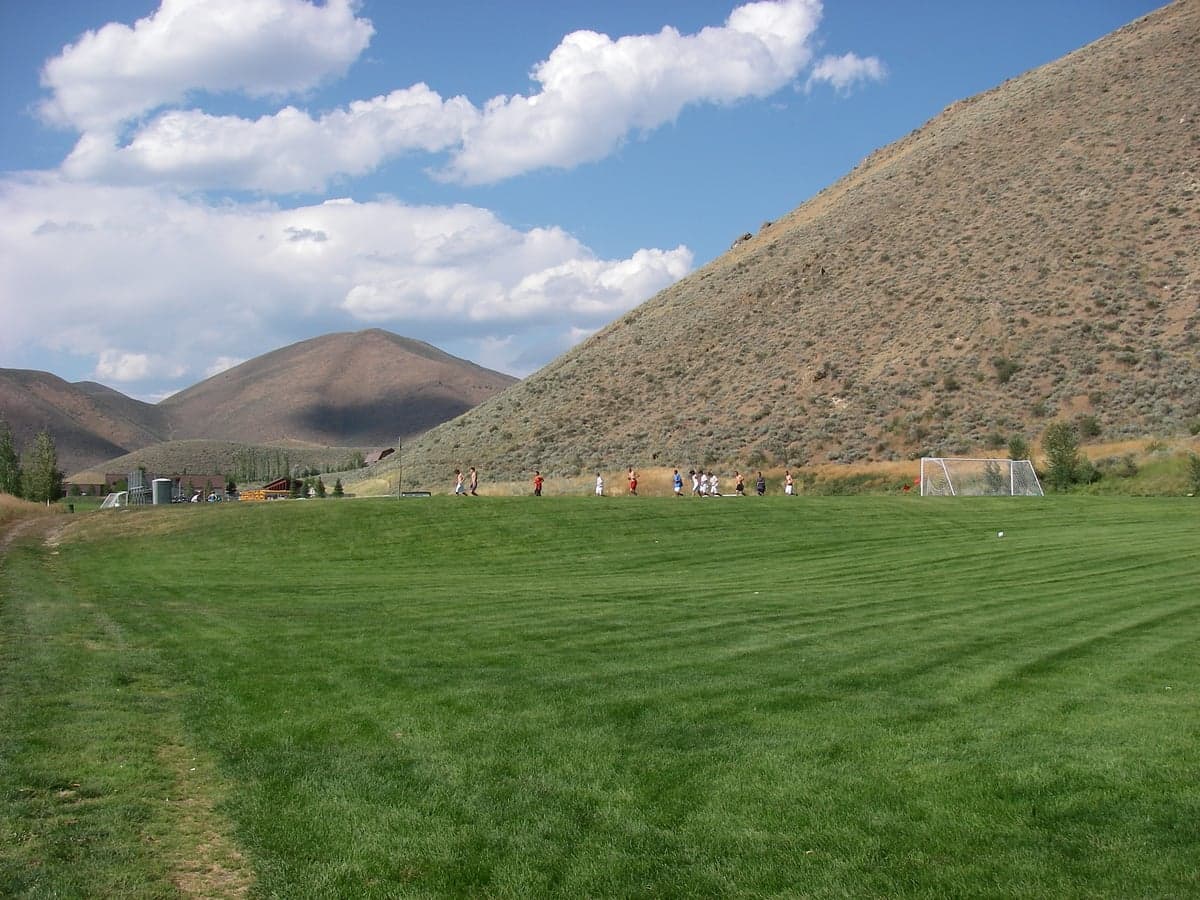
Photo: Wikipedia
Strategic Assessment of Hailey, ID
Workable tactical position. Some exposure to population density or targets, but generally defensible in a crisis.
What does the Strategic Assessment tell us?
Our Strategic Assessment grades tactical survivability of an area. Major population centers, military targets, fallout zones, natural disasters, and border exposure all drive risk — lower exposure means a more defensible position in a crisis.
This is heavily inspired by Joel Skousen's Strategic Relocation book. Highly recommended you checkout the book ($)What does this tell us?
Our Strategic Assessment grades tactical survivability of an area. Major population centers, military targets, fallout zones, natural disasters, and border exposure all drive risk — lower exposure means a more defensible position in a crisis.
This is heavily inspired by Joel Skousen's Strategic Relocation book. Highly recommended you checkout the book ($)Strategic Pillars

Key Distances
Regional Safe Places
Below is our recommended "safe zones" in Idaho and the surrounding area based on our strategic heuristics. For most people, it's unrealistic to live in a “safe zone” full-time due to work, family or other personal reasons. They tend to be more rural. However, many of these areas are perfect for second homes and retreat properties that double as a vacation home or even a short-term rental.
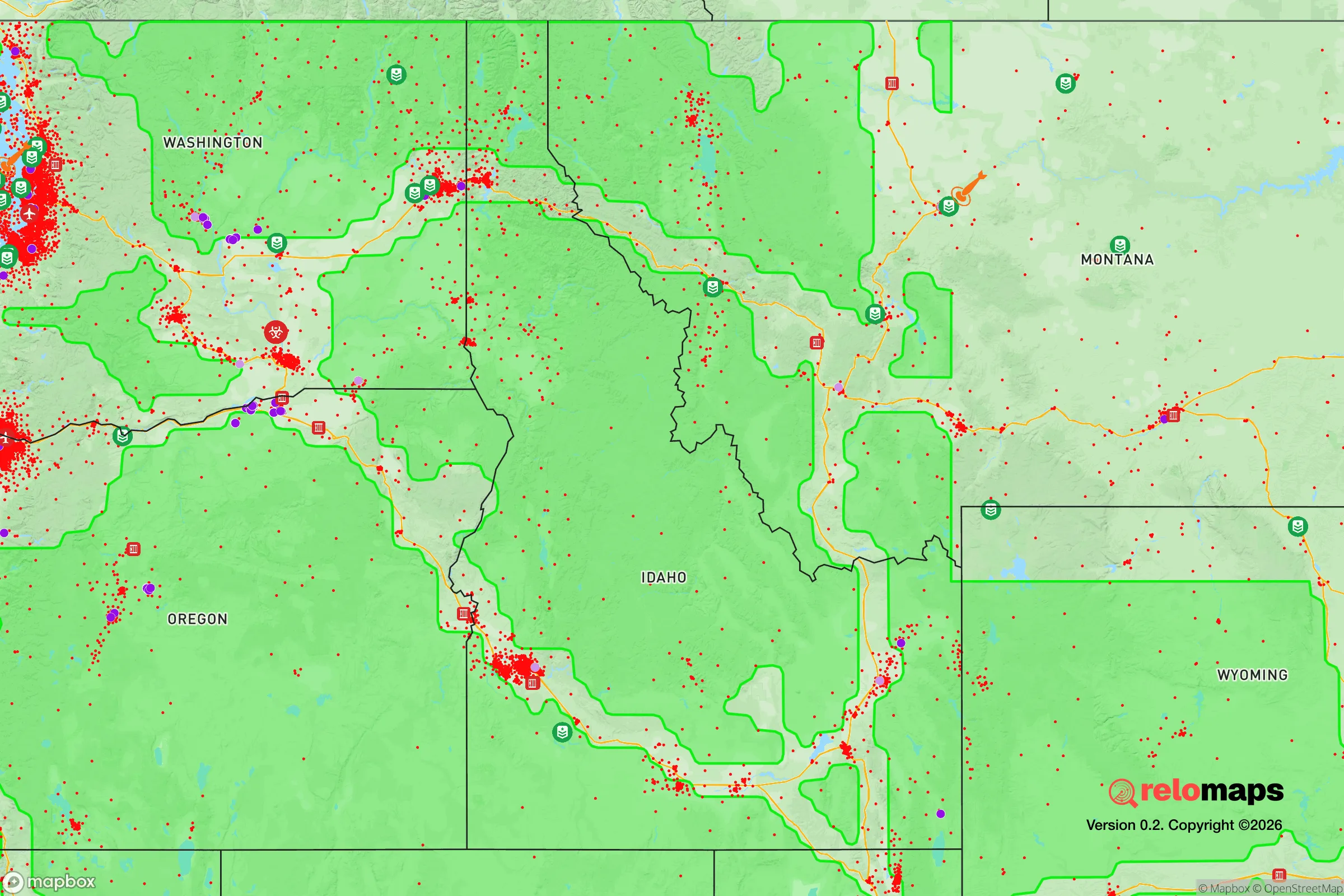
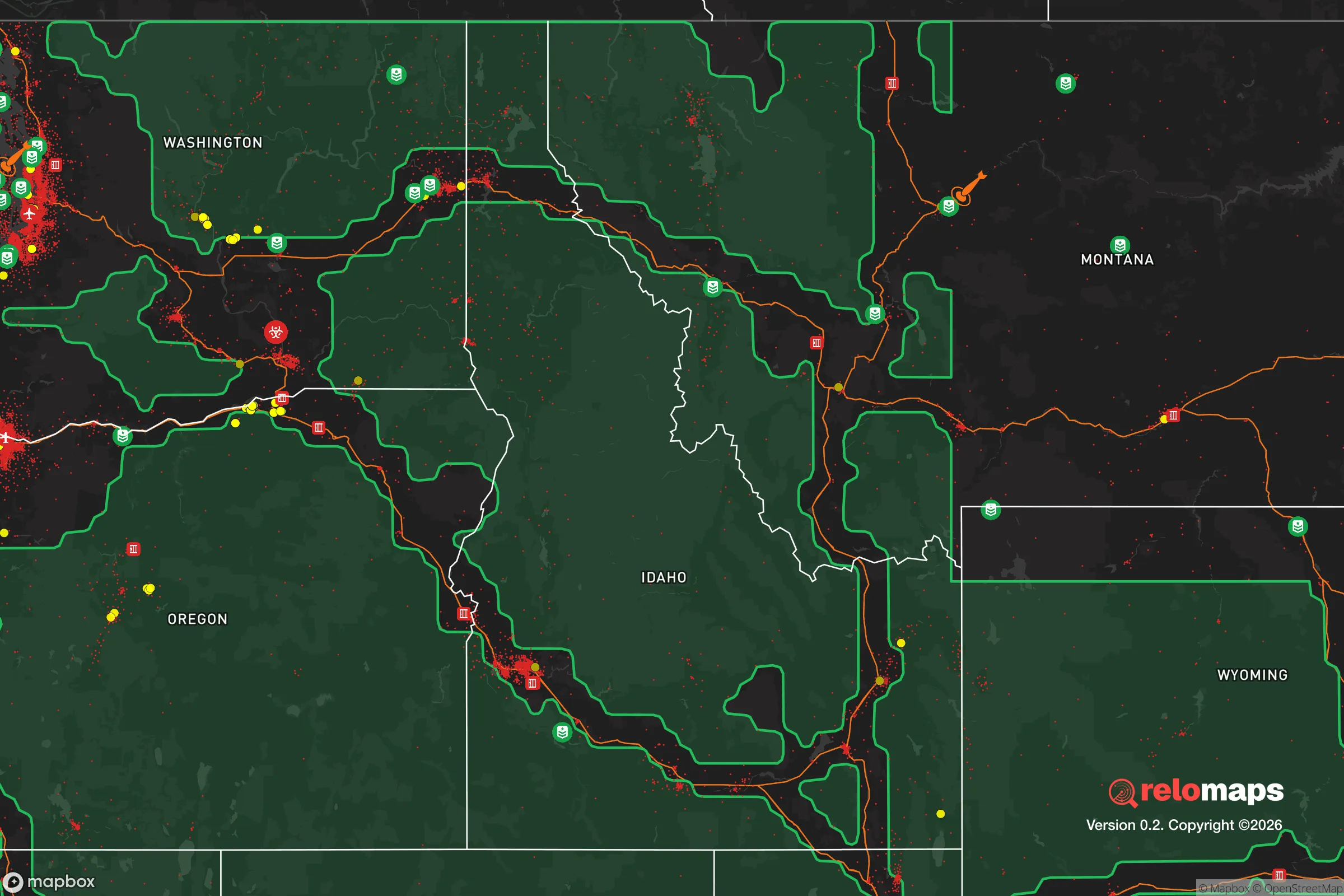


Important Note: For informational purposes only. This does not mean nothing bad ever happens in the green zones. Please use common sense. This is based on public data and modeled with AI. We tried to take a conservative approach but mistakes happen. We update this regularly as new information becomes available.
Solar Generator Recommendations
Backup power matters more here than in safer locations. We've picked three solar generators across budgets and capacity tiers — start with the budget unit if you only need a few essentials, or step up if you want to run a fridge and HVAC for days at a time.

Jackery Portable Power Station Explorer 300
Budget OptionPower on the Go: Weighing only 11 lbs, it's convenient to set up and store with book-sized foldable solar panels

BLUETTI Portable Power Station AC180
Designed for both indoor and outdoor scenarios, AC180 is highly capable as it has a robost capacity and continuous output power.

EF ECOFLOW DELTA Pro Ultra Power Station
Upgraded PickEcoFlow DELTA Pro Ultra is a whole-home energy system designed to grow with your family. Integrated with the Smart Home Panel 2, it scales to meet your evolving energy needs — keeping your home powered, intelligent, and secure through every stage of life.
We earn a commission, at no additional cost to you.
Strategic Assessment Analysis
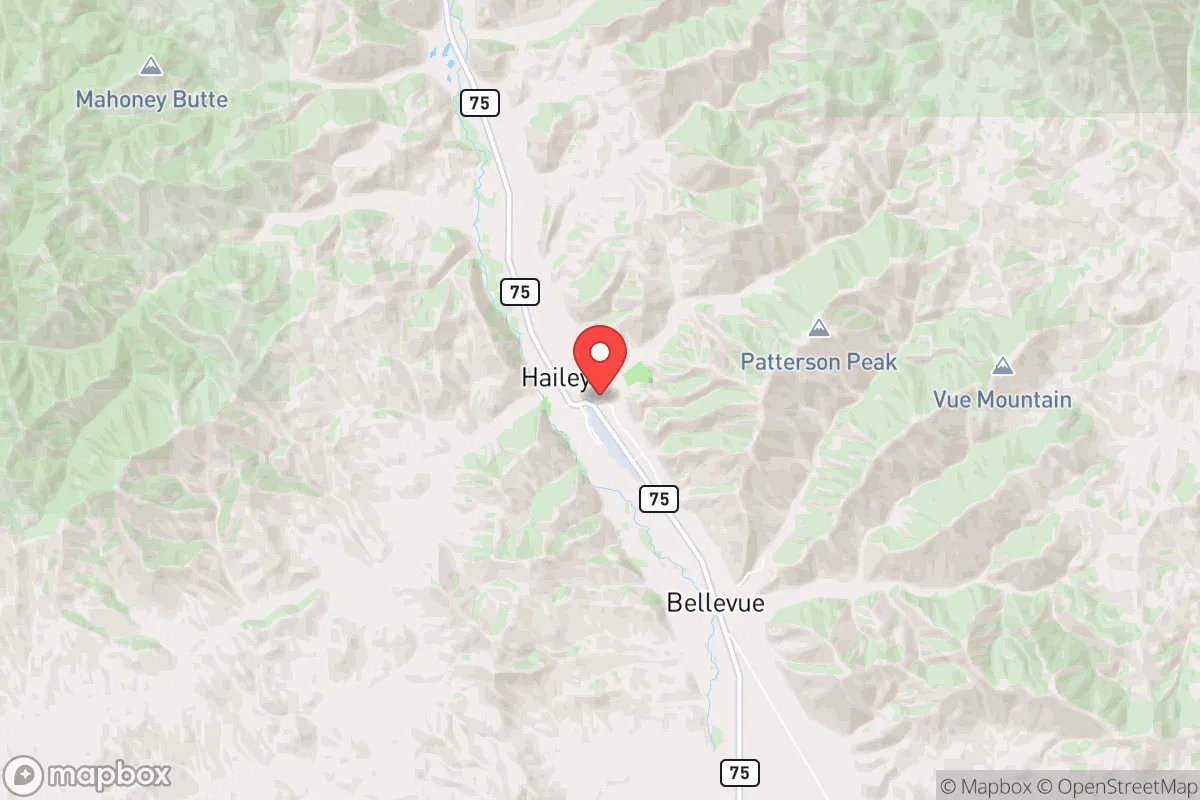
Hailey, Idaho, sits in the Wood River Valley as a strategic relocation target for those prioritizing resilience, self-sufficiency, and distance from the chaos of major population centers. Its position roughly 150 miles from Boise and 180 miles from the Salt Lake City metro area places it far enough from those urban cores to avoid their immediate fallout—both literal and figurative—while still being reachable for supply runs or medical care if needed. The valley’s natural geography, low population density, and conservative cultural fabric make it a serious contender for anyone looking to weather civic unrest, economic collapse, or mass casualty events without being in the crosshairs of a major target.
Geographic position and natural advantages for long-term survival
Hailey sits at roughly 5,300 feet elevation in a high desert valley flanked by the Boulder and Pioneer mountain ranges. This topography provides natural defensibility: the valley is a narrow corridor with limited entry points, primarily via State Highway 75 from the north (Ketchum/Sun Valley) or south (Bellevue and the Magic Valley region). In a grid-down scenario, these chokepoints can be monitored or controlled with minimal manpower. The surrounding national forest land—over 2.5 million acres of Sawtooth National Forest—offers vast buffer zones, hunting grounds, and escape routes for those who know the backcountry. The Big Wood River runs through town, providing a perennial water source that doesn’t rely on municipal infrastructure. Snowpack in the nearby mountains acts as a natural reservoir, and the area’s arid climate means fewer mold and rot issues for stored supplies compared to wetter regions. For a relocator, this is a place where you can dig in, cache gear, and move laterally into wilderness if things go sideways.
Risks, exposures, and proximity to fallout-relevant landmarks
No location is a fortress, and Hailey has its vulnerabilities. The most obvious risk is the proximity to the Sun Valley/Ketchum resort area, roughly 12 miles north, which draws high-profile visitors and could become a target for civil unrest or terrorism—think mass casualty events at crowded events or infrastructure sabotage. However, Hailey itself is a working-class town of about 8,000 people, not a luxury destination, so it’s less likely to be on a hit list. The real concern is the Mountain Home Air Force Base, about 90 miles southwest. In a major conflict, that base is a legitimate military target, and while Hailey is outside the immediate blast zone, fallout patterns from a conventional or nuclear strike could drift east-northeast depending on wind. The 2024 election results show Blaine County (which includes Hailey) voted +18 Democrat, but the surrounding counties—Camas, Lincoln, and Blaine’s rural precincts—lean heavily conservative. That political split means you’ll have neighbors with different worldviews, but the overall culture in the valley is still rooted in ranching, hunting, and outdoor independence. The bigger risk is economic: the area’s reliance on tourism and second-home owners means a prolonged crisis could gut the local economy, leaving empty houses and strained services. For a prepper, that’s actually an opportunity—more abandoned properties to secure, less competition for resources.
Practical resilience for a relocator: food, water, energy, and defensibility
Water is the first pillar of any survival plan, and Hailey delivers. The Big Wood River is fed by snowmelt and runs year-round, though it drops significantly in late summer. A good well is the gold standard here—most properties outside the city limits have them, and the aquifer is generally reliable at depths of 100-300 feet. If you’re buying, prioritize a property with a tested well and a backup hand pump. For food, the growing season is short (roughly 90-100 frost-free days) but productive for cold-hardy crops like potatoes, carrots, kale, and grains. The Wood River Valley has a strong local food movement, with farmers’ markets and CSAs, but don’t count on that in a crisis—you’ll need to store at least a year’s worth of staples. The area’s hunting is excellent: mule deer, elk, and upland birds are abundant, and fishing in the Big Wood and nearby lakes is solid. For energy, solar is viable despite the winter cloud cover—Hailey averages 200 sunny days per year, and with a battery bank and a backup generator (propane or diesel), you can maintain a low-profile off-grid setup. The local utility, Idaho Power, has a mixed grid but is less prone to rolling blackouts than California or Texas. Defensibility is where Hailey shines: the valley’s layout means you can see threats coming from miles away, and the surrounding mountains provide natural cover. The downside is that the single highway in and out (SH-75) is a vulnerability—if it’s blocked by a landslide, accident, or hostile group, you’re trapped. Smart relocators will have a secondary route via forest service roads, like the one over Trail Creek Summit to the east, which connects to the Lost River Valley. Stock a vehicle with recovery gear and a chainsaw, because those roads are rough and seasonal.
The overall strategic picture for Hailey is one of calculated trade-offs. It’s not a remote bunker in the Alaskan wilderness—you’re still within a day’s drive of two major metro areas, which means you’ll see spillover from urban collapse. But that same proximity gives you access to medical facilities (St. Luke’s Wood River Medical Center in Ketchum is a Level IV trauma center), supply chains, and a community that, while politically mixed, shares a practical frontier mindset. For a conservative-leaning relocator who values self-reliance, low crime (Blaine County’s violent crime rate is roughly half the national average), and a climate that doesn’t require fighting hurricanes or wildfires every summer, Hailey is a strong bet. The key is to arrive prepared—don’t expect the local infrastructure to save you. Build your network, dig your well, stock your pantry, and treat the valley as a base of operations, not a final destination. In a world where the lights could go out tomorrow, Hailey gives you a fighting chance to keep them on.

* Values derived from national, state, county, city and local statistics and may differ in a specific area. Last updated: 2026-05-01T04:21:54.000Z
Narrative content on this page is AI-generated and may contain mistakes. Verify any details that matter before acting on them.
ReloMaps may earn a commission from affiliate links at no extra cost to you.

