Photo: Wikipedia
Find The Best Places To Live
in Mountain Home
PRO TIP! You can paste a Zillow or Redfin link to get info on that property.
What It's Like Living in Mountain Home, ID
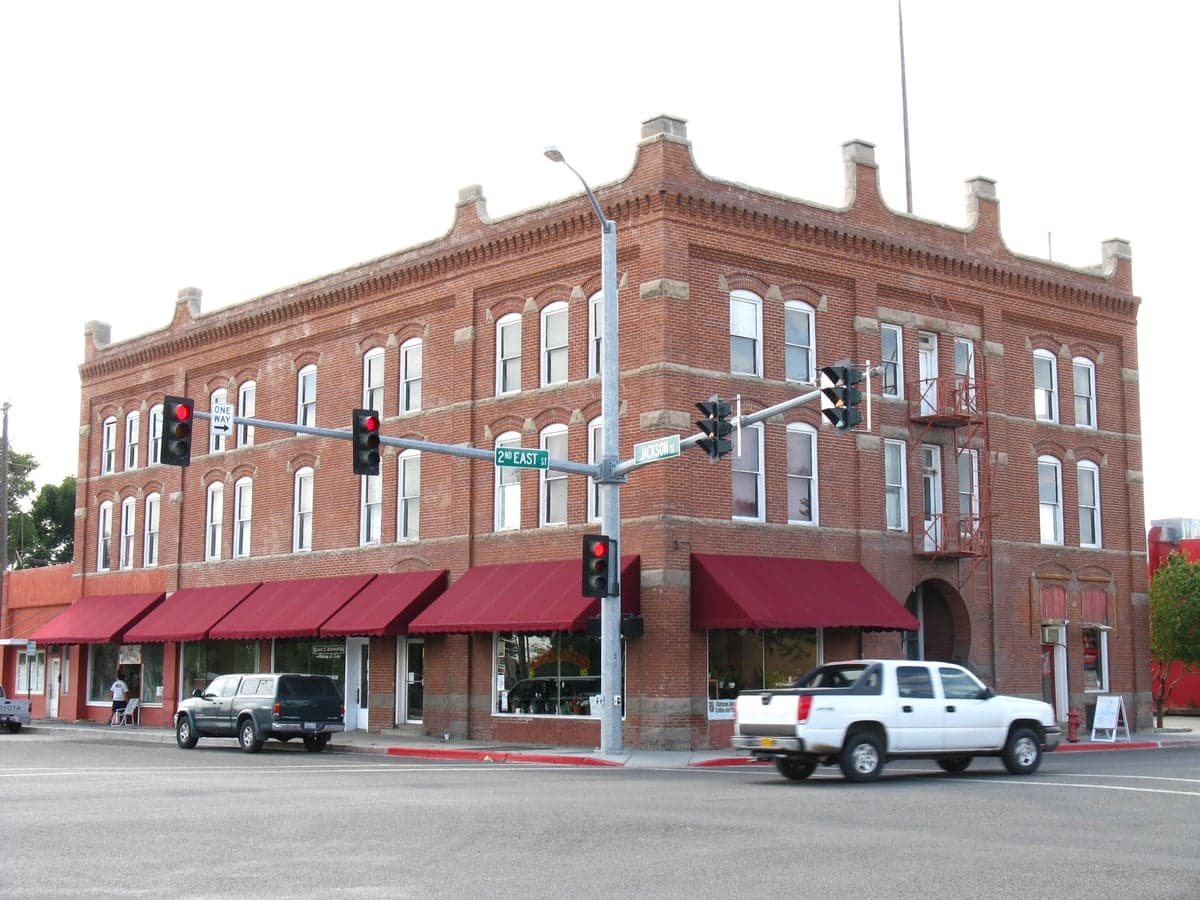
Mountain Home feels like a place where people come to get things done, not to be seen. It’s a working-class town of about 16,000 people, anchored by the nearby Mountain Home Air Force Base, and its identity is practical, no-nonsense, and deeply tied to the high desert landscape around it. If you’re looking for a quiet, affordable spot in southern Idaho where you can actually own a home and still be within striking distance of Boise, this is the kind of place that grows on you.
Daily Rhythm and Who Fits In
Most days here start early. The median age is just 31.4, and that skews young because of the military presence and the kind of families who move here for affordable land. You’ll see folks grabbing coffee at Java Express or breakfast at Bella’s Restaurant before heading to work at the base, the school district, or one of the larger employers like Simplot or Baxter Healthcare. The average commute is about 22 minutes, which feels generous for a town this size—you can get from one end to the other in ten minutes, but that number includes people driving out to the base or to job sites further out in Elmore County.
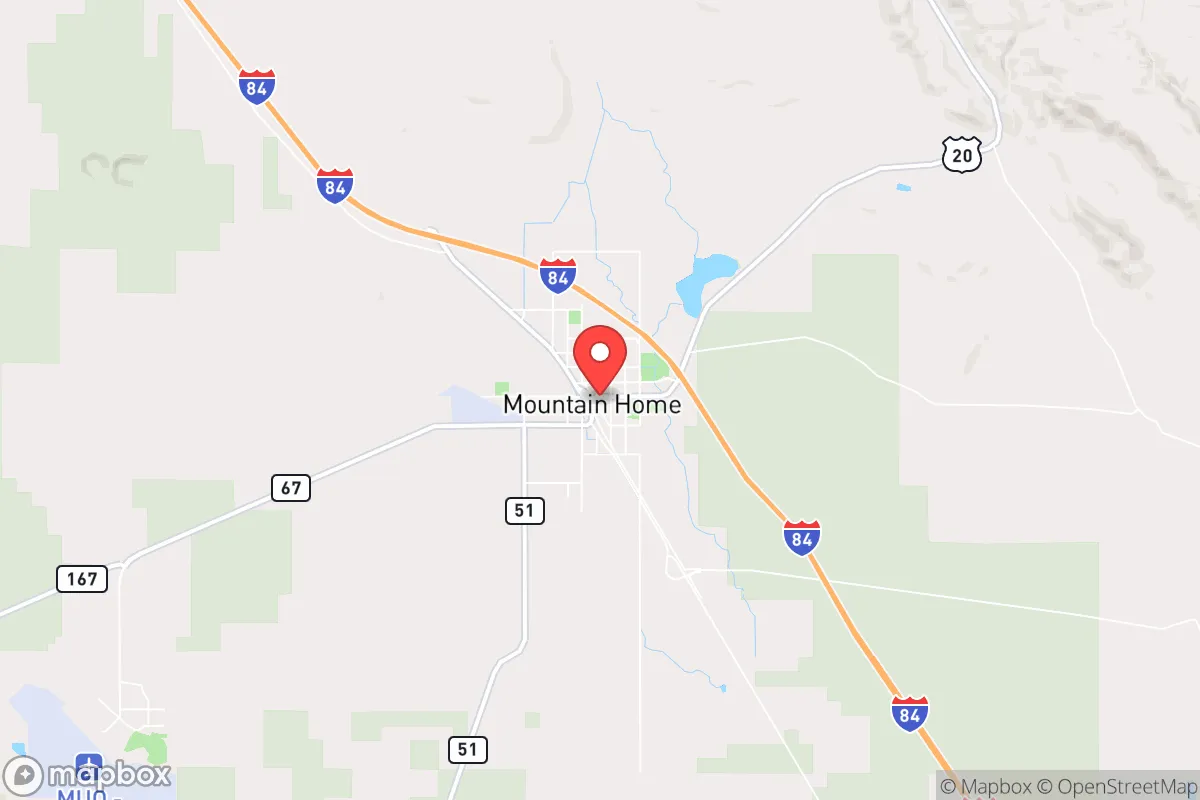
The kind of person who fits in here is someone who values space and quiet over nightlife and convenience. You’re not moving to Mountain Home for the restaurant scene or the shopping; you’re moving here because a median home value of $270,700 gets you a three-bedroom house with a yard, and the cost of living index sits at 93—noticeably cheaper than the national average. The median household income is $58,486, which means most people aren’t wealthy, but they’re comfortable. It’s a place for mechanics, nurses, small business owners, and airmen. If you’re a single professional looking for a dating scene or a vibrant downtown, you’ll find yourself driving to Boise (about 45 minutes west) on weekends.
Sports, Community, and What People Actually Do
High school sports are a genuine center of gravity here. Mountain Home High School football and basketball games on Friday nights draw real crowds—not just parents, but locals who don’t have kids in the district. The Tigers are the team, and the rivalry with Bishop Kelly or Kuna can fill the bleachers. There’s no pro or college team in town, so the community pours its energy into the local kids and the occasional rodeo or motocross event at the Elmore County Fairgrounds.
Outdoor life is the main entertainment. The Bruneau Dunes State Park is about 30 minutes south—it has the tallest single-structure sand dune in North America, and people go there to hike, sandboard, or just watch the stars. The Snake River is close enough for fishing and jet-boating, and the Owyhee Mountains offer hiking and hunting that feels genuinely remote. Within town, Mountain Home City Park is the hub for summer concerts and the Elmore County Fair in August, which is a big deal—livestock shows, carnival rides, and a demolition derby that packs the grandstands. For nightlife, options are limited: Bottoms Up Bar & Grill and The Office Lounge are the main spots, and they’re more about pool tables and beer than any kind of scene.
Pros and Cons of Living Here
The honest upsides are straightforward. Housing is genuinely affordable—you can buy a home here for half what you’d pay in Boise, and property taxes are low. The violent crime rate is 186.8 per 100,000, which is below the national average, and most people feel safe leaving their doors unlocked during the day. The schools, while not top-tier academically, are deeply woven into the community fabric; the high school is the social center for teenagers and a major employer for adults. The weather is classic high desert—hot, dry summers in the 90s, cold winters with occasional snow that melts fast, and over 200 sunny days a year. That sunshine is a real quality-of-life factor for people who hate gray skies.
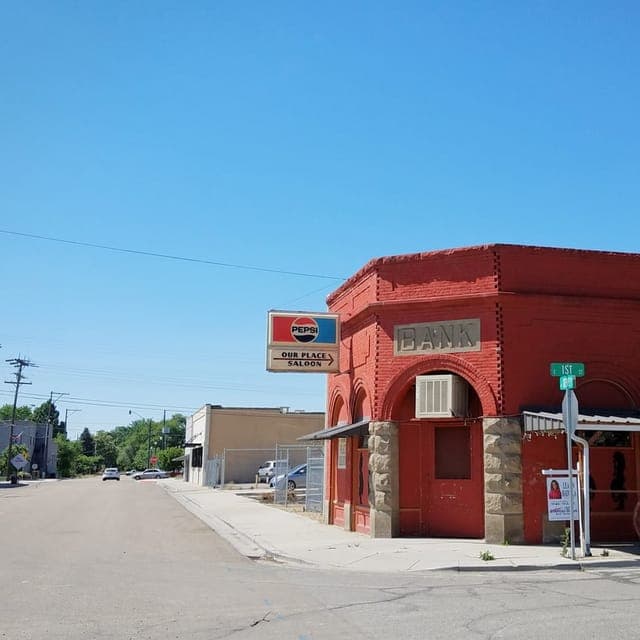
The downsides are real, too. Only 18.9% of adults have a college degree, which reflects a limited professional job market—if you’re not working for the base, the school district, or in healthcare, you’re likely commuting or working a trade. The downtown area has struggled for years; there are empty storefronts along Main Street, and the retail options are mostly big-box chains like Walmart and Lowe’s. Dining out gets old fast—there’s good Mexican food at Los Amigos and solid American fare at Mountain View Steakhouse, but you’ll drive to Boise for anything beyond that. And the isolation is real: the nearest airport with regular commercial flights is in Boise, and the nearest Costco or Trader Joe’s is a 45-minute drive. For some, that’s a dealbreaker. For others, it’s the price of peace and quiet.
One cultural quirk worth noting: the base brings a transient population, so there’s a constant churn of new faces and a certain impermanence to social circles. Longtime locals sometimes joke that you can tell who’s military by how quickly they make friends and how fast they leave. But that also means the town is more welcoming to newcomers than many small Idaho towns—people are used to saying hello to strangers. If you’re the kind of person who values a low-key, affordable life with easy access to the outdoors and doesn’t mind driving for a good meal or a concert, Mountain Home might surprise you.

Similar towns to Mountain Home
* Values derived from national, state, county, city and local statistics and may differ in a specific area. Last updated: 2026-04-19T06:36:43.000Z
Narrative content on this page is AI-generated and may contain mistakes. Verify any details that matter before acting on them.
ReloMaps may earn a commission from affiliate links at no extra cost to you.

