
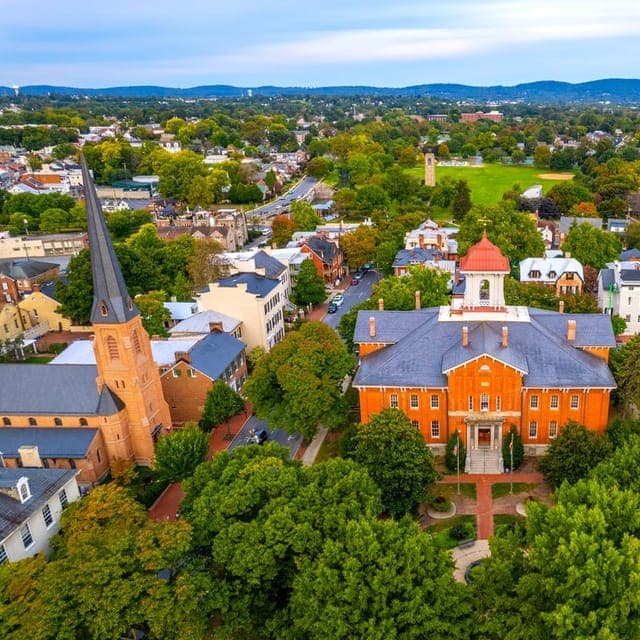
Photo by Anthony Chiado on Unsplash
Find The Best Places To Live
in Harrisonburg
PRO TIP! You can paste a Zillow or Redfin link to get info on that property.
What It's Like Living in Harrisonburg, VA
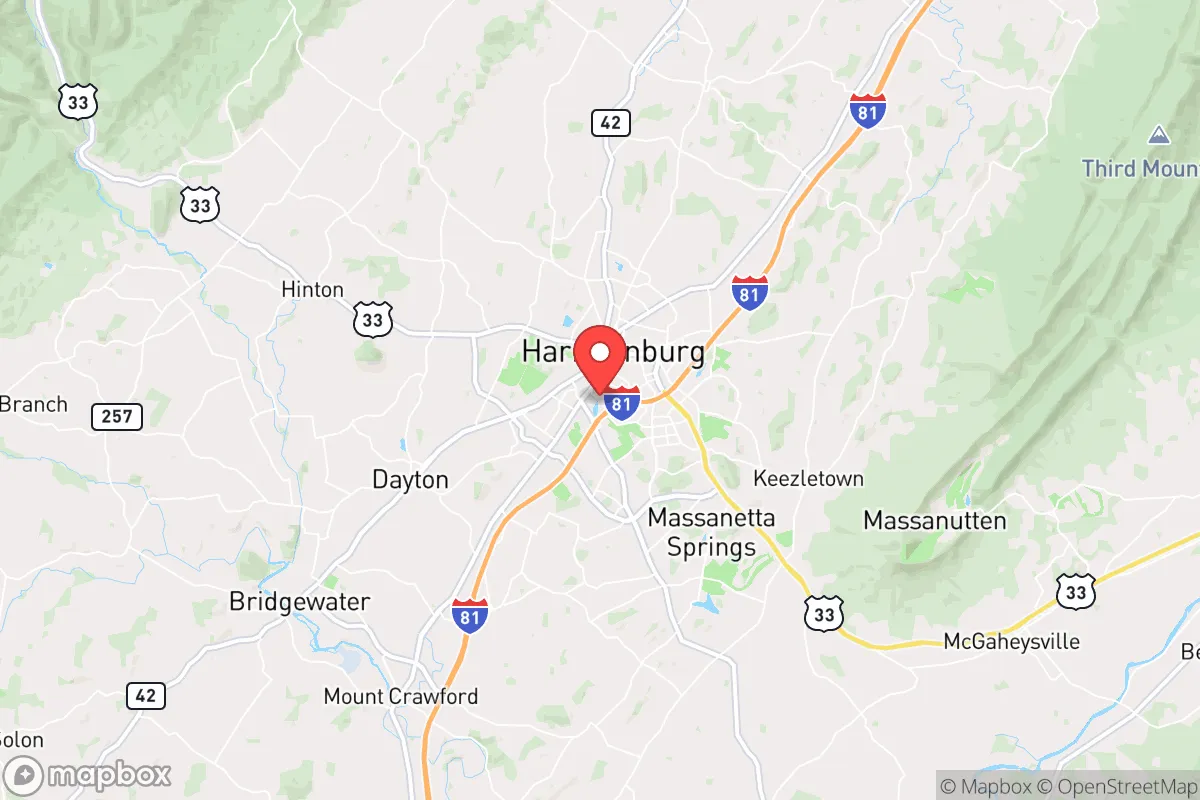
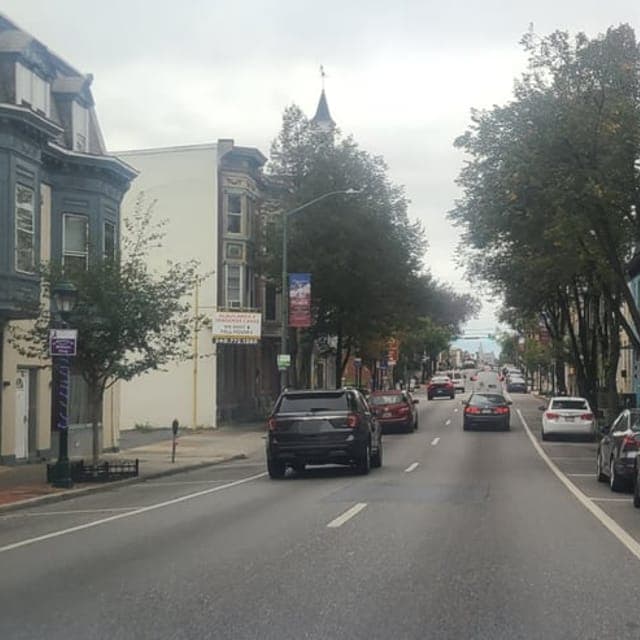
Harrisonburg has a split personality, and that’s exactly what makes it interesting. On one side, you’ve got a young, transient energy from James Madison University (JMU) that keeps downtown buzzing with coffee shops and craft beer; on the other, a deep-rooted Mennonite and farming community that’s been here for generations. The result is a small city of about 51,000 people where you can grab a locally roasted latte at a hipster café, then drive ten minutes and watch an Amish buggy clip-clop past a cornfield.
The Daily Rhythm: Young, Educated, and Surprisingly Affordable
The median age here is just 25.4, which tells you everything about the town’s pulse. JMU dominates weekday life — you’ll see students flooding the downtown blocks around lunch and early evening, grabbing burritos at El Charro or tacos at Cuban Burger. But outside of the academic calendar, the city settles into a slower, more family-oriented groove. The average commute is a refreshingly short 17 minutes, so people actually have time to hit the farmers market on Saturday morning or take a quick hike up Massanutten Mountain after work. The cost of living index sits at 97 — slightly below the national average — and with a median home value of $278,200, a young professional or small family can buy a decent starter home without the soul-crushing debt you’d see in Northern Virginia. The median household income is $59,752, which goes further here than in most of the state.
Sports, Shenandoah Sunsets, and Saturday Night Plans
JMU football is the undisputed king of local sports. On fall Saturdays, Bridgeforth Stadium fills with purple-and-gold-clad fans, and the energy spills into every bar and grill downtown. High school sports are big too — Harrisonburg High School and Spotswood High have fierce rivalries that draw real crowds. For outdoor enthusiasts, the Shenandoah National Park entrance is 30 minutes away, and the George Washington National Forest is even closer. Locals spend weekends hiking Hone Quarry or floating the Shenandoah River. Entertainment downtown centers around the Court Square Theater for indie films and live acts, and the Golden Pony for louder, late-night shows. The Rocktown Beer & Music Festival in September is a highlight — local breweries, live bands, and a crowd that mixes JMU students with families and old-timers. For a quieter night, Three Notch’d Brewing and Brothers Craft Brewing are the go-to spots for a pint and conversation.
What Frustrates Locals (and What They’d Never Give Up)
Pros: The access to nature is hard to beat — you’re 20 minutes from world-class hiking and an hour from skiing at Massanutten Resort. The downtown is walkable and genuinely charming, with a mix of independent shops, galleries, and restaurants that feel authentic, not corporate. The schools — both public and private — are a major draw for families, and the community is tight-knit without being cliquey. The violent crime rate of 209.1 per 100,000 is below the national average, and most people feel safe walking downtown at night.
Cons: The biggest frustration is the lack of high-paying jobs outside of education and healthcare. With 36.7% of adults holding a college degree, many graduates end up leaving for better opportunities in Richmond or NoVA. Traffic on Route 33 and Port Republic Road can get genuinely annoying during JMU move-in weeks and football game days. Winters are gray and damp — not brutally cold, but the overcast skies can wear on you by February. And while the cost of living is low, the rental market is tight, with student demand driving up prices for anything near campus.
Cultural Quirks and the Real Harrisonburg Identity
One thing newcomers notice immediately: the Mennonite and Amish presence is not a tourist gimmick. You’ll see horse-drawn buggies parked at the Dayton Farmers Market, and many locals buy meat, eggs, and produce directly from plain-dress families. This creates a fascinating cultural mix — a town that’s simultaneously progressive (JMU’s influence) and deeply traditional. The city’s nickname, “The Friendly City,” is not just a slogan; people here actually make eye contact and hold doors. The biggest cultural event is the Rocktown Rodeo in July, which draws crowds from across the Valley. For a small city, Harrisonburg has a surprisingly strong food scene — Jack Brown’s Beer & Burger Joint is a local institution, and Local Chop & Grill House offers farm-to-table dining that rivals anything in Charlottesville. The seasonal rhythm is distinct: fall is football and apple picking, winter is skiing and cozy brewery nights, spring is farmers markets and hiking, and summer is river floats and outdoor concerts. It’s a place where you can still buy a house for under $300,000, know your neighbors, and be on the Appalachian Trail in 20 minutes — but you’ll need to make peace with the fact that your career options are limited unless you work for the university, the hospital, or remotely.

Similar small cities to Harrisonburg
* Values derived from national, state, county, city and local statistics and may differ in a specific area. Last updated: 2026-05-01T18:37:16.000Z
Narrative content on this page is AI-generated and may contain mistakes. Verify any details that matter before acting on them.
ReloMaps may earn a commission from affiliate links at no extra cost to you.

