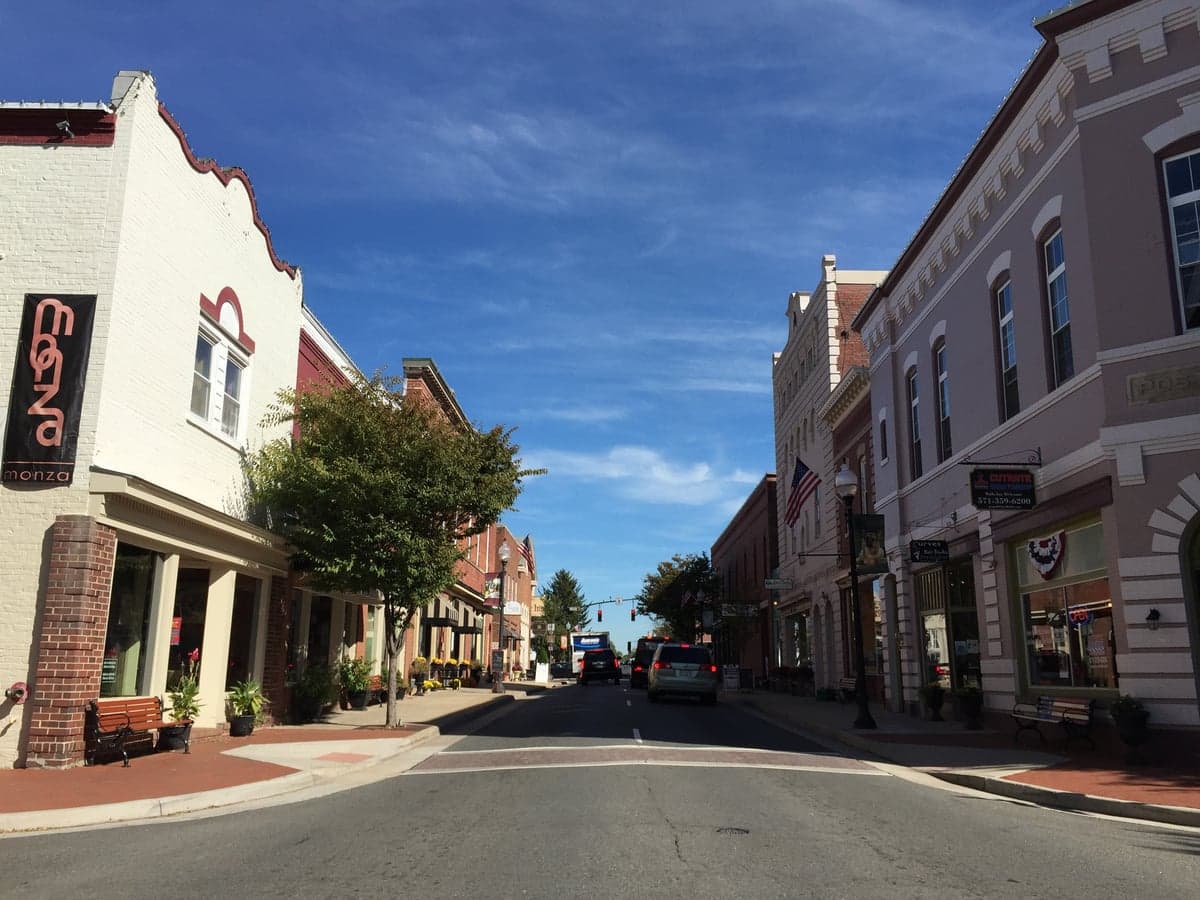
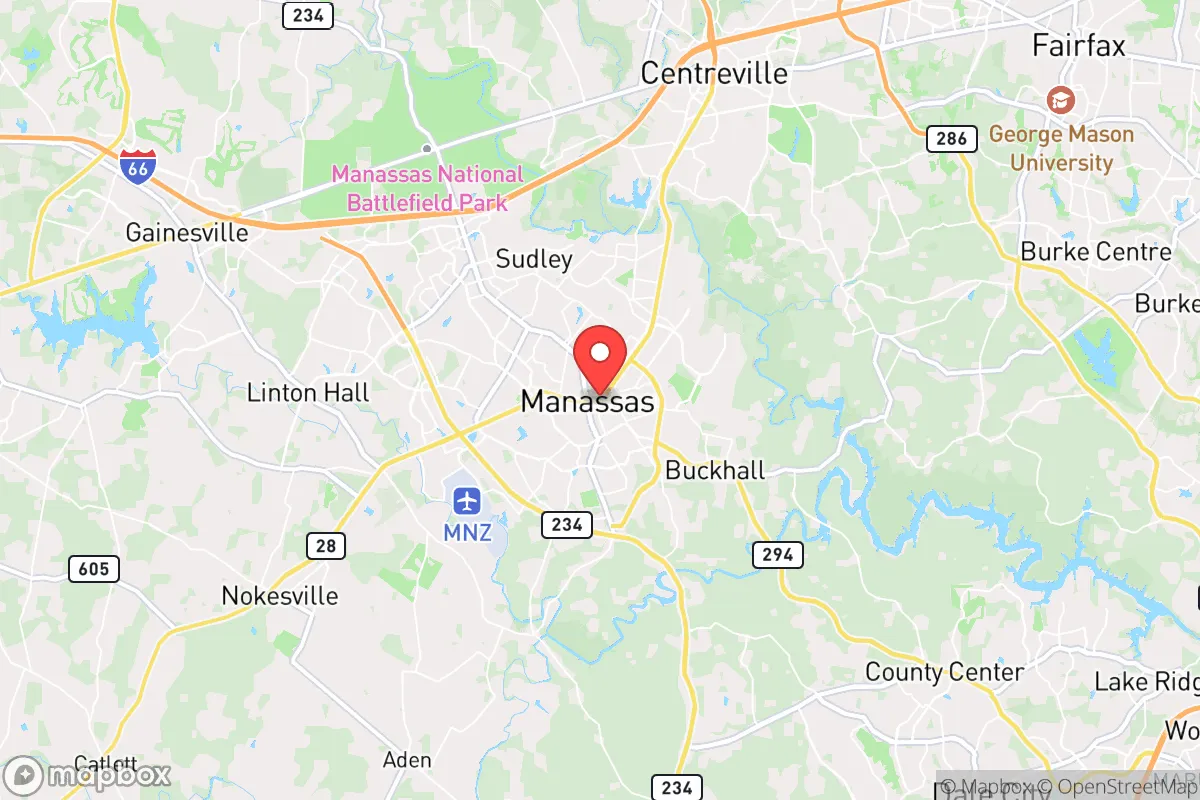
Photo: Wikipedia
Find The Best Places To Live
in Manassas
PRO TIP! You can paste a Zillow or Redfin link to get info on that property.
What It's Like Living in Manassas, VA
Manassas, Virginia, has a way of surprising people. It’s a small city of about 43,000 that feels both like a tight-knit town and a commuter hub, where Civil War history sits next to modern subdivisions and the roar of Saturday morning youth soccer. The vibe here is practical, family-focused, and quietly ambitious—people work hard, spend weekends at the ballfield or the backyard grill, and take genuine pride in the fact that their city has its own identity, not just a zip code on the way to D.C.
Daily Rhythm: The Commute, the Schools, and the Weekend Reset
Life in Manassas revolves around a few predictable anchors. The average commute clocks in at just over 33 minutes, which is shorter than many Northern Virginia suburbs but still long enough to shape your morning. Most people drive I-66 or take the VRE train into D.C., and you’ll hear plenty of talk about which parking lot fills up first at the Manassas Park station. The trade-off is a median household income of $117,919—solidly upper-middle-class—and a cost of living index of 156, meaning you pay more for housing and groceries but get a house with a yard and a good school district in return. Median home values sit at $434,700, which is steep for Virginia overall but a relative bargain compared to Fairfax County or Arlington.
Weekends here are for errands and recovery. You’ll see families at the Manassas Farmers Market on Saturday mornings, grabbing produce and local honey, or at the Harris Teeter off Sudley Road. The city’s median age is 34.7, so you’re surrounded by people in the same life stage—young parents, mid-career professionals, and empty-nesters who stayed after the kids graduated. 33.2% of adults hold a college degree, which is lower than the D.C. suburbs to the east but still well above the national average. That mix creates a place where you can have a neighbor who’s a defense contractor and another who runs a landscaping business, and both show up to the same PTA meeting.
Sports, High School Loyalty, and Where People Gather
High school sports are a genuine cultural force here. Manassas is home to Osbourn High School (the Eagles) and Stonewall Jackson High School (the Raiders), and Friday night football games in the fall draw crowds that include alumni who graduated decades ago. The rivalry is real but good-natured—you’ll see flags on trucks and bumper stickers year-round. For pro sports, most locals root for the Washington Commanders (about 30 miles east) and the Nationals, but the real energy is around youth leagues: baseball, soccer, and lacrosse fields are packed from March through November.
For entertainment, the city punches above its weight. The Manassas City Hall lawn hosts summer concerts and the annual Manassas Fall Jubilee, which draws thousands for craft vendors, live music, and funnel cakes. The historic downtown—centered on Center Street—has a half-dozen solid restaurants and bars, including Okra’s Cajun Creole for po’ boys and live jazz, and Brew Republic for local craft beer and trivia nights. The Manassas Museum is small but well-curated, focusing on the city’s Civil War and railroad history. For outdoors, Signal Hill Park offers hiking trails and a disc golf course, and the Prince William Forest Park is a 20-minute drive for serious trail running or camping.
What Works, What Grates, and the Quirks That Define the Place
The honest pros of living here are straightforward: you get a real community feel without being in the middle of nowhere. Neighbors know each other, the schools are decent, and you can own a home with a yard for under $500K—a rarity in Northern Virginia. The violent crime rate is 304.8 per 100,000, which is above the national average but concentrated in specific areas; most residents feel safe in their neighborhoods and downtown. The weather is classic Mid-Atlantic: hot, humid summers, mild falls, and winters that bring a few snow days but rarely shut things down for long.
The frustrations are real, too. Traffic on I-66 is a daily headache, especially during rush hour and when there’s a crash or construction. The cost of living means your dollar doesn’t stretch as far as it would in, say, Richmond or Roanoke. And some longtime residents grumble that the city has grown faster than its infrastructure—more apartments, more cars, more people at the same grocery stores. There’s also a cultural quirk: Manassas is proud of its Civil War history (the Manassas Battlefield is just north of town), but that pride can feel a bit heavy-handed if you’re not a history buff. You’ll see Confederate flags on some private property and in parades, which is a point of tension for newer, more diverse residents.
Overall, Manassas works best for people who want a suburban life with a small-town center, who don’t mind a commute, and who value schools and community events over nightlife and urban density. It’s not flashy, but it’s solid—and for the right person, that’s exactly the point.

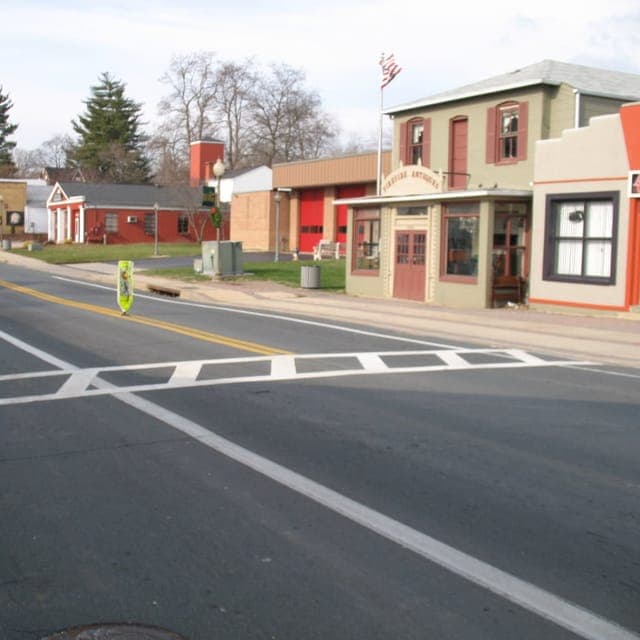
Similar towns to Manassas
* Values derived from national, state, county, city and local statistics and may differ in a specific area. Last updated: 2026-04-19T08:36:36.000Z
Narrative content on this page is AI-generated and may contain mistakes. Verify any details that matter before acting on them.
ReloMaps may earn a commission from affiliate links at no extra cost to you.

