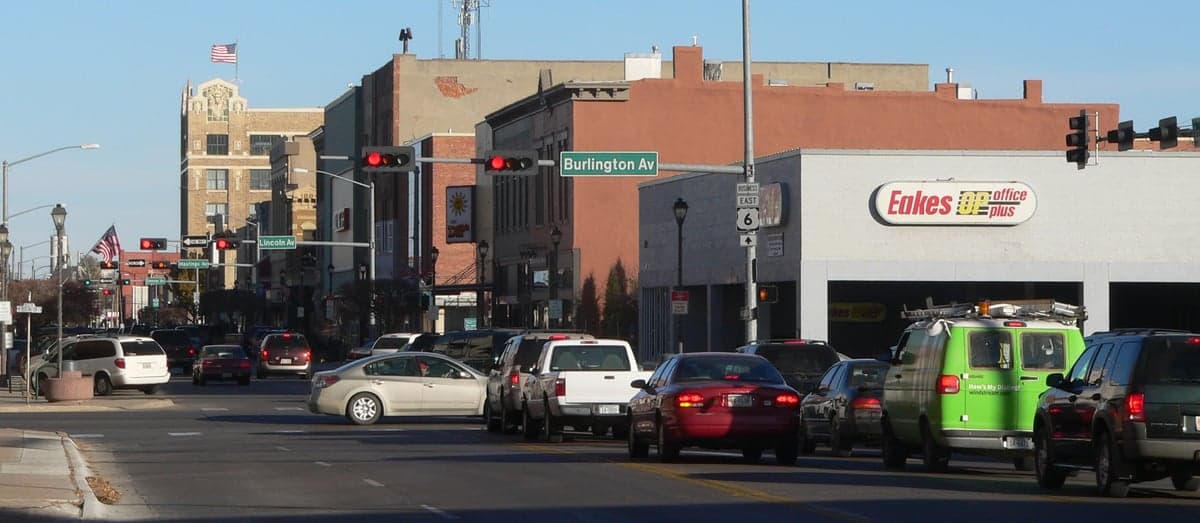
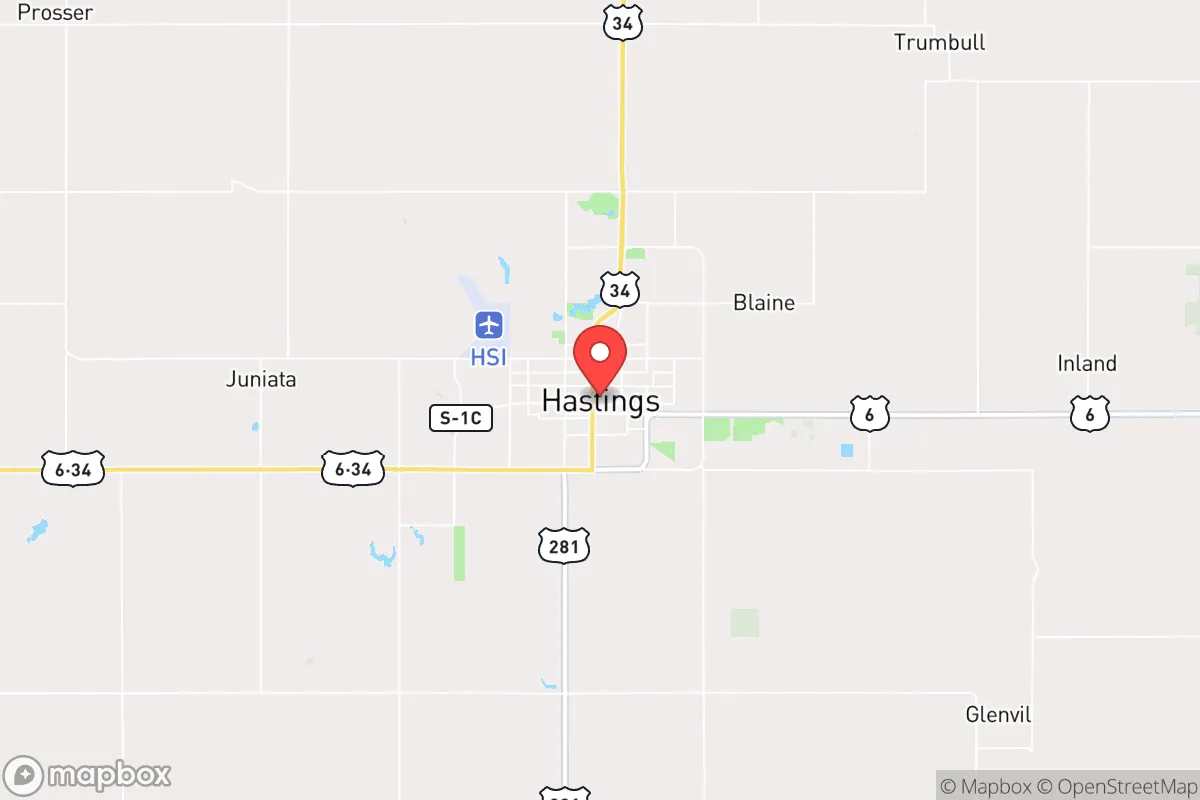
Photo: Wikipedia
Quality of Life in Hastings, NE
A high quality of life with strong walkability, manageable living costs, healthy neighborhood signals, and solid amenity access.
What does Quality of Life tell us?
Quality of Life blends cost of living, nearby amenities, socioeconomic signals, and neighborhood character. City-level scores represent the whole municipality; individual neighborhoods can differ.
What does this tell us?
Quality of Life blends cost of living, nearby amenities, socioeconomic signals, and neighborhood character. City-level scores represent the whole municipality; individual neighborhoods can differ.
Cost of Living
31% below national average
The Real Cost of Living in Hastings, NE for 2026
| Tier | Individual | Family (4) |
|---|---|---|
| Survival | $14k | $26k |
| Comfortable | $34k | $51k |
| Luxury | $111k+ | $171k+ |
| Elite (Top 5%) | $131k+ | $203k+ |
121%
The Area Signal
A metric tracking the socioeconomic signals of the area.
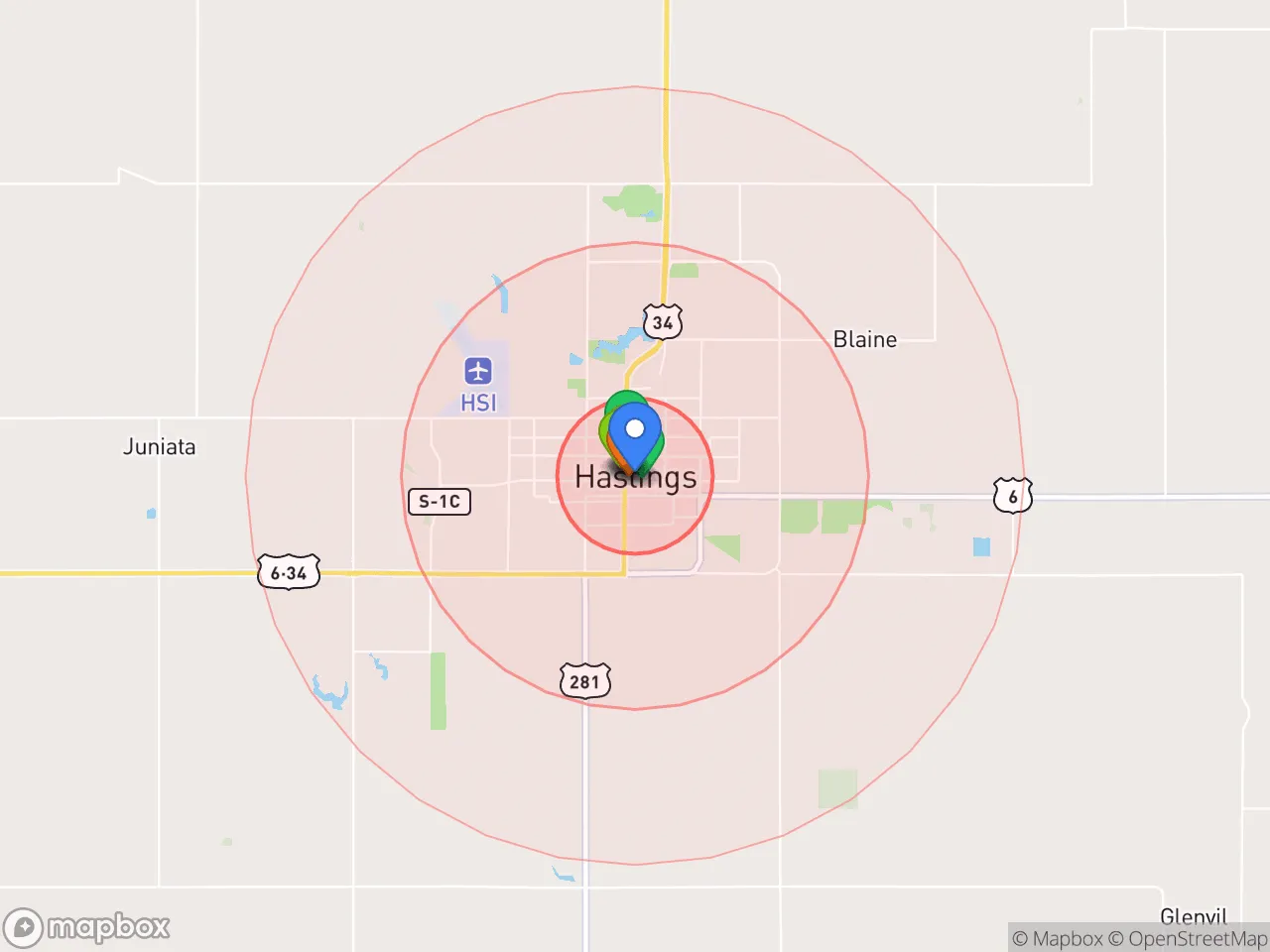
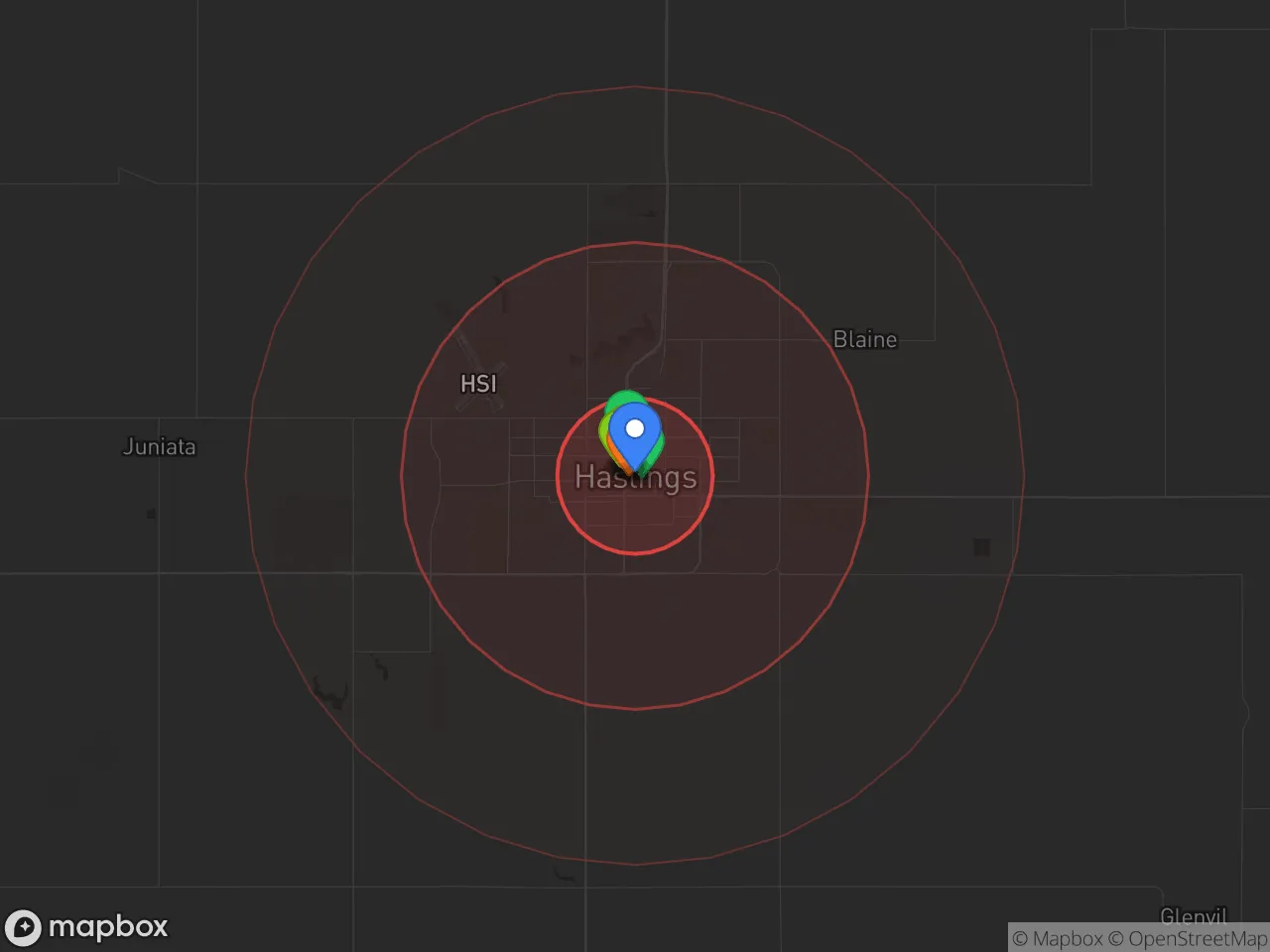
Hobbies
Explore the areaGroceries
1 within 10 miles
Gas
8 within 10 miles
Hospital
2 within 20 miles
Airport
MCI — Kansas City International
Post Office
USPS — Hastings, NE
Critical Amenities
Quality-of-Life Analysis
Hastings, Nebraska, presents a quality of life defined by exceptional affordability and a stable, family-oriented community, with a cost of living index of 69 (31% below the national average) that attracts a mix of young families, retirees, and professionals seeking a lower-stress, higher-value lifestyle. The city's median home value of $177,200 and median rent of $858 place it among the most accessible housing markets in the Great Plains, drawing residents who prioritize financial breathing room over the amenities of a larger metro. This economic profile, combined with a notably short average commute of just under 15 minutes, shapes a daily rhythm centered on local employment, community engagement, and a slower pace of life.
Cost of living, housing, and how Hastings compares to Grand Island and Kearney
Hastings' cost of living is significantly lower than the national benchmark, and it also undercuts nearby regional hubs like Grand Island and Kearney by roughly 5-10% in overall expenses, according to recent COL surveys. The housing market is the primary driver: the median home value of $177,200 is roughly $20,000 less than the median in Grand Island and about $35,000 less than in Kearney, making homeownership attainable for households earning the area's median income. Renters also benefit, with a median rent of $858—well below the state average of roughly $950—and a rental vacancy rate that typically hovers around 5-7%, offering reasonable selection. Property taxes in Adams County are moderate, and utility costs are in line with the Plains average, meaning that a typical household can allocate a much smaller percentage of income to housing than in most U.S. cities.
Local amenities, schools, and what daily life is like for families
Daily life in Hastings revolves around a compact, walkable downtown anchored by the Hastings Museum (home to the world's largest Lied Jungle diorama) and the historic Chautauqua Pavilion. The city's public school system, Hastings Public Schools, serves roughly 3,800 students and includes Hastings Senior High, which offers a strong slate of Advanced Placement courses and vocational programs through the Central Nebraska Technical College partnership. For families, the 14.8-minute average commute means parents spend minimal time in transit, freeing up hours for extracurriculars at the city's 11 parks, the Lake Hastings recreation area, or the Railside Golf Club. Healthcare is provided by Mary Lanning Memorial Hospital, a 150-bed regional facility that employs over 1,200 people and offers specialty care that reduces the need to travel to Lincoln or Omaha for routine procedures. The city's employment base is anchored by manufacturing (Becton Dickinson, Trane Technologies), agriculture, and the Hastings College campus, which enrolls about 1,000 students and contributes to a modest cultural calendar of theater, concerts, and lectures.
Hastings is best suited for people who value financial stability, short commutes, and a close-knit community over urban nightlife or career diversity. Retirees on fixed incomes will find the low housing costs and accessible healthcare particularly attractive, while young families can leverage the affordable home prices to build equity without the debt burden common in coastal markets. Professionals in manufacturing, healthcare, or education will find the strongest job alignment, though remote workers can also thrive here given the city's reliable fiber internet coverage. Those seeking a vibrant restaurant scene, major airport access, or rapid career advancement in tech or finance will likely find Hastings too quiet—but for anyone prioritizing a low-stress, high-affordability lifestyle in the Plains, it is a compelling choice.

Crime in Hastings, NE
Lower crime rates than 78% of comparable U.S. locations.
Violent CrimeViolent Crime Analysis
Property CrimeProperty Crime Analysis
Crime Analysis
Hastings, Nebraska, reports a violent crime rate of 234.5 incidents per 100,000 residents and a property crime rate of 1,450.8 per 100,000, placing it in a moderate safety tier for a city of its size. While not among the most dangerous communities in the state, these figures exceed the national averages for both categories, indicating that residents face a tangible risk of property theft and, to a lesser degree, violent encounters. The overall safety picture is one where vigilance is warranted, particularly regarding property security, but where the likelihood of a serious violent crime remains statistically lower than in many larger urban centers.
Crime in context
Hastings' violent crime rate of 234.5 per 100,000 is roughly 35% higher than the national average of approximately 170 per 100,000, though it remains below the rates seen in Nebraska's larger cities like Omaha and Lincoln. The property crime rate of 1,450.8 per 100,000 is about 20% above the national average of roughly 1,200 per 100,000, driven largely by larceny-theft and motor vehicle theft. Compared to the state of Nebraska as a whole, Hastings reports a higher incidence of both violent and property crime, placing it above the statewide average. This context is critical: while not a high-crime metropolis, Hastings does not enjoy the low-crime profile of many smaller Nebraska towns, and its rates suggest a community where property crime is a persistent concern.
What residents experience
Residents of Hastings most commonly encounter property-related offenses, with theft from vehicles, burglaries of unoccupied homes, and shoplifting being the most frequent complaints. Violent crime, while less common, does occur and includes aggravated assault as the predominant category, with robbery and rape reported at lower frequencies. The city's police department actively publishes crime maps and incident reports, allowing residents to track activity in their immediate neighborhoods. Larceny-theft alone accounts for over 60% of all reported crime in Hastings, meaning that securing personal property—locking cars, using outdoor lighting, and avoiding leaving valuables visible—is the single most effective step a resident can take to reduce their risk. The presence of a progressive judicial philosophy in Adams County courts, which may prioritize rehabilitation over incarceration for non-violent property offenders, can contribute to repeat offenses and a perception that consequences for theft are insufficient to deter future crime.
Neighborhood-level variation
Crime in Hastings is not evenly distributed. The downtown core and areas near the Burlington Northern Santa Fe rail yard and the Hastings College campus experience higher concentrations of both property crime and disorder-related calls. Neighborhoods south of 14th Street and west of Burlington Avenue generally report lower crime rates, while the area around the intersection of U.S. Highway 281 and U.S. Highway 6 sees elevated theft and vehicle break-ins due to commercial traffic. The city's public housing complexes and some older rental districts near the city center also show higher incident densities. Prospective residents should consult the Hastings Police Department's online crime mapping tool and consider visiting potential neighborhoods at different times of day to gauge activity levels. Local real estate agents and neighborhood associations can provide additional, street-level insight into which blocks are safest.
* Values derived from national, state, county, city and local statistics and may differ in a specific area. Last updated: 2026-05-03T20:30:14.000Z
Narrative content on this page is AI-generated and may contain mistakes. Verify any details that matter before acting on them.
ReloMaps may earn a commission from affiliate links at no extra cost to you.

