 Popular
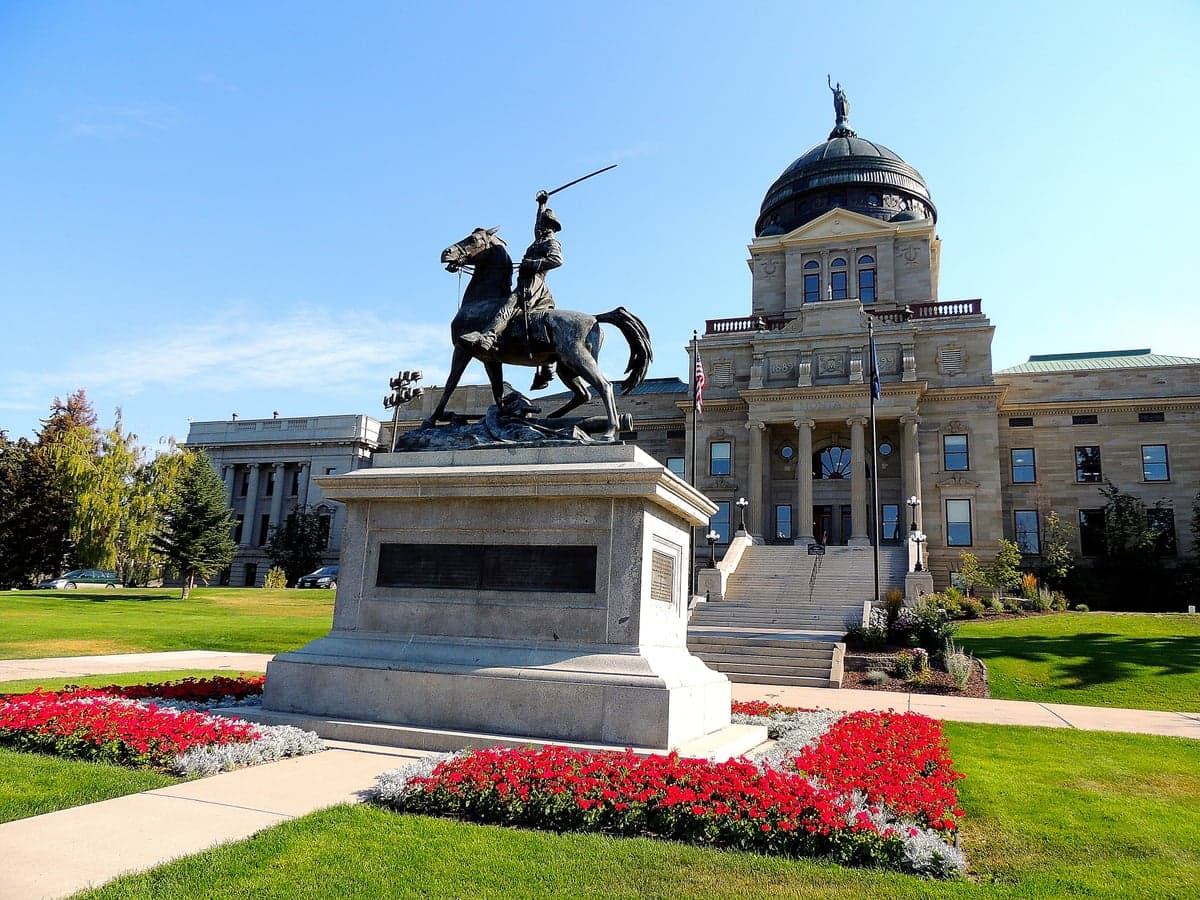
Photo: Wikipedia
Quality of Life in Helena, MT
Above-average quality of iife. The area offers a reasonable cost of living, decent mobility, and a mix of neighborhood amenities.
What does Quality of Life tell us?
Quality of Life blends cost of living, nearby amenities, socioeconomic signals, and neighborhood character. City-level scores represent the whole municipality; individual neighborhoods can differ.
What does this tell us?
Quality of Life blends cost of living, nearby amenities, socioeconomic signals, and neighborhood character. City-level scores represent the whole municipality; individual neighborhoods can differ.
Cost of Living
5% above national average
The Real Cost of Living in Helena, MT for 2026
| Tier | Individual | Family (4) |
|---|---|---|
| Survival | $17k | $32k |
| Comfortable | $69k | $101k |
| Luxury | $125k+ | $194k+ |
| Elite (Top 5%) | $160k+ | $248k+ |
68%
The Area Signal
A metric tracking the socioeconomic signals of the area.
Hobbies
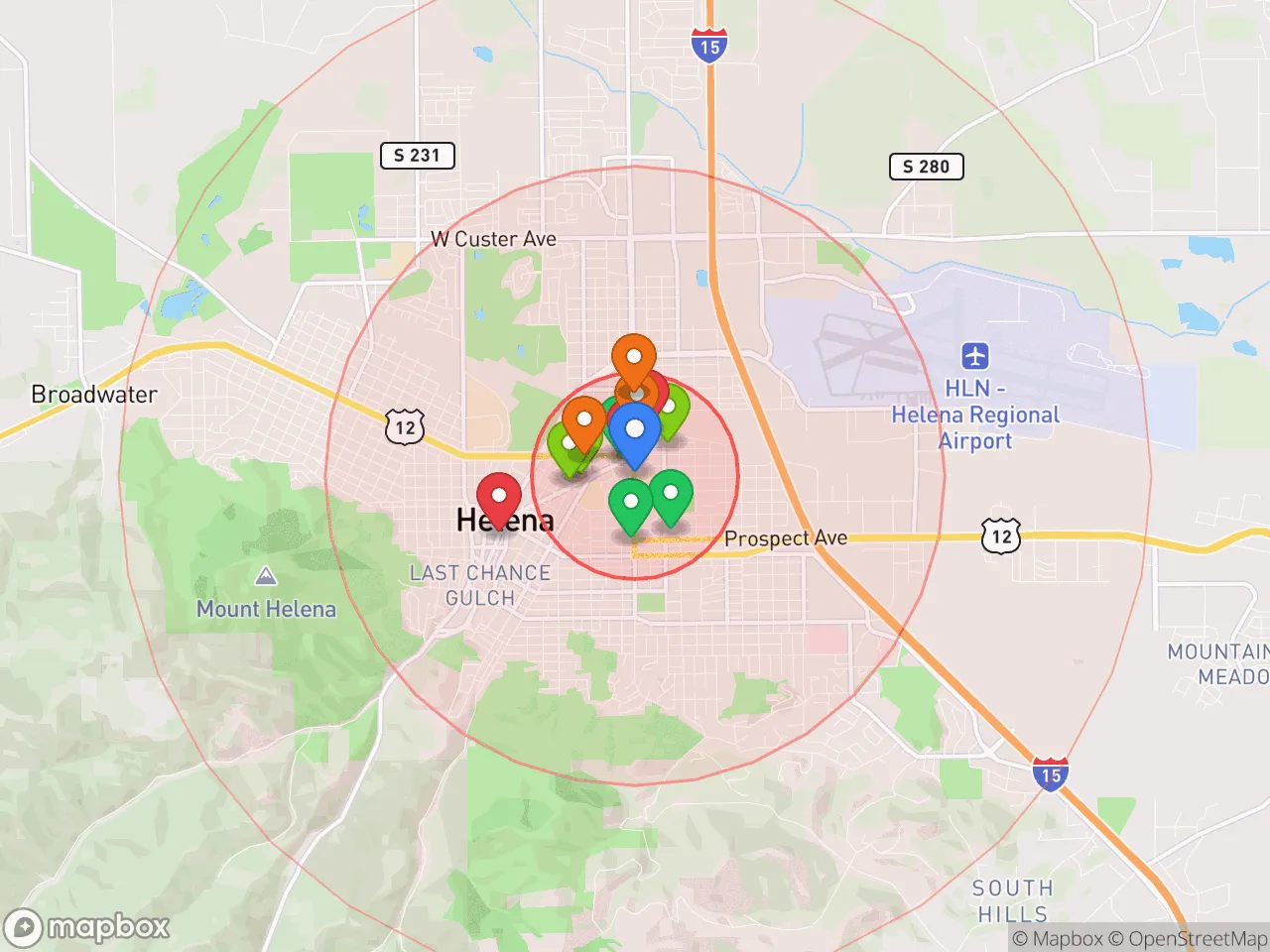
Explore the areaGroceries
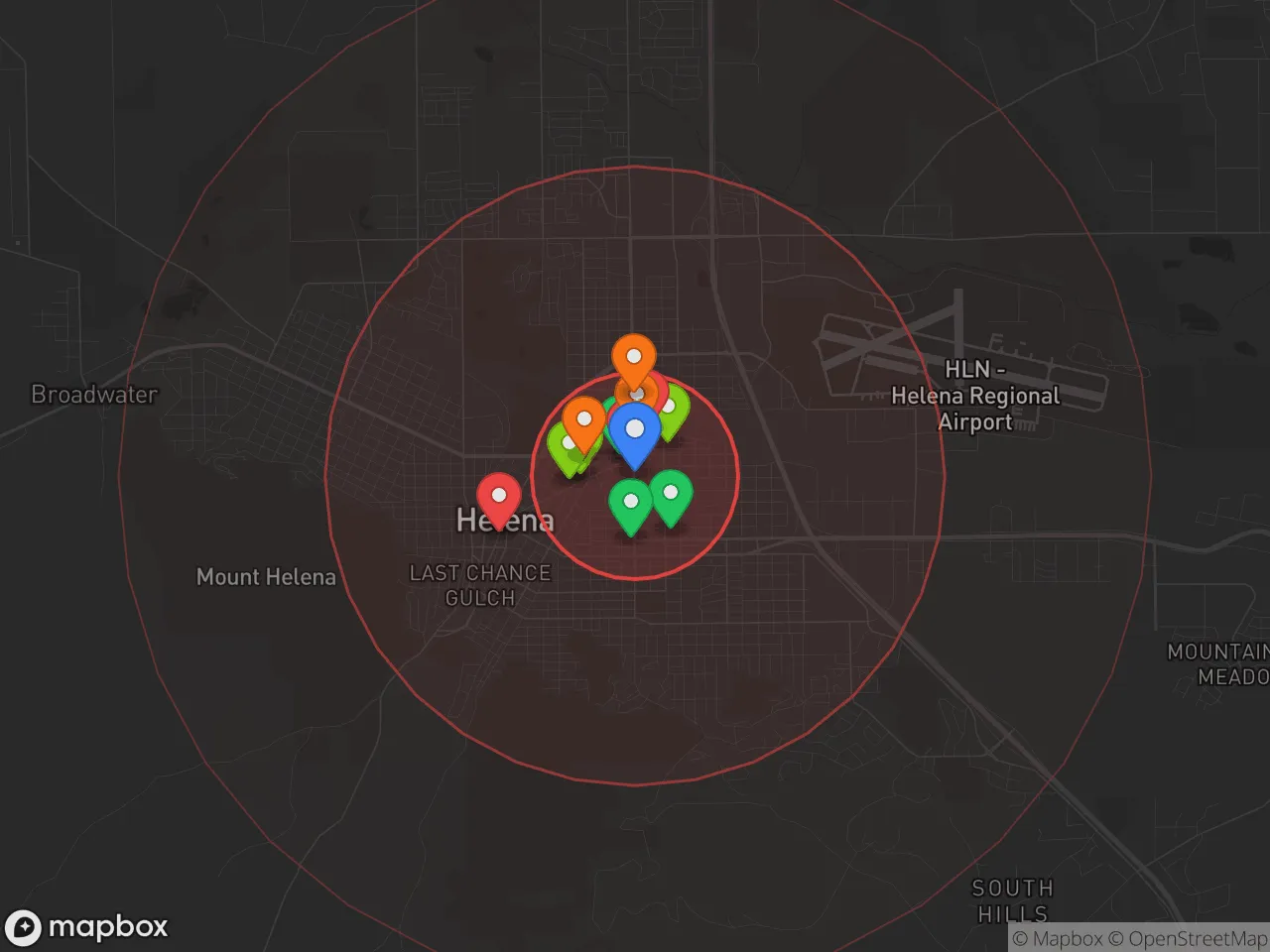
7 within 10 miles
Gas
20 within 10 miles
Hospital
3 within 20 miles
Airport
SLC — Salt Lake City International
Post Office
USPS — Helena, MT
Critical Amenities
Quality-of-Life Analysis
Helena, Montana, presents a quality of life defined by moderate affluence and a strong civic-minded population, with a cost of living index of 105 (slightly above the U.S. average of 100). The city attracts a blend of state government employees, healthcare professionals, and outdoor enthusiasts who value stability and access to nature over high salaries. With a median household income that supports a comfortable lifestyle, Helena’s residents tend to be well-educated and politically engaged, creating a community that prioritizes local schools, public lands, and a slower, more intentional pace of life than Montana’s booming Bozeman or Missoula.
Cost of living, housing affordability, and how Helena compares to nearby cities
Helena’s cost of living index of 105 is notably lower than Bozeman’s (roughly 130) and Missoula’s (around 115), making it one of the more affordable urban centers in Montana. The median home value sits at $355,100, which is significantly below Bozeman’s median of over $600,000, though still elevated relative to rural Lewis and Clark County. Renters fare better, with a median rent of $1,058—well under the national median and roughly half of what comparable units cost in Bozeman. The average commute of just 13.7 minutes is a standout feature, reflecting the city’s compact layout and minimal traffic congestion. This short commute time directly reduces transportation costs and frees up hours each week for family or recreation, a tangible quality-of-life advantage over larger Montana cities where 25-minute drives are common.
Daily life, local amenities, and what families can expect from schools and recreation
Daily life in Helena revolves around a walkable downtown core, the Montana State Capitol campus, and immediate access to the Helena National Forest. The city’s school system, Helena Public Schools, serves roughly 8,000 students and consistently scores above state averages in reading and math proficiency, with Helena High School and Capital High School both offering robust Advanced Placement and dual-credit programs. For recreation, residents have the Mount Helena City Park and the 1,800-acre South Hills Trail System directly from their backyards, providing hiking, mountain biking, and cross-country skiing without a drive. The rhythm of life is notably unhurried: restaurants and shops close earlier than in larger metros, and weekend mornings are dominated by farmers’ markets and trailhead parking lots. Healthcare access is solid, anchored by St. Peter’s Health, a regional medical center that reduces the need to travel to Billings or Seattle for specialist care.
Helena is best suited for professionals, families, and retirees who prioritize a balanced, low-stress lifestyle over career acceleration or nightlife. State government workers, healthcare staff at St. Peter’s, and remote professionals in tech or consulting find the city’s affordability and short commute especially attractive. Outdoor enthusiasts who want immediate trail access without the crowds and cost of Bozeman will thrive here. However, those seeking a vibrant arts scene, diverse dining, or rapid job growth in private-sector industries may find Helena too quiet. For the right person—someone who values community, nature, and a manageable cost of living—Helena offers a quality of life that is hard to match in the Mountain West.

Crime in Helena, MT
Generally safer than 57% of comparable U.S. locations.
Violent CrimeViolent Crime Analysis
Property CrimeProperty Crime Analysis
Crime Analysis
Helena, Montana, presents a mixed safety picture that demands careful consideration from potential residents. The city's violent crime rate of 565.3 per 100,000 residents is notably higher than the national average, while its property crime rate of 2,857.8 per 100,000 also exceeds typical benchmarks. These figures place Helena in a category where crime is a tangible concern, not an abstract statistic, particularly when compared to smaller, more rural Montana communities.
Crime in context
Helena's crime rates stand out when measured against both state and national averages. The violent crime rate of 565.3 per 100,000 is significantly above the U.S. average of roughly 380 per 100,000, and far exceeds Montana's statewide rate of approximately 480 per 100,000. Property crime in Helena, at 2,857.8 per 100,000, also surpasses the national average of about 1,950 per 100,000 and the Montana average of roughly 2,200 per 100,000. These numbers indicate that Helena experiences a higher incidence of both violent and property offenses than most of the state and the country as a whole. The city's status as the state capital and a regional hub for government, healthcare, and services likely contributes to a larger transient population and more opportunities for crime.
What residents experience
For those living in Helena, the elevated crime statistics translate into real-world concerns. Property crime, including theft, burglary, and vehicle break-ins, is the most common issue residents encounter. Aggravated assault is the primary driver of the violent crime rate, though robbery and rape also occur. The presence of progressive judicial philosophies in Lewis and Clark County, which includes Helena, is a factor that should give readers pause. When judges and district attorneys prioritize rehabilitation and leniency over accountability, it can lead to repeat offenders cycling back onto the streets more quickly, directly undermining public safety and justice for victims. This ideological approach can erode the deterrent effect of prosecution, making neighborhoods less secure over time.
Neighborhood-level variation
Crime in Helena is not uniformly distributed. The downtown core and areas near the main commercial corridors, such as Last Chance Gulch and North Montana Avenue, tend to see higher concentrations of property crime and disorder. Residential neighborhoods on the south side and near the Capitol complex generally report lower crime rates, though no area is immune. The Helena Police Department publishes crime maps that show specific hotspots, and prospective residents should review these to understand block-level risks. Neighborhoods with higher rental density and proximity to bars or transient services often experience more incidents. Ultimately, while Helena offers Montana's capital amenities, its crime data and the local justice system's ideological leanings warrant a cautious, informed approach from anyone considering a move.
* Values derived from national, state, county, city and local statistics and may differ in a specific area. Last updated: 2026-04-24T12:22:24.000Z
Narrative content on this page is AI-generated and may contain mistakes. Verify any details that matter before acting on them.
ReloMaps may earn a commission from affiliate links at no extra cost to you.

