 Popular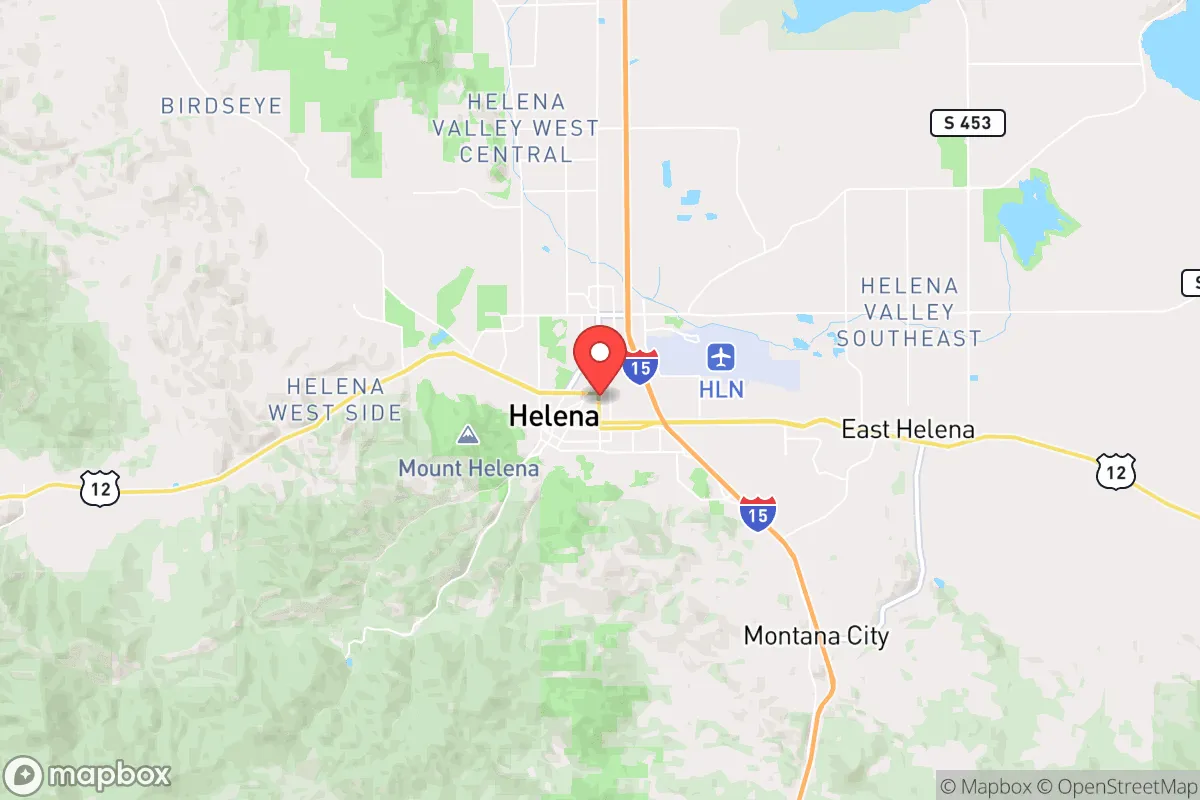
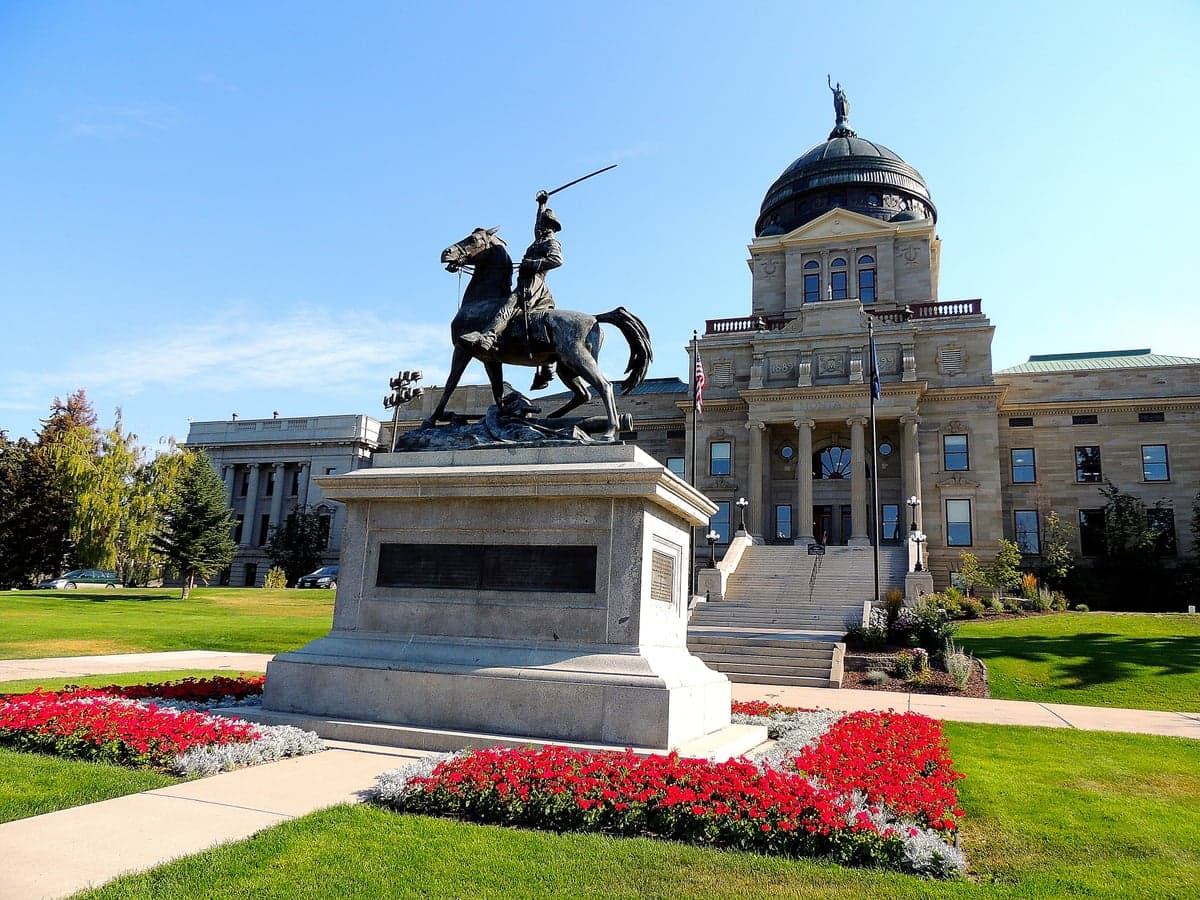
Photo: Wikipedia
Political ClimatePolitical Climate in Helena, MT
District shown is the primary district for this city’s centroid. Cities may span multiple districts.
Local Political AnalysisPolitical Analysis of Helena, MT
Helena, Montana, has long been a bit of a blue dot in a deeply red state, but don't let that fool you into thinking it's a progressive stronghold. The city itself leans left, especially in the core neighborhoods near the Capitol and Carroll College, but the surrounding Lewis and Clark County and the broader region are solidly conservative. The Cook PVI for the area is R+15, meaning the district is 15 points more Republican than the national average, which tells you the real story: the rural and suburban voters surrounding Helena keep the area's politics grounded. In the 2024 election, the county went for Trump by a comfortable margin, and while you'll see Harris-Walz signs in a few downtown yards, the vast majority of folks here value personal responsibility, limited government, and the right to live without constant interference from the state.
How it compares
If you drive 30 minutes east to Townsend or 45 minutes north to Great Falls, you'll find a much more uniform conservative vibe—fewer coffee shops with political flyers, more pickup trucks with American flags. Helena is the state capital, so it attracts a mix of government workers, lobbyists, and college faculty, which gives it a slightly more moderate-to-liberal tilt than the surrounding towns. But compare it to Missoula or Bozeman, and Helena looks downright traditional. Missoula has become a hotbed of progressive activism, with city council pushing green new deal-style policies and rent control experiments. Bozeman, while still conservative at its core, has seen an influx of out-of-state transplants who are slowly shifting its politics leftward. Helena, by contrast, has resisted that trend. The city's growth has been slower, and the local government has largely stayed out of the business of telling people how to live their lives—no mask mandates that lasted forever, no heavy-handed business closures during the pandemic. That's a big reason why many longtime residents, myself included, still feel at home here.
What this means for residents
For the average person, Helena's political climate means you get a lot of freedom to live your life as you see fit. Property taxes are reasonable compared to the Front Range or the West Coast, and the state legislature, which meets here, has consistently pushed back against federal overreach on land use, gun rights, and energy policy. You won't find the kind of local ordinances that ban gas stoves or impose strict energy codes on new homes—those fights are happening in places like Boulder or Portland, not here. The city council has occasionally flirted with progressive ideas, like a proposed "equity" task force a few years back, but those efforts fizzled out because the community pushed back hard. The real concern for conservatives is the long-term trajectory: as more people move in from California and Washington, there's a risk that Helena could start to mirror the political shifts seen in Bozeman. That's why it's important to stay engaged locally—attend a city council meeting, vote in every election, and remind newcomers that Montana's way of life is worth preserving.
One cultural distinction worth noting is that Helena has a strong libertarian streak, not just a conservative one. You'll find plenty of folks who are pro-gun, anti-tax, and skeptical of government programs, but who also support legalized marijuana and don't care much about what happens in other people's bedrooms. That mix makes for a unique political environment where you can have a beer with a rancher and a state employee and find common ground on the importance of keeping the federal government out of local affairs. The biggest red flag I see is the slow creep of progressive ideology into the school board and some city commissions—things like critical race theory training for teachers or "sanctuary city" proposals. So far, those have been beaten back, but it takes constant vigilance. If you're looking for a place where you can still have a say in how your community is run, without being drowned out by a vocal minority, Helena is a solid bet—just keep your eyes open and your voice loud.

State Political ClimatePolitical Climate in Montana
State Political AnalysisPolitical Environment in the State
Montana has long been a reliably Republican state at the presidential level, voting for the GOP candidate in every election since 1968 except for Bill Clinton’s 1992 win. However, the state’s political landscape is far more nuanced than a simple red-state label suggests. Over the past 10-20 years, a powerful coalition of rural conservatives, libertarian-leaning ranchers, and a growing wave of out-of-state transplants—many from deep-blue states—has created a dynamic where the state’s dominant Republican majority is being tested by a concentrated, well-funded progressive presence in a few key urban centers. The overall trajectory is a slow but steady rightward shift in the legislature, even as the cultural and economic influence of the state’s fastest-growing cities pulls in the opposite direction.
Urban vs. rural divide
The political map of Montana is a textbook case of the urban-rural split. The state’s two major population centers—Missoula and Bozeman—are the engines of Democratic and progressive power. Missoula, home to the University of Montana, is a classic college town with a strong environmentalist and activist bent, consistently voting 60-70% Democratic in statewide races. Bozeman, once a conservative ranching hub, has been transformed by an influx of wealthy out-of-state transplants, tech workers, and outdoor enthusiasts, turning Gallatin County into a purple-to-blue battleground. In 2024, Gallatin County voted for the Democratic presidential candidate by a narrow margin, a stark shift from its Republican lean just a decade prior. In contrast, the vast rural expanse—places like Glendive, Miles City, and Cut Bank—votes overwhelmingly Republican, often by margins of 70-80%. The state’s largest city, Billings, remains a conservative stronghold in Yellowstone County, but its suburbs are seeing subtle demographic shifts as younger families and remote workers move in. The key takeaway: if you want a reliably conservative environment, you’re looking at the small towns and ranching communities; if you want a progressive enclave, Missoula and Bozeman are your spots.
Policy environment
Montana’s policy environment is a mixed bag that leans heavily toward personal freedom, but with some notable exceptions. The state has no sales tax, which is a huge draw for conservatives, and its income tax is a flat 5.9%—relatively low but not as aggressive as states like Texas or Florida. Property taxes are moderate, though they’ve been creeping up as home values skyrocket. The regulatory posture is generally business-friendly, with minimal red tape for small businesses and a strong right-to-work law. On education, Montana has a robust school choice movement, with charter schools and homeschooling being popular and legally protected. The state’s Parental Rights in Education Act (2023) requires schools to notify parents of any curriculum changes regarding sexuality or gender identity, a win for those concerned about government overreach in the classroom. Healthcare policy is a mixed bag: Montana expanded Medicaid under the Affordable Care Act, which some conservatives see as a federal overreach, but the state has resisted a state-run insurance exchange. Election laws are solidly conservative—voter ID is required, same-day registration is limited, and the state has purged inactive voter rolls. Overall, the policy environment is a strong draw for those fleeing high-tax, high-regulation states, but the Medicaid expansion and some environmental regulations (especially around water rights) are points of friction for libertarian-leaning residents.
Trajectory & freedom
Montana is on a trajectory of expanding personal freedom in several key areas, but the battle is intensifying. The most significant recent win for liberty was the passage of Constitutional Carry in 2021, allowing law-abiding citizens to carry a concealed firearm without a permit. This was a huge victory for gun rights advocates and a clear signal that the legislature is listening to its rural base. On parental rights, the Parental Rights in Education Act (2023) and the Youth Health Protection Act (2023), which bans gender-affirming medical care for minors, have solidified Montana as a leader in protecting children from what many see as experimental procedures. Medical autonomy was also bolstered by the Montana Medical Marijuana Act, which has been stable since voters approved it in 2004, though recreational cannabis remains illegal. On the negative side, property rights have taken a hit in some areas due to county-level land use regulations in fast-growing places like Gallatin County, where zoning battles have become common. Additionally, the state’s Stream Access Law has been a flashpoint, with some landowners feeling their property rights are being infringed by public access to waterways. The overall trend is positive for conservatives, but the influx of new residents from blue states is putting pressure on local governments to adopt more restrictive policies, especially around housing and development.
Civil unrest & political movements
Montana is not a hotbed of civil unrest, but there are visible flashpoints. The most organized activist movements are on the environmental front, with groups like Montana Environmental Information Center (MEIC) and 350 Montana pushing for stricter regulations on fossil fuels and mining. These groups have clashed with the state’s powerful agricultural and energy industries, particularly over the proposed Black Butte Copper Mine near White Sulphur Springs and the ongoing debate over coal exports through the Port of Kalama. On the right, the Montana Freedom Caucus has become a vocal force in the legislature, pushing for lower taxes, stricter immigration enforcement, and election integrity measures. Immigration politics are relatively low-key in Montana, as the state has a small foreign-born population, but there have been localized tensions in agricultural areas over H-2A visa workers. Election integrity controversies flared up after 2020, with some rural counties conducting hand-count audits, but no major fraud was found. The most visible flashpoint for a new resident would likely be the Missoula protests over the Israel-Hamas war in 2024, which saw small but vocal demonstrations on the university campus. Overall, the state is politically engaged but not volatile—think passionate town hall meetings rather than street clashes.
Projection
Looking ahead 5-10 years, Montana’s political trajectory is a tug-of-war between demographic reality and legislative inertia. The state is growing fast—about 1.5% annually—and the new arrivals are disproportionately coming from California, Washington, and Oregon. Many of these transplants are bringing their progressive voting habits with them, which is already flipping counties like Gallatin and Missoula deeper blue. However, the state’s legislative districts are drawn to favor rural areas, meaning the Republican majority in the statehouse is likely to hold for the next decade, even as the governor’s race becomes more competitive. The key battleground will be suburban Billings and the Flathead Valley (Kalispell, Whitefish), where growth is fastest and the political identity is still up for grabs. If the GOP can hold these areas, the state will remain conservative; if they flip, Montana could become a purple state like Arizona. For a conservative moving in now, expect to see a continued fight over property taxes, land use, and education—with the legislature pushing back against progressive city ordinances. The state’s freedom index will likely remain high, but the cultural battles will intensify.
Bottom line for a new resident: If you’re moving to Montana for the freedom and conservative values, you’ll find a state that largely delivers—low taxes, strong gun rights, and a legislature that respects parental authority. But don’t expect a monolithic red state. You’ll need to choose your community carefully: stick to the rural counties and smaller towns like Hamilton or Lewistown if you want a like-minded environment, or be prepared for a more mixed cultural experience in the growing cities. The state is changing, but for now, it remains one of the best bets in the West for those seeking to escape government overreach.
* Values derived from national, state, county, city and local statistics and may differ in a specific area. Last updated: 2026-04-24T12:22:24.000Z
Narrative content on this page is AI-generated and may contain mistakes. Verify any details that matter before acting on them.
ReloMaps may earn a commission from affiliate links at no extra cost to you.

