Photo: Wikipedia
Political ClimatePolitical Climate in Hermiston, OR
District shown is the primary district for this city’s centroid. Cities may span multiple districts.
Local Political AnalysisPolitical Analysis of Hermiston, OR
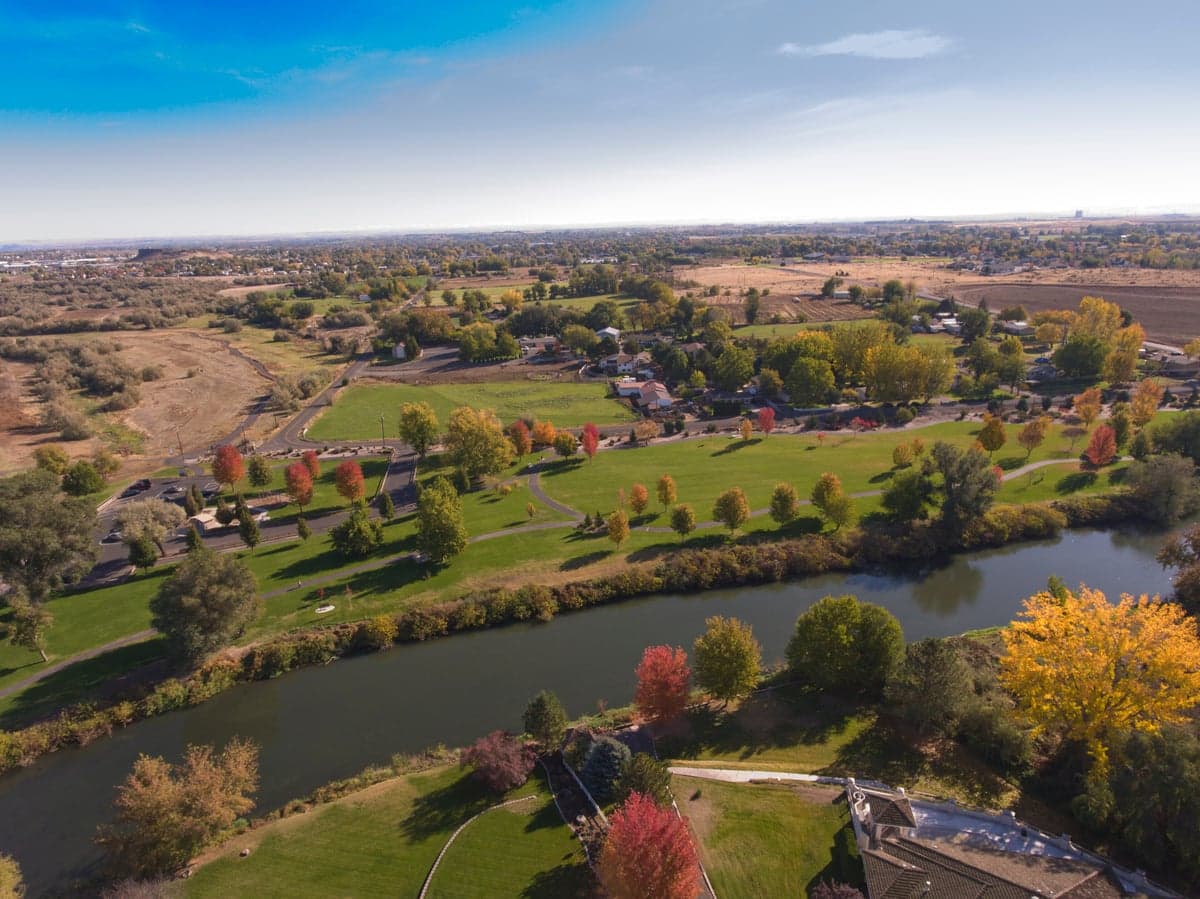
Hermiston is about as solidly Republican as you’ll find in Oregon, with a Cook PVI of R+14 that puts it in a different universe from the state’s overall D+8 lean. That’s not just a number on a map—it reflects a deep, lived-in culture where folks value personal responsibility, limited government, and the right to live without a bunch of bureaucratic red tape. You can feel it in the way people talk at the feed store or at a high school football game; there’s a real skepticism of Portland’s progressive agenda, and that’s been the case for as long as I can remember. The trajectory here is actually holding steady, maybe even hardening a bit, as more people from the Willamette Valley move east looking for affordable land and a quieter life, only to find they fit right in with the local mindset.
How it compares
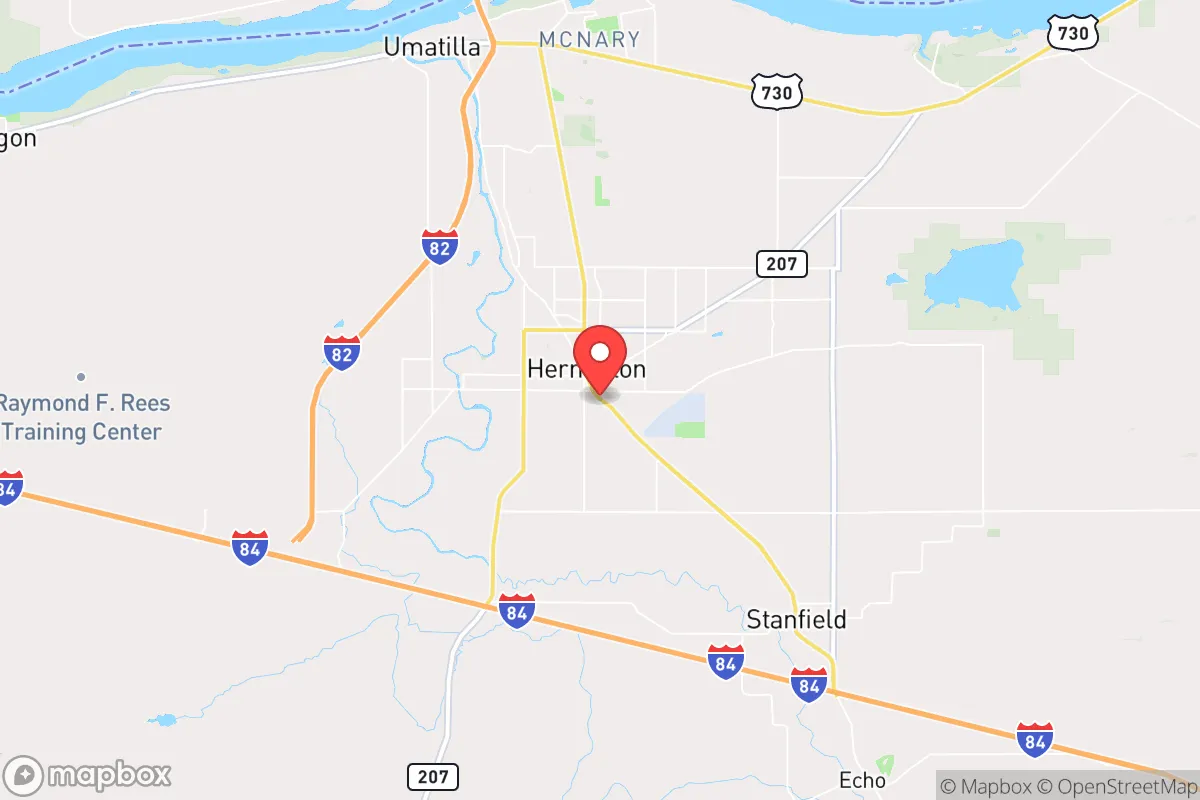
When you stack Hermiston against the rest of Oregon, the contrast is stark. The state as a whole has been trending left for decades—Portland, Eugene, and even Bend have shifted hard toward progressive policies on taxes, land use, and social issues. Hermiston, meanwhile, sits in Umatilla County, which has voted Republican in every presidential election since 2000, often by double digits. Drive 30 minutes west to Pendleton, and you’ll find a similar conservative vibe, but head an hour south to the Tri-Cities in Washington (Kennewick, Pasco, Richland) and you’re in another R+14 area that feels like an extension of the same values. The real contrast is with places like Portland, where the city council has pushed rent control, homeless camping legalization, and police defunding—ideas that would get laughed out of a Hermiston city council meeting. That’s not to say there aren’t a few progressive voices here; the local college and some newer transplants bring a different perspective, but they’re a small minority and haven’t shifted the needle much.
What this means for residents
For folks living here, the political climate translates into a government that mostly stays out of your way. Property taxes are relatively low compared to the rest of the state, and there’s no city income tax. The local school board and city council tend to focus on practical stuff—roads, water, public safety—rather than social engineering. You won’t see mask mandates or vaccine passports being pushed here like you did in Portland during the pandemic. That said, there’s a growing concern among long-time residents about state-level overreach. Salem has passed laws on land-use planning, gun control (like Measure 114, which required permits and background checks for magazine purchases), and energy mandates that feel like they were written for downtown Portland, not for a farming community that depends on irrigation and diesel trucks. If the state keeps pushing those policies, I think you’ll see more people either digging in or quietly making plans to move to Idaho or Washington’s conservative side.
Culturally, Hermiston is still a place where the Fourth of July parade is a big deal, the local rodeo draws a crowd, and most folks know their neighbors by name. There’s a strong agricultural backbone—potatoes, onions, wheat—that keeps people grounded in the realities of weather, markets, and hard work. The biggest policy distinction you’ll notice is on land use: unlike the rest of Oregon’s strict urban growth boundaries, Hermiston has been more willing to annex farmland for new housing and industrial development, which keeps costs lower and allows families to actually afford a home. That’s a direct result of local control, and it’s something residents are fiercely protective of. If the state tries to tighten those rules, you’ll hear about it at every coffee shop in town. For now, though, Hermiston remains a pocket of common sense in a state that’s lost its way, and that’s exactly how most people here want it to stay.

State Political ClimatePolitical Climate in Oregon
State Political AnalysisPolitical Environment in the State
Oregon has a Cook PVI of D+8, meaning it leans about eight points more Democratic than the national average, but that number hides a deeply fractured political landscape. The state’s dominant coalition is a progressive urban axis centered in the Portland metro area, which has driven a leftward shift over the past 20 years, while vast rural and exurban regions have swung hard in the opposite direction. If you’re considering a move here, understand that Oregon is not one state politically—it’s two states fighting for control, and the urban faction has been winning most of the battles.
Urban vs. rural divide
The political map of Oregon is a study in extremes. Multnomah County (Portland) alone casts about 20% of the state’s votes and delivers margins of 75-80% for Democrats—that’s the engine of the D+8 lean. Portland, along with its inner-ring suburbs like Beaverton and Gresham, is the progressive heartland, where policies like rent control, sanctuary city status, and defunding police initiatives have strong support. Meanwhile, the Willamette Valley cities of Eugene and Salem also lean blue, but with more moderate streaks—Eugene’s university influence pushes it left, while Salem’s state government workforce creates a more mixed environment.
Cross the Cascade Range and you enter a different world. Central and Eastern Oregon are deeply red, with counties like Crook, Grant, and Harney routinely voting 70-80% Republican. Bend (Deschutes County) is the most interesting battleground: it was reliably red 20 years ago, but an influx of California transplants and remote workers has turned it purple, with Deschutes County flipping to Biden in 2020 by a narrow margin. Medford and Ashland in the Rogue Valley show the same split—Ashland is a liberal arts college town, while Medford and surrounding Jackson County lean conservative. The rural-urban divide isn’t just about geography; it’s about culture, economics, and a growing sense of alienation among rural residents who feel the Portland metro dictates state policy.
Policy environment
Oregon’s policy environment is a mixed bag that leans heavily progressive on most fronts. The state has no sales tax, which sounds great, but income and property taxes are among the highest in the nation—the top marginal income tax rate hits 9.9%, and property taxes are capped by Measure 50 but still substantial. The regulatory posture is aggressive: Oregon has some of the strictest land-use laws in the country (Senate Bill 100), which limits housing supply and drives up costs, especially in the Willamette Valley. On education, the state spends above the national average per pupil, but outcomes are mediocre—Portland Public Schools have seen enrollment drops and controversy over curriculum transparency.
Healthcare is heavily regulated, with a state-run insurance exchange and Medicaid expansion under the Oregon Health Plan. Election laws are notably progressive: Oregon was the first state to implement all-mail voting (1998), and automatic voter registration is the norm. This system has high turnout but also raises concerns about ballot security—voter rolls have been criticized for including non-citizens due to DMV data errors, though the state has taken steps to clean them. For a conservative-leaning resident, the biggest red flags are the lack of parental rights protections in education (Oregon has no universal school choice program) and the state’s sanctuary law (HB 3264), which limits local law enforcement cooperation with federal immigration authorities.
Trajectory & freedom
Oregon is becoming less free by most measures of personal liberty, especially for those who value gun rights, parental control, and economic autonomy. The most glaring example is Measure 114, passed by voters in 2022, which requires a permit to purchase firearms, bans magazines over 10 rounds, and mandates a waiting period—though it’s currently blocked by court challenges. This followed a 2015 law (SB 941) that expanded background checks to private sales. On parental rights, Oregon has no law requiring schools to notify parents about curriculum involving sexual orientation or gender identity, and the state’s “Student Success Act” funnels money to equity initiatives that some parents view as ideological.
Medical autonomy took a hit with the legalization of assisted suicide (Death with Dignity Act, 1997) and the decriminalization of hard drugs via Measure 110 (2020), which was partially rolled back in 2024 due to public backlash over open drug use. Property rights are constrained by land-use laws that make it nearly impossible to build on rural land without extensive permitting. Tax freedom is eroding: in 2023, the legislature passed a corporate activity tax that has trickled down to consumers, and there’s constant pressure to raise the income tax on high earners. The trajectory is clear: more regulation, higher taxes, and less individual discretion in how you live your life.
Civil unrest & political movements
Oregon has a long history of civil unrest, and the past five years have been particularly volatile. Portland became a national flashpoint during the 2020 George Floyd protests, with months of nightly demonstrations, property destruction, and clashes between protesters and federal law enforcement. The city’s “defund the police” movement led to a $15 million cut from the police budget, though much of that was later restored. On the right, the “Patriot Prayer” and “Proud Boys” groups held counter-protests, leading to street brawls and a general sense of lawlessness that drove many families to the suburbs.
Immigration politics are tense: Oregon’s sanctuary law (HB 3264, 1987) prohibits state and local agencies from using resources to enforce federal immigration law, and Portland has gone further by limiting cooperation with ICE. This has created friction with rural counties, where some sheriffs have declared themselves “Second Amendment sanctuaries” in defiance of state gun laws. Election integrity remains a hot-button issue: the 2020 election saw Trump’s campaign challenge Oregon’s mail-in ballot system, and a 2022 audit found that 1,500 non-citizens were inadvertently registered to vote (though none were found to have voted). The state’s automatic voter registration system continues to draw scrutiny from conservative groups.
Projection
Over the next 5-10 years, Oregon will likely become more polarized and less competitive at the state level. Demographic trends favor the urban areas: Portland’s metro is growing slowly, but the influx of remote workers to Bend and the Willamette Valley is shifting more counties from red to purple. The rural population is aging and shrinking, which means the progressive coalition will likely maintain control of the legislature and governor’s office. However, there are counter-trends: the 2024 partial rollback of Measure 110 (drug decriminalization) shows that even progressive voters are tired of the social disorder, and a moderate backlash could slow the leftward march.
In-migration from California and Washington will continue to bring more left-leaning voters, but also some conservatives seeking lower taxes and more space. The biggest wildcard is housing: if the state doesn’t reform its land-use laws, the cost of living will push middle-class families out, potentially accelerating the rural exodus. Expect more ballot measures on taxes, gun rights, and parental notification as conservatives try to claw back ground. A new resident moving in now should plan for a state where urban policies dominate, but where rural and suburban resistance is organized and vocal.
For a conservative-leaning individual or family, Oregon offers stunning natural beauty and a relatively mild climate, but the political environment is increasingly hostile to traditional values. You’ll find like-minded communities in places like Medford, Redmond, or Pendleton, but you’ll also face state-level policies that limit your freedom on guns, taxes, and education. If you value personal autonomy and limited government, Oregon is a state you move to for the landscape, not the politics—and you’ll need to be prepared to fight for your rights at the ballot box and in the courts.
* Values derived from national, state, county, city and local statistics and may differ in a specific area. Last updated: 2026-05-29T16:32:23.000Z
Narrative content on this page is AI-generated and may contain mistakes. Verify any details that matter before acting on them.
ReloMaps may earn a commission from affiliate links at no extra cost to you.

