Photo: Wikipedia
Find The Best Places To Live in Multnomah County
PRO TIP! You can paste a Zillow or Redfin link to get info on that property.
Best Places to Live in Multnomah County
Cities & Towns in Multnomah County
Cities in Multnomah County
What It's Like Living in Multnomah County, OR
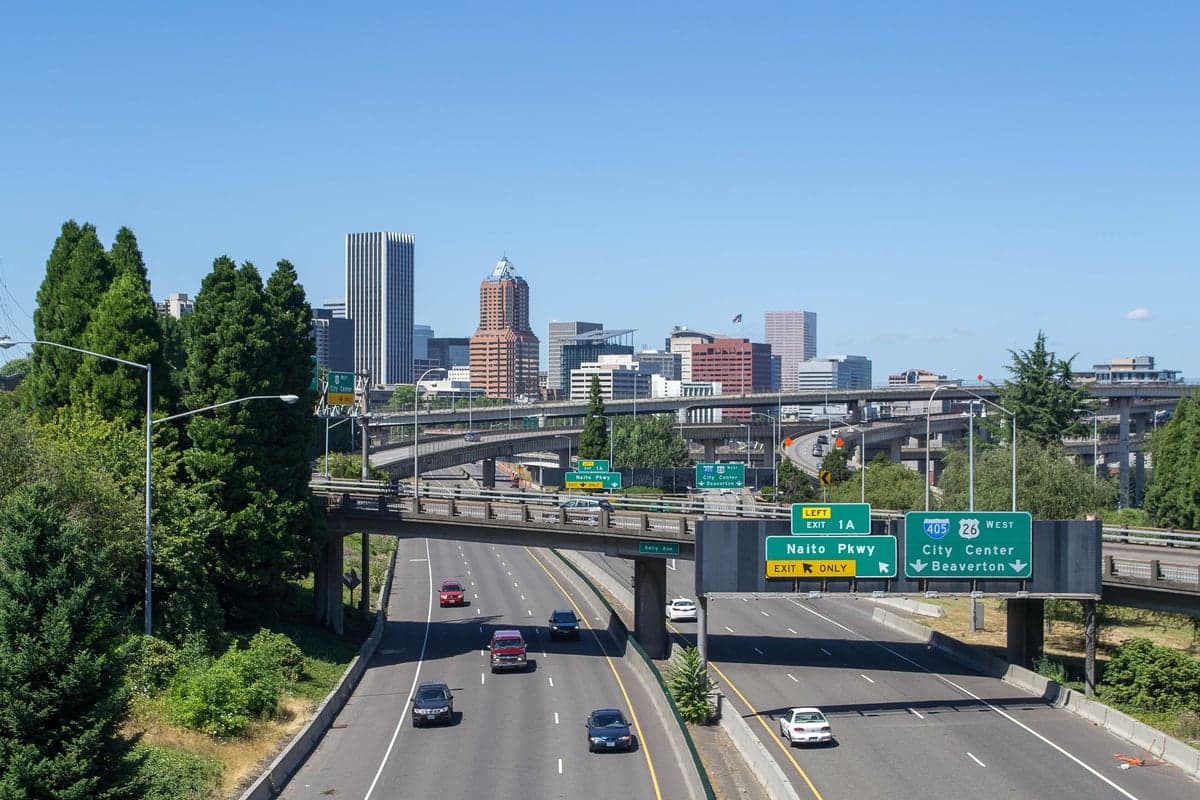
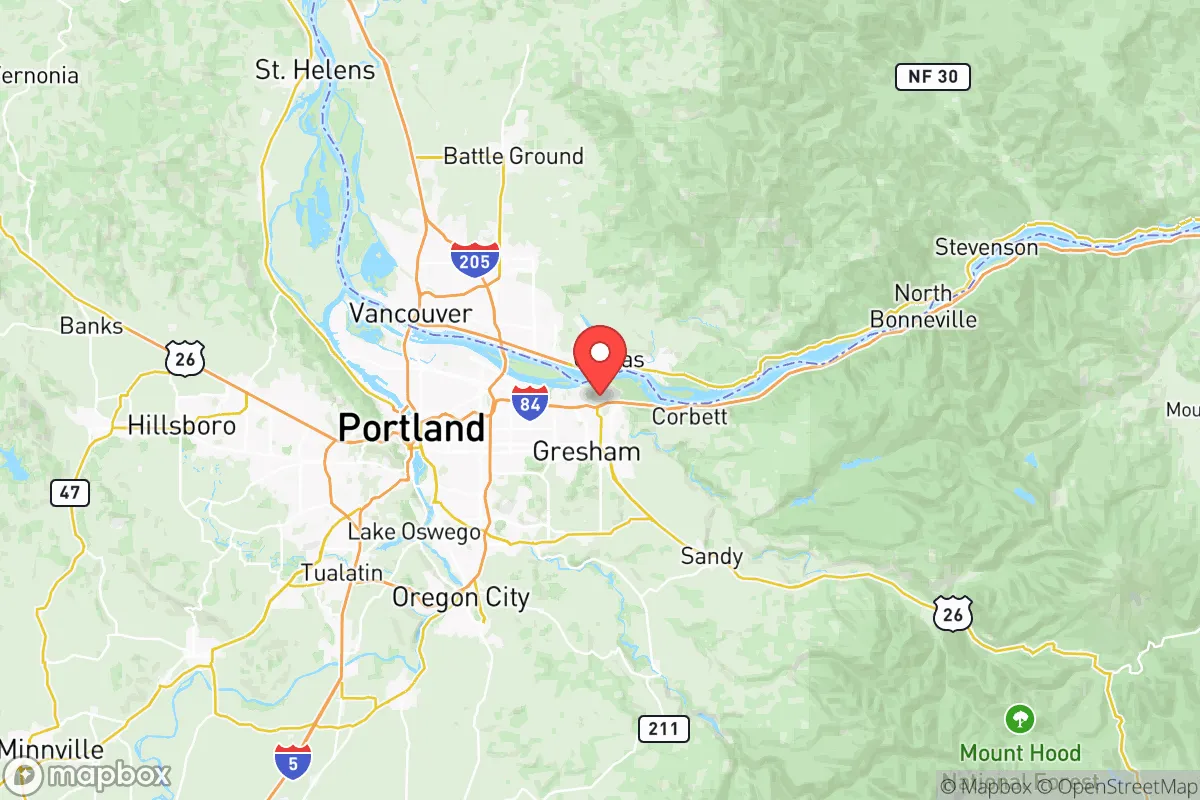
Multnomah County is the dense, urban core of the Portland metro area, a place where the national reputation for quirky liberalism meets the very real grind of high housing costs and traffic. It’s not all of Portland—the county stretches from the West Hills out to the Columbia River Gorge, taking in cities like Gresham, Troutdale, and Fairview, plus unincorporated pockets that feel a world away from downtown. For a conservative-leaning family or single person, the question isn’t whether you’ll fit the stereotype, but whether the trade-offs—high taxes, a challenging homeless crisis, and a dominant progressive culture—are worth the access to jobs, nature, and amenities.
The Daily Rhythm: Commutes, Cost, and Coffee Shops
Life here moves at a pace set by the weather and the commute. The average drive to work is about 25 minutes, but that number hides a lot of variation. Living in Gresham and commuting to downtown Portland can easily stretch to 40 minutes on a bad day, while someone in the West Hills might zip in under 15. The median household income sits at $86,247, which sounds solid until you factor in the cost of living index of 157—57% above the national average. That’s mostly housing: the median home value is $528,000, so a family earning the median income is stretched thin on a 30-year mortgage. Many residents, especially singles and younger couples, rent apartments in Portland proper or in the inner-ring suburbs of Milwaukie and Happy Valley (the latter technically in Clackamas County but a common bedroom community for Multnomah workers).
Weekends often revolve around the region’s food and drink scene. You’ll find people at a Saturday market in the Pearl District, grabbing a beer at a brewery in the Central Eastside, or hiking the trails at Forest Park—one of the largest urban forests in the U.S. The county’s median age is 38.5, and nearly half the population (48.6%) holds a college degree, so the social scene leans educated, outdoorsy, and food-obsessed. For families, school choice is a major factor; Portland Public Schools are large and diverse but face funding challenges, while smaller districts in Gresham-Barlow and Reynolds (in Fairview and Wood Village) offer more manageable class sizes and stronger community ties.
Sports, Community, and the Things That Bring People Together
Sports fandom here is passionate but not all-consuming. The Portland Timbers (MLS) and Portland Thorns (NWSL) draw huge, loud crowds to Providence Park, and the atmosphere is genuinely electric—Timbers matches are a civic ritual. The Portland Trail Blazers (NBA) have a loyal following, though the team’s recent rebuild has cooled some of the fervor. High school football doesn’t have the Texas-style Friday-night obsession, but it’s still a community anchor in places like Gresham, where the Gophers draw solid crowds, and in smaller towns like Troutdale, where Reynolds High School games are a social hub. College sports are less dominant here than in the Willamette Valley (Oregon and Oregon State are in Eugene and Corvallis, respectively), but you’ll see plenty of Ducks and Beavers gear around town.
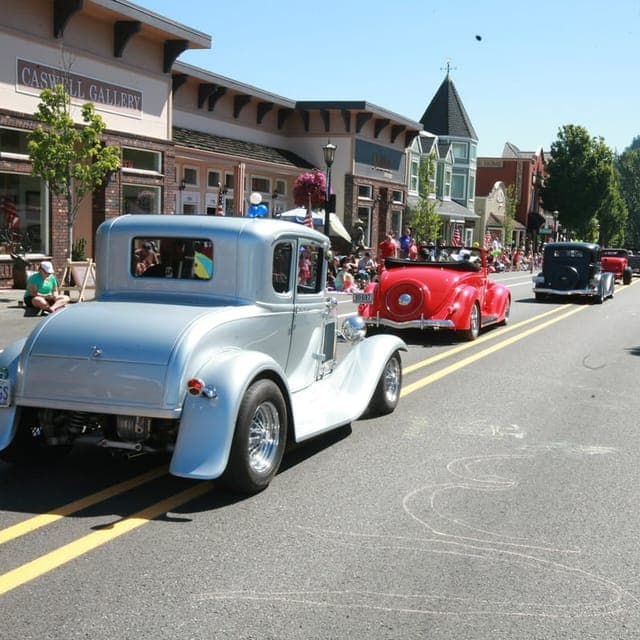
Festivals and outdoor events define the summer calendar. The Waterfront Blues Festival in downtown Portland draws thousands, the Oregon Brewers Festival is a pilgrimage for beer lovers, and the Mt. Hood Jazz Festival in Gresham brings live music to the east side. For families, the Oregon Zoo and the Portland Children’s Museum are perennial favorites, while adults gravitate to the food cart pods—dozens of them scattered across the county—for cheap, inventive eats. The Columbia River Gorge, just east of Troutdale, offers world-class hiking, windsurfing, and waterfall viewing, all within a 30-minute drive from downtown.
Pros and Cons of Living in Multnomah County
What longtime residents love:
- Access to nature. You can be at the coast in 90 minutes, on Mt. Hood in an hour, or hiking in Forest Park without leaving the city. The Gorge is a year-round playground.
- Food and drink culture. Portland’s restaurant and brewery scene is nationally recognized, and the county has everything from James Beard Award winners to humble taco trucks.
- Job market. Major employers like Nike (just across the river in Washington County), Intel, OHSU, and Providence Health & Services provide stable, well-paying jobs, especially in tech and healthcare.
- Progressive values. If you align with the area’s politics, you’ll find a community that prioritizes sustainability, public transit, and social services.
What frustrates residents:
- Cost of living. The 157 index is no joke. Rent and home prices have outpaced wage growth for years, and many families feel priced out of the city core.
- Homelessness and property crime. The visible homeless crisis in Portland is a daily reality, especially downtown and along major corridors. The violent crime rate is 309.1 per 100,000—higher than the national average, though concentrated in specific areas.
- Traffic and infrastructure. The 25-minute average commute masks bottlenecks on I-84, I-205, and the Banfield Freeway. Public transit (TriMet) is good for a U.S. city, but it doesn’t cover the entire county equally.
- Political monoculture. For conservative-leaning residents, the dominant progressive culture can feel isolating. While there are conservative pockets in Gresham and rural areas near Corbett, the county’s politics are overwhelmingly left-leaning, and that shapes everything from school curriculum to local ordinances.
The seasonal rhythm matters, too. Winters are gray and wet—expect months of drizzle—but summers are spectacular: dry, sunny, and mild, with long evenings that make up for the gloom. Spring and fall are short but beautiful. The county’s identity is tied to this climate; it’s a place where people invest in good rain gear, learn to love indoor hobbies, and celebrate the first sunny day in May like a holiday.

* Values derived from national, state, county, city and local statistics and may differ in a specific area. Last updated: 2026-06-12T09:29:35.000Z
Narrative content on this page is AI-generated and may contain mistakes. Verify any details that matter before acting on them.
ReloMaps may earn a commission from affiliate links at no extra cost to you.

