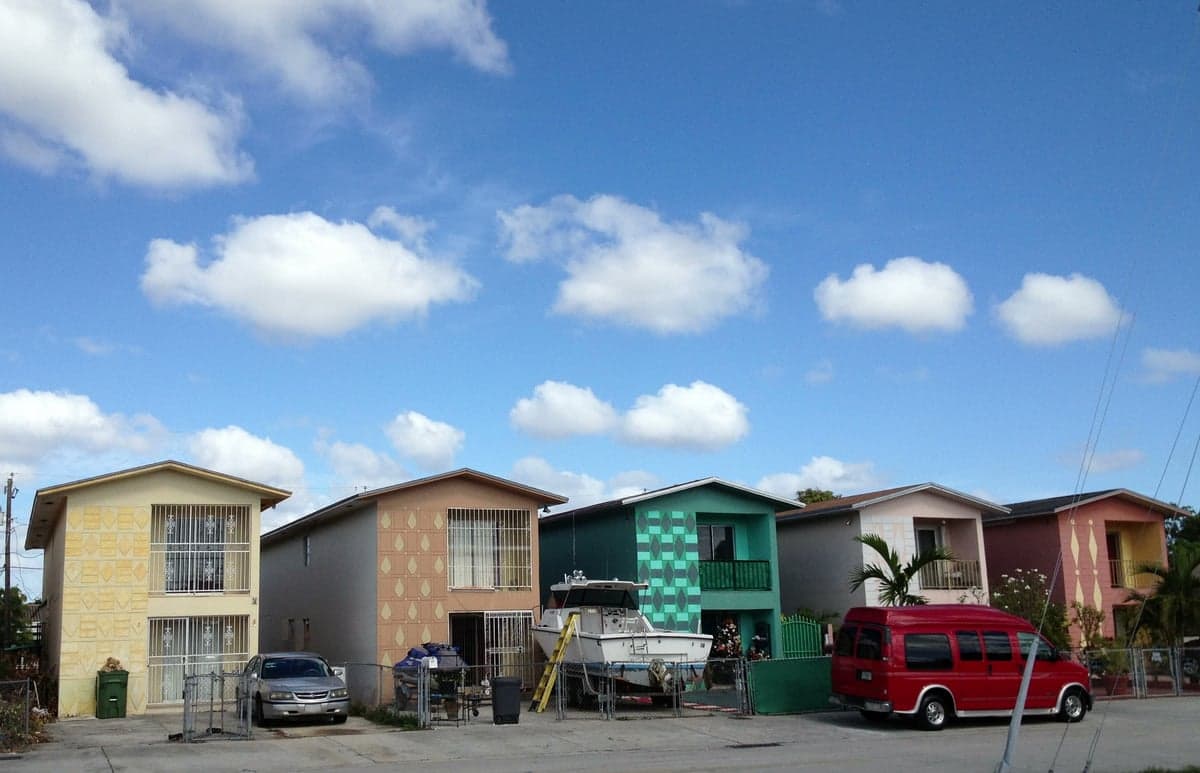
Photo: Wikipedia
Quality of Life in Hialeah, FL
Above-average quality of iife. The area offers a reasonable cost of living, decent mobility, and a mix of neighborhood amenities.
What does Quality of Life tell us?
Quality of Life blends cost of living, nearby amenities, socioeconomic signals, and neighborhood character. City-level scores represent the whole municipality; individual neighborhoods can differ.
What does this tell us?
Quality of Life blends cost of living, nearby amenities, socioeconomic signals, and neighborhood character. City-level scores represent the whole municipality; individual neighborhoods can differ.
Cost of Living
31% above national average
The Real Cost of Living in Hialeah, FL for 2026
| Tier | Individual | Family (4) |
|---|---|---|
| Survival | $24k | $45k |
| Comfortable | $67k | $98k |
| Luxury | $96k+ | $149k+ |
| Elite (Top 5%) | $115k+ | $178k+ |
54%
The Area Signal
A metric tracking the socioeconomic signals of the area.
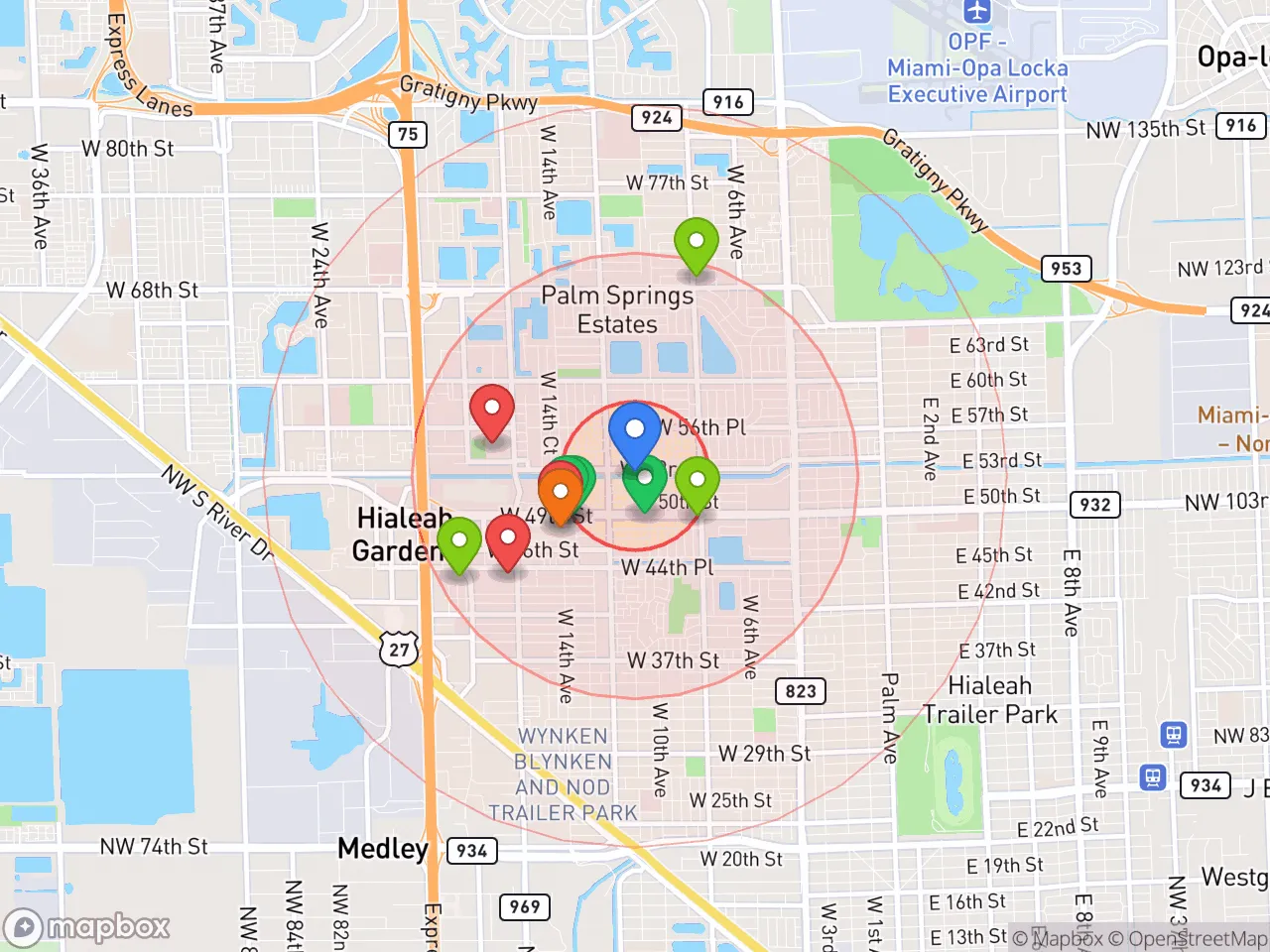
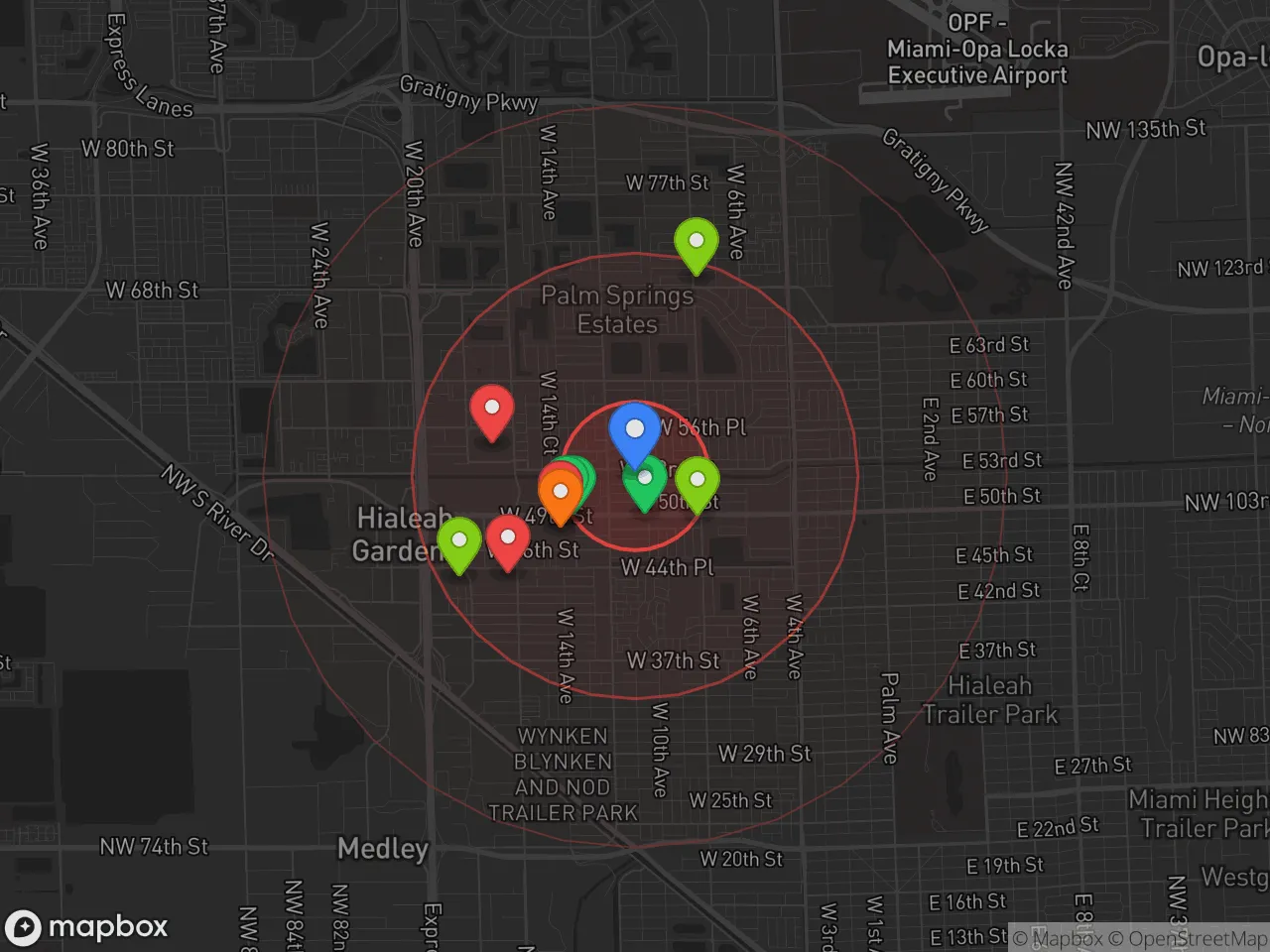
Hobbies
Explore the areaGroceries
6 within 10 miles
Gas
20 within 10 miles
Hospital
20 within 20 miles
Airport
MIA — Miami International
Post Office
USPS — Hialeah, FL
Critical Amenities
Quality-of-Life Analysis
Hialeah presents a unique quality-of-life profile shaped by its status as a densely populated, predominantly working- and middle-class city within the Miami metropolitan area. With a cost-of-living index of 131—31% above the national average—the city is not affluent by local standards but offers a more attainable entry point than pricier coastal neighbors like Coral Gables or Miami Beach. The population is overwhelmingly Hispanic (over 95%), creating a culturally cohesive environment where Spanish is the primary language and daily life revolves around family, small business, and community institutions.
How housing costs and affordability compare to nearby cities
Hialeah’s housing market sits in a middle ground between Miami’s high prices and more affordable inland suburbs. The median home value of $359,200 is roughly $100,000 less than the Miami metro median, while the median rent of $1,558 is about $300 below Miami’s average. However, these figures still represent a significant burden for local households, as median household income in Hialeah hovers around $40,000—well below the national median. The average commute of 28.8 minutes is typical for the region, with most residents driving to jobs in Miami, Doral, or the airport corridor via the Palmetto Expressway (SR 826) and Okeechobee Road (US 27). For renters, the market is tight: vacancy rates are low (around 4%), and many units are older, smaller apartments in multifamily buildings. Homebuyers face competition from cash investors, though prices remain lower than in Hialeah Gardens or Medley. Property taxes are moderate for Florida, with an effective rate near 1.1%, but homeowners insurance is high due to hurricane risk.
What daily life is like for families: schools, parks, and local amenities
Daily life in Hialeah is defined by its walkable commercial corridors—notably West 49th Street and Hialeah Drive—lined with Cuban bakeries, botánicas, and family-run hardware stores. The city’s park system includes Amelia Earhart Park (a 515-acre regional facility with a lake, bike trails, and a petting zoo) and the smaller Hialeah Park, which hosts a historic casino and horse racing. Public schools are operated by Miami-Dade County Public Schools; Hialeah-Miami Lakes Senior High and Barbara Goleman Senior High are the main high schools, both with graduation rates around 85%—slightly below the state average. Private and charter options are plentiful, including the bilingual Dante B. Fascell Elementary and several Catholic schools. Healthcare access is solid: Hialeah Hospital and Palmetto General Hospital are within city limits, and Jackson Memorial Hospital is a 20-minute drive. The city lacks a major downtown or nightlife district; entertainment leans toward family gatherings, domino games at local parks, and weekend trips to Miami Beach or the Everglades. Traffic congestion is a daily frustration, especially on the Palmetto and Okeechobee Road, but the city’s grid layout makes short errands manageable by car.
Hialeah is best suited for Spanish-speaking families and individuals who prioritize cultural familiarity, affordable housing relative to Miami, and proximity to regional job centers over walkability, nightlife, or top-tier schools. Retirees on fixed incomes may find the cost-of-living index challenging, while young professionals without cars will struggle with the car-dependent layout. For those who value a tight-knit, Cuban-American community and don’t mind a long commute, Hialeah offers a stable, lower-cost base within reach of South Florida’s economy and beaches.

Crime in Hialeah, FL
Lower crime rates than 75% of comparable U.S. locations.
Violent CrimeViolent Crime Analysis
Property CrimeProperty Crime Analysis
Crime Analysis
Hialeah, Florida, presents a mixed safety profile that demands careful consideration from potential residents. While the city’s violent crime rate of 171.7 incidents per 100,000 residents is notably lower than both the Florida state average and national figures, its property crime rate of 1,367.4 per 100,000 exceeds national benchmarks, creating a nuanced risk environment. The overall safety picture is further complicated by the broader Miami-Dade County judicial and prosecutorial environment, which leans progressive and has been criticized for policies that prioritize offender rehabilitation over public safety, potentially contributing to recidivism and a sense of impunity among property criminals.
Crime in context
Hialeah’s violent crime rate sits well below the national average of roughly 380 per 100,000, making it one of the safer large cities in South Florida for violent offenses. However, the property crime rate is approximately 20% higher than the national average, driven largely by theft and vehicle break-ins. When compared to nearby Miami, Hialeah’s violent crime rate is about half, but its property crime rate is comparable. The city’s location within a large, progressive-leaning metro area means that local prosecutors and judges often apply alternative sentencing and diversion programs, which can result in repeat property offenders cycling through the system without meaningful incarceration. This judicial philosophy, while well-intentioned, directly correlates with higher property crime rates as offenders face minimal consequences for non-violent thefts.
What residents experience
Daily life in Hialeah involves a constant low-level vigilance against property crime. Residents commonly report package thefts, car burglaries, and occasional home break-ins, particularly in neighborhoods with easy highway access. Violent crime is less frequent but tends to be concentrated in specific areas, often tied to domestic disputes or gang activity. The progressive district attorney’s office in Miami-Dade has implemented policies that reduce cash bail for many non-violent offenders and prioritize treatment over jail time, which critics argue has emboldened property criminals. For families, this means securing homes with alarm systems and avoiding leaving valuables in vehicles is essential. The city’s strong police presence in commercial corridors provides some deterrent effect, but the overall judicial environment creates a sense that property crime carries little risk of serious punishment.
Neighborhood-level variation is significant. Areas west of the Palmetto Expressway, such as Hialeah Gardens and the newer subdivisions near West 68th Street, generally report lower crime rates due to newer housing stock and more private security. In contrast, older neighborhoods east of the expressway, particularly around Hialeah-Miami Lakes Senior High and along Okeechobee Road, experience higher property crime and occasional violent incidents. The city’s proximity to major highways (I-75, I-95, and the Palmetto) makes it a convenient target for transient criminals. Prospective residents should research specific block-level crime maps and consider that the progressive judicial climate in Miami-Dade County means even low-crime neighborhoods are not immune to the broader systemic issues that allow property crime to persist at elevated levels.
* Values derived from national, state, county, city and local statistics and may differ in a specific area. Last updated: 2026-04-24T03:53:53.000Z
Narrative content on this page is AI-generated and may contain mistakes. Verify any details that matter before acting on them.
ReloMaps may earn a commission from affiliate links at no extra cost to you.

