Photo: Wikipedia
Find The Best Places To Live
in Miami Beach
PRO TIP! You can paste a Zillow or Redfin link to get info on that property.
What It's Like Living in Miami Beach, FL
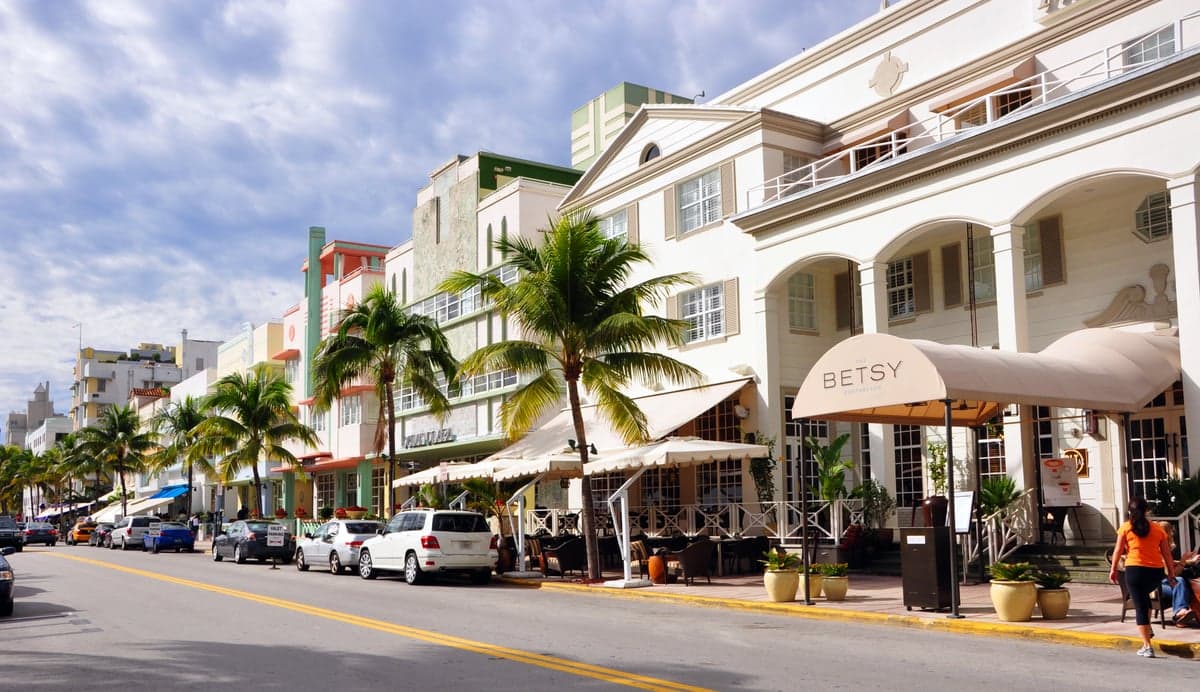
Miami Beach is less a typical American city and more a densely packed island experiment in coastal living, where Art Deco pastels, salt air, and a relentless hum of tourism create a rhythm unlike anywhere else in Florida. With a year-round population hovering around 81,000, it feels simultaneously like a small town and a global stage, depending on whether you’re dodging spring break crowds on Ocean Drive or grabbing coffee at a quiet Collins Avenue café. Living here means accepting that your home doubles as a backdrop for millions of visitors annually, and that the line between vacation and reality is permanently blurred.
The Daily Rhythm: Island Pace Meets City Commute
Daily life in Miami Beach revolves around water and weather. Mornings often start with a run or bike ride along the 7-mile beachfront path, followed by a stop at a local spot like Pura Vida or La Sandwicherie for a fresh, health-conscious meal. The median age of 42.4 skews older than the mainland, and you’ll see a mix of retirees walking small dogs, remote workers camped at laptop-friendly cafes, and families heading to school drop-off. Grocery shopping means a trip to Publix on Alton Road or the smaller Whole Foods on Lincoln Road—both perpetually busy, especially during snowbird season (November through April).
The average commute of about 27 minutes sounds manageable until you factor in the bridges. Getting on or off the island via the MacArthur or Julia Tuttle Causeways can add 15–20 minutes during rush hour, and a single boat opening can snarl traffic for blocks. Many residents learn to schedule errands around the tide tables. The cost of living index sits at 166—well above the national average—driven largely by housing. The median home value of $542,000 feels almost reasonable for a coastal city, but that figure masks a split market: older, smaller Art Deco condos in South Beach trade for less, while newer towers in Mid-Beach and Surfside push well past $1 million. Rentals for a one-bedroom often start around $2,200.
Who Fits Here: Affluence, Stage of Life, and the Work-Play Balance
Miami Beach attracts a specific kind of resident: people who prioritize lifestyle over square footage, and who can absorb the premium for beachfront living. The median household income of $67,014 is modest for the area, suggesting many households are either dual-income with no kids, or older empty-nesters who bought in decades ago. Over 51% of residents hold a college degree, and you’ll find a heavy concentration of professionals in real estate, hospitality, healthcare, and remote tech work. Families do live here—especially in the quieter North Beach neighborhoods—but the public school system is a mixed bag. South Pointe Elementary and Nautilus Middle School have solid reputations, but many parents opt for private schools like Rabbi Alexander S. Gross Hebrew Academy or St. Patrick Catholic School, which adds a significant cost to family life.
Single professionals in their 30s and 40s often thrive here, drawn by the social scene and walkability. Weekends might include a sunset sail from the Miami Beach Marina, a Saturday morning at the Lincoln Road Farmers Market, or dinner at Joe’s Stone Crab (a local institution since 1913). The vibe is less about settling down and more about experiencing—which is exactly why some families eventually move inland to Coral Gables or Pinecrest for more yard space and better school districts.
What’s There to Do: From Art Basel to Sunday Pickleball
Entertainment in Miami Beach is year-round and world-class, but locals learn to navigate the seasonal crowds. The biggest cultural event is Art Basel Miami Beach each December, which transforms the convention center and surrounding hotels into a global art fair that spills into every corner of the city. Music venues like The Fillmore Miami Beach and Miami Beach Bandshell host everything from indie rock to symphony performances. For sports, the city itself has no major pro team—those are across the bay in Miami proper—but Miami Beach Senior High School football games draw real community energy, and the Miami Beach Bowl (a college football event) occasionally lands here. Pickleball has exploded at Flamingo Park, where courts are packed from sunrise to sunset.
Outdoor life is the main draw. South Pointe Park offers a grassy lawn with views of cruise ships leaving port, while Lummus Park on Ocean Drive is the epicenter of people-watching. The Venetian Islands provide a quiet escape for kayaking or paddleboarding. A lesser-known quirk: the city’s Ocean Lawn on Collins Avenue is technically a public park, but it’s often roped off for private events, a source of quiet frustration for locals who feel the city prioritizes tourism over resident access.
Pros and Cons of Island Living
- Pro: Unmatched walkability. You can live without a car if you stay between 5th and 15th Streets, with groceries, gyms, and nightlife all within a 15-minute walk.
- Con: Seasonal chaos. Spring break, Memorial Day, and New Year’s Eve turn the city into a zoo. Noise ordinances are poorly enforced, and parking becomes a blood sport.
- Pro: Weather that’s genuinely enviable. Even summer’s humidity is tempered by ocean breezes. You’ll use your air conditioner maybe eight months a year, but you’ll also swim in December.
- Con: Flooding and hurricanes. “Sunny day flooding” during king tides is a real nuisance, especially in South Beach. Hurricane season (June–November) means annual evacuation drills and anxiety over storm surge.
- Pro: A built-in social scene. You’ll never lack for a new restaurant, gallery opening, or beachside yoga class. Loneliness is hard to sustain here.
- Con: Transient neighbors. Many residents are seasonal or short-term renters. Building lasting friendships can feel like trying to hold sand in your hand.
The violent crime rate of 166.8 per 100,000 is higher than the national average but heavily concentrated in tourist corridors and late-night areas. Most residents feel safe in their neighborhoods, especially north of 23rd Street, but car break-ins and package thefts are common complaints. The police presence is visible, particularly during peak tourist months.
Ultimately, living in Miami Beach is a trade-off: you trade space, quiet, and predictability for beauty, energy, and a front-row seat to one of America’s most distinctive urban experiments. It’s not for everyone, but for the people it fits, there’s nowhere else quite like it.

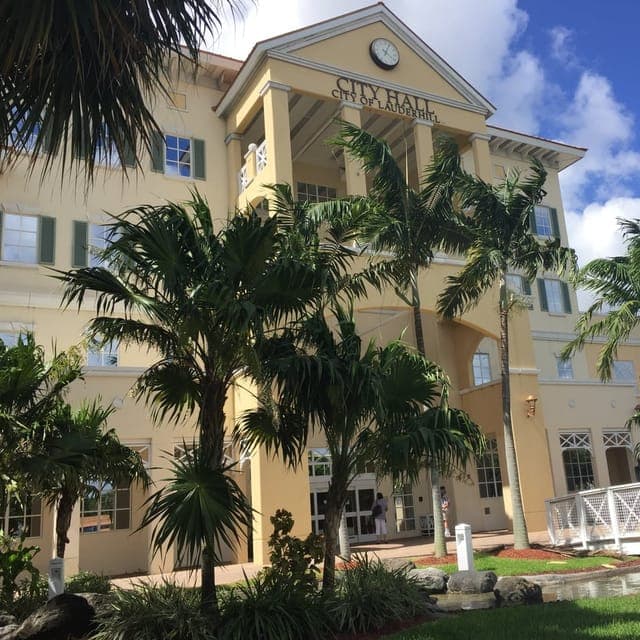
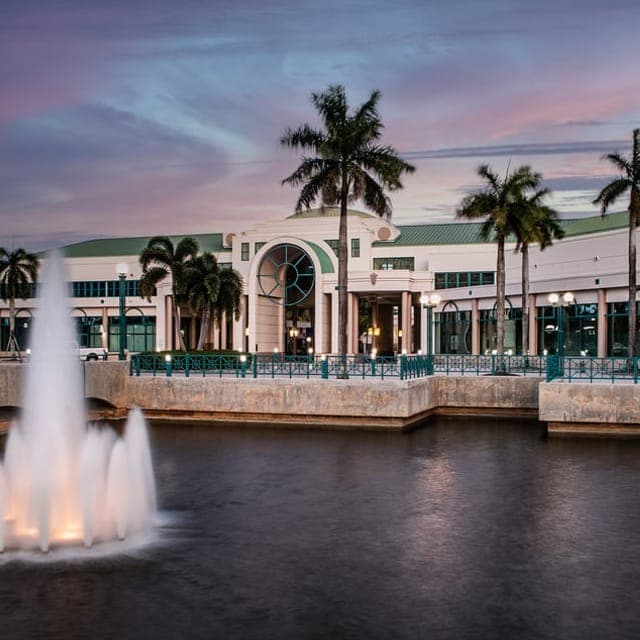
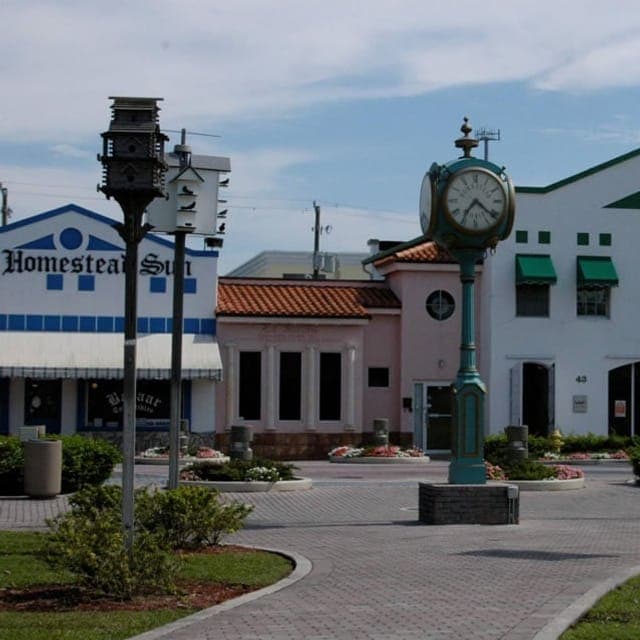
Similar small cities to Miami Beach
* Values derived from national, state, county, city and local statistics and may differ in a specific area. Last updated: 2026-04-15T23:47:15.000Z
Narrative content on this page is AI-generated and may contain mistakes. Verify any details that matter before acting on them.
ReloMaps may earn a commission from affiliate links at no extra cost to you.

