Photo: Wikipedia
Find The Best Places To Live
in Hialeah
PRO TIP! You can paste a Zillow or Redfin link to get info on that property.
What It's Like Living in Hialeah, FL
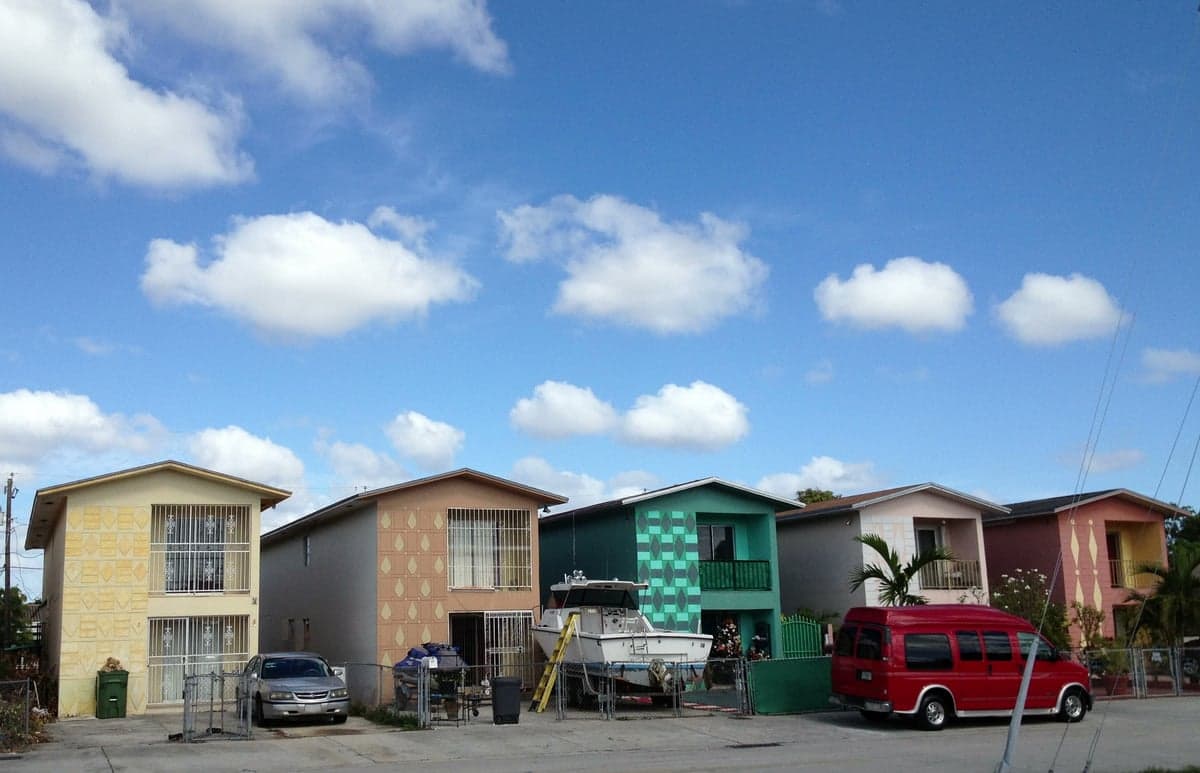
Hialeah is a city that feels like its own country, a dense, fast-talking, Cuban-American stronghold where the rhythm of daily life is set by cafecito, family, and a fierce sense of local pride. If you’re moving here, you’re not just changing your address — you’re plugging into a community that moves at a different pace than the rest of Miami-Dade, one where Spanish is the default language on the street and the local high school football game can feel like a playoff atmosphere even in September.
The Daily Rhythm: Cafecito, Traffic, and the 45-Minute Commute
Life in Hialeah starts early and runs on caffeine. By 7 a.m., the ventanitas (walk-up windows) at spots like La Carreta or Vicky Bakery are already three people deep with orders for cortaditos and pastelitos de guayaba. The median age here is 45.9, which means you’ll see more retirees sipping espresso on benches than young tech workers on laptops. The average commute clocks in at just under 29 minutes, but that number can feel optimistic — the Palmetto Expressway (SR-826) and Okeechobee Road (US-27) are parking lots during rush hour, and locals know to avoid the 27th Avenue corridor between 4 and 6 p.m. unless they’ve got a good podcast queued up.
Weekends are for family. Amelia Earhart Park is the go-to for soccer games, birthday parties, and weekend barbecues, while Miami Lakes (just north) draws Hialeah residents for its walking trails and dog parks. Shopping means Westland Mall for the big-box stores or the Hialeah Flea Market on East 8th Avenue, where you can haggle for everything from knockoff handbags to fresh mangoes. The cost of living index sits at 131 (31% above the national average), which stings most at the grocery store and the gas pump — but housing is still a relative bargain compared to Miami proper, with a median home value of $359,200.
Sports, Community, and the High School Loyalty
Hialeah doesn’t have a major pro sports team, but you wouldn’t know it from the passion. Hialeah High School and Miami Springs High School football games are genuine community events, drawing crowds of 2,000+ on Friday nights. The Hialeah Thoroughbreds (the local high school) have a rivalry with Miami High that dates back decades, and if you’re new in town, picking a side is a quick way to make friends — or enemies. For pro sports, residents are die-hard Miami Dolphins fans (Hard Rock Stadium is a 20-minute drive north) and Miami Heat loyalists, but the real local obsession is boxing and baseball. You’ll find pickup games of pelota (Cuban baseball) at Milander Park on weekends, and the Hialeah Park Racing & Casino still draws a crowd for its historic horse racing track, though the casino now gets more foot traffic than the ponies.
The city’s identity is deeply tied to its Cuban heritage. The Hialeah Festival of the Arts and the annual Three Kings Day Parade (January 6) are the biggest cultural events, drawing tens of thousands to the streets around Palm Avenue. You’ll also hear salsa and reggaeton blasting from cars and open windows year-round — this is not a quiet, suburban place. It’s loud, proud, and unapologetically working-class.
What’s There to Do: Parks, Plazas, and Late-Night Eats
Entertainment in Hialeah is less about nightclubs and more about family-owned restaurants and outdoor plazas. Molina’s Ranch Restaurant on West 12th Avenue serves up massive portions of Cuban-Chinese fusion (yes, that’s a thing here) and is packed on weekends. For a more traditional Cuban dinner, El Palacio de los Jugos is a local institution — think cafeteria-style lines, fresh-squeezed juices, and roast pork that’ll ruin you for any other version. Bars are sparse compared to Miami Beach, but El Mago de las Fritas is a legendary spot for a frita cubana (a spiced burger on a Cuban roll) and a beer after work.
Outdoor life revolves around Hialeah’s 30+ parks. Goodlet Park has tennis courts and a walking path, while Hialeah Park (the historic one) offers a lake, playgrounds, and the occasional outdoor concert. The Everglades are a 30-minute drive west, and many residents head there on weekends for airboat tours or fishing. The weather is tropical — expect 90°F+ summers with daily thunderstorms from June through September, and a mild, perfect winter from December through February. Hurricane season (June 1–November 30) is a real concern; most homes have shutters, and the city’s drainage system gets tested every few years.
Pros and Cons of Living Here
- Pro: Strong community bonds. You’ll know your neighbors, your local baker will know your order, and the sense of mutual support is real. The violent crime rate is 171.7 per 100,000 — lower than Miami’s (which hovers around 600) but still something to be aware of, especially in certain blocks near the Palmetto.
- Con: Limited economic mobility. The median household income is $53,079, and only 21.2% of adults hold a college degree. Job options are concentrated in retail, healthcare, and light manufacturing — Hialeah Hospital and the Miami-Dade County school system are the largest employers. If you work in tech or finance, you’re likely commuting to Brickell or Coral Gables.
- Pro: Affordable housing (for Miami). A $359,200 median home value gets you a three-bedroom house with a yard in a walkable neighborhood — try finding that in Kendall or Pinecrest for under $600K.
- Con: Traffic and parking. Strip malls dominate the landscape, and parking lots are often cramped. The city’s grid layout means you’ll hit a red light every quarter-mile on major arteries like 49th Street or 8th Avenue.
- Pro: Authentic culture. This is one of the few places in South Florida where you can still hear Spanish spoken in every store, eat a medianoche sandwich that tastes like it was made in Havana, and feel like you’re part of something older than the latest condo tower.
Hialeah isn’t for everyone. If you want quiet, manicured lawns, and a 10-minute commute, look west to Pembroke Pines or north to Miramar. But if you want a place where your kids can grow up surrounded by extended family, where the local bakery knows your name, and where the biggest debate on Sunday is whether the Dolphins will ever win a playoff game — it might be exactly right.

Similar small cities to Hialeah

* Values derived from national, state, county, city and local statistics and may differ in a specific area. Last updated: 2026-04-24T03:53:53.000Z
Narrative content on this page is AI-generated and may contain mistakes. Verify any details that matter before acting on them.
ReloMaps may earn a commission from affiliate links at no extra cost to you.

