Photo: Wikipedia
Quality of Life in Highland, MI
Above-average quality of iife. The area offers a reasonable cost of living, decent mobility, and a mix of neighborhood amenities.
What does Quality of Life tell us?
Quality of Life blends cost of living, nearby amenities, socioeconomic signals, and neighborhood character. City-level scores represent the whole municipality; individual neighborhoods can differ.
What does this tell us?
Quality of Life blends cost of living, nearby amenities, socioeconomic signals, and neighborhood character. City-level scores represent the whole municipality; individual neighborhoods can differ.
Cost of Living
54% below national average
The Real Cost of Living in Highland, MI for 2026
| Tier | Individual | Family (4) |
|---|---|---|
| Survival | $11k | $21k |
| Comfortable | $20k | $29k |
| Luxury | $50k+ | $77k+ |
| Elite (Top 5%) | $108k+ | $168k+ |
95%
The Area Signal
A metric tracking the socioeconomic signals of the area.
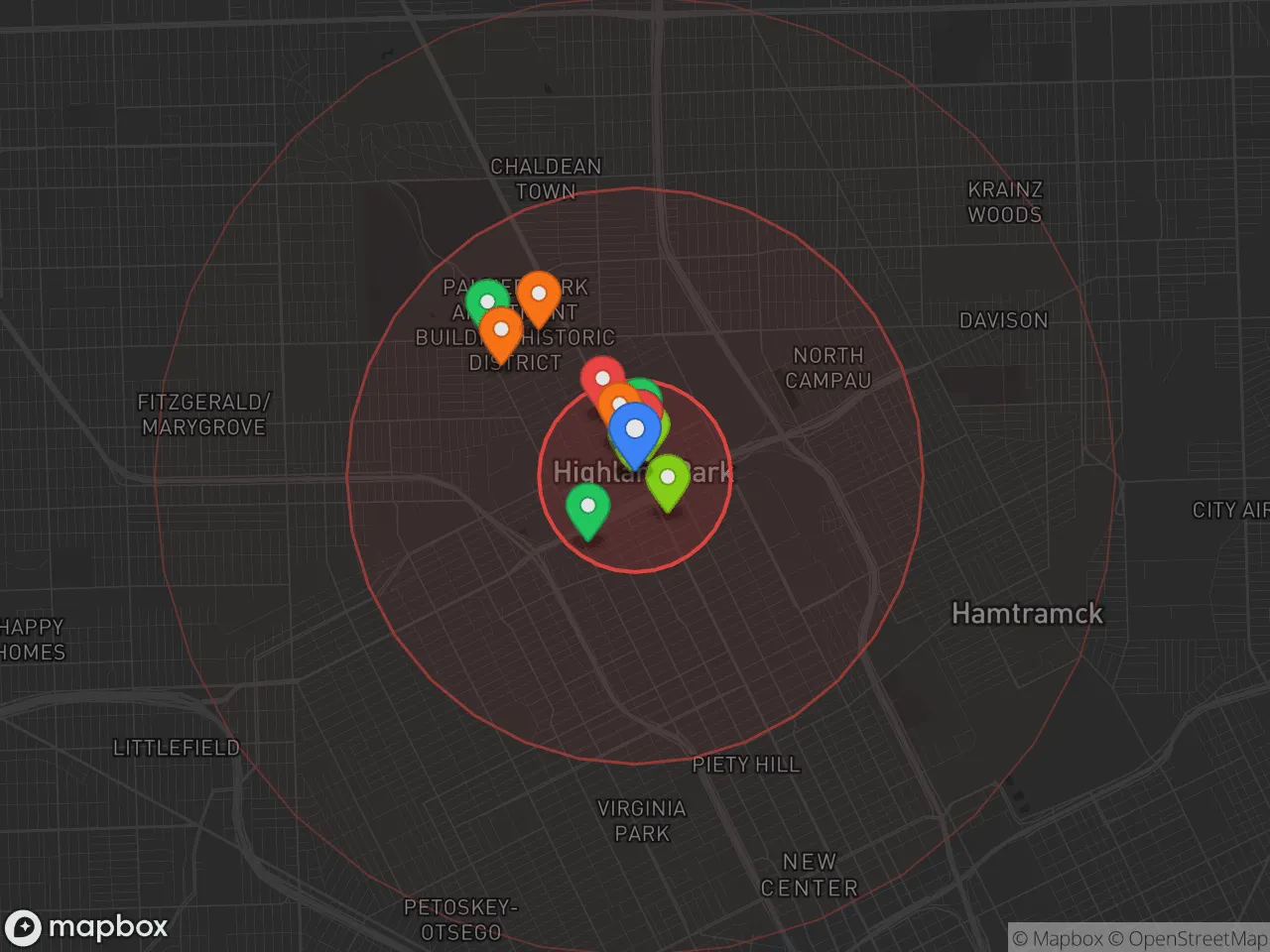
Hobbies
Explore the areaGroceries
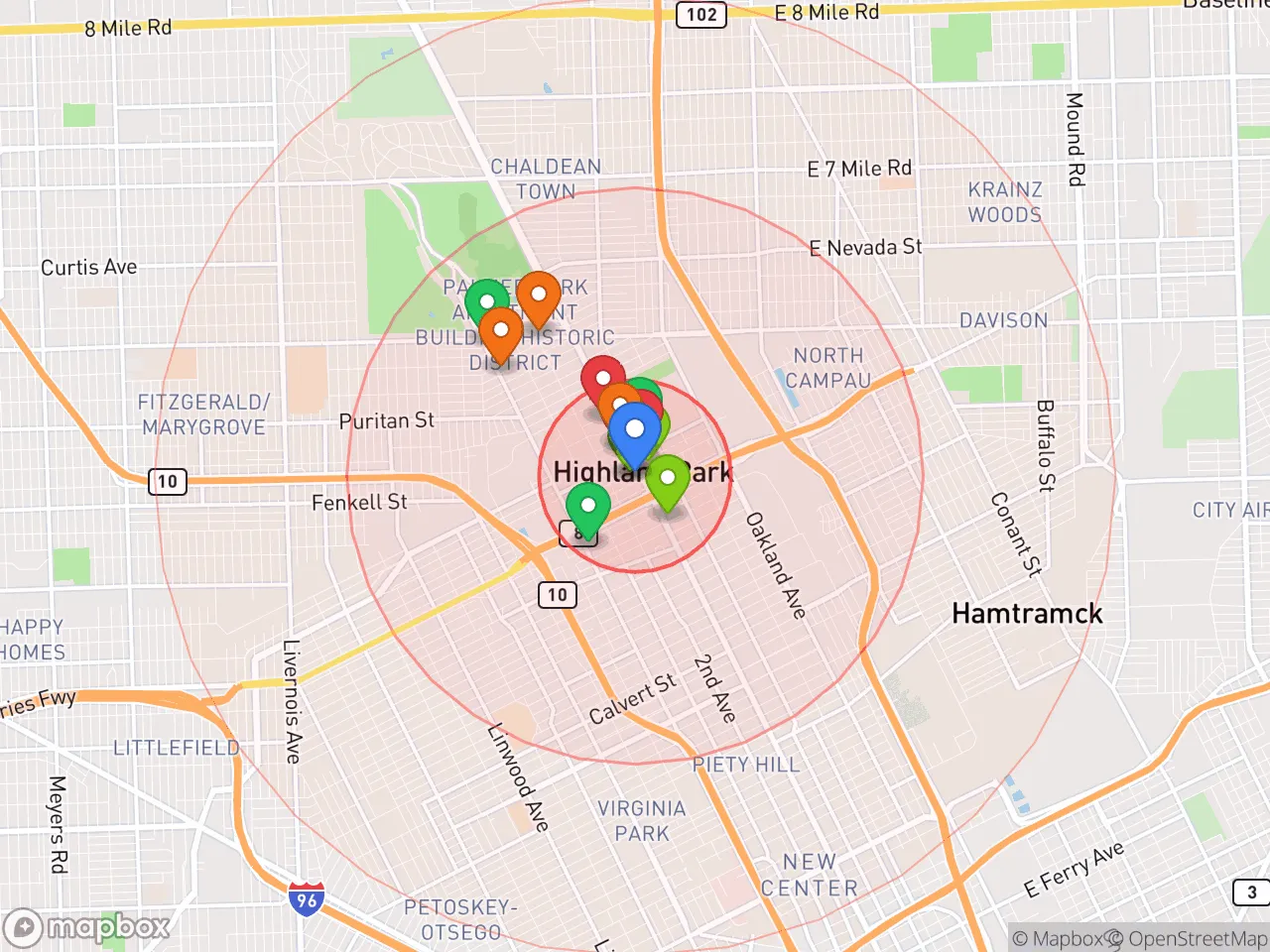
6 within 10 miles
Gas
20 within 10 miles
Hospital
20 within 20 miles
Airport
DTW — Detroit Metropolitan Wayne County
Post Office
USPS — Highland Park, MI
Critical Amenities
Quality-of-Life Analysis
Highland, Michigan, presents a distinct quality-of-life profile defined by its notably low cost of living and a predominantly residential, family-oriented character. With a cost of living index of 46—well below the national average of 100—the area attracts residents seeking affordability without complete isolation from urban employment centers. The population is largely composed of long-term homeowners, tradespeople, and commuters who value space and a slower pace over the amenities of a dense city.
How housing costs and affordability compare to nearby areas
Highland’s housing market is among the most affordable in Oakland County, a stark contrast to the county’s overall affluence. The median home value sits at $75,800, a figure that is dramatically lower than the county median of roughly $300,000 and even undercuts many neighboring communities like Milford or White Lake. Median rent is similarly low at $691, making the area accessible for first-time buyers and renters priced out of more expensive suburbs. However, this affordability reflects a trade-off: the housing stock is older, with many homes built before 1970, and inventory can be limited. For context, a comparable home in nearby Brighton or Hartland would typically cost two to three times more, positioning Highland as a value-driven choice for those willing to accept a longer commute or a fixer-upper property.
What daily life is like for families and commuters
Daily life in Highland revolves around its local schools, parks, and the convenience of nearby state recreation areas. The average commute time of 23.96 minutes is manageable, with most residents driving to employment hubs in Pontiac, Auburn Hills, or even northern Detroit suburbs via M-59 or I-75. The community is served by the Huron Valley Schools district, which includes Highland Elementary and Milford High School, both rated above average by state metrics. For recreation, the Highland State Recreation Area offers over 5,900 acres of hiking, fishing, and camping, while the township’s own parks provide soccer fields and playgrounds. Dining and shopping are limited to a few local strip malls and family-run restaurants; for major retail or entertainment, residents typically drive 15–20 minutes to Milford or Commerce Township. The overall rhythm is quiet and self-contained, with community events like the Highland Farmers Market and the annual Highland Festival providing seasonal gathering points.
Highland is best suited for budget-conscious families, tradespeople, and remote workers who prioritize square footage and land over urban convenience. The low cost of living and short commute relative to exurban peers make it a practical choice for those employed in Oakland County’s manufacturing or tech sectors. Retirees on fixed incomes may also find the area appealing, though the limited healthcare facilities and lack of a downtown core could be drawbacks. For anyone seeking a safe, affordable base with access to outdoor recreation and a straightforward daily routine, Highland delivers a solid, no-frills quality of life.

Crime in Highland, MI
Significantly higher crime rates than 95% of comparable U.S. locations.
Violent CrimeViolent Crime Analysis
Property CrimeProperty Crime Analysis
Crime Analysis
Highland, Michigan, presents a crime picture that warrants serious consideration for potential residents, particularly given its location within the Detroit-Warren-Dearborn metropolitan statistical area. The village’s reported violent crime rate of 2,652.6 incidents per 100,000 residents and property crime rate of 4,481.6 per 100,000 place it well above national averages, a pattern often observed in communities near large, progressive urban centers where justice policies may prioritize offender rehabilitation over public safety.
Crime in context
To understand Highland’s safety landscape, it is essential to compare its rates to broader benchmarks. The national violent crime rate in 2023 was approximately 380 per 100,000, meaning Highland’s rate is nearly seven times higher. Similarly, the national property crime rate hovers around 1,950 per 100,000, making Highland’s figure more than double the U.S. average. These elevated numbers are consistent with trends seen in smaller communities adjacent to major metro areas like Detroit, where progressive prosecutorial policies—such as reduced bail requirements and diversion programs—have been linked to higher recidivism and increased street-level crime. For context, neighboring Oakland County as a whole reports a violent crime rate of roughly 200 per 100,000, underscoring that Highland’s challenges are locally concentrated rather than countywide.
What residents experience
For those living in Highland, the statistical risk translates into tangible daily concerns. Property crime—including burglary, larceny, and motor vehicle theft—is the most prevalent issue, with residents often reporting thefts from vehicles and break-ins at unoccupied homes. Violent crime, while less frequent, includes aggravated assault and robbery, which can create a heightened sense of vulnerability, especially after dark. The influence of the broader metro area’s justice system is a factor: progressive district attorneys in Wayne and Oakland counties have implemented policies that critics argue reduce accountability, such as declining to prosecute certain low-level offenses or releasing repeat offenders without cash bail. This environment can lead to a perception that criminals face few consequences, potentially emboldening property and violent offenders alike.
Neighborhood-level variation
Safety in Highland is not uniform. The village core and areas near M-59 and Milford Road tend to see more foot traffic and commercial activity, which can correlate with higher property crime. In contrast, quieter residential pockets—particularly those east of Duck Lake Road or near Highland State Recreation Area—often report fewer incidents, though they are not immune. Proximity to major thoroughfares like I-96 also influences risk, as easy access facilitates quick getaways for criminals. Prospective residents should research specific blocks and consult local police reports, as even a few streets can make a meaningful difference in daily safety. Overall, while Highland offers suburban amenities and natural beauty, its crime data and regional justice trends demand a cautious, informed approach from anyone considering relocation.
* Values derived from national, state, county, city and local statistics and may differ in a specific area. Last updated: 2026-10-20T18:16:34.000Z
Narrative content on this page is AI-generated and may contain mistakes. Verify any details that matter before acting on them.
ReloMaps may earn a commission from affiliate links at no extra cost to you.

