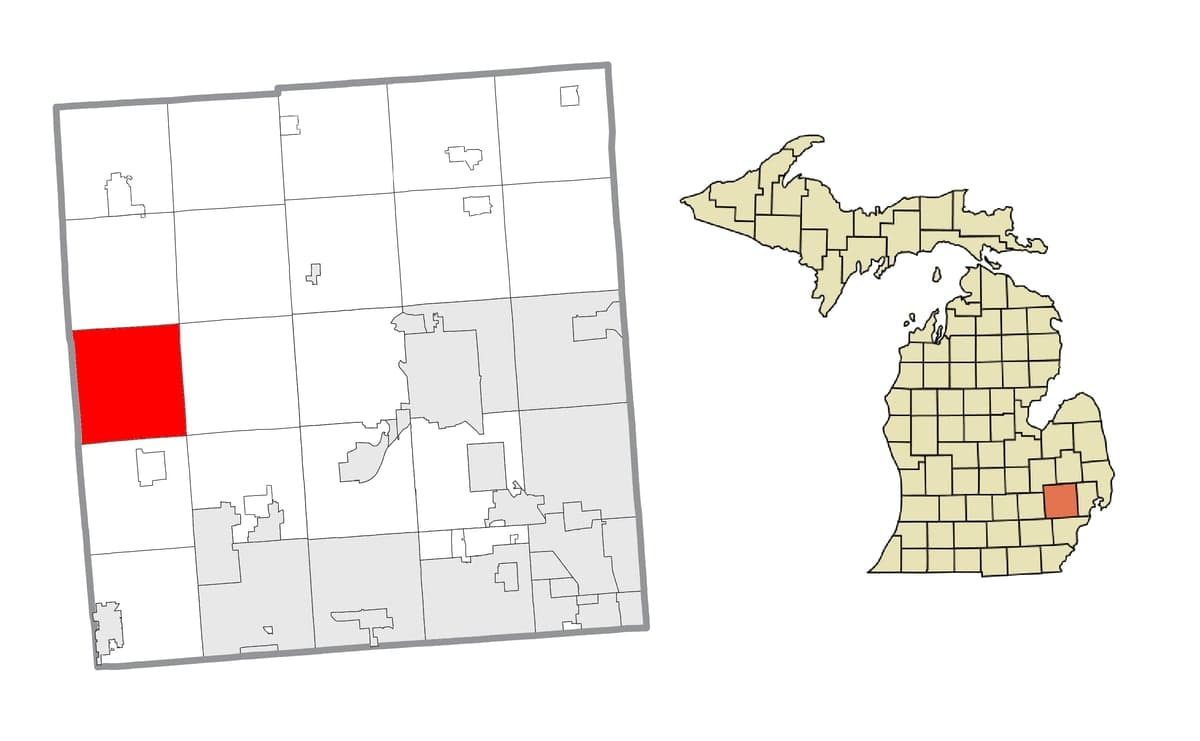
Photo: Wikipedia
Strategic Assessment of Highland, MI
Multiple tactical vulnerabilities. Population density, target proximity, or disaster risk are likely compounding. A retreat property and exit planning is required.
What does the Strategic Assessment tell us?
Our Strategic Assessment grades tactical survivability of an area. Major population centers, military targets, fallout zones, natural disasters, and border exposure all drive risk — lower exposure means a more defensible position in a crisis.
This is heavily inspired by Joel Skousen's Strategic Relocation book. Highly recommended you checkout the book ($)What does this tell us?
Our Strategic Assessment grades tactical survivability of an area. Major population centers, military targets, fallout zones, natural disasters, and border exposure all drive risk — lower exposure means a more defensible position in a crisis.
This is heavily inspired by Joel Skousen's Strategic Relocation book. Highly recommended you checkout the book ($)Strategic Pillars
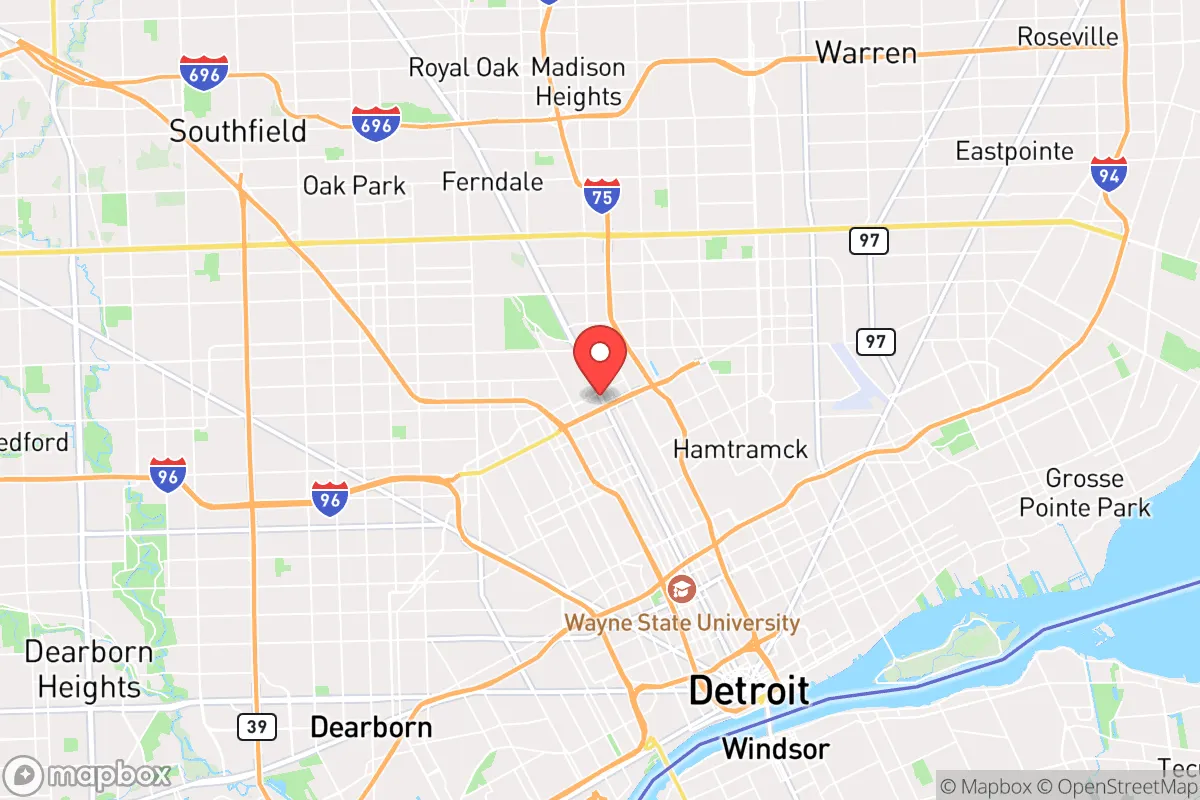
Key Distances
Regional Safe Places
Below is our recommended "safe zones" in Michigan and the surrounding area based on our strategic heuristics. For most people, it's unrealistic to live in a “safe zone” full-time due to work, family or other personal reasons. They tend to be more rural. However, many of these areas are perfect for second homes and retreat properties that double as a vacation home or even a short-term rental.


Important Note: For informational purposes only. This does not mean nothing bad ever happens in the green zones. Please use common sense. This is based on public data and modeled with AI. We tried to take a conservative approach but mistakes happen. We update this regularly as new information becomes available.
Solar Generator Recommendations
Backup power matters more here than in safer locations. We've picked three solar generators across budgets and capacity tiers — start with the budget unit if you only need a few essentials, or step up if you want to run a fridge and HVAC for days at a time.
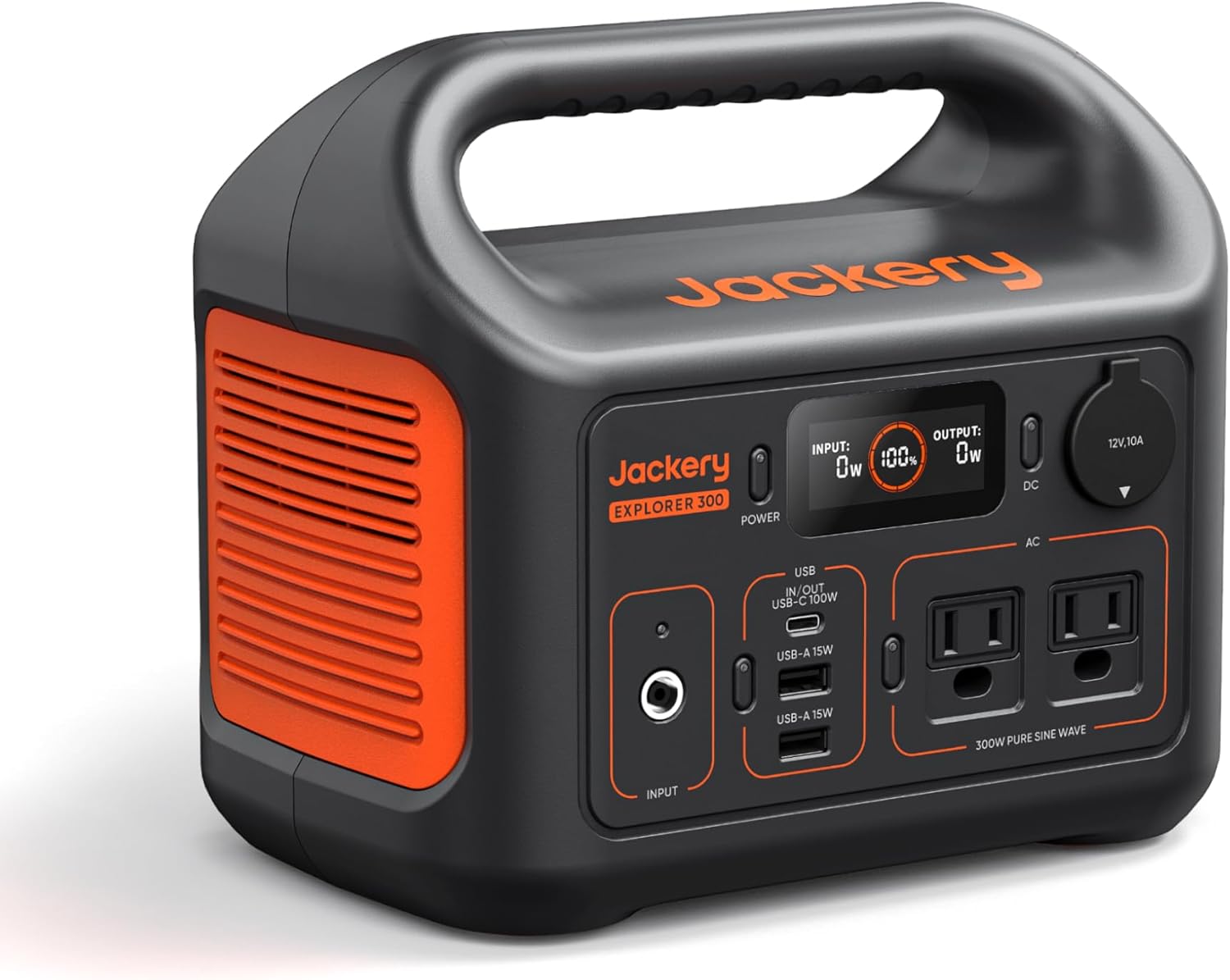
Jackery Portable Power Station Explorer 300
Budget OptionPower on the Go: Weighing only 11 lbs, it's convenient to set up and store with book-sized foldable solar panels

BLUETTI Portable Power Station AC180
Designed for both indoor and outdoor scenarios, AC180 is highly capable as it has a robost capacity and continuous output power.

EF ECOFLOW DELTA Pro Ultra Power Station
Upgraded PickEcoFlow DELTA Pro Ultra is a whole-home energy system designed to grow with your family. Integrated with the Smart Home Panel 2, it scales to meet your evolving energy needs — keeping your home powered, intelligent, and secure through every stage of life.
We earn a commission, at no additional cost to you.
Strategic Assessment Analysis
Highland, Michigan, offers a compelling mix of strategic depth and everyday livability for those prioritizing disaster readiness and long-term self-sufficiency, all while maintaining a comfortable distance from the highest-risk urban and industrial zones. Situated in northern Oakland County, roughly 45 miles northwest of Detroit, the area provides a buffer from the immediate fallout of a major metropolitan event while still granting access to regional resources. The community’s resilience is rooted in its geography—ample freshwater, a temperate climate, and a low-density population—but it’s not without exposures that a serious relocator must weigh. This assessment breaks down the area’s strategic position, its specific risks, and the practical steps a family or individual can take to thrive here in an uncertain future.
Geographic position and natural advantages for long-term security
Highland’s location is its primary strategic asset. The area sits within the Huron River watershed, providing access to abundant surface water from numerous lakes—including Highland Lake, Haven Hill Lake, and the larger Kent Lake—which are critical for independent water sourcing. The region’s glacial till soils support mixed hardwood forests and agricultural potential, offering both timber for fuel and building and decent growing conditions for a resilient garden. The elevation is modest but higher than the surrounding flatlands, reducing flood risk from the Huron River’s minor floodplains. The average annual precipitation of roughly 32 inches ensures reliable water recharge, and the area’s position in the USDA Hardiness Zone 6a allows for a longer growing season than much of northern Michigan—critical for food security. The low population density (about 200 people per square mile in the township) means less competition for resources in a crisis, and the abundance of state recreation areas like Highland State Recreation Area and Haven Hill Natural Area provide public land for foraging, hunting, and emergency timber. The proximity to I-96 and M-59 offers evacuation routes in multiple directions, though these same roads could become chokepoints in a rapid evacuation scenario.
Risks, exposures, and proximity to fallout-relevant landmarks
No location is immune, and Highland’s risks are real but manageable for a prepared relocator. The most significant exposure is proximity to the Detroit metropolitan area—45 miles as the crow flies. In a major urban collapse, nuclear incident, or pandemic scenario, Highland would likely see a wave of refugees from the city, straining local resources and potentially bringing security threats. The area is also within 30 miles of the Fermi 2 nuclear power plant in Newport, Michigan, and about 60 miles from the Palisades plant (currently decommissioned but still a spent-fuel storage site). A worst-case release from Fermi could put Highland in a downwind plume path, though prevailing westerlies often push contamination eastward. The region’s industrial corridors along I-75 and I-94—including chemical plants, refineries, and rail yards—are within 50 miles, posing a secondary risk of hazmat spills or targeted attacks. Natural hazards are less dramatic: tornado risk is moderate (Oakland County averages 2-3 tornadoes per decade), and winter storms can knock out power for days. The area’s karst topography in some pockets means localized sinkhole risk, but this is minor compared to the Great Lakes’ seismic stability. The lack of a major military base or strategic target within 20 miles is a net positive—Highland is not a primary target in a conflict scenario, unlike Ann Arbor or Detroit.
Practical resilience for a relocator: food, water, energy, and defensibility
For a family or individual serious about self-sufficiency, Highland offers a strong baseline but requires deliberate investment. Water is the area’s strongest asset: the numerous lakes and the Huron River provide year-round surface water, but it must be treated (boiling, filtration, or UV) due to agricultural runoff and wildlife contamination. A deep well on a private property is ideal—most homes in the township are on wells, with average depths of 100-200 feet tapping into the Marshall Sandstone aquifer, which yields reliable, clean water. For food, the growing season runs from late April to mid-October, allowing for a robust vegetable garden, and the area’s deer population is healthy for hunting (with a valid license). However, soil quality varies—many lots have sandy loam that requires amendment for high-yield crops. Local farmers’ markets and the Highland Farmers Market provide seasonal produce, but a relocator should plan to store at least a year’s worth of non-perishables. Energy resilience is mixed: DTE Energy’s grid is aging, and outages are common during storms (averaging 2-3 per year lasting 4-12 hours). Solar is viable—the area gets about 4.2 peak sun hours per day—and many rural properties have space for ground-mounted panels. Wood heat is a practical backup, with abundant firewood from state land (with a permit). Defensibility is moderate: the sprawling, low-density layout makes perimeter security challenging, but the many dirt roads and dense tree lines offer concealment and chokepoints for a prepared group. The local sheriff’s office (Oakland County Sheriff’s Highland Substation) has a response time of 15-30 minutes in rural areas, so self-defense capability is essential. The Highland community is tight-knit—a double-edged sword: it fosters mutual aid but can be insular toward newcomers. Building relationships early is key to long-term resilience.
Overall, Highland presents a balanced strategic picture for the disaster-conscious relocator. It avoids the extreme risks of urban centers and major industrial targets while offering abundant natural resources—especially water—that many inland areas lack. The trade-offs are real: the proximity to Detroit and Fermi 2 means a relocator must plan for refugee influx and potential radiological events, and the grid reliability demands a backup power strategy. For a family willing to invest in a well, solar, and a year’s worth of supplies, Highland provides a defensible, resource-rich base that can sustain a household through most regional disruptions. The area’s moderate climate, low population density, and access to public lands make it a strong candidate for those seeking a balance between rural self-sufficiency and reasonable access to medical care and supplies (with Pontiac and Novi within 20 minutes). It’s not a bug-out bunker location—it’s a place to build a resilient life, with eyes open to the risks and a plan to mitigate them. For the serious relocator, Highland deserves a spot on the shortlist, provided you’re ready to dig a well, stack firewood, and get to know your neighbors before the lights go out.

* Values derived from national, state, county, city and local statistics and may differ in a specific area. Last updated: 2026-10-20T18:16:34.000Z
Narrative content on this page is AI-generated and may contain mistakes. Verify any details that matter before acting on them.
ReloMaps may earn a commission from affiliate links at no extra cost to you.

